Newsletters


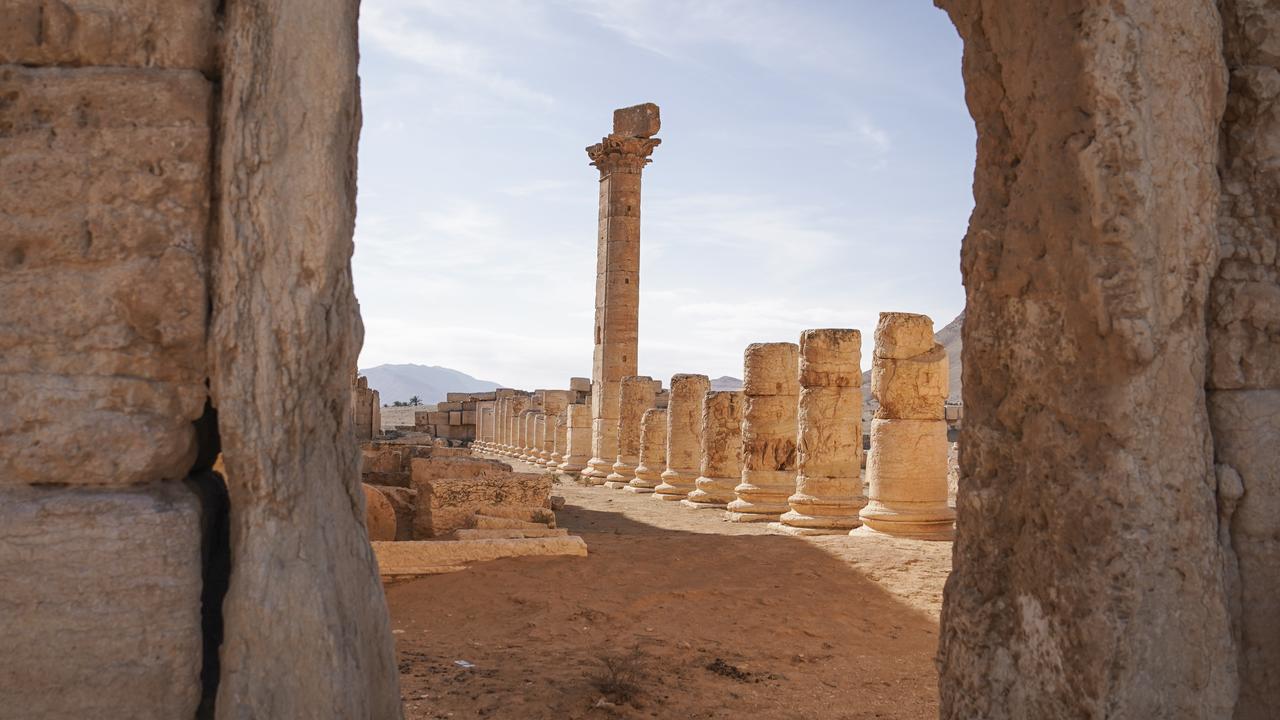
Listed as a UNESCO World Heritage Site in 1980, the ancient city of Palmyra in Syria’s Homs province once stood out as one of the country’s most visited historical destinations.
Since the outbreak of the Syrian civil war in 2011, however, the site has broken apart by successive waves of violence, turning a global cultural landmark into a landscape marked by loss and uncertainty.
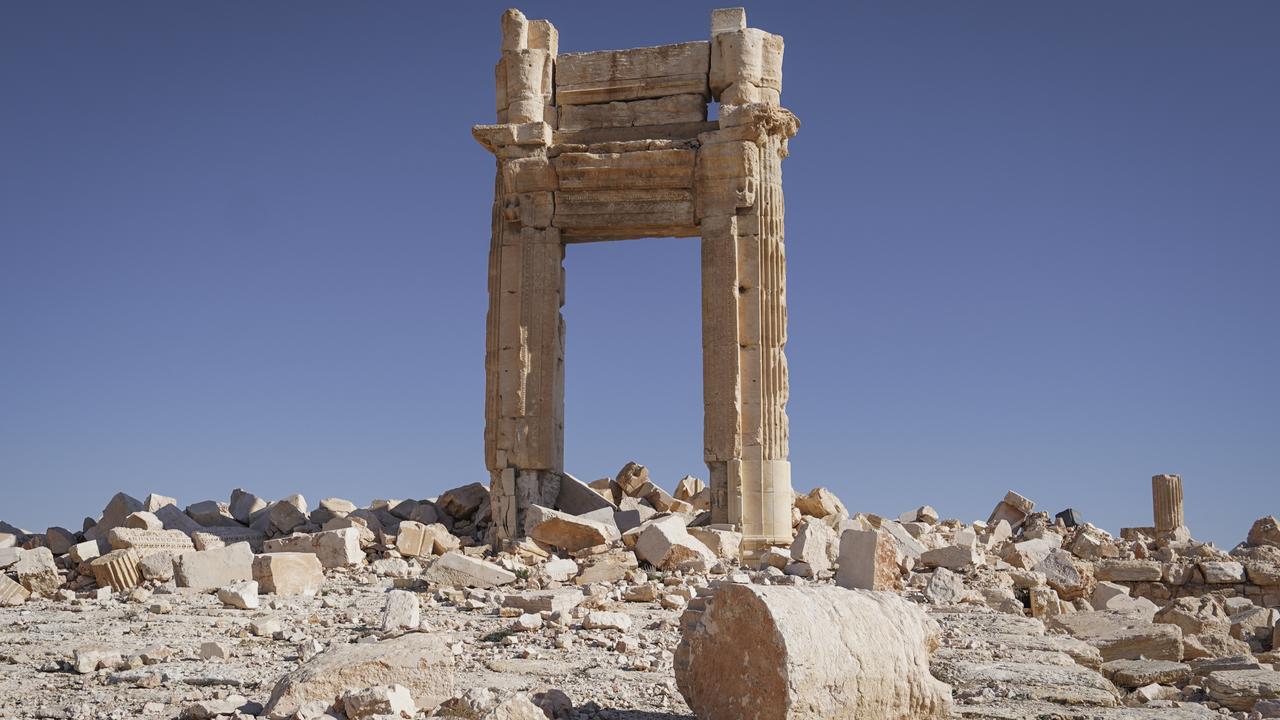
In 2015, the terrorist organization Daesh seized Palmyra and set out to wipe out its symbolic value. Explosives were set off at some of the site’s most recognized structures, including the Temple of Bel, the Temple of Baalshamin, royal tombs, and the Arch of Triumph, erasing centuries of architectural continuity in a matter of moments.
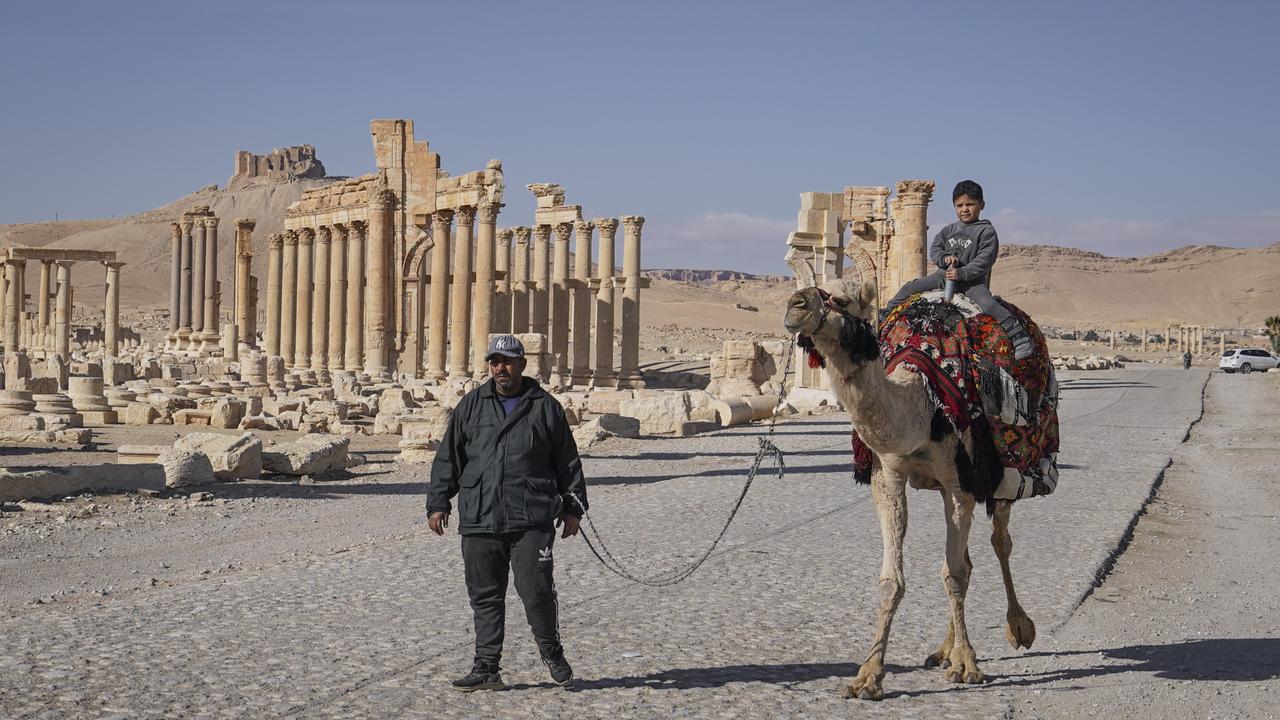
The campaign went beyond physical damage, as Daesh also carried out the execution of Khaled al-Asaad, a veteran archaeologist who had devoted his life to protecting Palmyra. The act was widely seen as an attempt to silence cultural memory itself, reinforcing how heritage was deliberately turned into a battlefield.
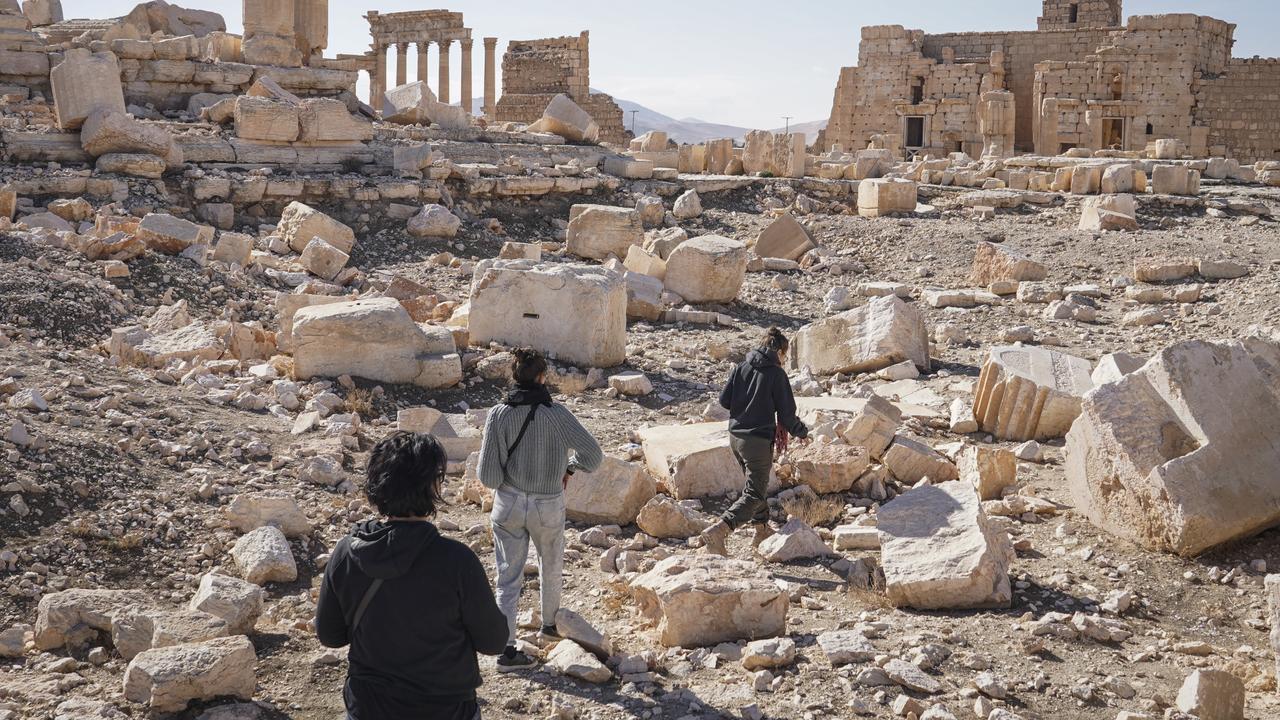
The attacks sparked international condemnation, with UNESCO’s former director-general Irina Bokova describing them as a war crime and a loss not only for Syrians but for humanity as a whole. Her remarks reflected a broader concern that the destruction of Palmyra was meant to shock the world as much as it was meant to devastate Syria.
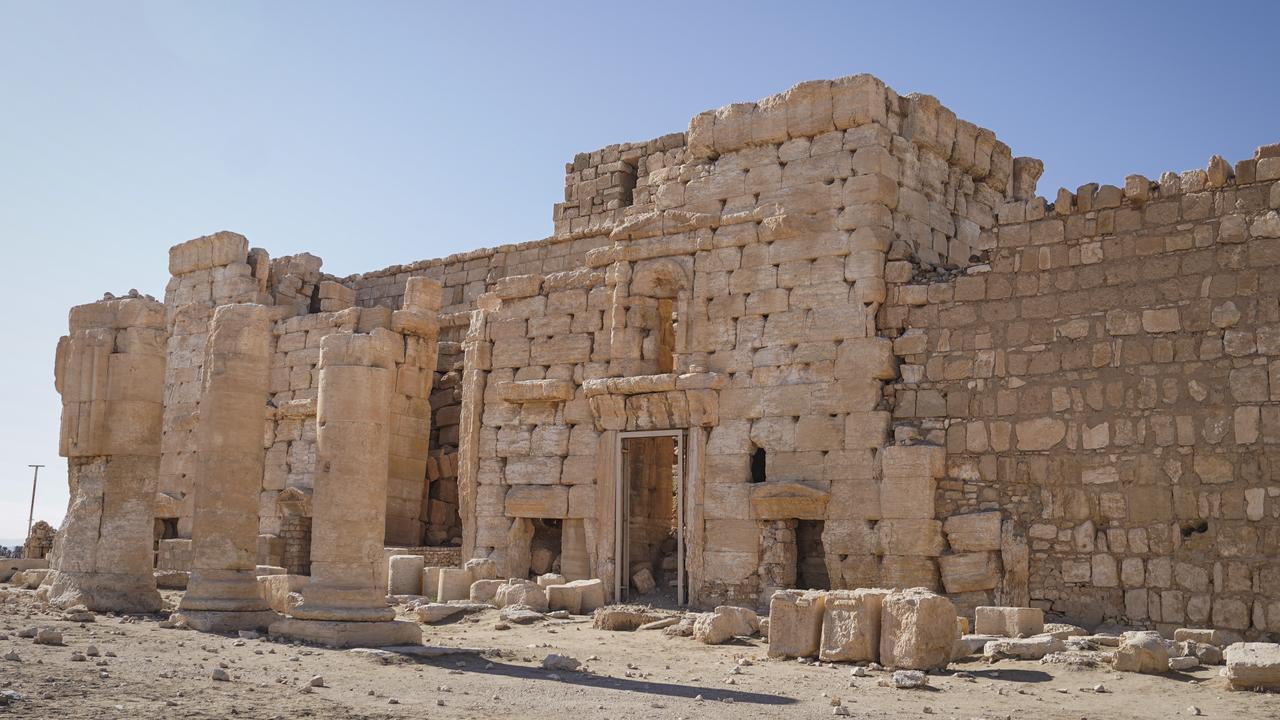
Middle East expert Haian Dukhan, who was born in Palmyra, explained that the Assad regime had long used heritage sites to build national prestige. During the war, this approach fell apart, as historical landmarks were drawn into political and military calculations rather than being shielded from harm.
According to Dukhan, the regime continued to present itself as the guardian of Syrian identity while failing to protect the very sites it promoted. He noted that destruction was often used to drum up international sympathy, turning cultural loss into a political narrative rather than a call for preservation.
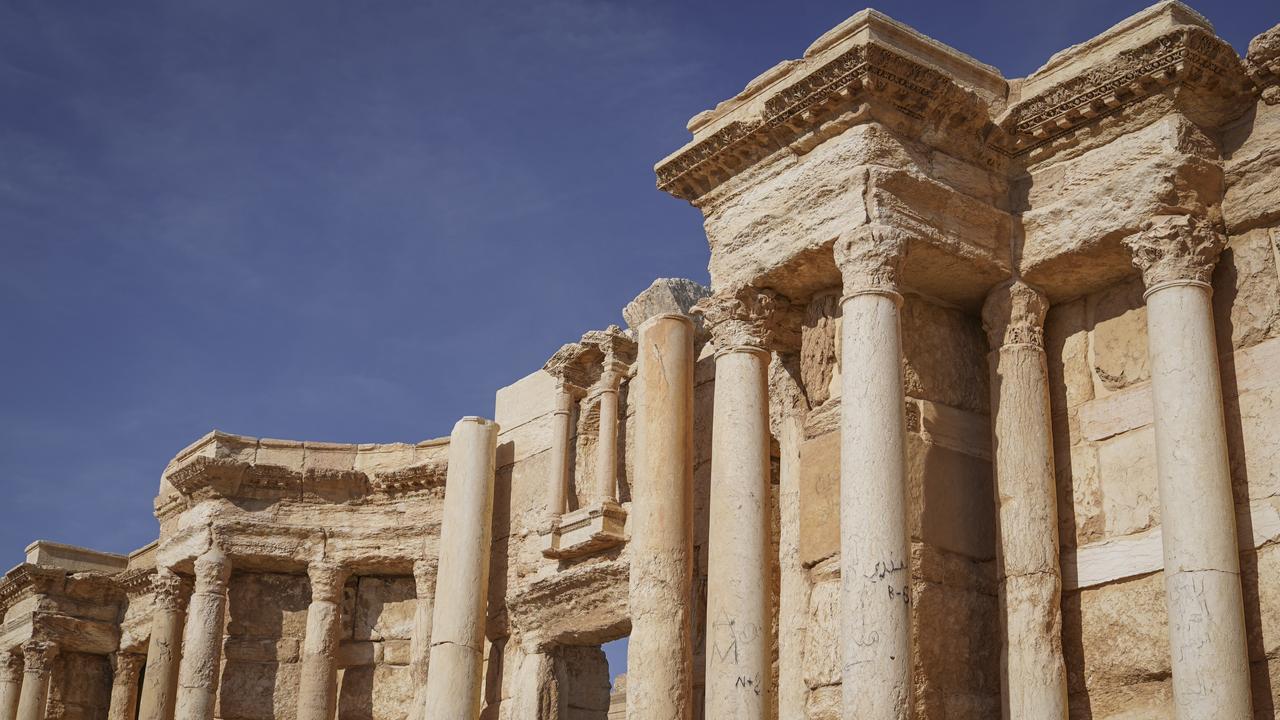
Zehir Selim, a member of Palmyra’s Civil Committee, said that the city’s ordeal did not end when Daesh pulled out. He pointed out that regime and Russian airstrikes followed, deepening the destruction and leaving entire neighborhoods and historical areas exposed to further harm.
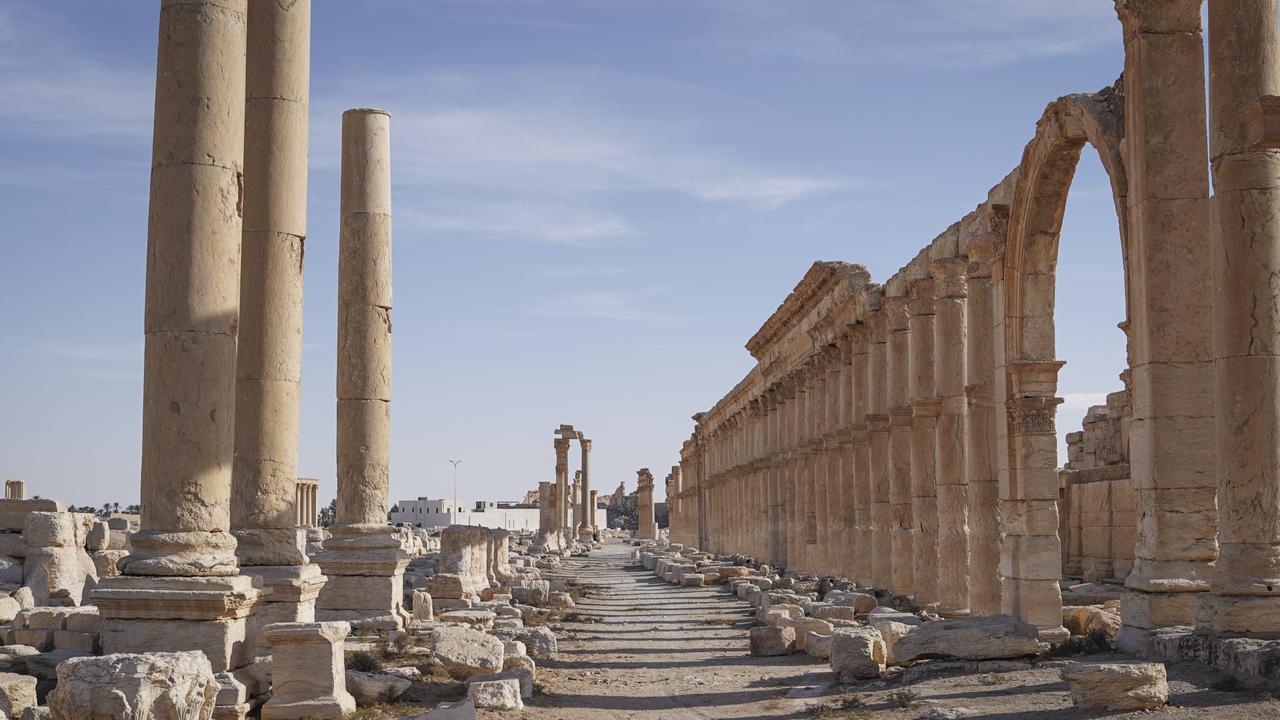
As security collapsed, widespread looting took place across Palmyra. Homes, markets, museum artifacts, and even underground tombs were broken into, while unregulated excavations stripped the site of remaining archaeological layers that could have helped future restoration efforts.
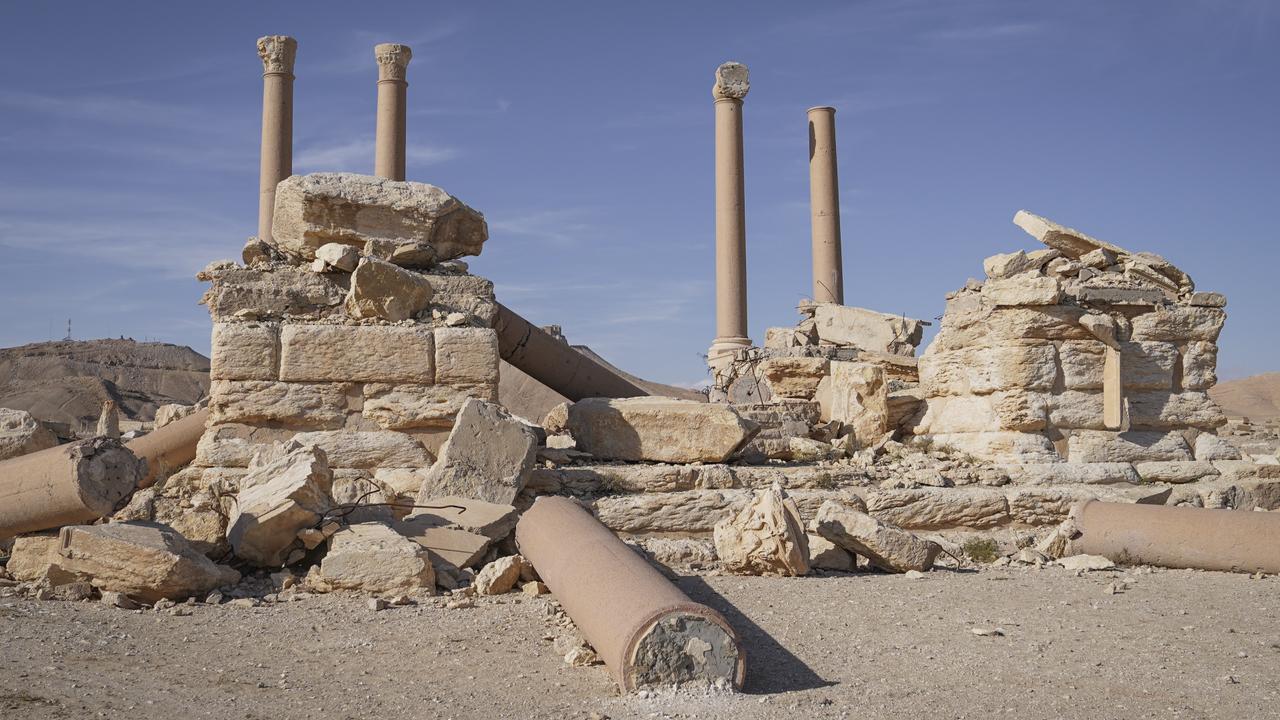
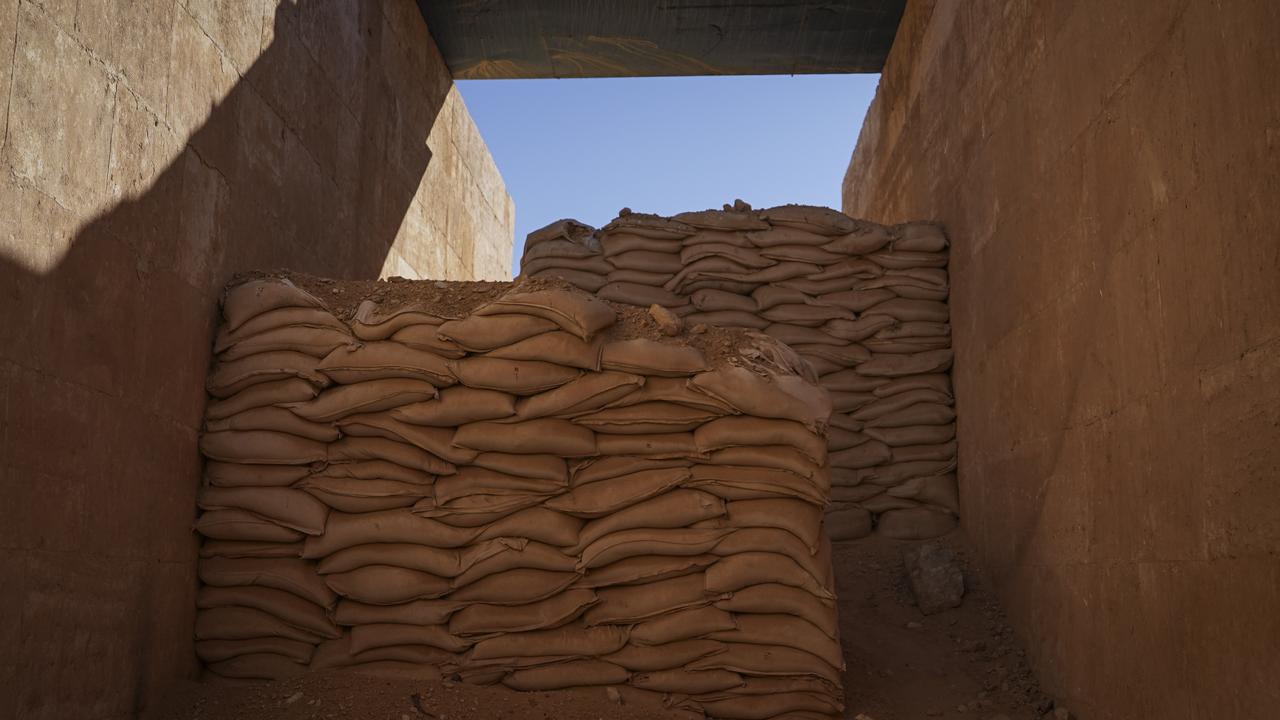
Today, Palmyra resembles a ghost town where infrastructure barely functions. Electricity, water, and sewage systems are largely unusable, and military trenches left behind continue to block safe resettlement, making everyday life extremely difficult for returning residents.
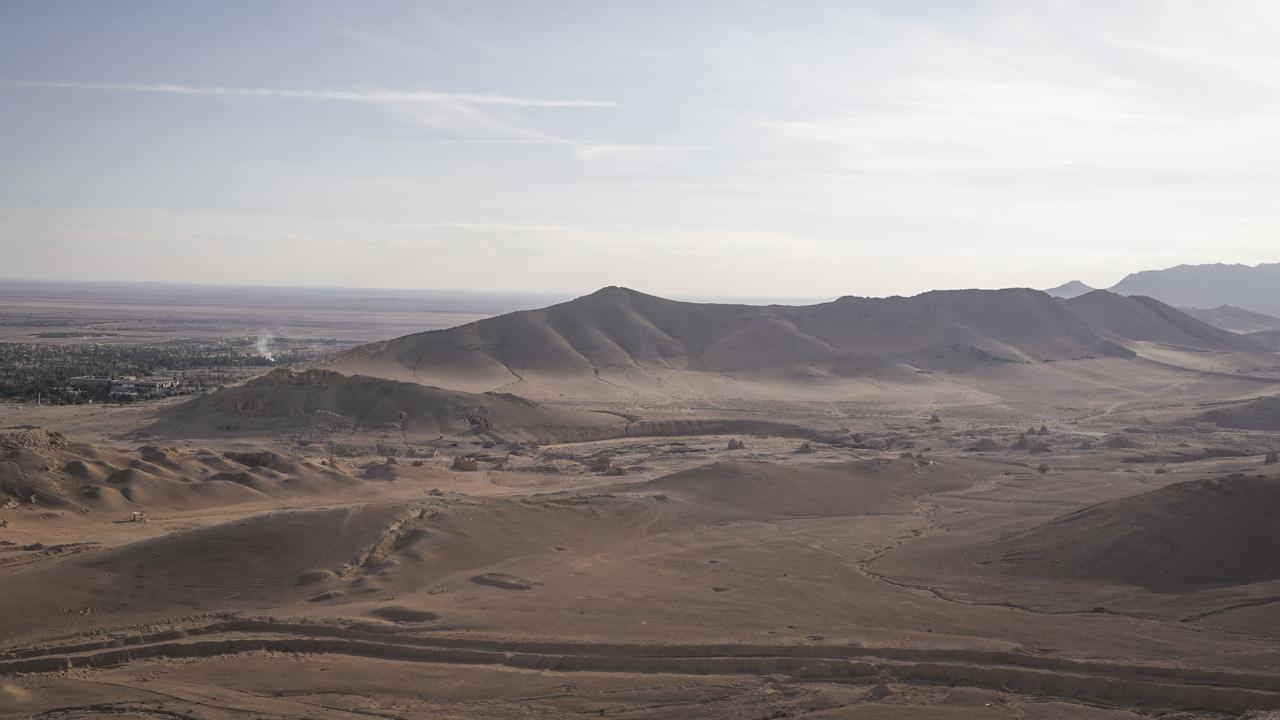
Despite limited access to health care and basic services, some local visitors have begun to return after years of displacement. For former residents, Palmyra is no longer just about stones and columns, but about the hope that the city can one day stand again as a living place rather than a silent reminder of war.


 Set as preferred source