Newsletters


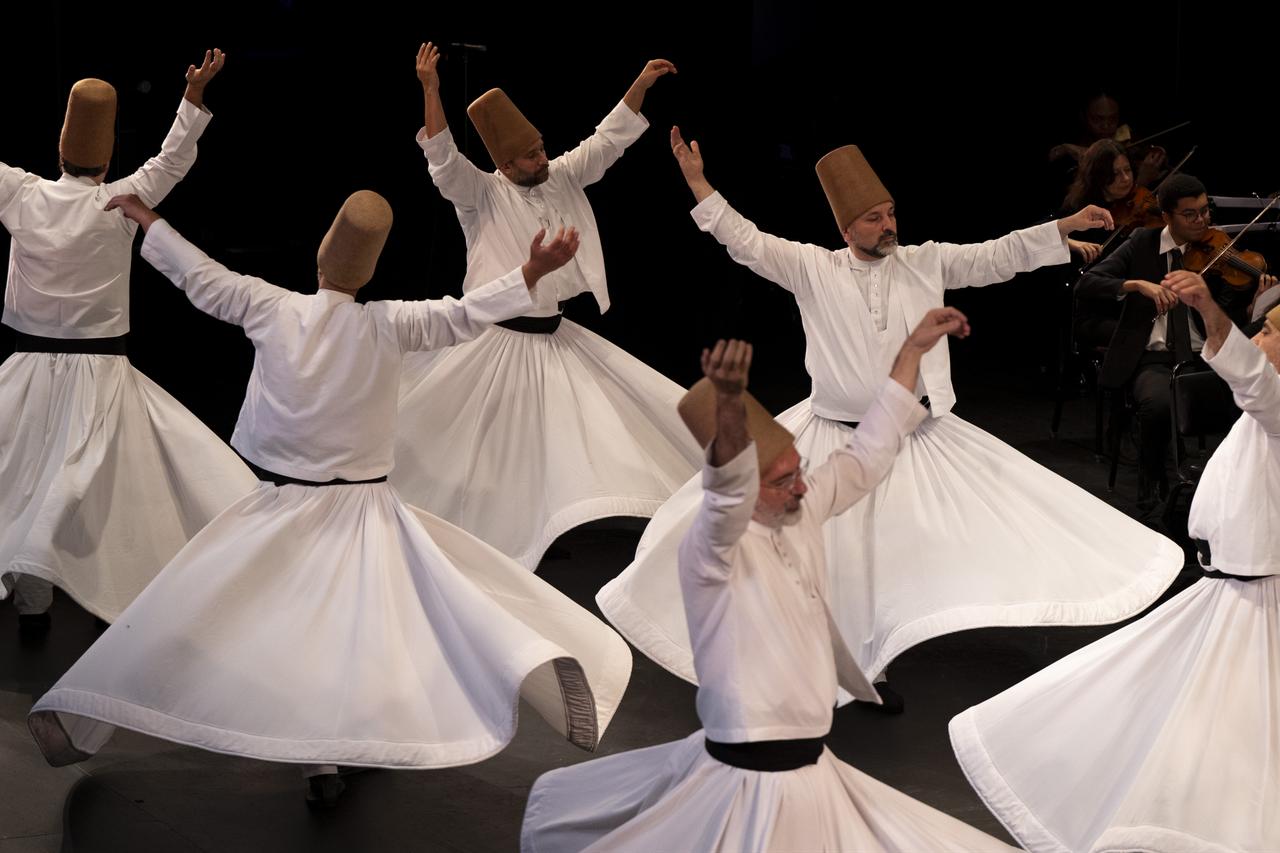
Whirling dervishes took the stage at the “March of Love” concert organized by Turkish Airlines in New York, introducing international audiences to the centuries-old Sema ritual on Friday, Dec. 19.
Rooted in Sufi spirituality and closely associated with the legacy of Mevlana Jalaluddin Rumi, the performance framed a devotional tradition within a contemporary cultural setting, while keeping its symbolic and ritual structure intact.
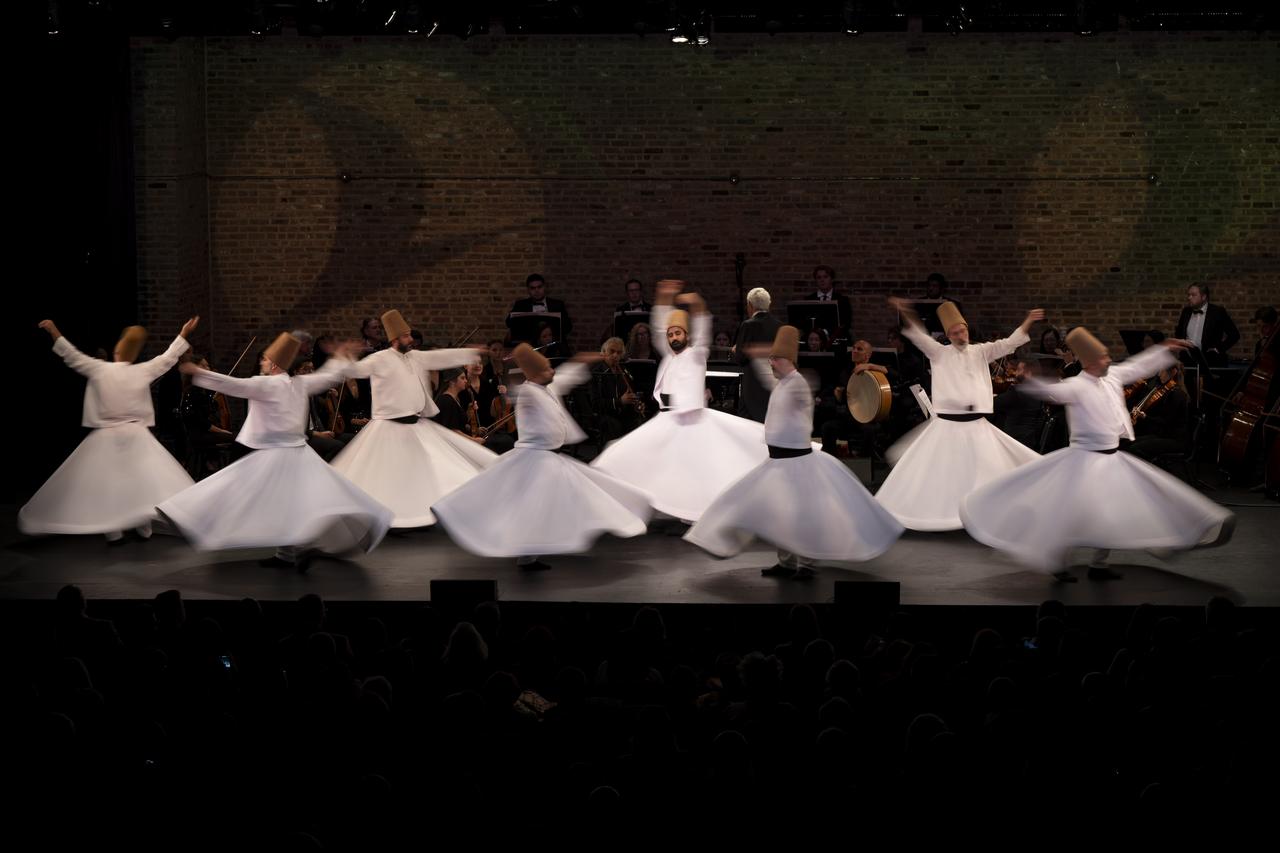
At the heart of the performance was the Sema, a devotional whirling ritual that symbolizes the soul’s ascent toward spiritual truth. The ritual reflects the idea of vuslat, understood as reunion with the Divine, a central concept in the teachings of the 13th-century Sufi mystic and poet Rumi.
For international audiences unfamiliar with Sufism, the Sema functions as both a visual ceremony and a spiritual narrative, in which movement, music, and recitation are brought together to express devotion.
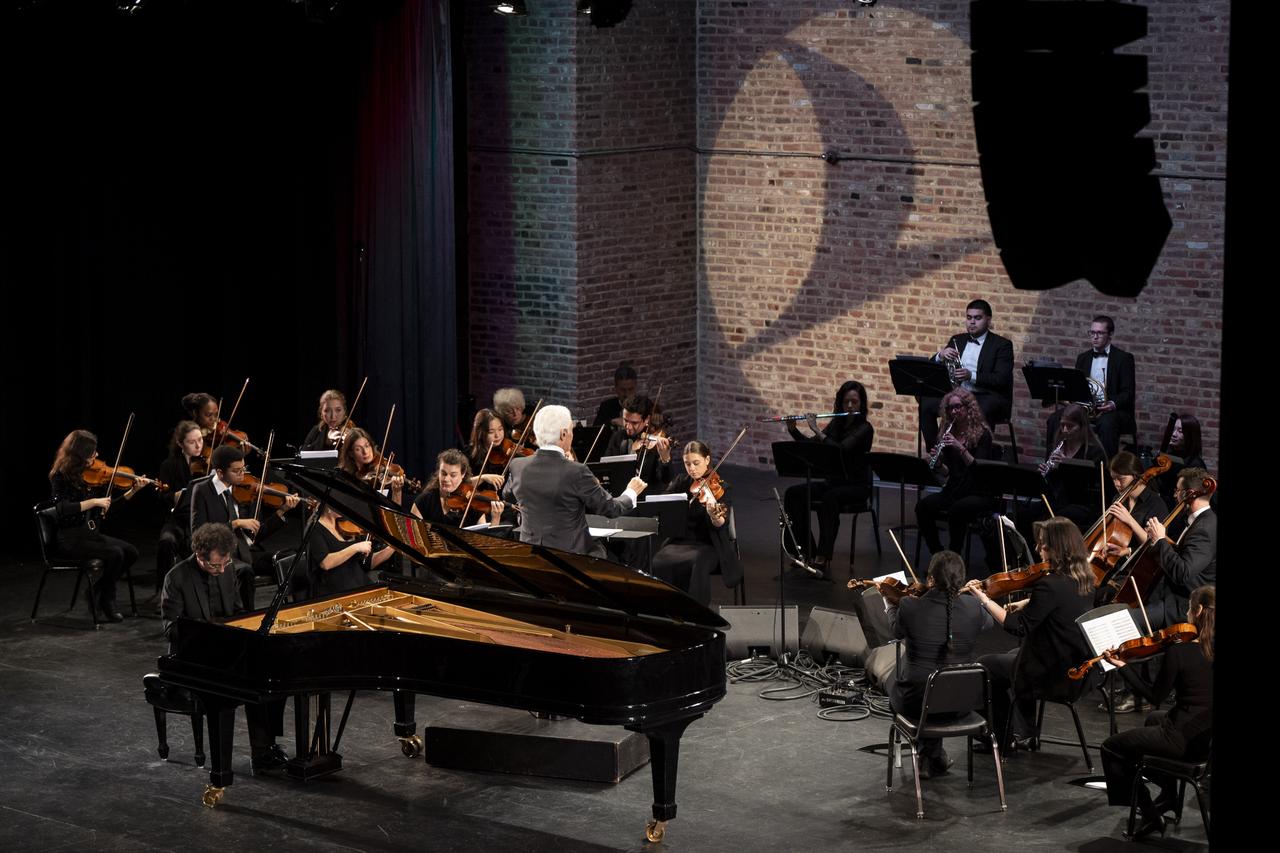
The Sema is performed within the Mevlevi tradition, an order that took shape after Rumi’s passing in 1273. The ceremony follows a carefully structured sequence that conveys layered meanings.
It opens with the Nat-i Serif, a poetic praise of Prophet Muhammad, before the semazens enter the space with their arms crossed over their chests, a posture symbolizing humility.
As the ritual unfolds, the dancers remove their waistcoats, an act understood as leaving the ego behind, and then begin to whirl in measured harmony. The ceremony concludes with greetings of peace and a recitation from the Holy Quran, reinforcing its devotional character.
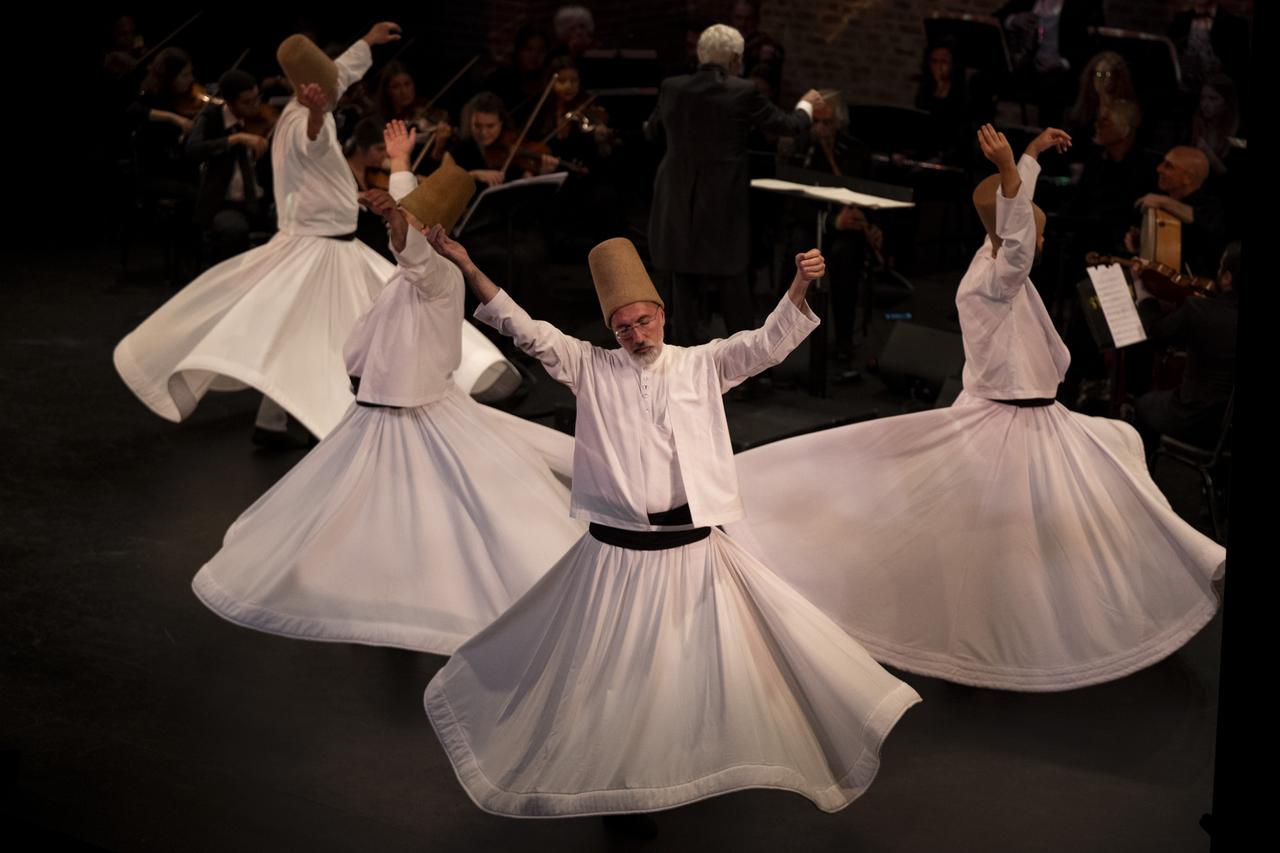
The cultural and spiritual value of the Sema has also been acknowledged at an international level. In 2008, UNESCO recognized the ritual as a “Masterpiece of the Oral and Cultural Heritage of Humanity,” a designation that highlights its importance as a living tradition rather than a static performance.
This recognition has helped carry the ritual beyond its regional origins and present it to wider audiences around the world.
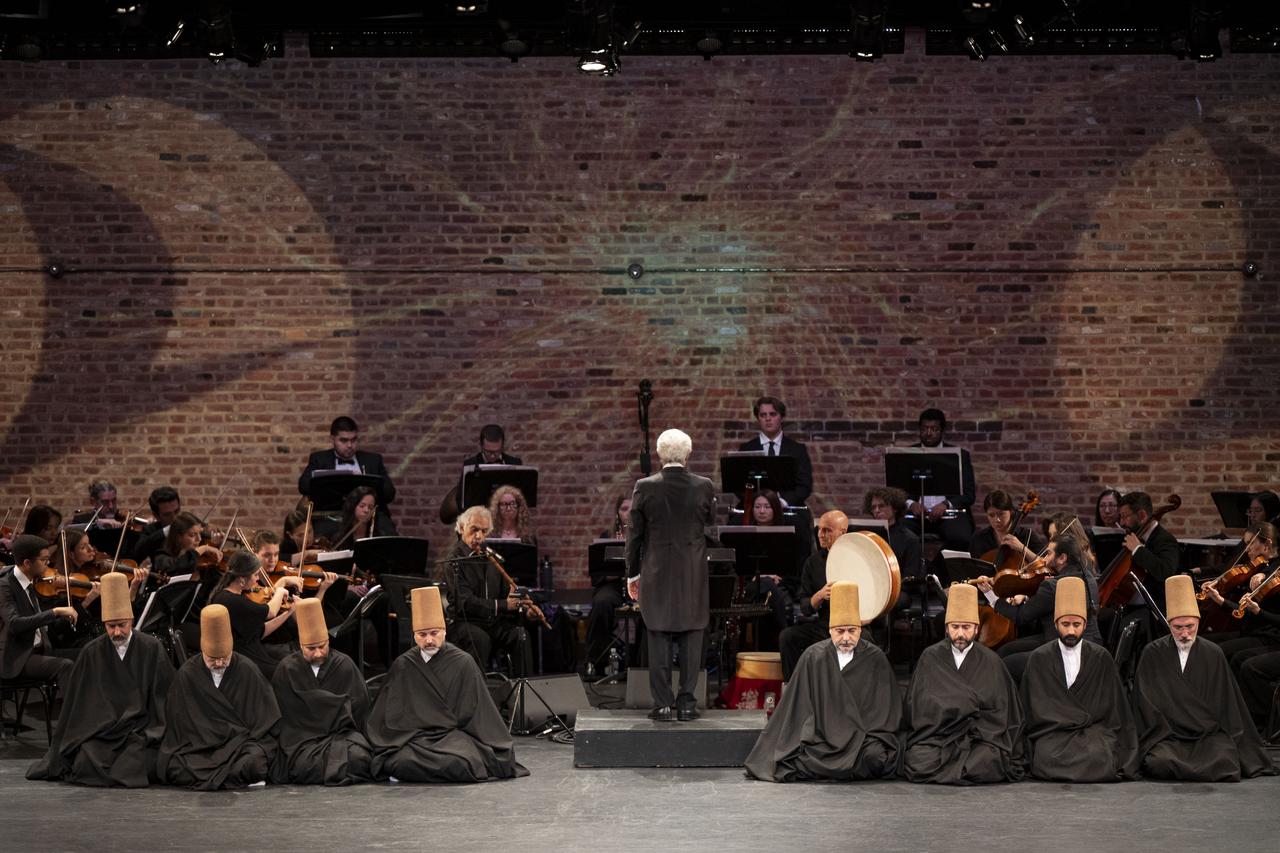
Rumi was born in 1207 to a Turkic family in what is now Afghanistan, and over the centuries, he has become one of the most widely read spiritual thinkers globally.
His teachings, centered on compassion, unity, and divine love, have long reached beyond cultural, linguistic, and religious boundaries. These ideas continue to resonate across regions stretching from Türkiye to Central Asia, shaping both spiritual practice and literary tradition.
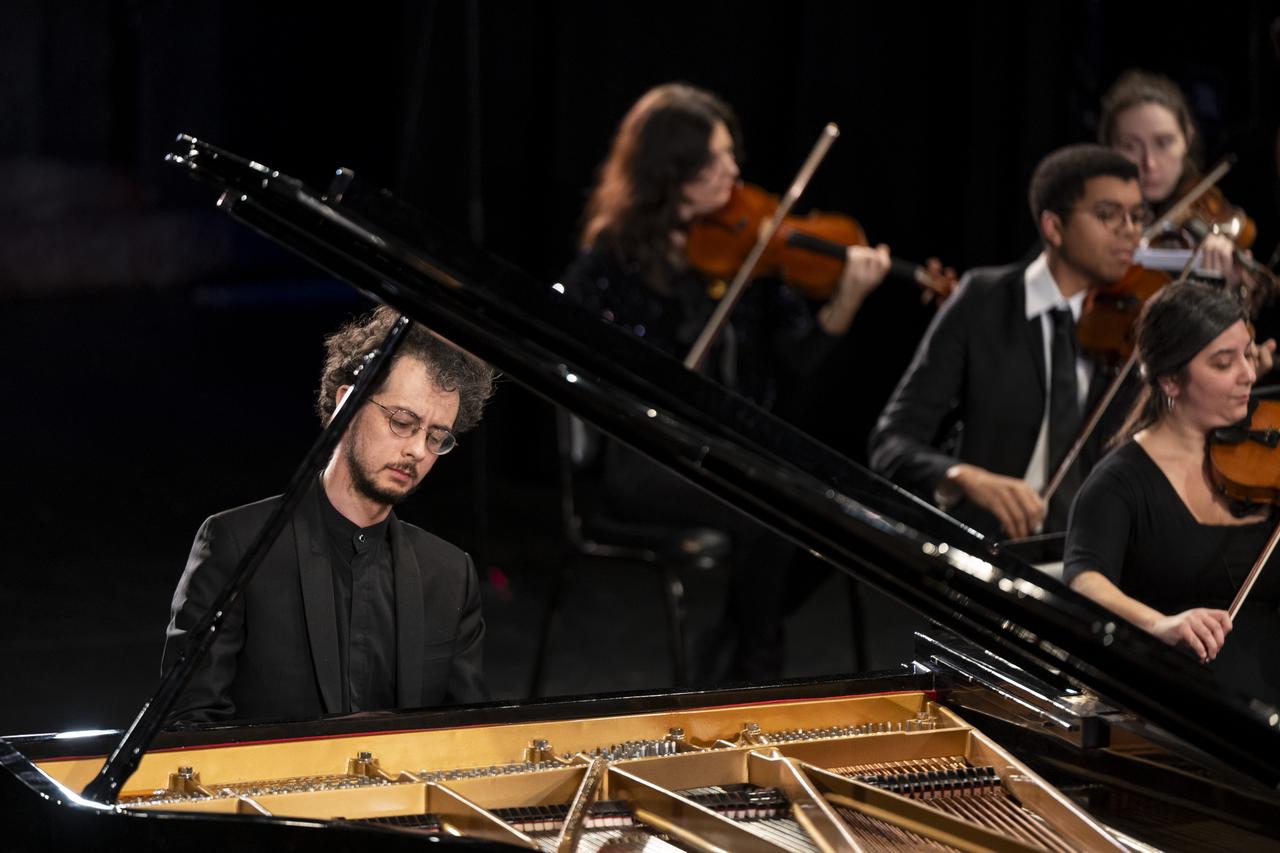
Rumi’s influence is closely tied to his major works. His masterwork, the Masnavi, written after the loss of his mentor Shams Tabrizi, explores themes of spiritual love, humility, and tolerance.
With over 50,000 verses, the text is regarded as one of the most influential works of Sufism and has been translated from its original Persian into 26 languages, including Turkish, English, French, Spanish, and Arabic. He also authored the Divan-i Kabir, a vast collection of lyrical poetry that further reinforced his impact on Islamic mysticism and world literature.


 Set as preferred source