Newsletters


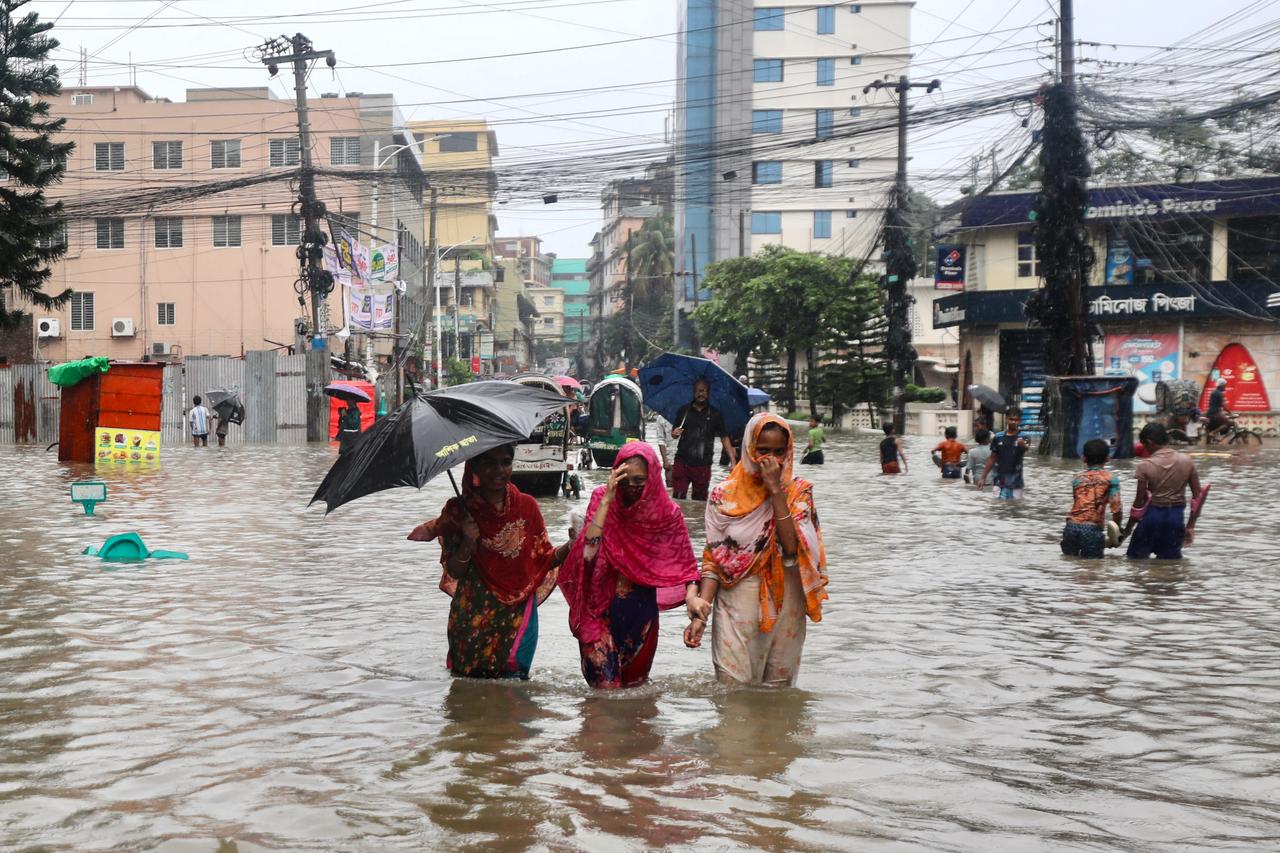


Typhoon Bavi is moving across the western Pacific and is threatening parts of East Asia with heavy rain, strong winds, and flooding. The storm has already caused deadly landslides in the southern Philippines.
Authorities in Taiwan, China, and Japan have issued warnings, airlines have canceled hundreds of flights, and emergency services have deployed thousands of workers.
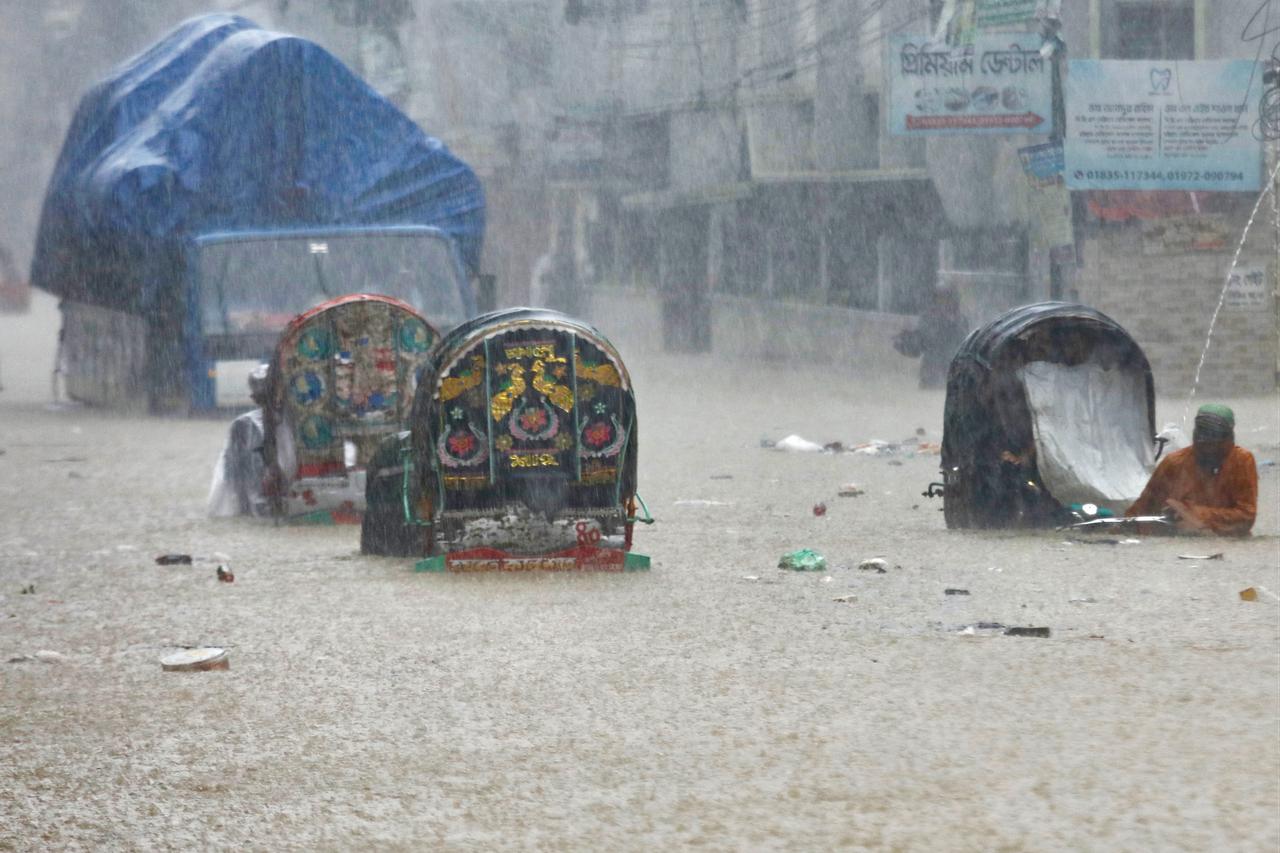

Typhoon Bavi stretches 1,000 kilometers (620 miles) at its widest, making it one of the biggest storms to threaten East Asia in decades.
Meteorologists say its large size means heavy rain and strong winds can reach areas far from the center. Taiwan's weather officials say it is the largest storm by size expected to hit the island since 1987.
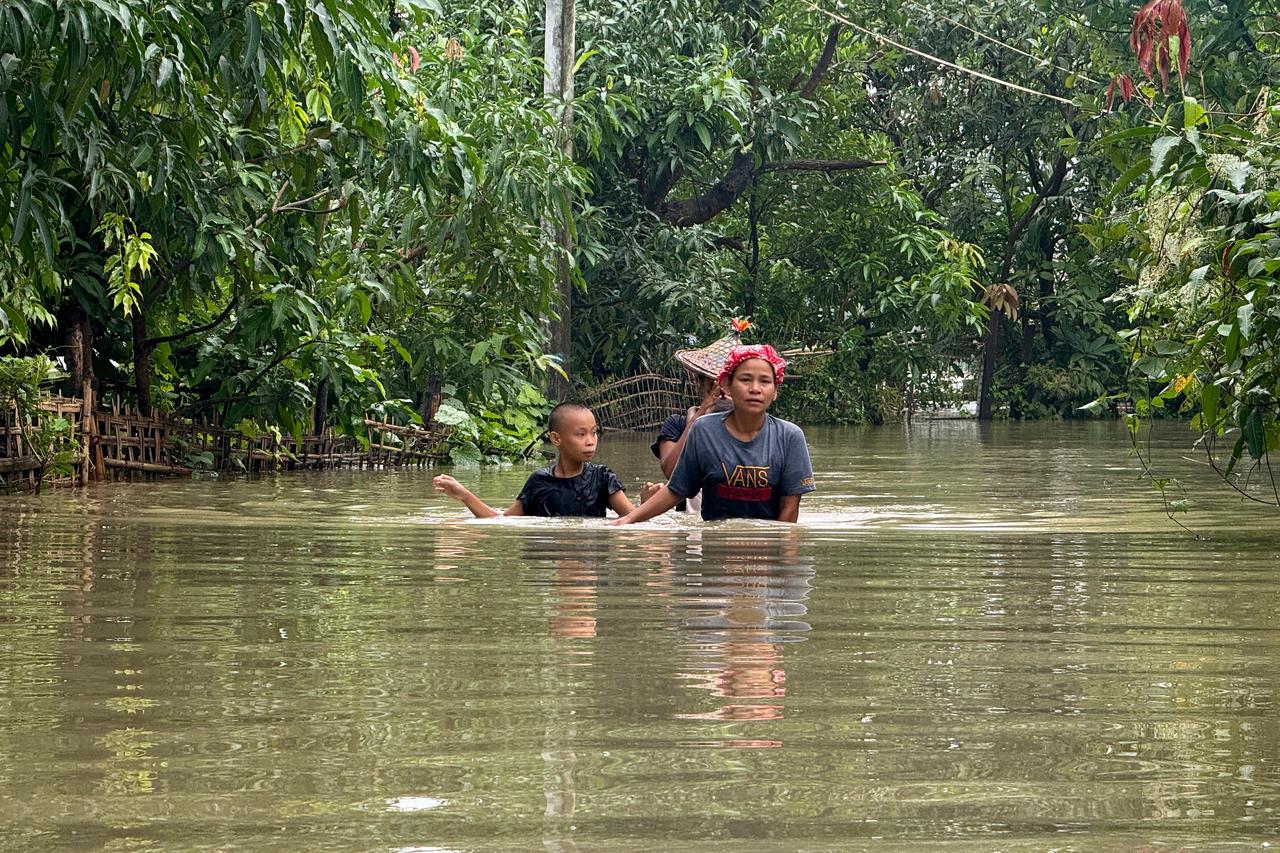
Typhoon Bavi is heading northwest across the Pacific and is expected to pass north of Taiwan from late Friday into Saturday, bringing heavy rain and strong winds.
It will likely make landfall along China's southeastern coast late Saturday or early Sunday, with Fujian and nearby Zhejiang expected to be hit hardest.
Japan's remote Sakishima Islands are also expected to get heavy rain and strong winds as the storm passes.
In the Philippines, heavy rain from Bavi caused landslides on Mindanao island, killing at least 15 people, according to media reports. Rescue teams are still searching for missing people.
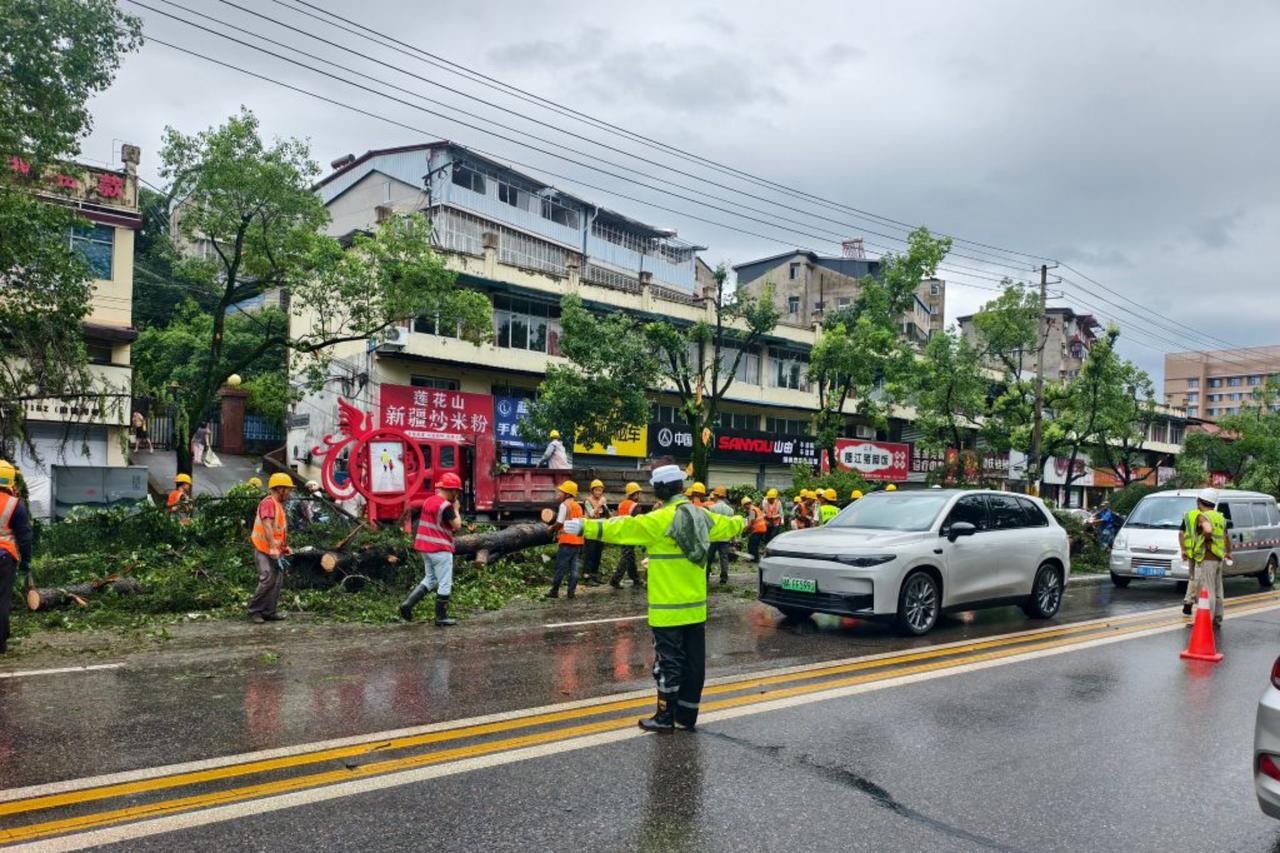
Across the region, authorities have suspended classes, canceled flights, and urged residents to get ready for possible flooding.
Taiwan has put 29,000 soldiers on standby for disaster response, and people in at-risk areas have stocked up on food and supplies.
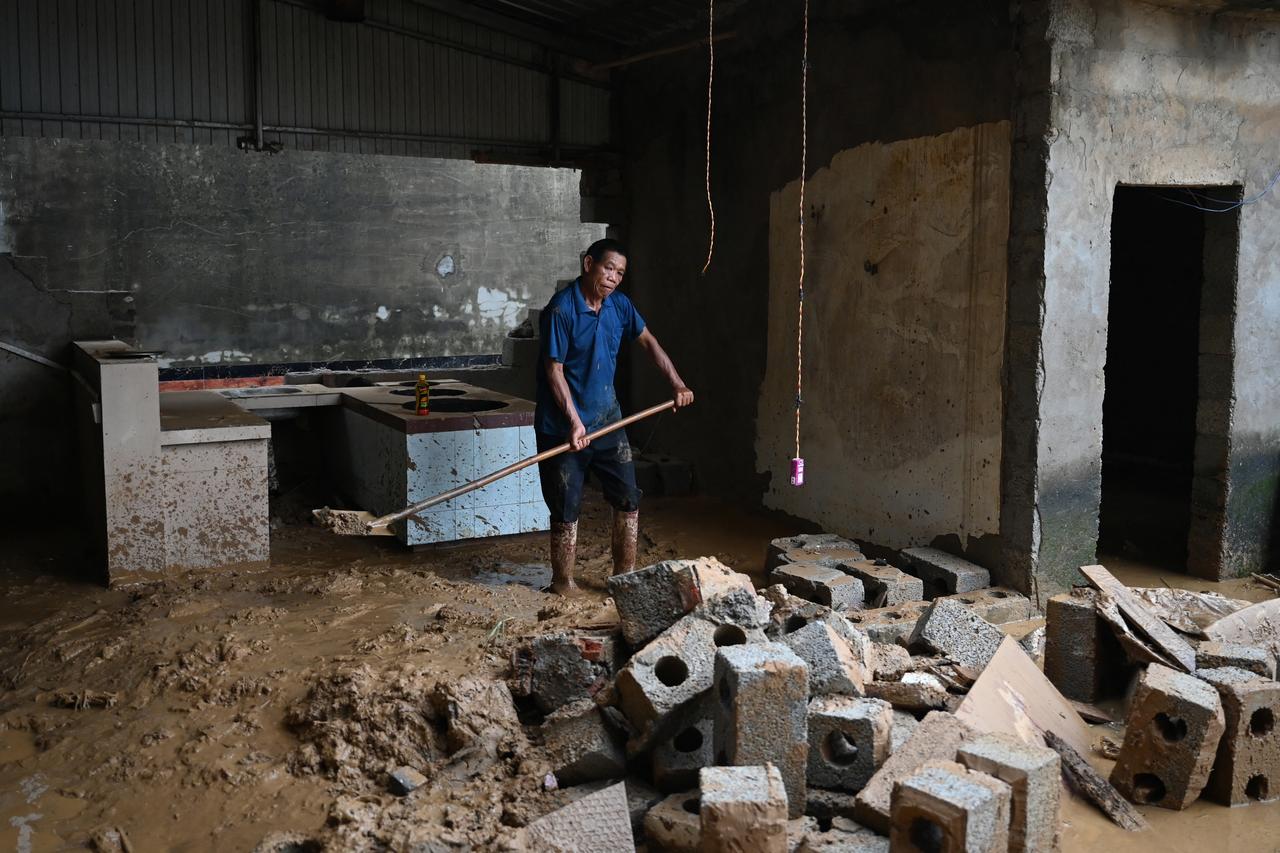
Along with Taiwan, China, and Japan, the Philippines is expected to continue to receive heavy rain through the weekend.
Chinese forecasters warn that after landfall, Bavi's remnants could move into eastern and northern provinces, bringing heavy rain to areas not accustomed to typhoons.
The storm comes just days after Typhoon Maysak hit southern China, killing dozens, forcing evacuations, and causing major agricultural damage.
This has raised concerns that the already saturated ground could make flooding and landslides worse as Bavi approaches.


 Set as preferred source
 Set as preferred source


 1 min read
 1 min read