Newsletters


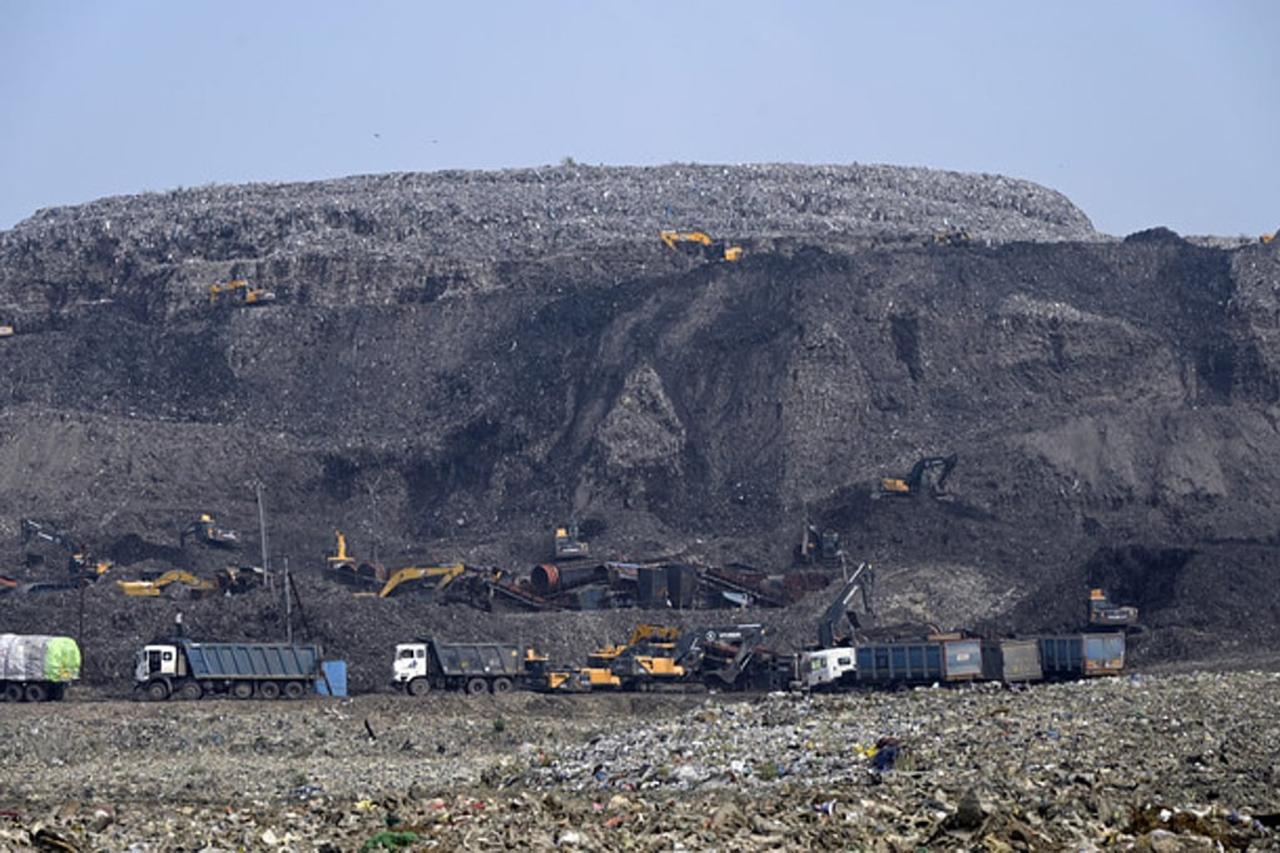


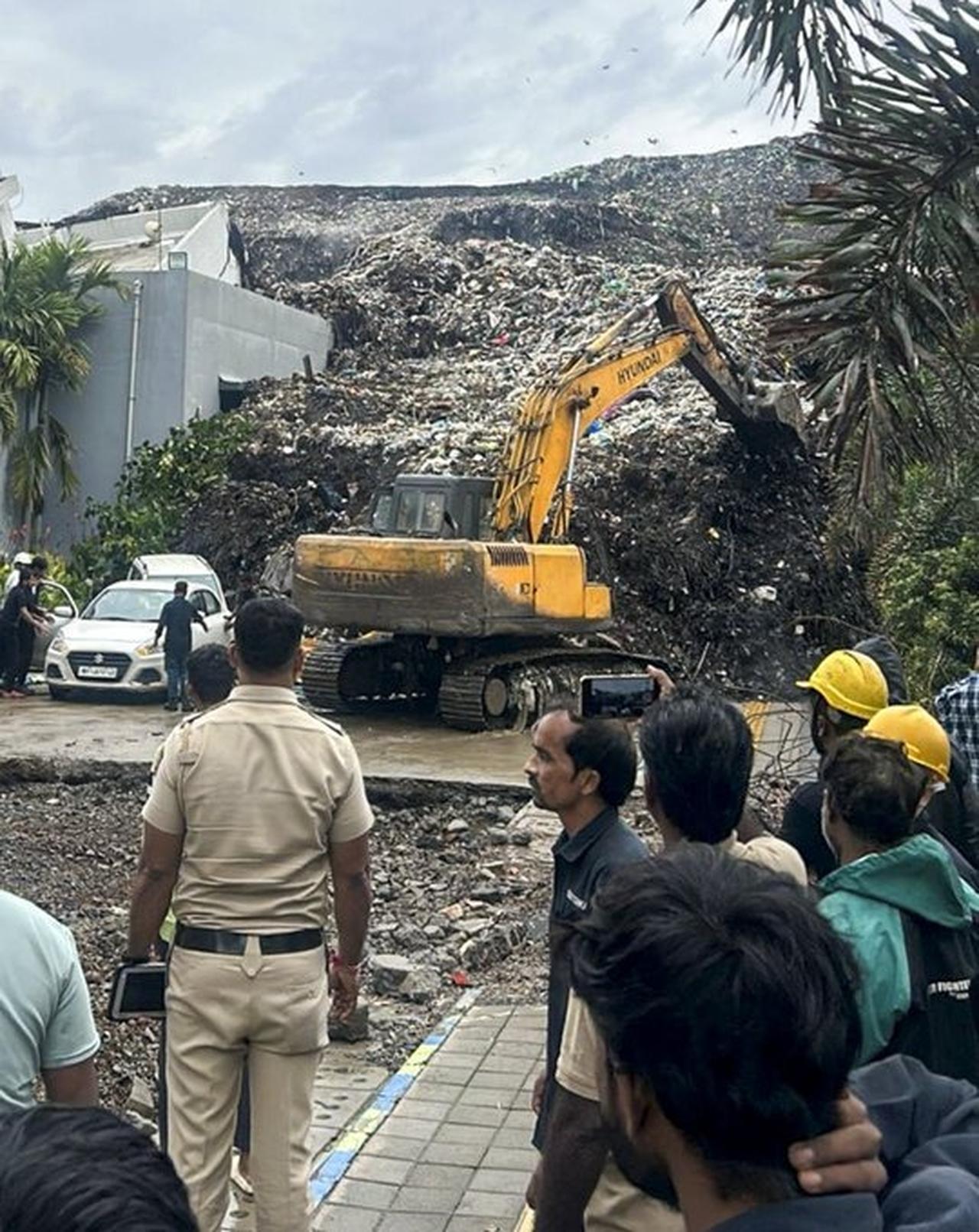
A three-story office building at a waste-to-energy plant near Pune, in India’s western state of Maharashtra, collapsed on Wednesday afternoon after a massive mound of rain-soaked garbage gave way and crashed into the structure. According to the Press Trust of India news agency, emergency teams have successfully rescued nine of the estimated 18 people who were trapped inside the rubble.
Emergency crews are working around the clock to locate survivors. According to local officials, several employees of the renewable energy firm that operates the 14-megawatt plant are feared trapped beneath the rubble.

The disaster in Maharashtra highlights a broader solid waste management crisis across India, where urban centers generate over 62 million metric tons of garbage annually.
Municipalities have struggled with source segregation, leaving processing facilities to handle heavily contaminated, mixed waste. This lack of separation has resulted in the rapid accumulation of unstable legacy waste, creating massive, hazardous landfills that are prone to fires and rain-induced landslides near urban populations.
Regulatory frameworks designed to modernize waste management have consistently stalled due to insufficient infrastructure funding and lax enforcement at the municipal level. Consequently, rapidly expanding residential developments continue to encroach on unstable dump sites, directly endangering surrounding neighborhoods and facility workers.


 Set as preferred source
 Set as preferred source



 4 min read