Newsletters


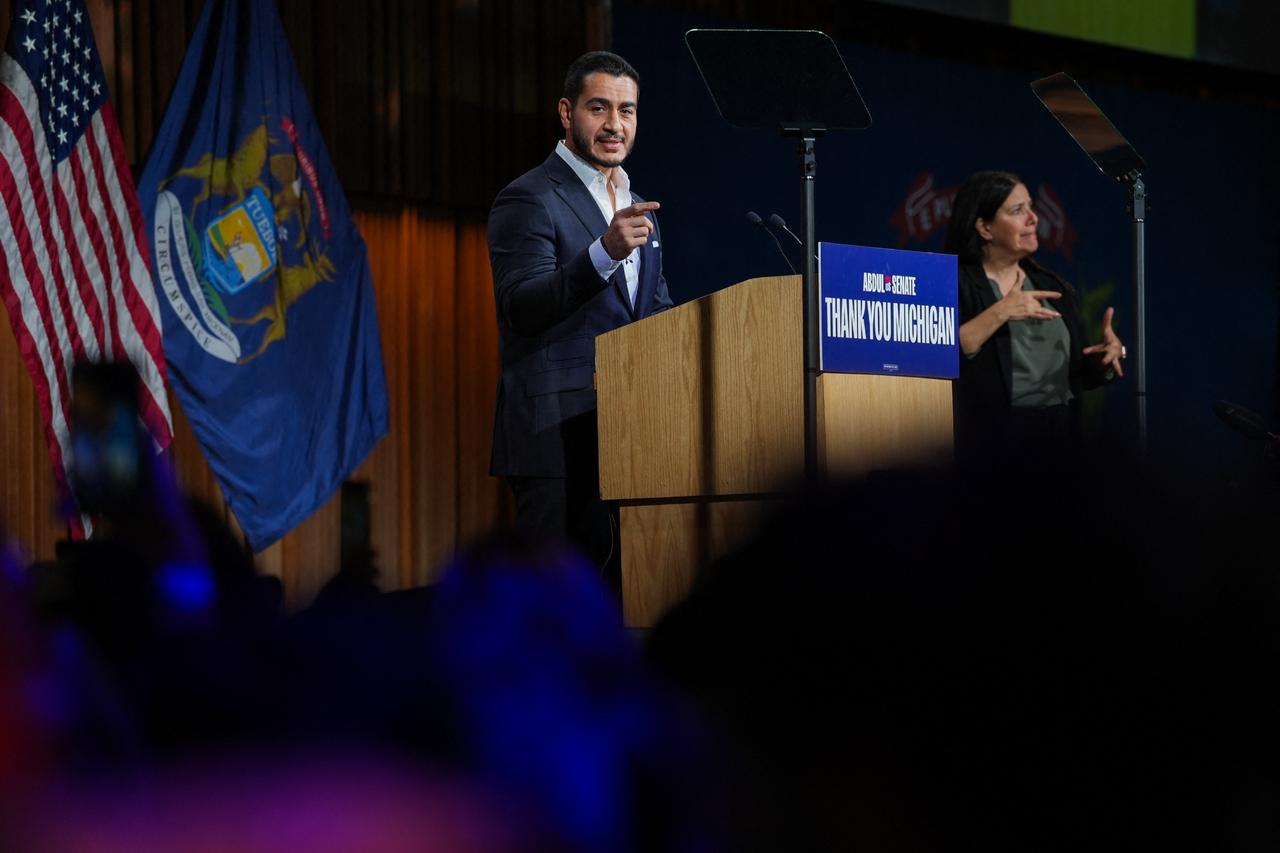
Abdul El-Sayed, a 42-year-old Egyptian American physician and former public health official, made history Tuesday as the first Muslim elected to the U.S. Senate, defeating former Republican Rep. Mike Rogers in Michigan, according to U.S. media projections.
The progressive Democrat will take the seat of retiring Sen. Gary Peters when the new Congress convenes in January, holding a key seat in a state Donald Trump narrowly won in 2024.
"Michigan, we did it!" El-Sayed told supporters in Detroit.
"I am so proud and honored to stand here as your senator-elect from the great state of Michigan," he added.
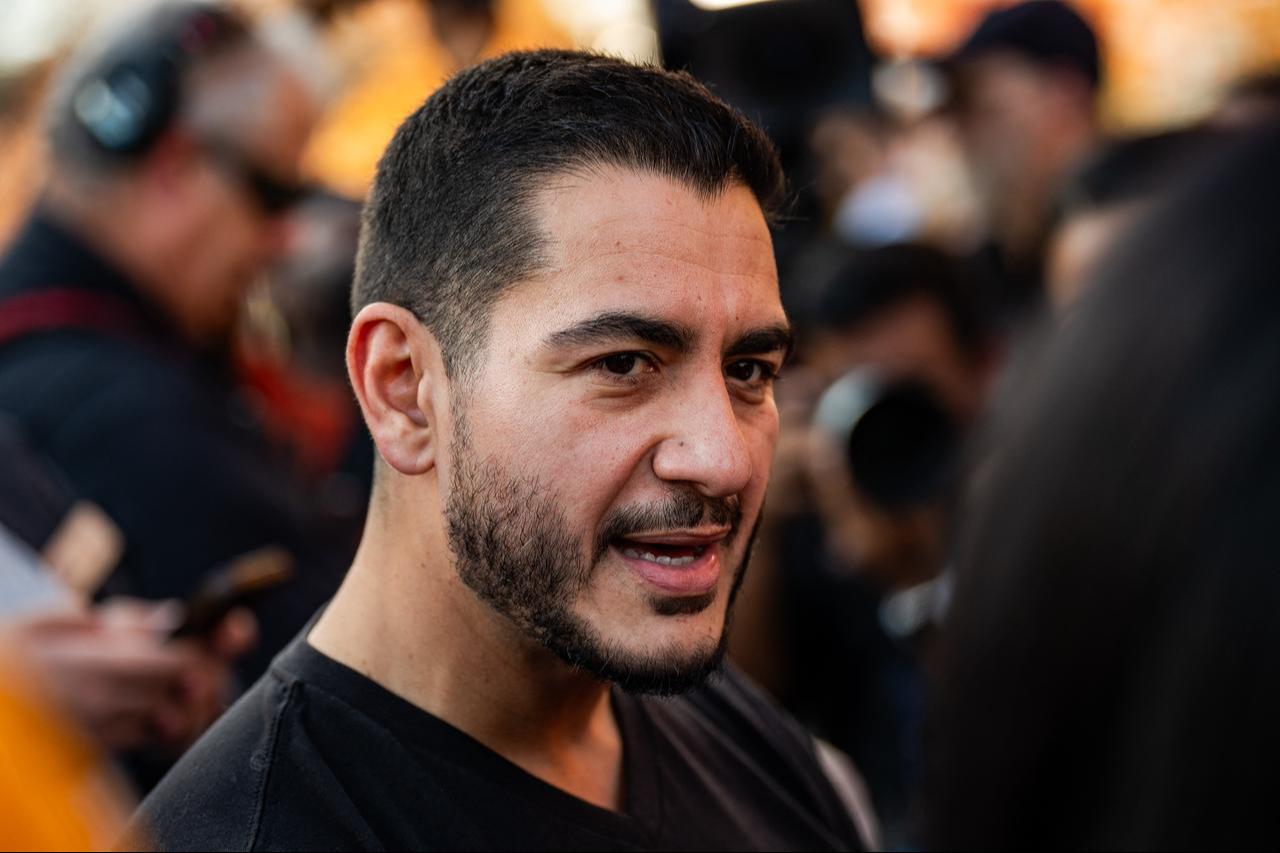

Born in Rochester Hills, Michigan, to Egyptian immigrant parents, El-Sayed graduated from the University of Michigan in 2007, earned a doctorate in public health at Oxford as a Rhodes Scholar in 2011 and a medical degree from Columbia University in 2014.
He became Detroit’s health director in 2015, rebuilding the city’s public health services after its financial crisis, then ran unsuccessfully for Michigan governor in 2018, losing the Democratic primary to Gretchen Whitmer.
He later led Wayne County’s Department of Health, Human and Veterans Services from 2023 to 2025.
He is the first Democratic doctor in the Senate since 1969.
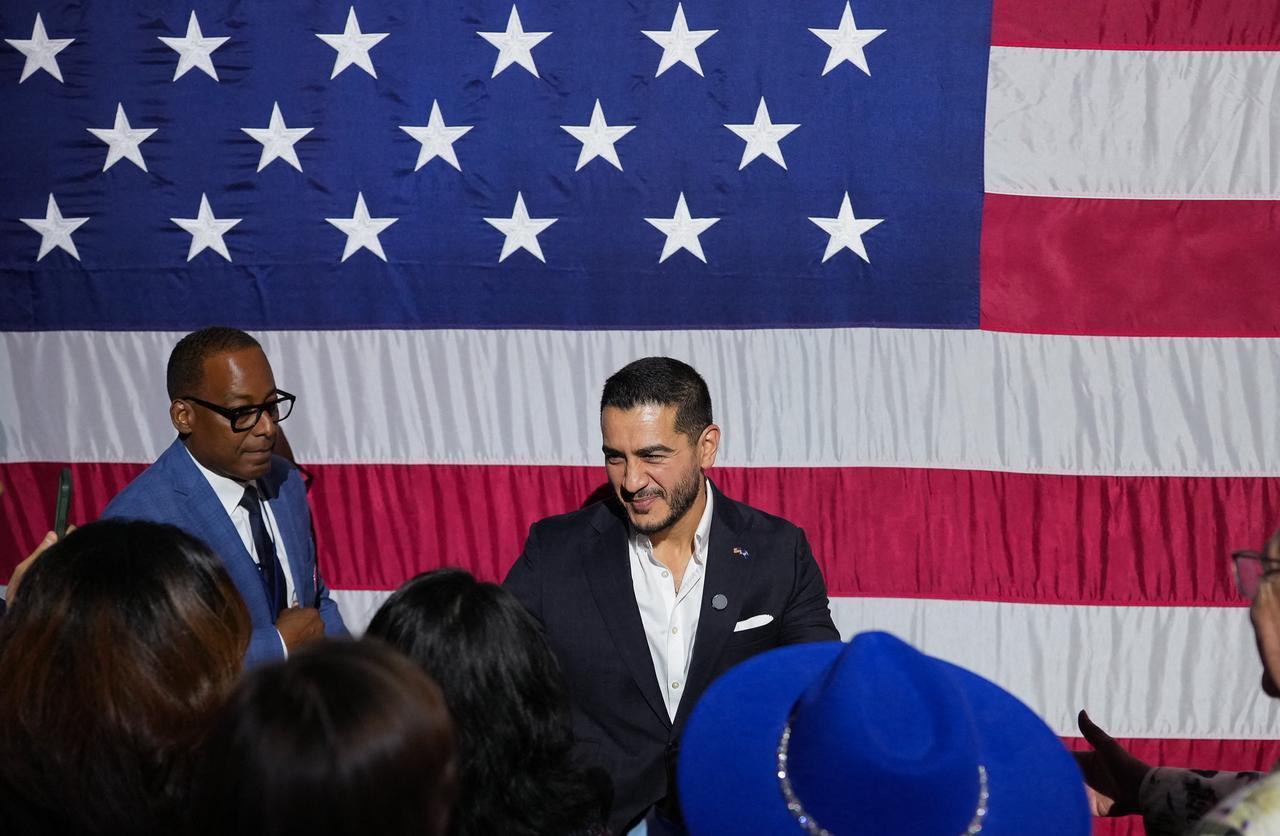
El-Sayed defeated Rep. Haley Stevens in the August Democratic primary with backing from Sen. Bernie Sanders, Rep. Alexandria Ocasio-Cortez and Rep. Rashida Tlaib.
He campaigned on Medicare for All, lower housing costs and getting "money out of politics." "You deserve to be able to see a doctor without getting a huge bill," he told voters on the eve of the election.
An outspoken critic of U.S. military support for Israel, El-Sayed has described Israel’s campaign in Gaza as genocide and called for an end to unconditional American military aid.
Two days before the vote, Stevens broke with her party to endorse Rogers, citing concerns over El-Sayed’s campaign rhetoric and associations.
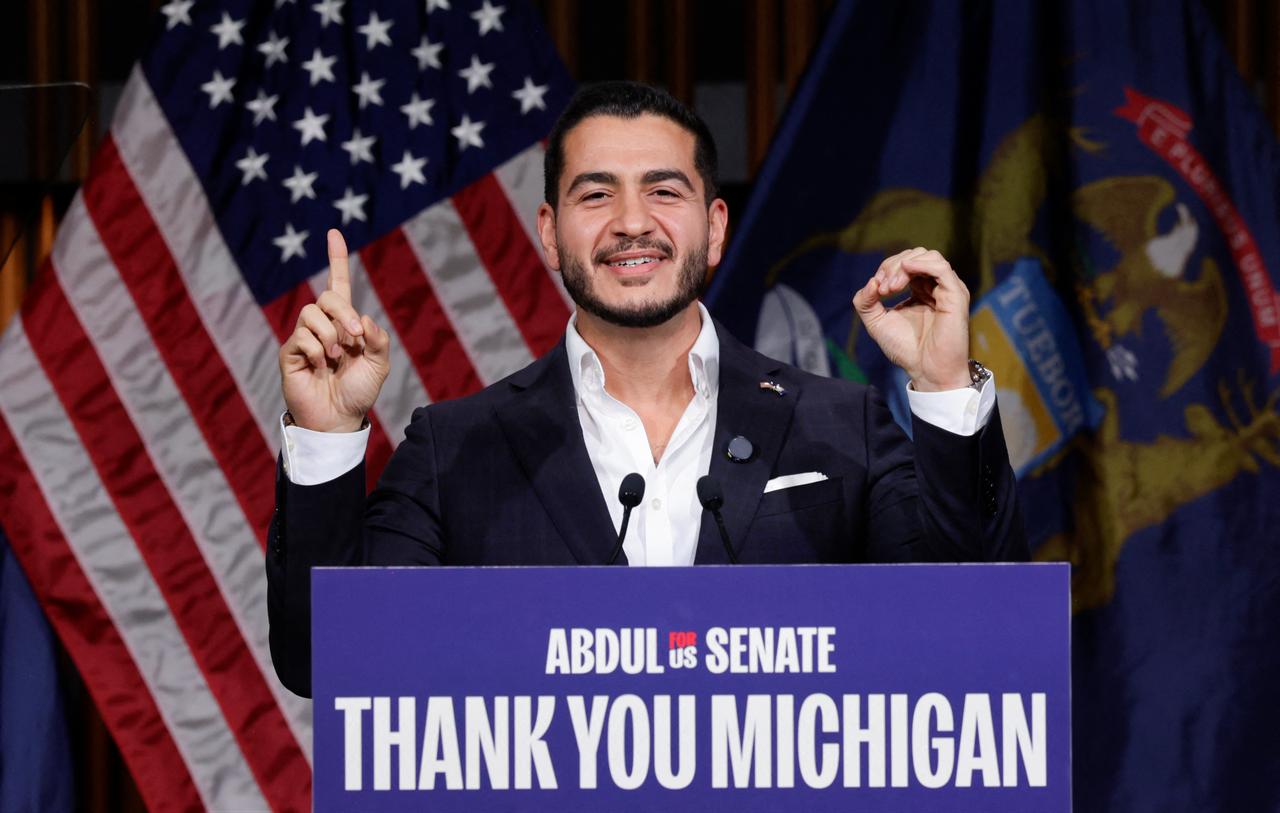
Trump and other Republicans repeatedly attacked El-Sayed over his faith and positions, with some branding him a danger to Americans. El-Sayed rejected allegations linking him to extremism and accused Trump of using his name and religion to divert attention from living costs.
"Donald, look, I know you struggled with my name," El-Sayed said in his victory speech. "So after JD swears me in in January, you can just go on and call me senator."
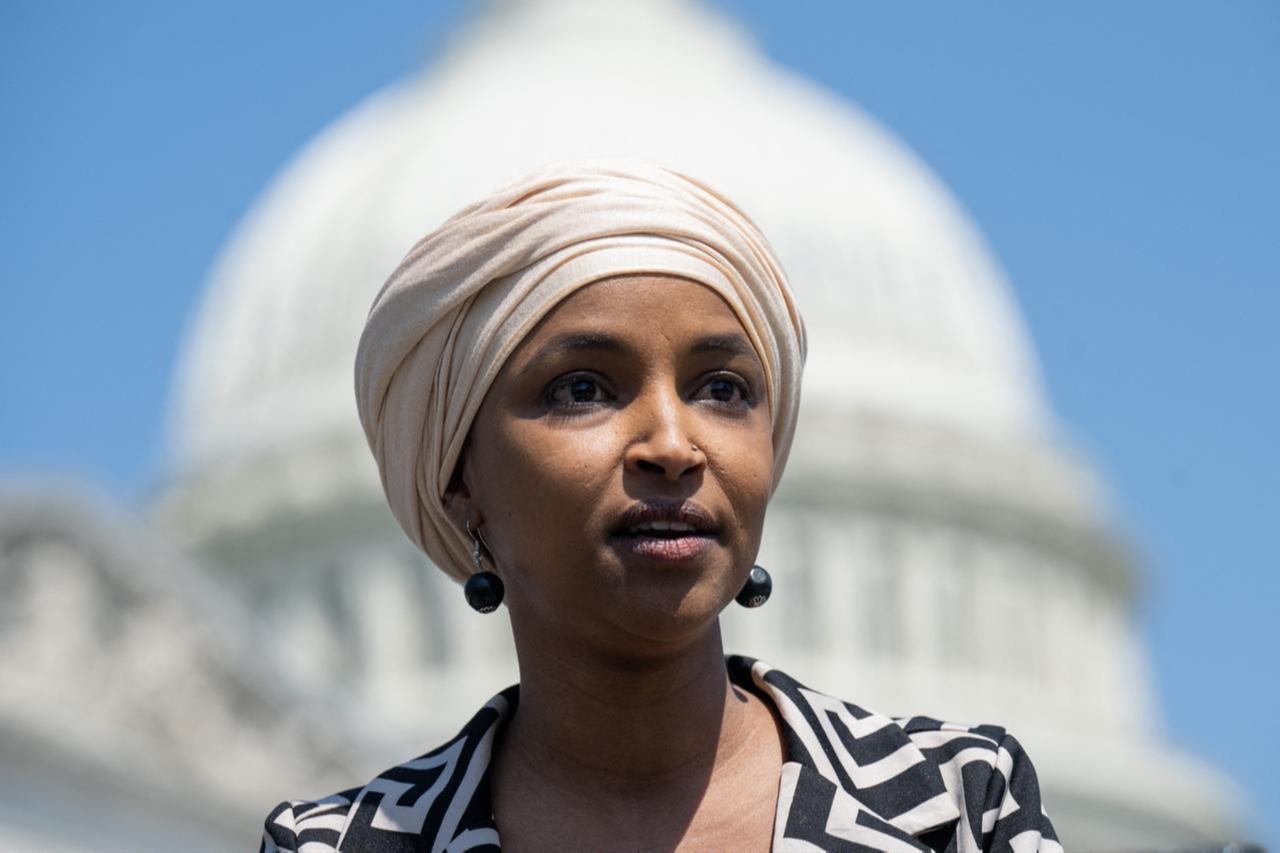
Muslim Americans have previously served in the House, beginning with Keith Ellison in 2006, while Tlaib and Ilhan Omar became the first Muslim women in Congress in 2018.
Abdul El-Sayed is the first to win a Senate seat.


 Set as preferred source
 Set as preferred source


 1 min read