Newsletters


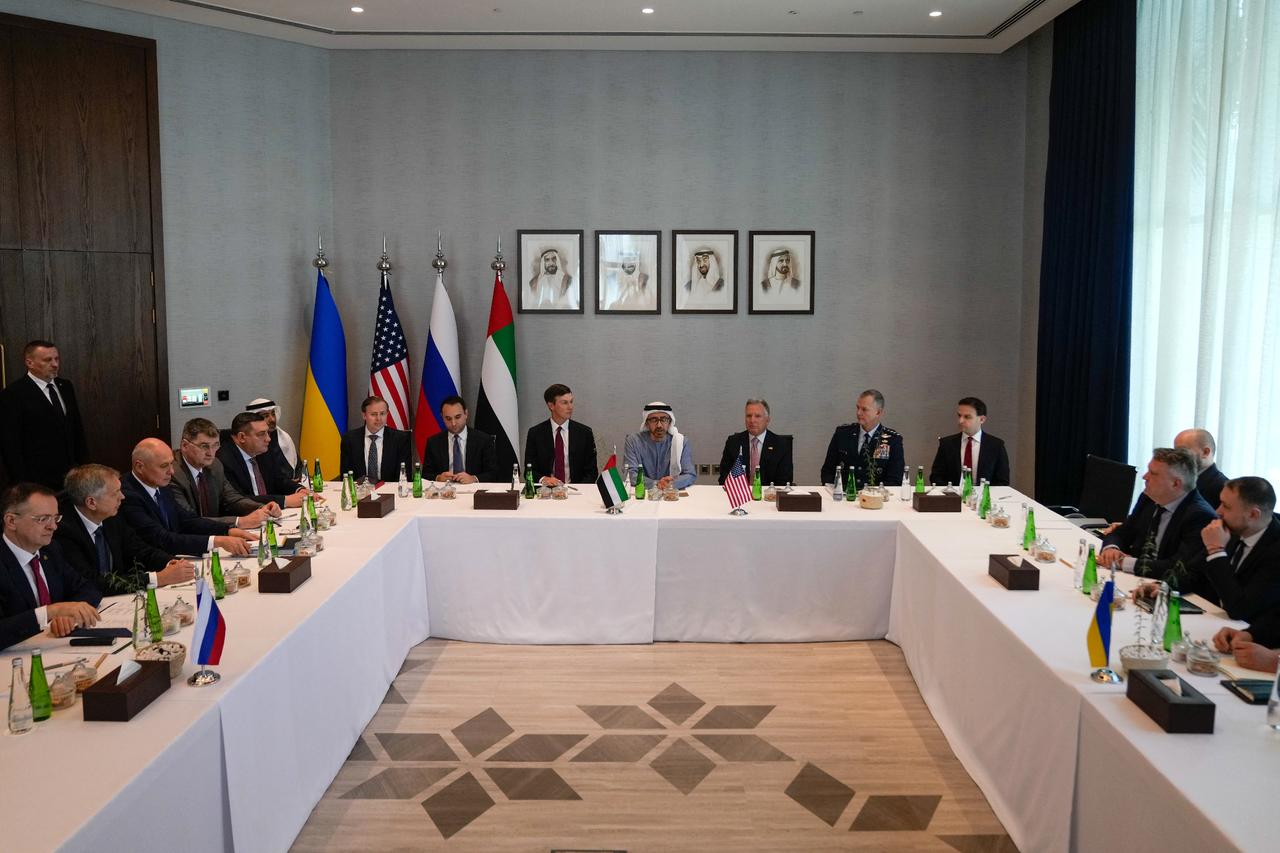


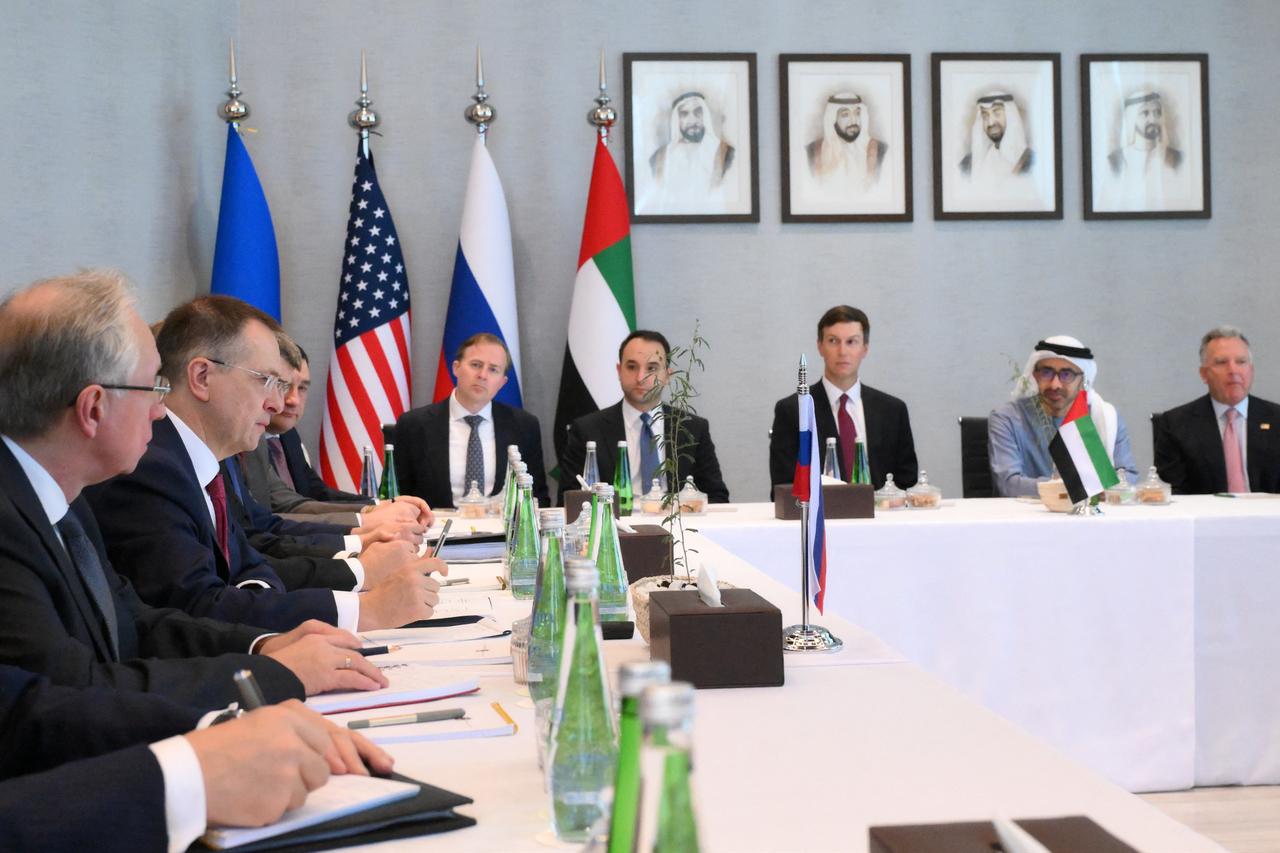
The first day of US-mediated talks between Russia and Ukraine in Abu Dhabi ended after about four and a half hours on Tuesday.
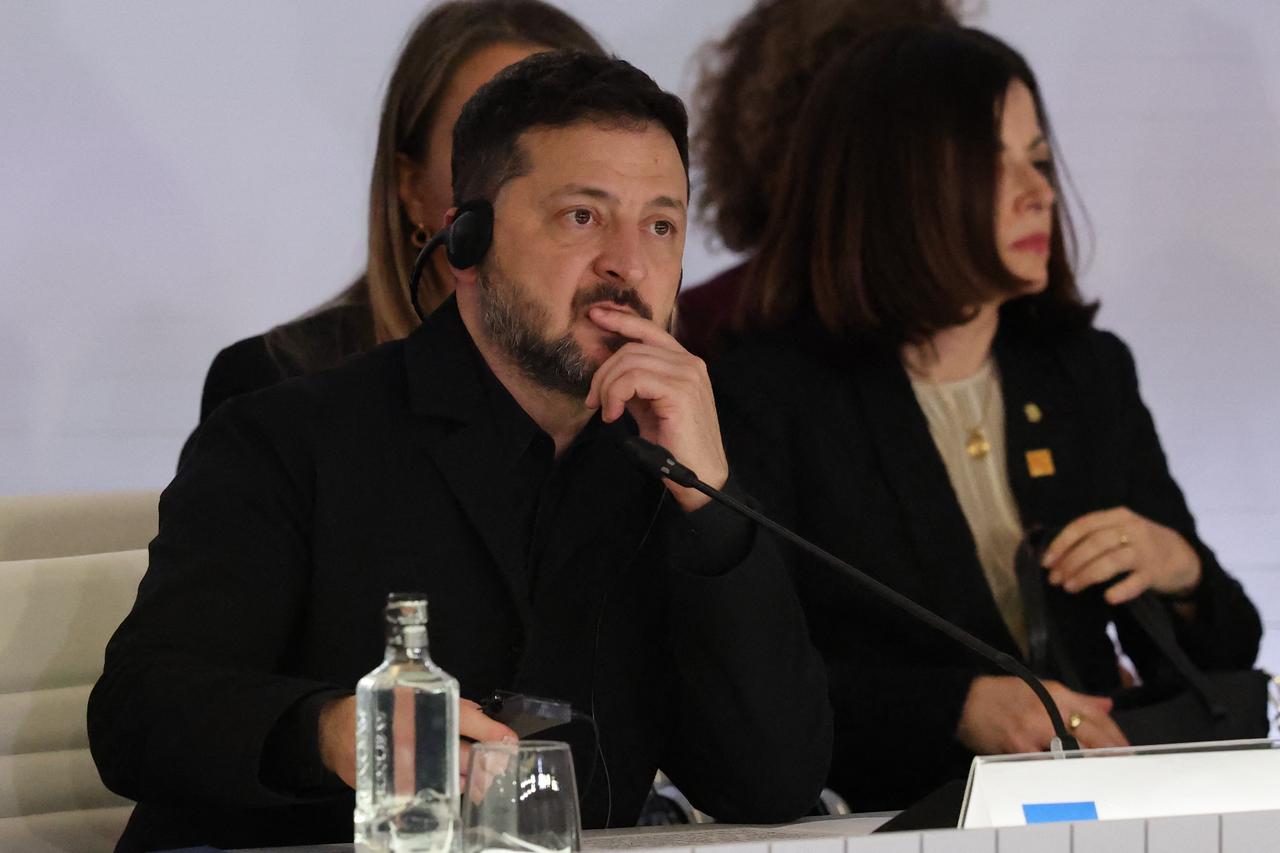
Ukrainian President Volodymyr Zelenskyy called the discussions “constructive and quite substantive,” while Russia’s foreign minister and America’s top diplomat gave sharply different accounts of what the negotiations are meant to achieve.
The talks are due to resume Wednesday morning, according to Ukraine’s state news agency Ukrinform, which cited the press service of Ukraine’s Foreign Intelligence Service.
Zelenskyy said in a post on X that negotiators had discussed security guarantees for Ukraine in detail, including how to keep them effective over the long term.
“Real tools are needed to block any recurrence of the war,” he wrote, adding that the need for de-escalation steps had also been raised.
He said the sides had considered humanitarian measures, and that the release of prisoners remained a “priority.”
Zelenskyy said he had given Ukraine’s delegation clear instructions for the trilateral format on Wednesday and for broader talks in the coming days involving envoys of US President Donald Trump and European representatives. He thanked the United States for organizing the negotiations and the United Arab Emirates for hosting them.
Russian Foreign Minister Sergey Lavrov said European officials who traveled to Abu Dhabi could stay out of the room.
“Let them sit there in the hotel,” he told a news conference in Moscow after a meeting of the Collective Security Treaty Organization, a Russia-led security grouping.
Lavrov said that, at the US side’s proposal and with Moscow’s agreement, the talks would address collective security in the region and guarantees that take effect only after a full settlement.
He contrasted this with the administration of former President Joe Biden, which he said “arrogantly refused” to discuss such guarantees.
He accused the European Union of using calls for an immediate ceasefire to give Kyiv time to rebuild its military, and said Moscow would not agree.
Lavrov also claimed that around a dozen EU countries had begun exercises in Poland simulating a deployment to Ukraine, with about 2,000 personnel taking part so far.
He said Moscow had no illusions about the Trump administration but that talking “is always better.”
Speaking to reporters at a G7 ministerial meeting in France, US Secretary of State Marco Rubio called the talks “very productive” but cautioned that a deal was not imminent.
“It’s not like something that’s on the verge of being solved in the next 24 hours,” he said.
Rubio said Washington wants eventually to “expand this trilateral” to include European allies directly.
He noted that European nations are already present in Abu Dhabi alongside US negotiators Jared Kushner and Steve Witkoff, which he said addresses concerns about Europe being sidelined.
Russian presidential envoy Vladimir Medinsky leads Moscow’s delegation, and Rustem Umerov, head of Ukraine’s Foreign Intelligence Service, leads Kyiv’s.
Russian media reported that the talks began at about 0815 GMT and included a 40-minute break roughly two hours in.
The session was the first trilateral round since talks in Geneva in February. Two earlier rounds were held in Abu Dhabi in January and February.
Rubio also addressed the Iran war, saying the US economic campaign was so damaging that Trump has “no need to conduct major combat operations” for now, though the military remains ready if Tehran crosses unspecified “red lines.”
He called Iranian demands, including reparations, “unrealistic” preconditions and said the US remains open to diplomacy.
On the Strait of Hormuz, Rubio said maritime transit has reached 80 percent to 85 percent of pre-conflict levels, with Iranian vessels the only tankers consistently halted. He criticized partners for offering forces only when no risk of conflict exists and said he raised the issue at the G7 but “didn’t get a response.”
He said Washington is “troubled by” Houthi strikes on Saudi Arabia and will keep honoring its binding defense agreements with Riyadh. Rubio also confirmed that the parties are working to organize a possible US, Russia and China meeting on nuclear issues, but did not say whether the others are open to discussing denuclearization.


 Set as preferred source
 Set as preferred source


 2 min read
 1 min read