Newsletters


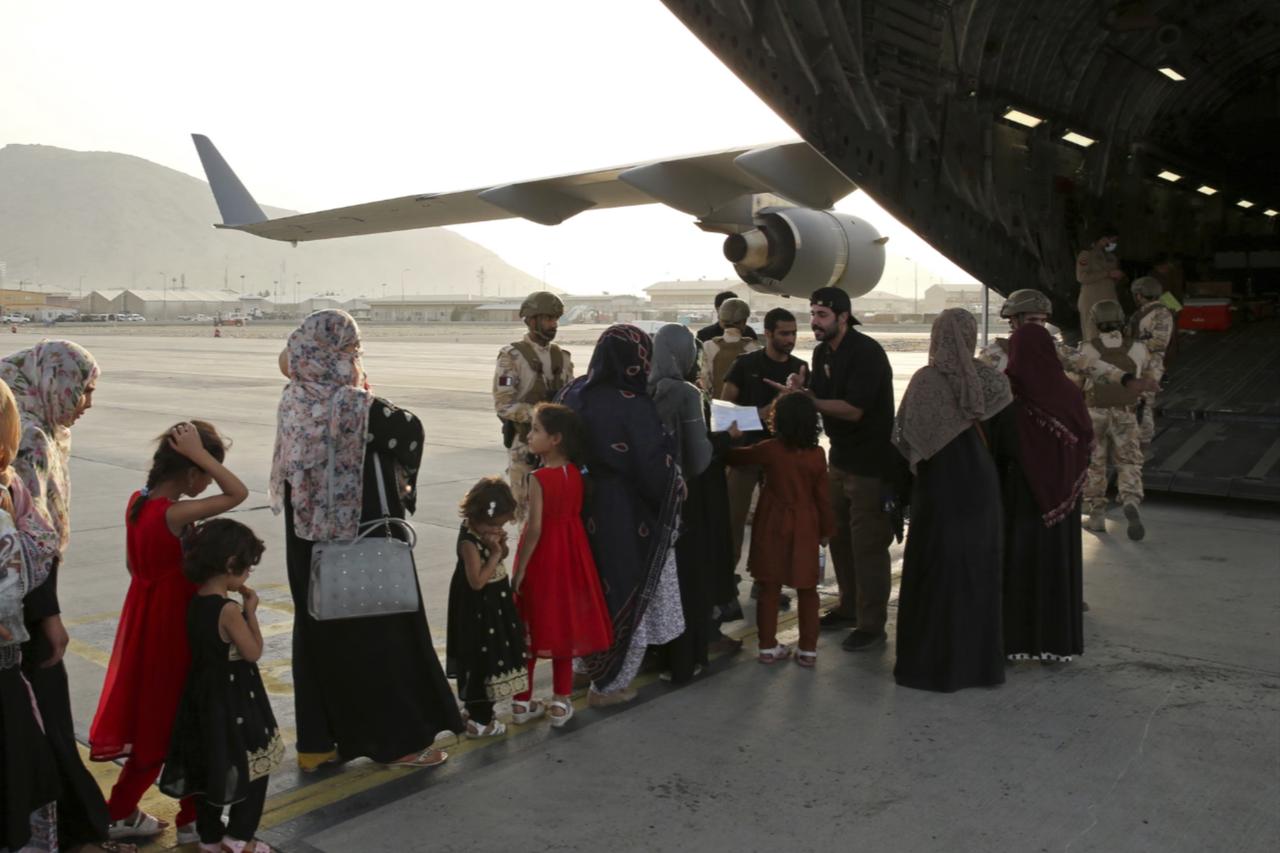


The United States is considering offering former Afghan allies stranded in Qatar a choice between resettlement in the Democratic Republic of Congo or returning to Taliban-controlled Afghanistan, according to an activist briefed on the plan.
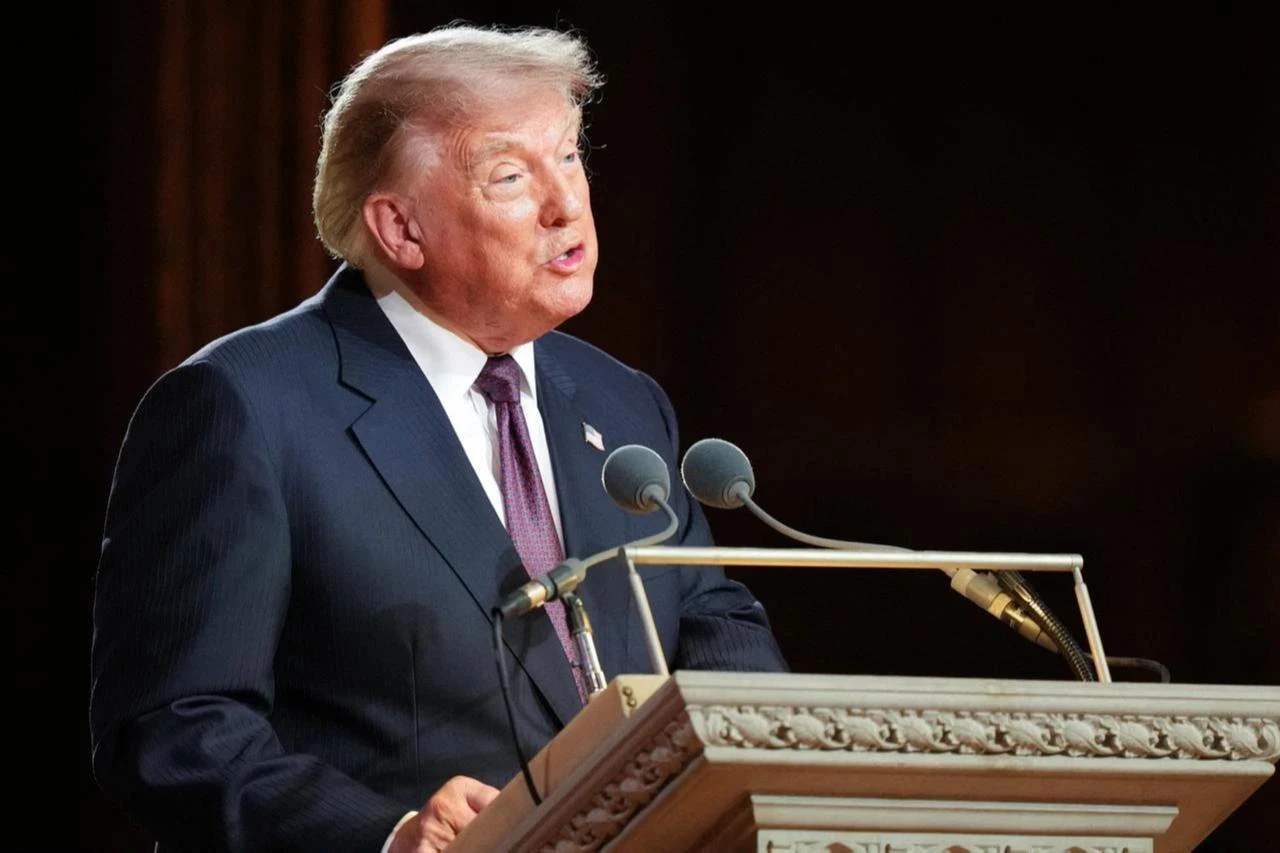
The proposal emerged under the administration of Donald Trump, which has made stricter immigration policies a central focus.
Afghan nationals affected by the plan had previously worked with U.S. forces during the two-decade conflict and were evacuated after the collapse of the Western-backed government in 2021, when the Taliban regained power.
Many of these individuals are currently housed at a former U.S. military base in Qatar, where they have been awaiting processing for potential relocation to the United States.
A March 31 deadline had been set to shut down the camp, leaving more than 1,100 people in uncertainty.
Shawn VanDiver, head of the advocacy group AfghanEvac, said he had been informed that U.S. authorities were exploring a plan to relocate them to the Democratic Republic of the Congo.
He suggested that most Afghans would likely turn down the option due to ongoing instability in the African nation, which is dealing with its own conflict-driven displacement crisis.
VanDiver strongly criticized the idea, stating, "You do not relocate vetted wartime allies, more than 400 of them children, from American custody into a country in the middle of its own collapse.” He further argued that the proposal could be intended to pressure Afghans into returning to Afghanistan.
U.S. officials have not confirmed Congo as a destination but said efforts are underway to arrange what they described as “voluntary resettlement” from the Qatari camp.
A State Department spokesperson framed relocation to a third country as a “positive resolution” that could provide safety while addressing U.S. security concerns.
However, the plan has faced political pushback. Senator Tim Kaine called the idea “insane,” emphasizing that the U.S. had committed to protecting Afghan partners after their cooperation during the war.
He warned that failing to honor such commitments could undermine future alliances tied to U.S. national security.
The current situation reflects a broader shift in U.S. refugee policy. While over 190,000 Afghans have already been resettled in the United States under a program launched by Joe Biden, the Trump administration has since scaled back refugee admissions and halted further Afghan processing.
The suspension followed a deadly incident in Washington involving an Afghan individual previously linked to U.S. intelligence, which officials cited as part of heightened security concerns.
As discussions continue, the fate of those still in Qatar remains unresolved, with uncertainty surrounding whether they will be relocated, allowed into the United States, or compelled to return to Afghanistan.


 Set as preferred source
 Set as preferred source


 4 min read