Newsletters




History has a way of coming back in new costumes. What once looked like the Monroe Doctrine is now reappearing as something sharper, louder and far more ideological: a U.S. push to reclaim the Western Hemisphere as its strategic backyard. The Isaac Accords are the latest expression of that shift—where foreign policy is no longer just about borders and trade, but about building a bloc of governments that think alike, vote alike and fight the same political battles.
The first Trump era set the stage with the Abraham Accords. While the fundamental conditions that birthed those agreements remain, a shifting global landscape and evolving American interests have diluted the singular focus on the Middle East.
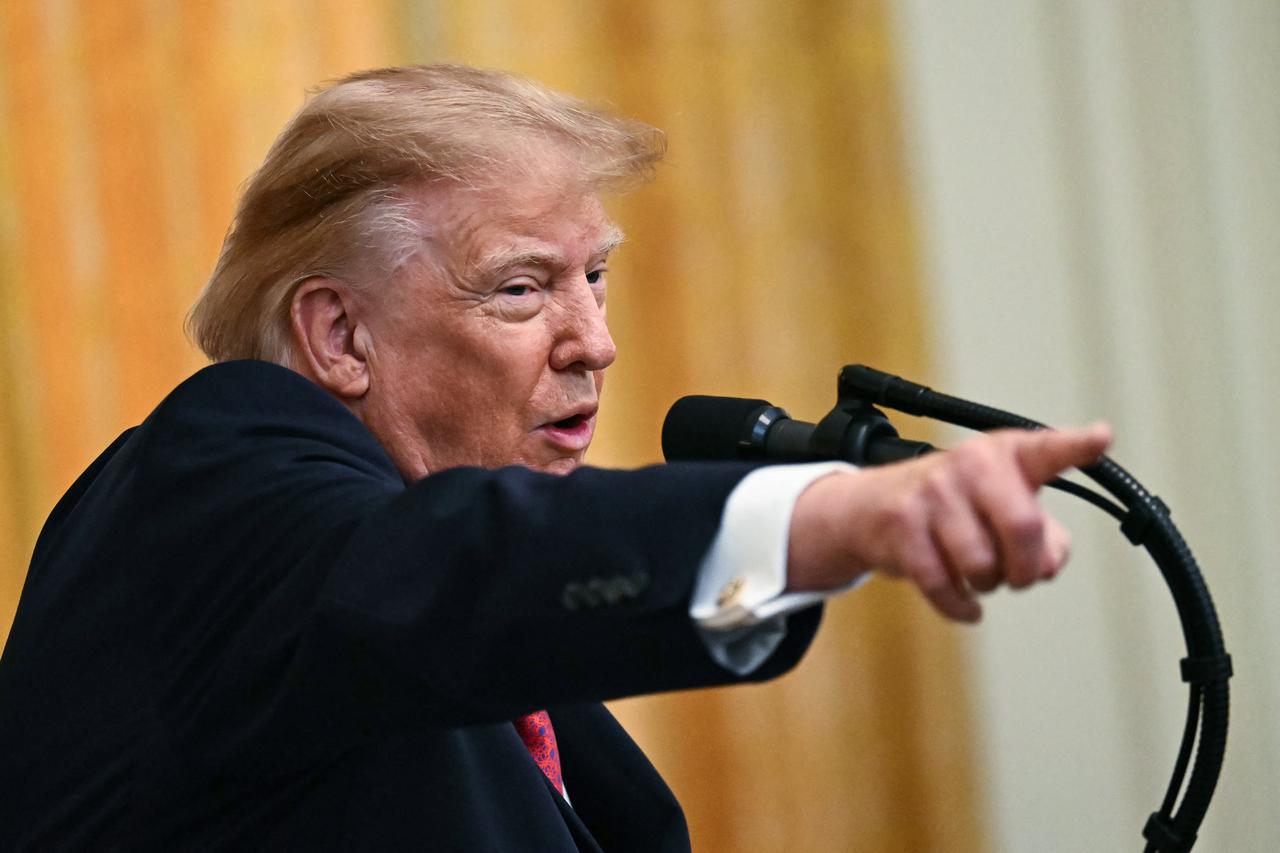
During his most recent campaign, Trump doubled down on his pledge to end "endless wars" and pull back from the Middle East. His sights are set elsewhere: re-establishing dominance in the Western Hemisphere to counter a rising China and its growing influence in America’s own backyard.
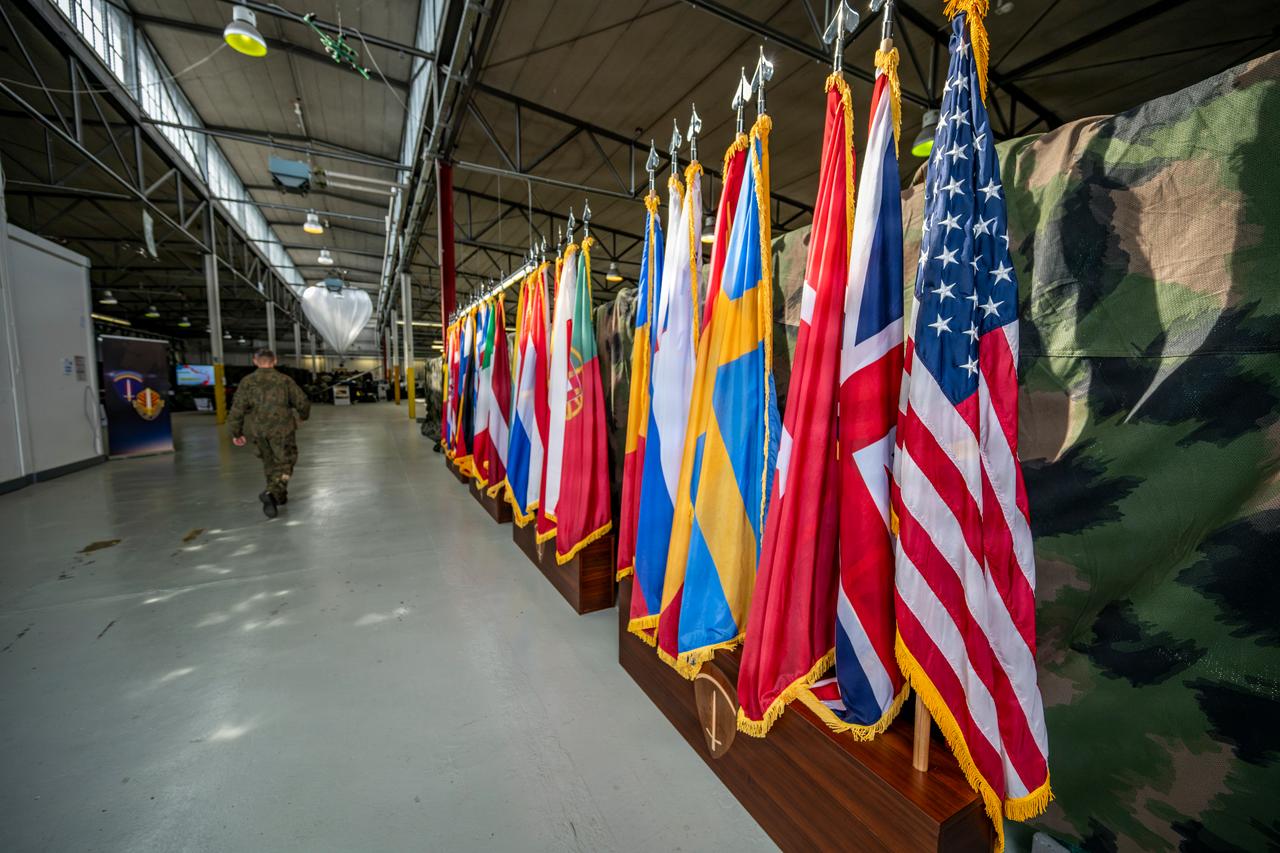
This recalibration is etched into policy documents like the National Security Strategy. Many observers see this as a 21st-century reboot of the Monroe Doctrine—now mockingly or admiringly dubbed the “Donroe Doctrine.”
This shift is not unfolding along traditional bipartisan lines. Instead, it closely reflects the foreign policy instincts associated with Donald Trump and the broader MAGA agenda. In practice, that has meant a more selective approach to Latin America, where ideological alignment increasingly determines the depth and tone of engagement.
Left-leaning governments in the region have faced open friction, while right-leaning administrations are treated as strategic partners. The approach goes beyond routine diplomacy, extending into visible political support and signaling during electoral processes, reinforcing a clear preference structure.
Israel’s trajectory has followed a comparable path. Through initiatives like the Abraham Accords and its outreach to conservative actors in Europe, Israeli policy has long emphasized cooperation with right-leaning governments, while criticizing liberal administrations over issues such as migration and cultural pluralism.
What is changing now is the geography of that strategy. As U.S. attention shifts more decisively toward the Western Hemisphere, Israel appears to be aligning itself with that same focus, adapting an existing pattern of ideological partnership to a new regional context.


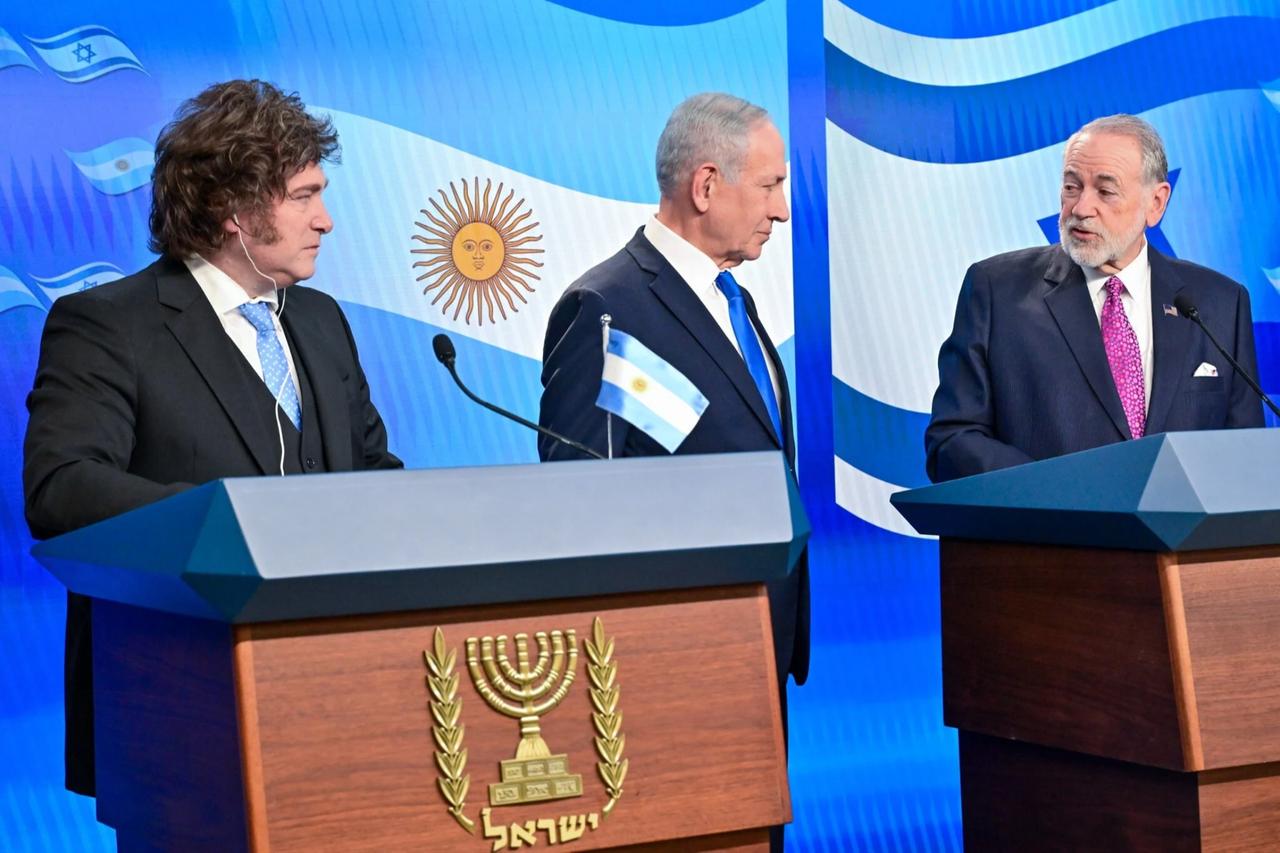
Argentina’s announcement of the “Isaac Accords” with Israel marks the emergence of a new strategic alignment in the Western Hemisphere, shaped mostly by ideological affinity with security and development benefits. The agreement, reached between Javier Milei and Benjamin Netanyahu, is presented as a framework for cooperation among “like-minded nations” committed to defending freedom and shared Judeo-Christian values.
The language and scope of the agreement reflect a deliberate effort to move beyond conventional bilateral diplomacy. Instead, the Isaac Accords position Argentina and Israel within a broader ideological coalition that links security cooperation with cultural and political identity.
In the near future, it is expected that other Latin American nations, especially those eager to jump on the Trump administration's diplomatic bandwagon, will sign onto the pact.
The emergence of the Isaac Accords coincides with a shift in U.S. foreign policy priorities toward the Western Hemisphere.
Under this framework, economic and diplomatic support is increasingly directed toward governments that align ideologically with Washington’s current administration. Argentina has become a central case, with substantial financial backing reinforcing its role as a model partner in the region. This support is not framed as bipartisan international assistance but as part of a targeted effort to reshape regional geopolitical dynamics.
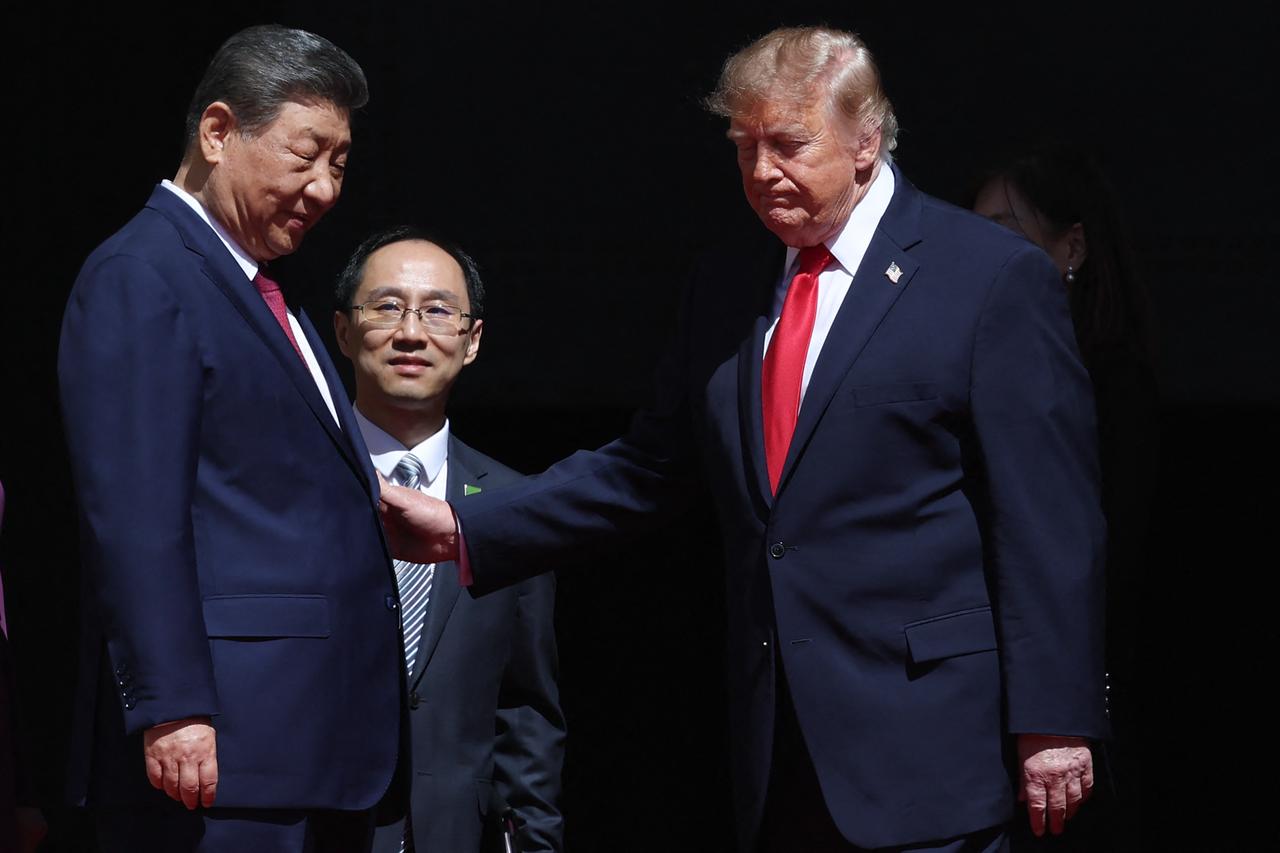
A key component of this strategy involves reducing the influence of China in Latin America, particularly in sectors such as critical minerals and energy infrastructure. These assets are being repositioned toward governments considered “reliable partners,” effectively creating a bloc defined by political and economic alignment.
Under this framework, and with Trump’s vocal backing, a U.S.-favored candidate took the presidency in Honduras. Left-wing administrations in Chile and Bolivia were ousted at the polls. Trump has hinted that Colombia is next on the list, while military options for Venezuela and Cuba remain a constant part of the conversation.
Israel’s participation in the Isaac Accords is a natural evolution of its global hunt for right-wing allies, specifically by capitalizing on the opening created by America’s heavy-handed pivot back to the Western Hemisphere. This mirrors the pragmatic-yet-ideological narrative of the Abraham Accords.
In Europe, Israel has developed close relations with conservative and far-right movements, often positioning itself in opposition to liberal governments on issues such as migration and multiculturalism. The Isaac Accords extend this strategy into Latin America, where ideological alignment is increasingly shaping diplomatic partnerships.
Rather than relying on traditional multilateral institutions, Israeli leadership has often framed organizations such as the United Nations and international courts as politically biased. In response, it has sought to build alternative networks of cooperation grounded in shared ideological perspectives, effectively bypassing established diplomatic channels.
Beyond security and diplomacy, the Isaac Accords emphasize technological cooperation as a cornerstone of the partnership. Argentina’s ambition to position itself as a regional hub for artificial intelligence aligns with Israel’s reputation as a global brand in innovation.
By positioning Israel as a vital partner for Argentina’s human capital and regional AI ambitions, the Accords seek to institutionalize bilateral ties through commercial agreements—such as those involving the controversial water tech giant Mekorot, which is currently active in Argentina—that critics argue bypass international legal obligations.
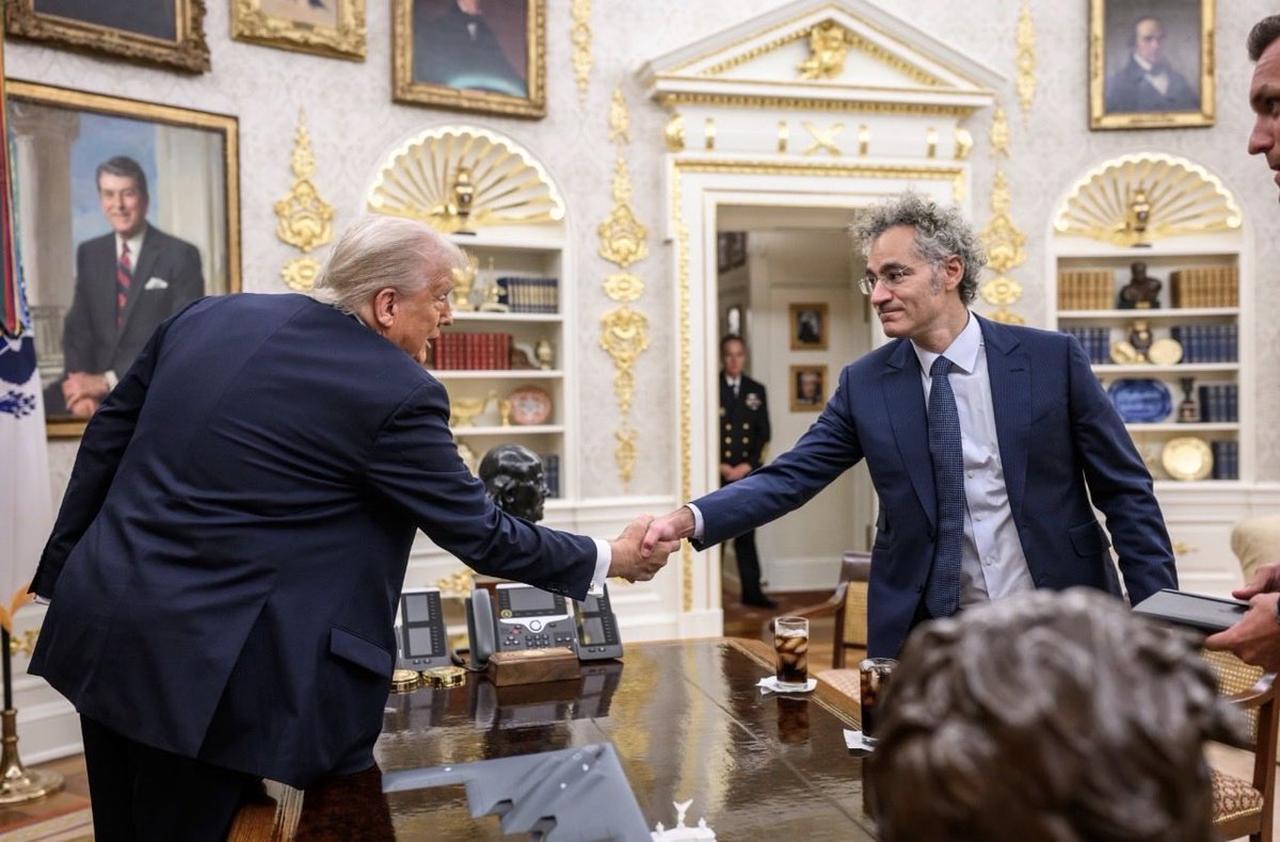
However, this isn't just business; it’s an identity. It’s the synthesis of "tradition and modernity," on the basis of Judeo-Christian values. This fits the exact profile of the "strong state that guards tradition while maintaining technological supremacy," a vision advocated by figures like Palantir’s founders in the MAGA camp and articulated by Israeli theorist Yoram Hazony.

The Isaac Accords can be understood as the convergence point between evolving U.S. regional strategy and a broader transnational alignment among right-leaning governments. In this context, ideological compatibility functions as a “force multiplier,” shaping not only security cooperation but also economic and diplomatic relations.
Israel’s engagement with Latin America, particularly with Argentina, serves to complement U.S. influence in the region, filling gaps in areas such as intelligence, defense technology, and strategic coordination. This dynamic reinforces a networked approach to foreign policy that extends beyond formal alliances.
At the same time, the initiative positions its participants against criticism from left-leaning governments in the region, including Brazil and Colombia. Accusations related to human rights and military conduct are reframed within a narrative of ideological confrontation, with participating governments portraying themselves as targets of a broader political challenge.
In fact, there is also a push to support a right-wing resurgence in major economies like Brazil, at least on the rhetorical level, by means of the newly declared Accords. Last January, even before the platform was official, Brazilian Senator Flavio Bolsonaro declared that his country would join the Isaac Accords the moment the Brazilian people handed him to power.
In this sense, the Isaac Accords represent more than a bilateral agreement. They signal the institutionalization of a geopolitical alignment that blends security, ideology, and economic strategy—reshaping how partnerships are formed and sustained in an increasingly polarized international environment.


 Set as preferred source
 Set as preferred source


 2 min read
 1 min read