Newsletters


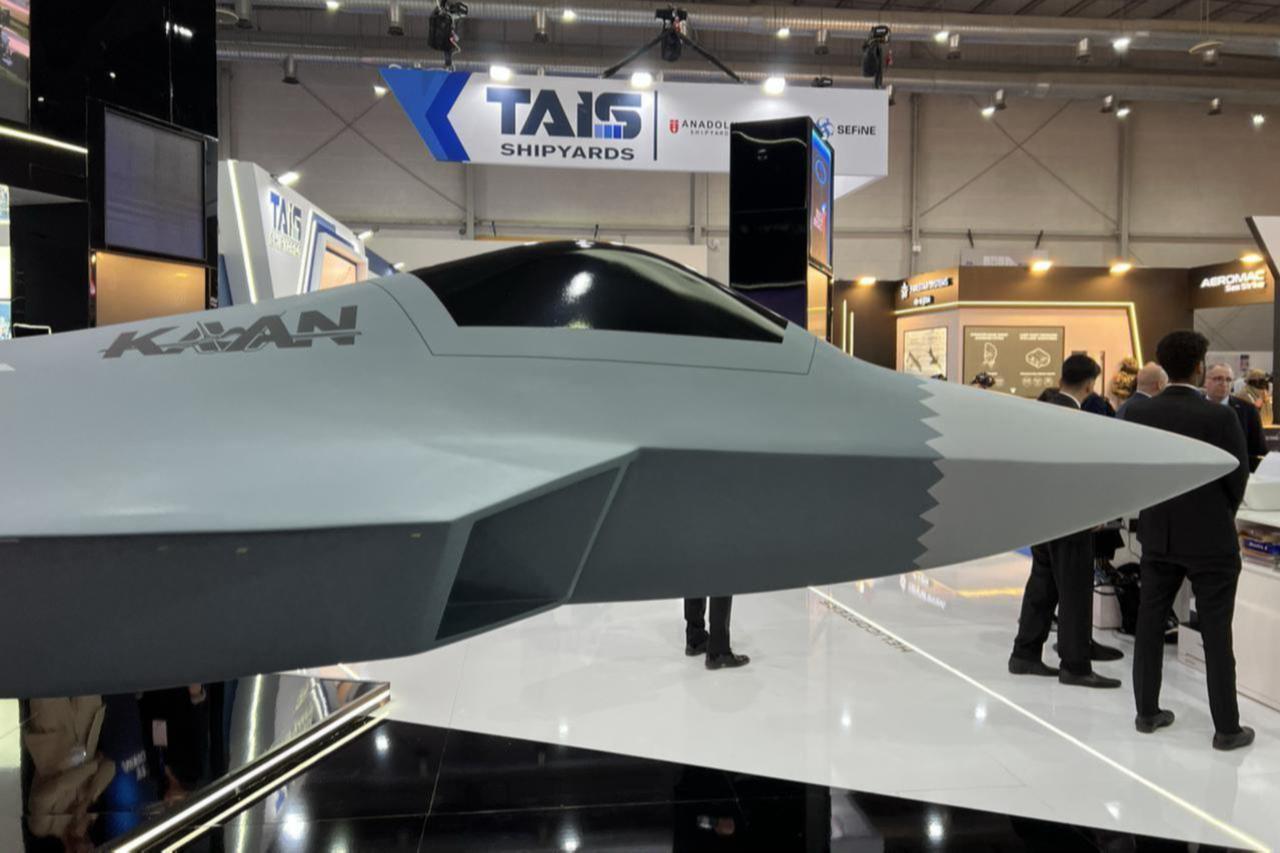


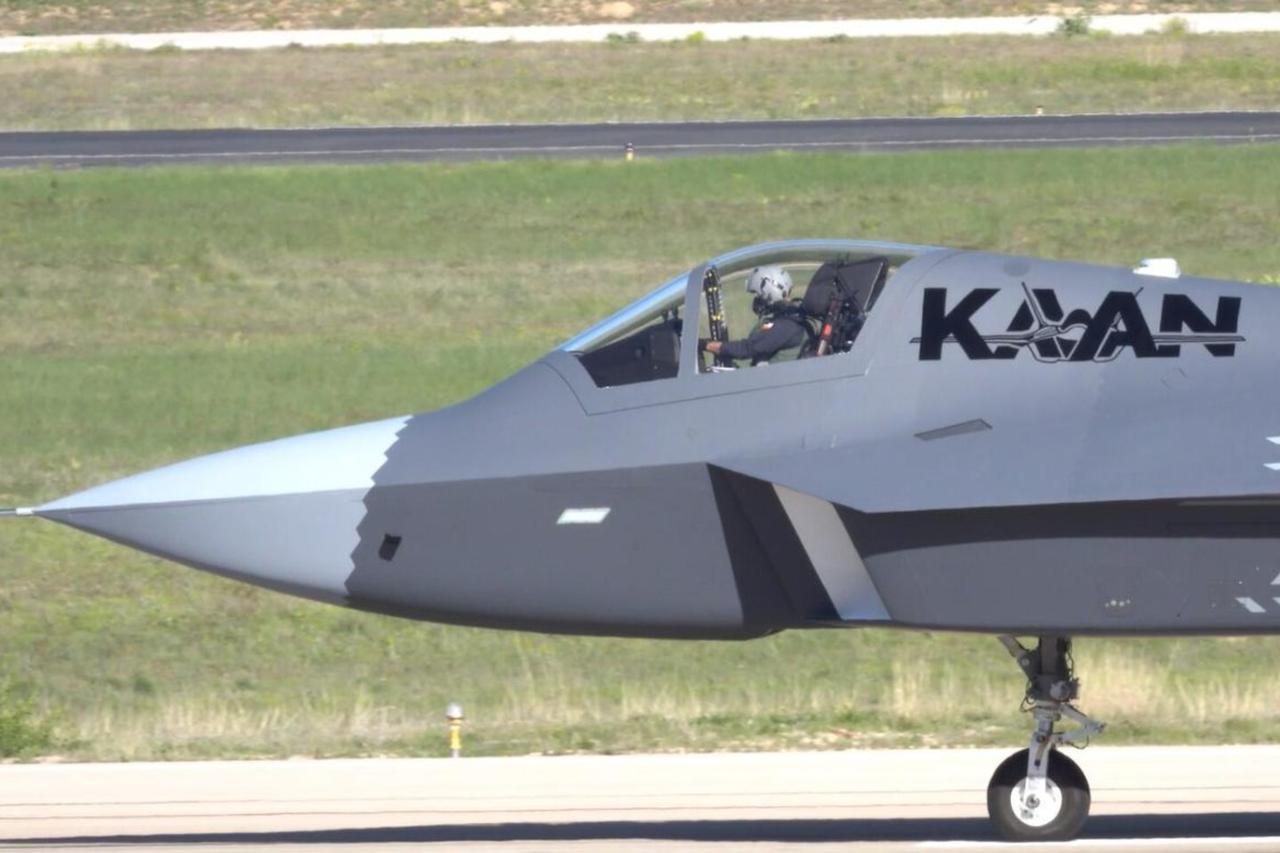
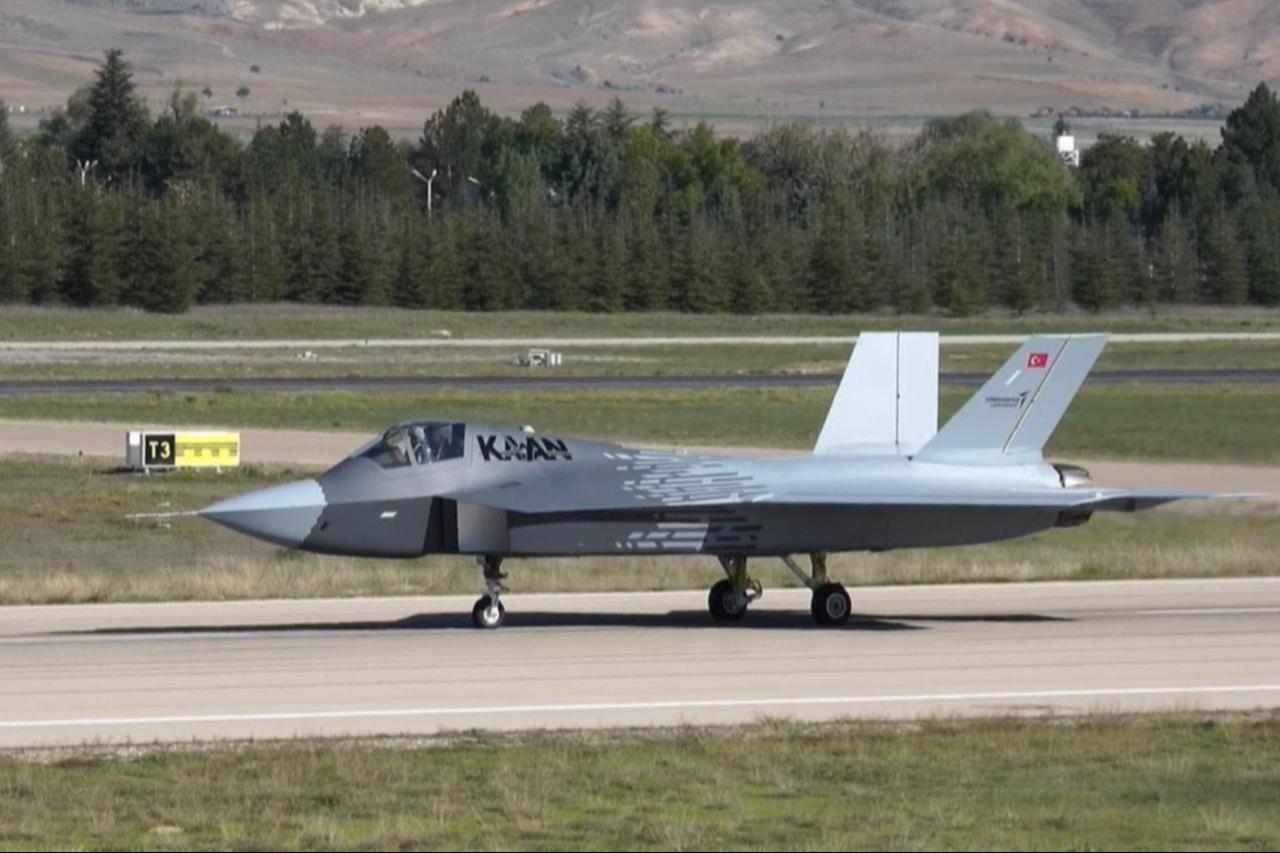
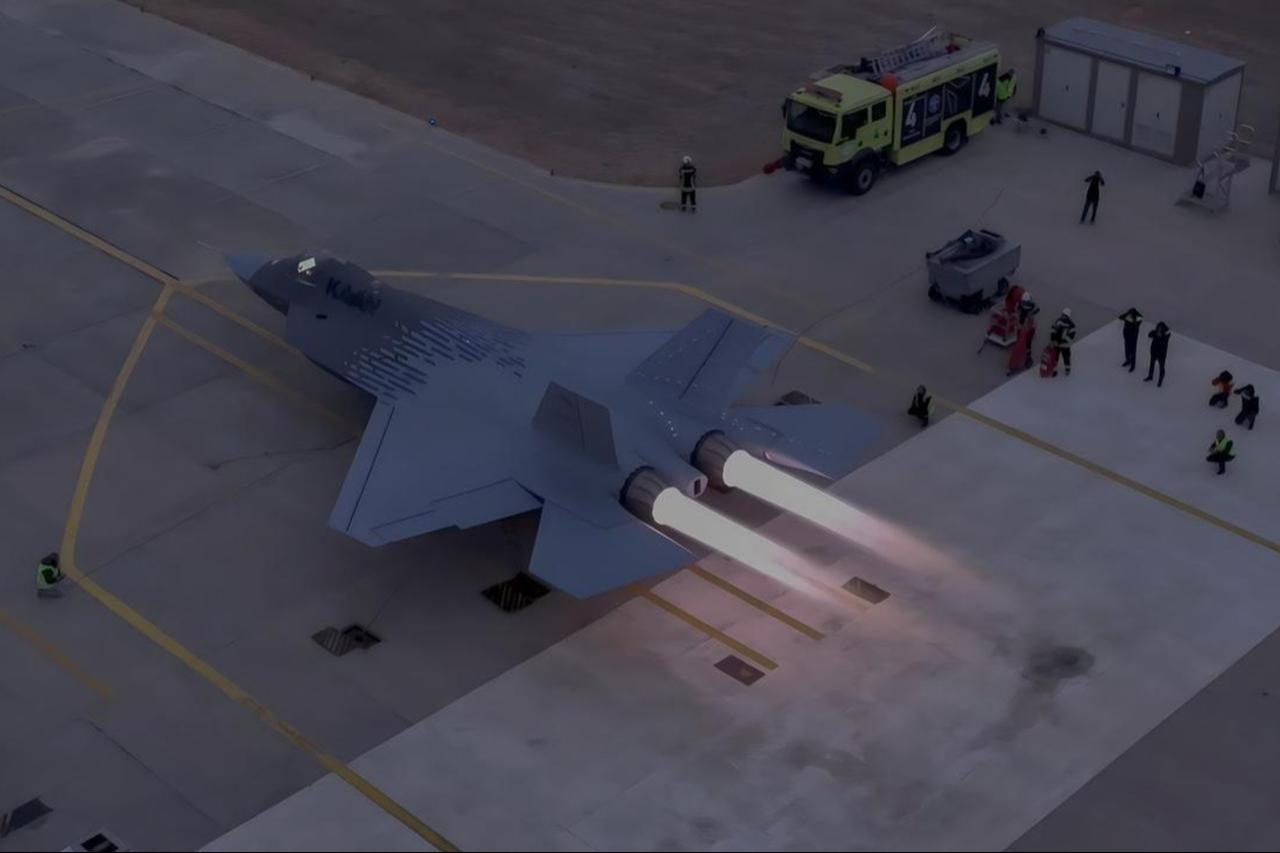
The American Hellenic Institute (AHI) urged U.S. President Donald Trump to block the proposed sale of GE Aerospace F110 fighter engines to Türkiye for its KAAN fighter jet program and to prevent any process that could allow Ankara to acquire F-35 aircraft, according to a letter published on the AHI website.
The letter, dated June 26, 2026, was sent by AHI President and CEO Nick Larigakis to Trump. It called on the U.S. administration to halt the proposed defense sale, respect Congress's constitutional oversight role, and ensure that Türkiye does not obtain F-35 fighter jets unless it fully meets the legal and national security requirements set under U.S. law.
The letter was also shared with Defense Secretary Pete Hegseth, Secretary of State Marco Rubio, Deputy Assistant Secretary of State for European and Eurasian Affairs Daniel Lawton, and the U.S. Congress.
The proposed sale is valued at more than $700 million and involves GE Aerospace F110 engines intended for Türkiye's KAAN fifth-generation fighter program, according to the reports.
AHI also voiced concern over reports that the Trump administration is reviewing a possible legal path that could eventually allow Türkiye to obtain F-35 fighter aircraft.

AHI linked the proposed F110 engine sale to Türkiye's acquisition of the Russian S-400 air defense system and Ankara's removal from the F-35 program.
Larigakis reminded Trump that his first administration imposed sanctions on Türkiye's Presidency of Defense Industries, or SSB, under the Countering America's Adversaries Through Sanctions Act, or CAATSA, after Ankara acquired the S-400 system.
"Your administration reached the correct conclusion in 2020, and we respectfully urge you to remain consistent with that position," the letter said.
AHI argued that none of the circumstances that led to the sanctions have changed, saying Türkiye still possesses the Russian system and that the national security concerns behind the sanctions remain unresolved.
The institute warned that pursuing policies that could undermine the sanctions would also weaken the legal framework under which they were imposed.
AHI also raised concerns over Congress's role in the process. According to the letter, although the administration has formally notified Congress of the proposed sale, reports indicate that the process is moving forward despite objections from congressional leaders and without fully following the longstanding consultation procedure that traditionally governs major U.S. arms sales.
The letter said Congress's constitutional oversight responsibilities are an essential safeguard in U.S. foreign and national security policy and must be fully respected.
Four Greek-American members of Congress also expressed concern over reports of the proposed military sale of fighter jet engines to Türkiye, warning that Ankara's conduct threatens stability in the Eastern Mediterranean and key U.S. allies, according to APE.
Representatives Gus Bilirakis, Nicole Malliotakis, Mike Haridopolos, and Jimmy Patronis said in a joint statement that they were in active contact with the U.S. administration and House leadership to obtain more information about the reported sale.
They also said they were expressing strong opposition to any possible return of Türkiye to the F-35 program without full compliance with CAATSA requirements.
Their intervention came after Congress received formal notification from the Trump administration of its intention to approve the engine sale to Türkiye.
The lawmakers said they were monitoring the reports with deep concern as Greek-American members of Congress and argued that Türkiye continues to be a destabilizing force in the region.
They said the Eastern Mediterranean has significant potential to become a center of trade opportunities, energy cooperation, and regional security, adding that they had supported that effort through legislative initiatives and other interventions.
However, they warned that Türkiye's rhetoric and actions increasingly threaten key U.S. allies and put those efforts and regional stability at risk.
The lawmakers also referred to Türkiye's sheltering of Hamas and said Ankara remains the only NATO member that refuses to impose sanctions on Russia, describing those issues as deeply troubling.
Their statement highlighted the congressional objections triggered by the possibility of further defense engagement with Türkiye, while issues linked to the S-400 system, CAATSA sanctions and Ankara's possible return to the F-35 program remain unresolved.
In its own letter, AHI argued that Türkiye's conduct over many years shows that it cannot be regarded as a reliable NATO ally.
The institute cited Ankara's defense relationship with Russia and its position toward destabilizing actors in the Middle East, including Hamas.
The American Hellenic Institute contrasted Türkiye's conduct with Washington's strategic ties with Greece and other democratic allies in the Eastern Mediterranean.
It argued that those relationships have benefited the U.S. and should continue to be strengthened at a time of growing geopolitical uncertainty.
AHI concluded by urging the Trump administration to reverse its current policy direction toward Türkiye, uphold the rule of law, respect Congress's oversight role, halt the proposed F110 engine sale, and prevent any acquisition of F-35 aircraft by Ankara unless all conditions imposed under U.S. law are fully met.
The American Hellenic Institute is an advocacy organization and policy center founded in 1974 that promotes U.S. interests in foreign affairs involving Greece, the Eastern Mediterranean, and Southern Europe.


 Set as preferred source
 Set as preferred source


 2 min read
 1 min read