Newsletters


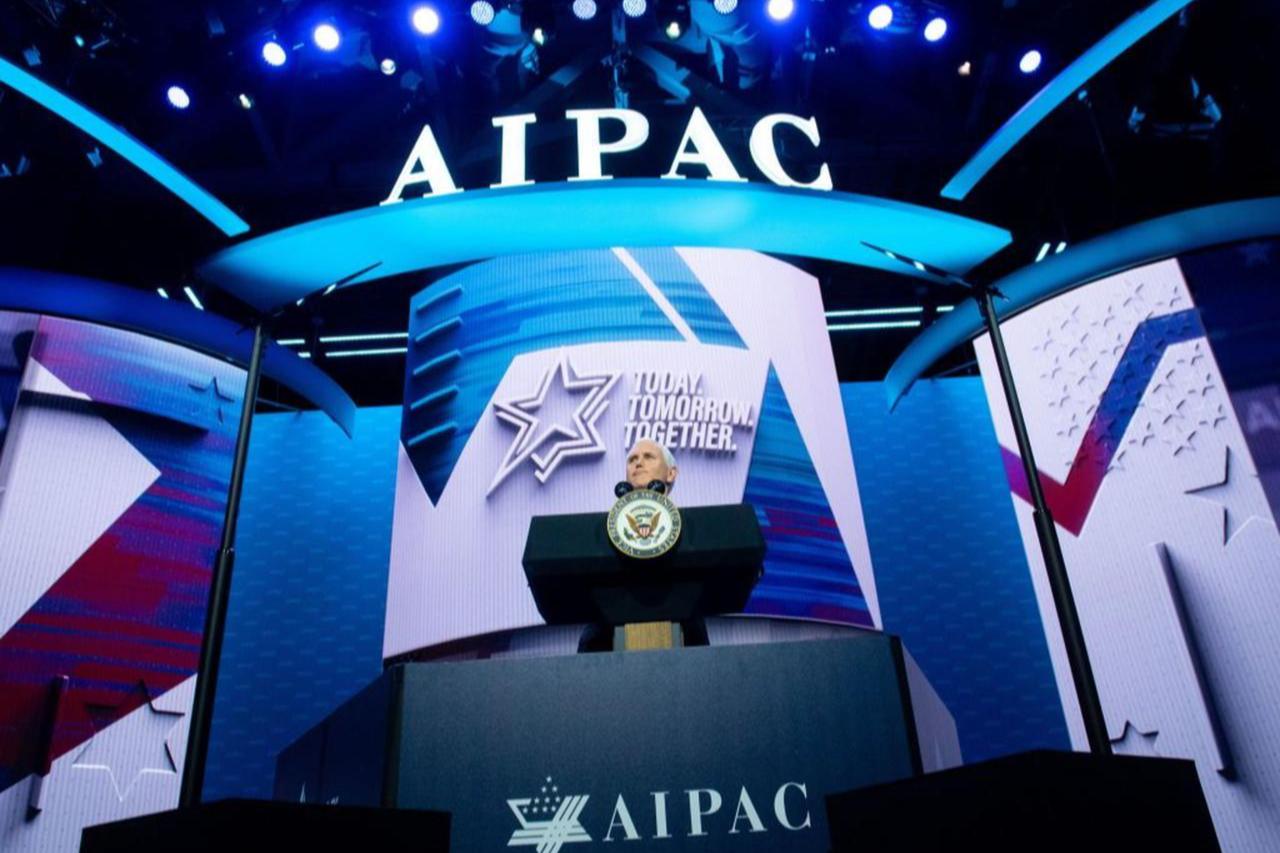


For years, an AIPAC logo at the bottom of a campaign flyer was something a candidate wanted printed; it was basically a badge. This fall, it was something an opponent wanted printed, because "AIPAC money" had become the most dependable attack line in a Democratic primary.
Among the evidence: many senators denying the amount of money their campaigns received.
Now AIPAC is peeling the sticker off. After a months-long strategic review, its board announced an immediate and permanent policy change: no more formal candidate endorsements, no direct PAC contributions, and no earmarked donations through its portal.
The United Democracy Project, its super PAC, stays. The letter says the goal is to expand individual giving and adopt new fundraising tools.
The headlines will call it a retreat. Dion Nissenbaum, a former Wall Street Journal Middle East correspondent and the filmmaker behind the new documentary "Night Flower: Inside AIPAC's Fight for Influence," tells Türkiye Today otherwise. "This is a shift in strategy, not a retreat."
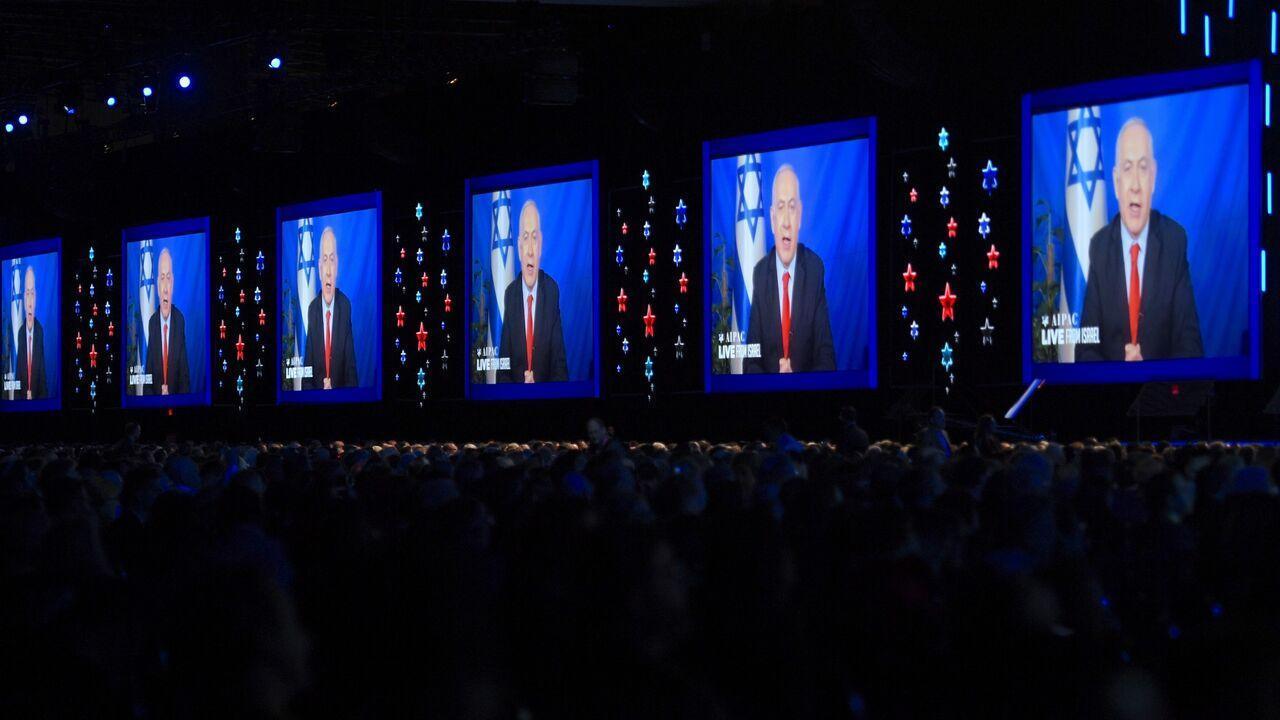

Why now? Nissenbaum reads the move as an admission. "This seems to be a recognition from AIPAC that its campaign strategy has backfired and that its aggressive political operation, as well as the Israeli government’s actions, have transformed the group into a toxic brand for many voters. This seems to be the first effort by the group to recalibrate and address how unpopular AIPAC and Israel have become with American voters, both Democrat and Republican."
The numbers back him. A Pew Research Center survey this year found 80% of Democrats and Democratic-leaning independents view Israel unfavorably, up from 53% in 2022.
Sen. Cory Booker, who was still accepting bundled donations from AIPAC as recently as last December, mentioned that he has completely cut ties with the organization's financial support, along with contributions from other PACs. Sen. Ruben Gallego also announced in the first half of the year that he is stepping away from accepting any future contributions.
A natural candidate for the 2028 presidential ticket, California Gov. Gavin Newsom said that he has not accepted funds from the group in the past and has no intention of doing so in the future. Representatives for Kentucky Gov. Andy Beshear and Pennsylvania Gov. Josh Shapiro expressed identical positions.
Recently in Michigan, the organization’s super PAC spent more than $30 million backing Rep. Haley Stevens, who still lost the Senate primary to Abdul El-Sayed, and El-Sayed made AIPAC a standing line in his stump speech.
The damage ran both ways across the aisle, not only with Democrats. Nissenbaum says: "In this cycle, voters appeared to be repulsed by AIPAC's involvement in key races, so the group had to hide its work. In Michigan, it was reported that Republican Mike Rogers asked the group NOT to get involved."
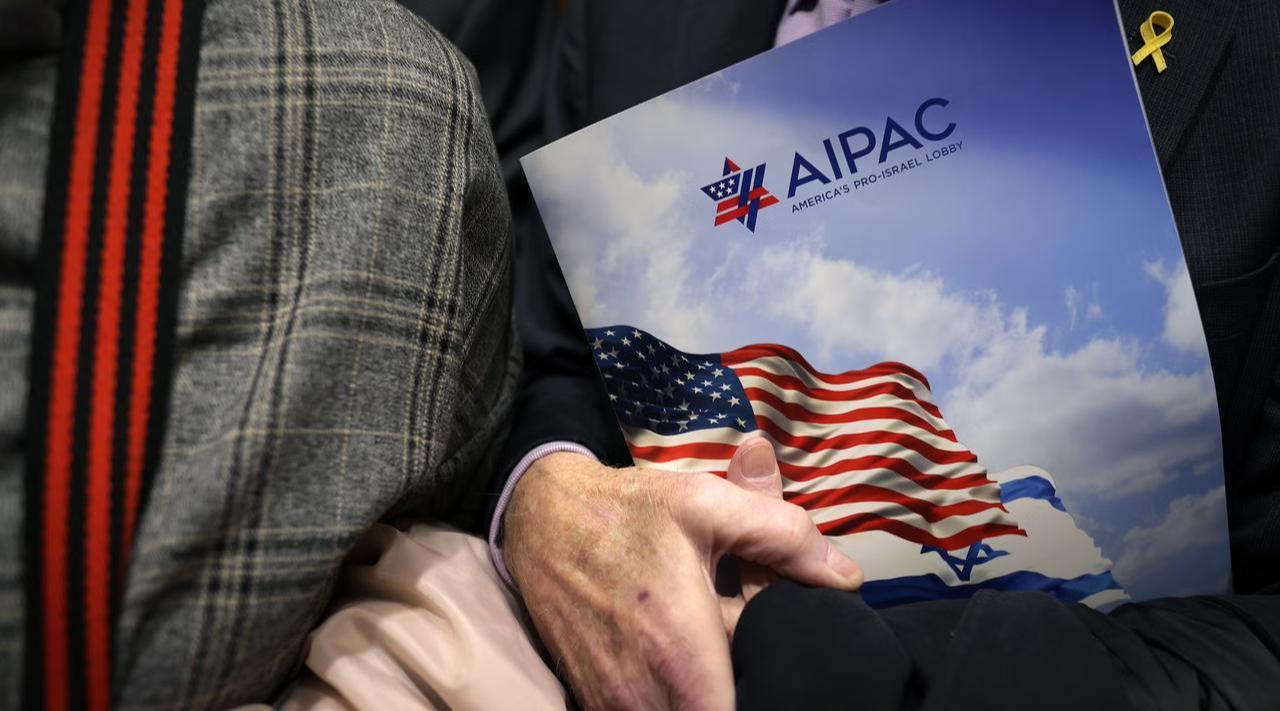
The detour was short. AIPAC ran no PAC and endorsed no one for most of its history. Nissenbaum: "AIPAC's move into this space is relatively new. So in many ways this is a return to its old strategy."
Hady Amr, a nonresident senior fellow in the Center for Middle East Policy in the Foreign Policy program at Brookings, puts dates on it. "AIPAC didn't start contributing directly to politicians until 2022. AIPAC didn't even have a PAC until 2021. AIPAC undertook most of its work through non-PAC means."
Then comes the verdict from someone who has watched the group for decades: "Those of us who've been in this space for decades know: This is not new. This is AIPAC going back to its tried and true approach."
Nissenbaum heard the same view from inside. "For our film, I spoke with many former AIPAC officials who felt like the group made a strategic mistake by getting so deeply involved in campaigns." The early days were loud.
"Initially, they very publicly came out to target candidates they saw as anti-Israel, like Cori Bush and Jamaal Bowman. They proudly and successfully worked to defeat them."
The organization boasts 290 pro-Israel victories and the defeat of 29 "detractors." Yet this aggressive posture seems to be the very thing changing at the heart of AIPAC’s strategy.
Typically, political lobbying groups exercise greater restraint in their public relations efforts; it is unusual for such organizations to openly congratulate favored candidates by explicitly detailing the exact sums spent on their campaigns. Nevertheless, AIPAC has maintained this bold approach in recent years.
This is where the question of evolution gets interesting. Under the old system, a portal donation showed up on a candidate's filing as given through AIPAC. Under the new one, it is just a check from a supporter. Candidates who have sworn off AIPAC money can still collect from AIPAC members, and the group's fingerprints are harder to find.
The group's activities, though largely unknown to the public, extend well beyond merely bringing donors and candidates together.
Nissenbaum thinks the visible changes are not the whole story. "In this campaign cycle, AIPAC has been setting up shell groups with innocuous names to run attack ads when it wants to conceal its role in races, and the group has not said it is going to end its use of these deceptive practices."
The late-cycle ad flood is the other tool. "Now there are reports that AIPAC is going to spend $9 million in the final days of the race when its role can't be known for sure until after the election."
Nissenbaum is not singling AIPAC out. "These tactics are not unique to AIPAC. Other groups use the same deceptive practices." He does not let that settle the matter. "But that does not make them any more palatable or good for the public."
So the question in Washington is whether AIPAC is reforming its political presence or camouflaging it. The letter calls 2026 one of the most challenging environments in recent memory and says the 2028 cycle will demand an even stronger commitment from activists. It also says new fundraising tools are coming, without naming them.
Nissenbaum offers the test: “We will have to see whether AIPAC stops using these practices or expands its use of them before we know exactly what their shift represents.” The logo, at least for now, is leaving the flyer. But the influence is not leaving the race.


 Set as preferred source
 Set as preferred source


 2 min read
 1 min read