Newsletters


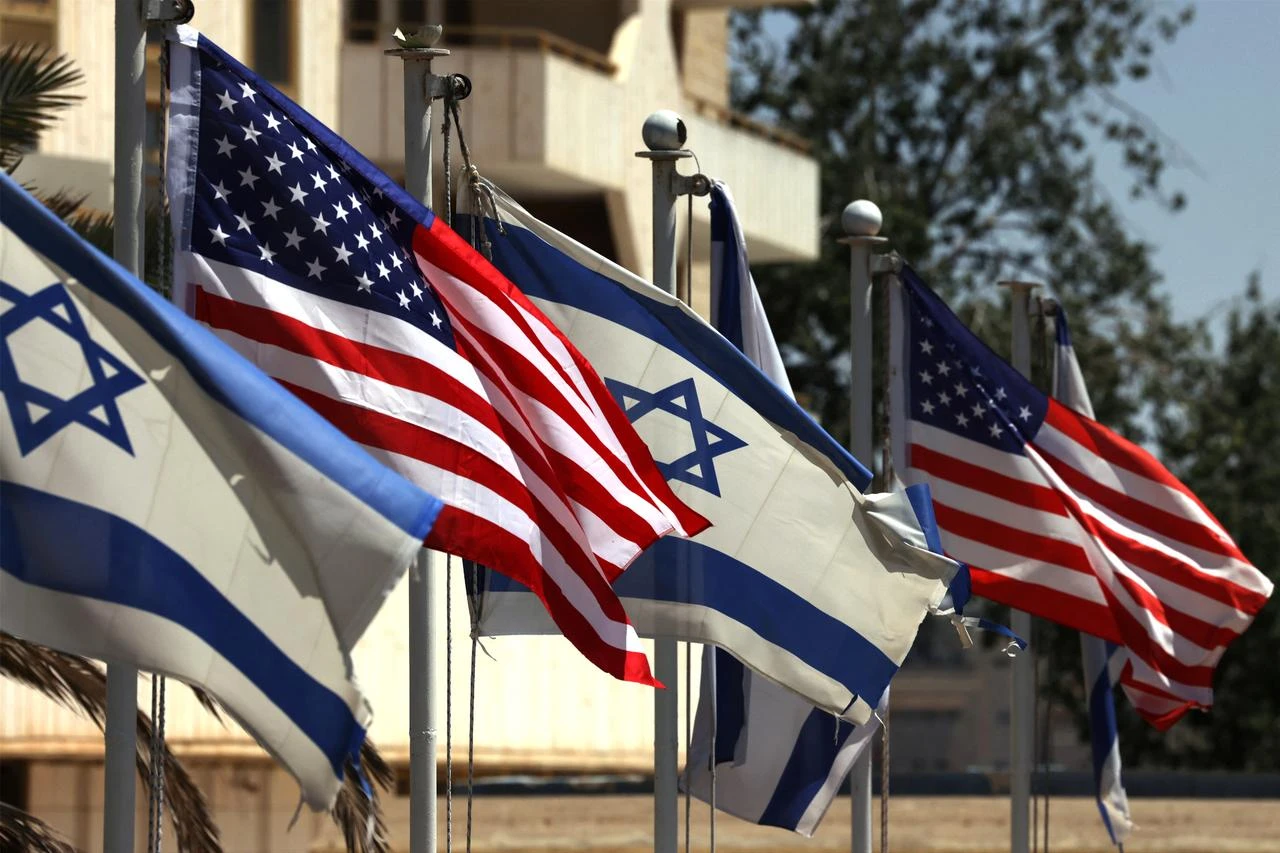


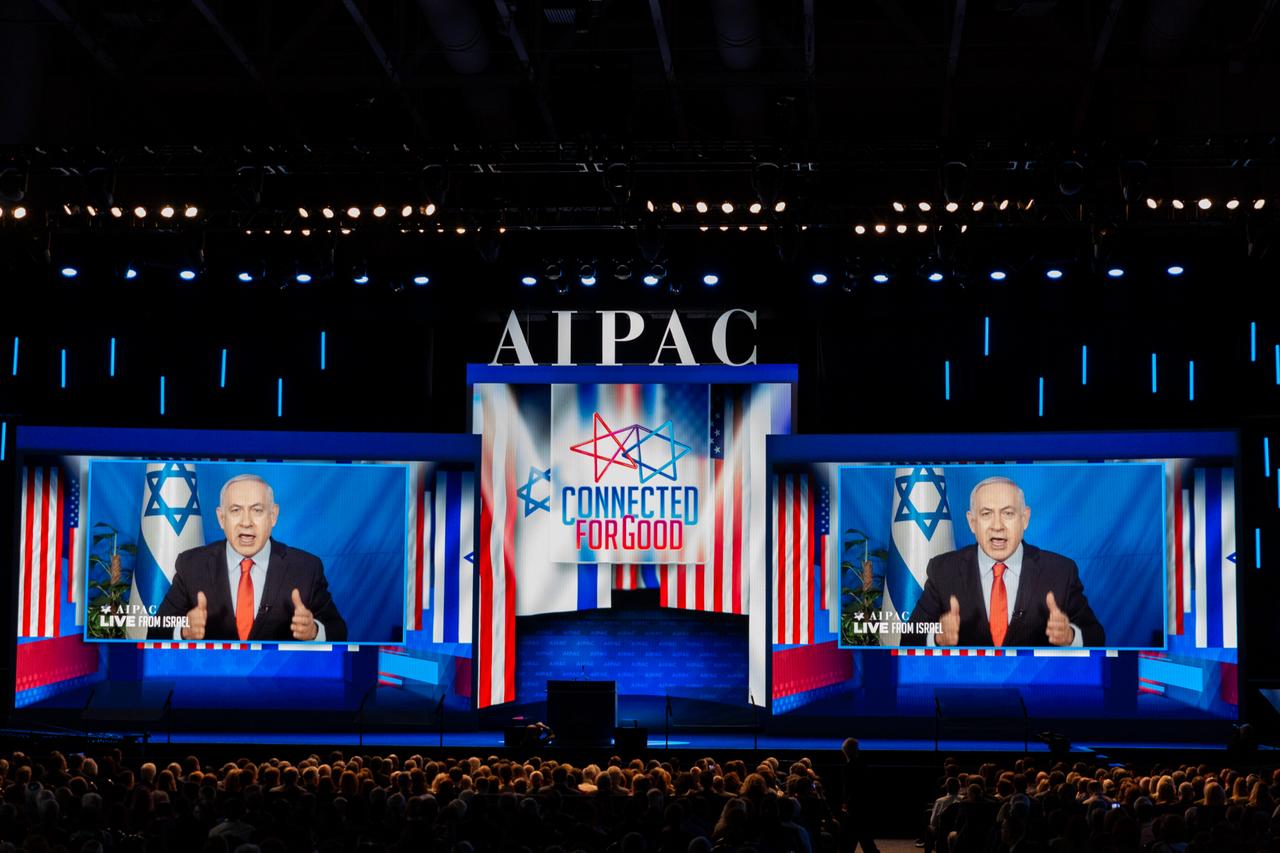
The influence of AIPAC, the most prominent pro-Israel lobbying organization in the United States, is drawing a widening backlash from both the left and right ahead of November's midterm elections, according to the Financial Times (FT), as the group's deep financial ties to individual campaigns become a liability in several closely watched primary races.
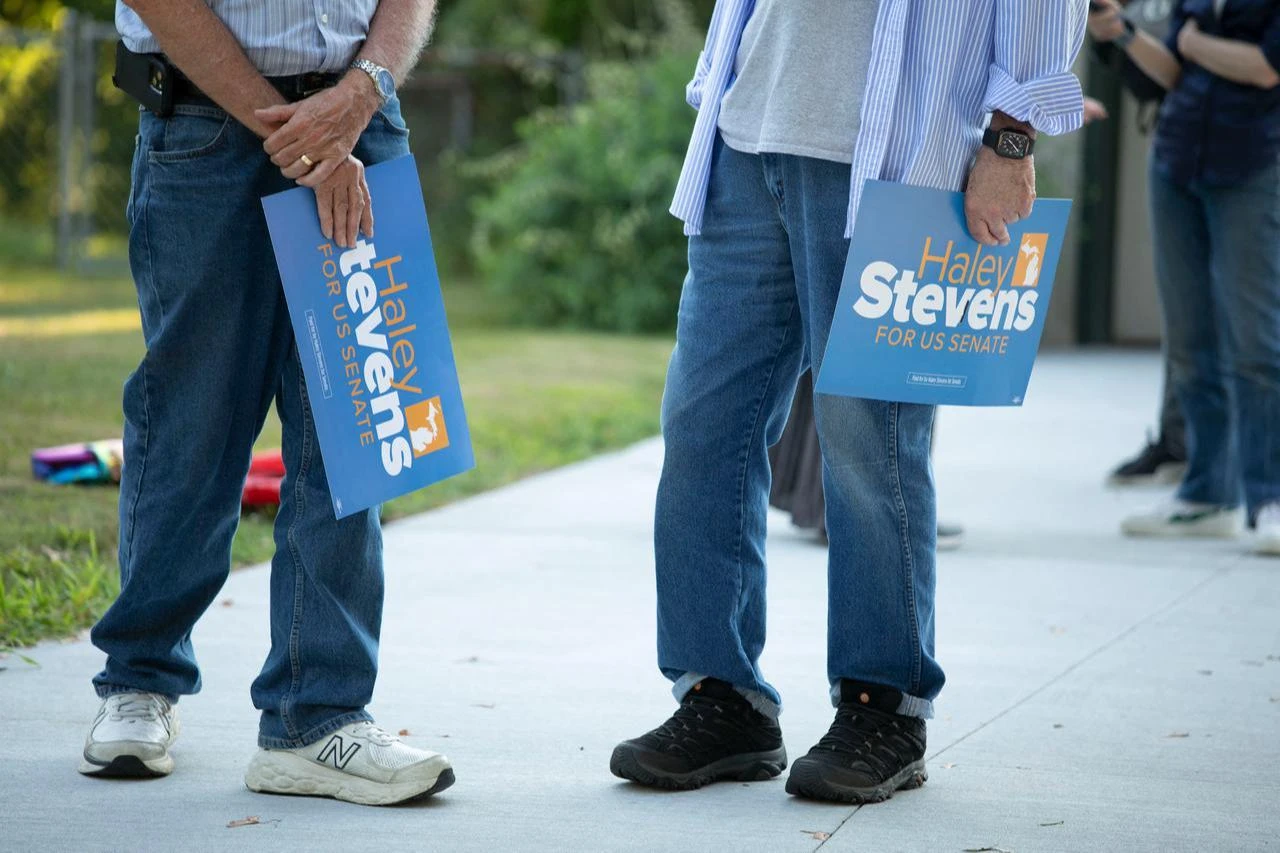
In a televised debate for Michigan's Democratic Senate primary, candidate Abdul El-Sayed repeatedly invoked AIPAC's spending on behalf of his rival, Rep. Haley Stevens, framing it as evidence she would be a reliable vote for the group, according to the FT.
Stevens responded that she answers only to Michigan voters.
The FT reported AIPAC's spending in that race had reached a record level and could prove decisive when primary voters cast ballots.

For decades, an AIPAC endorsement reliably boosted a candidate's prospects.
The FT reported that dynamic has now reversed in some races, as growing criticism of Israel's conduct in Gaza, the West Bank and Lebanon has made the group a target for critics on both ends of the political spectrum, some viewing it as emblematic of outsized special-interest influence in U.S. politics, others as an uncritical defender of a hardline Israeli government.
The FT reported criticism has also grown among conservatives since the U.S. entered its war with Iran in February, which some on the pro-Trump right viewed as inconsistent with an "America First" approach.
Joe Kent, who resigned as the administration's counterterrorism chief in March, was quoted by the FT attributing the war partly to pressure from Israel and its lobby.
Opposition to AIPAC has become an electoral advantage in some races, which cited a New York City primary in which Brad Lander overcame incumbent Rep. Dan Goldman by highlighting Goldman's AIPAC ties, despite both men identifying as liberal Zionists broadly aligned on policy.
Lander, who has separately criticized Israel's campaign in Gaza and called for halting U.S. military aid to Israel, told a local radio station after his win: "I really do think candidates that take money from Wall Street, and crypto, and AI and AIPAC, voters have had it with that."
According to the FT, AIPAC has raised more than $47 million this election cycle, making it one of the best-funded political organizations in the country.
Its affiliated super PAC, the United Democracy Project, is backed by prominent donors including Elliott Management's Paul Singer and Apollo Global Management CEO Marc Rowan, and reported $80.3 million in available funds as of June 30.
Federal Election Commission data cited by the FT shows the United Democracy Project ranks as the fourth-largest super PAC by receipts this cycle, behind the Senate Leadership Fund, Senate Majority PAC and Fairshake, and ahead of Democracy PAC.
Among traditional PACs, AIPAC itself ranks second by receipts behind the SEIU's COPE fund.
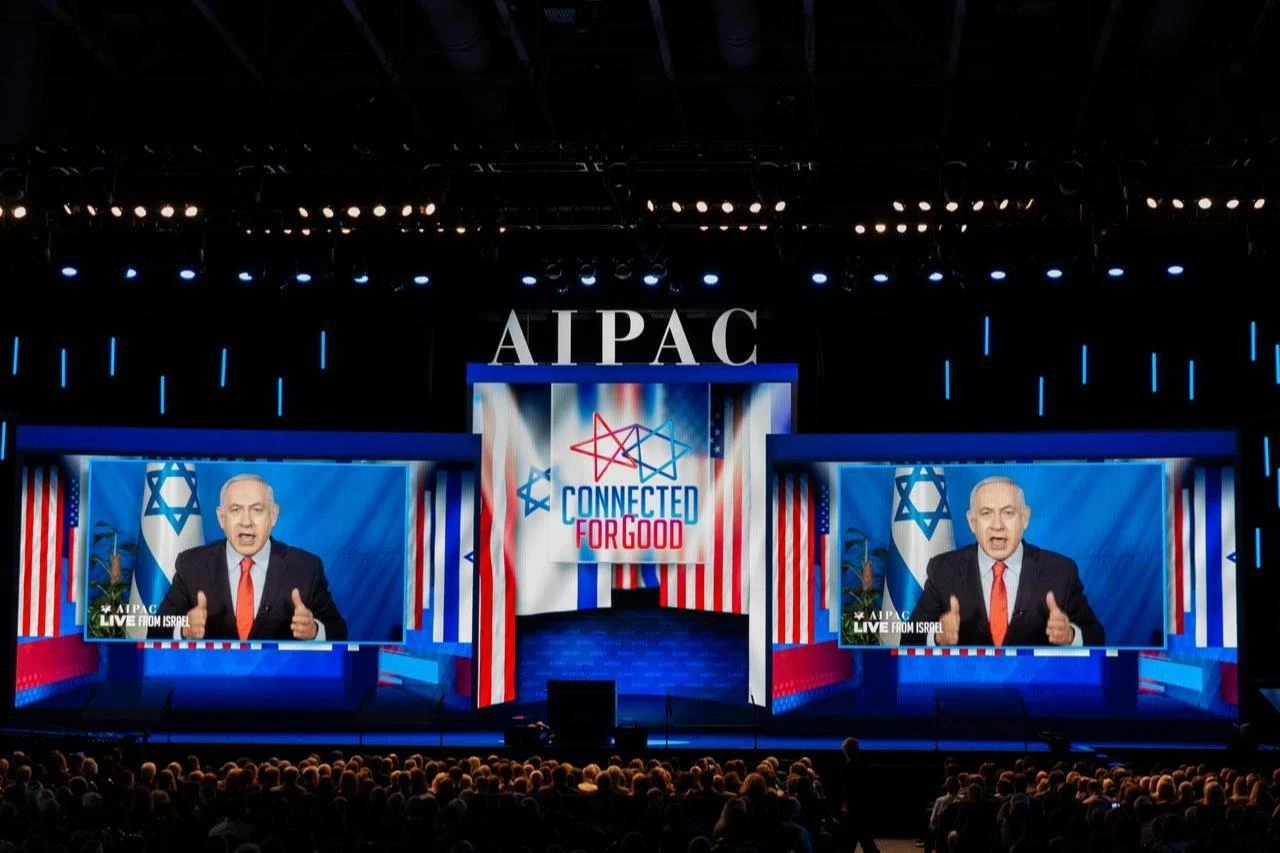
The FT reported that public perceptions of AIPAC have grown increasingly negative, a shift Third Way co-founder Matt Bennett attributed to the organization's own strategic choices.
Historian Doug Rossinow, an expert on American Zionism cited by the FT, said support for Israel was historically strongest among American liberals in the decades after the Holocaust, but that sympathy began eroding as Israeli governments moved rightward and AIPAC offered increasingly unconditional backing for hardline policies toward Palestinians.
The FT reported this strain deepened as Benjamin Netanyahu came to dominate Israeli politics, particularly after his public campaign against the Obama administration's 2015 nuclear deal with Iran widened a rift between AIPAC and the Democratic Party.
Criticism intensified further after AIPAC launched the United Democracy Project in early 2022, which the FT reported spent $26 million in the 2022 cycle, often targeting Democrats seen as insufficiently supportive of Israel. Matt Duss, an adviser to Sen. Bernie Sanders, told the FT that AIPAC has enforced a narrow definition of pro-Israel politics that has made it "toxic" to many Democrats, comparing the organization's role in foreign policy debates to that of the National Rifle Association on gun issues.
The hostility toward AIPAC has grown further amid the war in Gaza that followed Hamas's Oct. 7, 2023, attack, as well as Israel's operations in Lebanon and its role in the war with Iran.
J Street vice president Tali deGroot told the FT that AIPAC's largely unconditional support for Israeli government policy has been at odds with American Jewish and Democratic opinion for some time.
The FT noted that veteran Democratic figure Rahm Emanuel, seen as a potential 2028 presidential contender, said in a July speech in Tel Aviv that Israel should no longer expect unconditional U.S. aid.

A separate FT/Focaldata poll of 1,795 registered voters, conducted June 26-30, found that 58% of respondents said the war with Iran had not been worth its cost, compared with 28% who said it had been worthwhile and 14% who were unsure.
Asked whether the U.S. is now in a stronger or weaker position compared with before the war, 44% said weaker, versus 31% who said stronger, with 25% seeing no difference or unsure.
The same poll found voters skeptical of the memorandum of understanding reached between Washington and Tehran.
Roughly two-thirds of respondents said it would either make little difference to regional peace and stability or would increase instability and make conflict more likely, while just one in five said they expected it to lead to lasting peace.
The FT reported the war has contributed to a decline in Trump's approval rating, which stood at 36% in the poll, down two points from the prior month, with independents showing a sharper drop, to 21% approval, down eight points.
The poll also found Democrats with a six-point generic congressional ballot lead, 44% to 38%, up from a four-point edge the previous month, though Republicans reported somewhat higher voting-intention enthusiasm than Democrats or independents.
The same poll, conducted ahead of the NATO summit in Ankara, found 53% of voters believe the U.S. should remain a NATO member, compared with 23% who said it should leave, a finding the FT connected to Trump's history of publicly questioning the alliance's value, including remarks made after some European allies declined to join the U.S. campaign against Iran.


 Set as preferred source
 Set as preferred source


 2 min read
 1 min read