Newsletters




As Greenland returns to the center of global politics, a recent study shows early Arctic communities mastered risky sea crossings to reach its isolated coasts.
New archaeological research shows that early Paleo-Inuit communities repeatedly crossed dangerous Arctic seas nearly 4,500 years ago to reach remote Greenland islands.
These findings arrive as Greenland’s strategic role resurfaces in international political discussions involving the United States and its European allies.
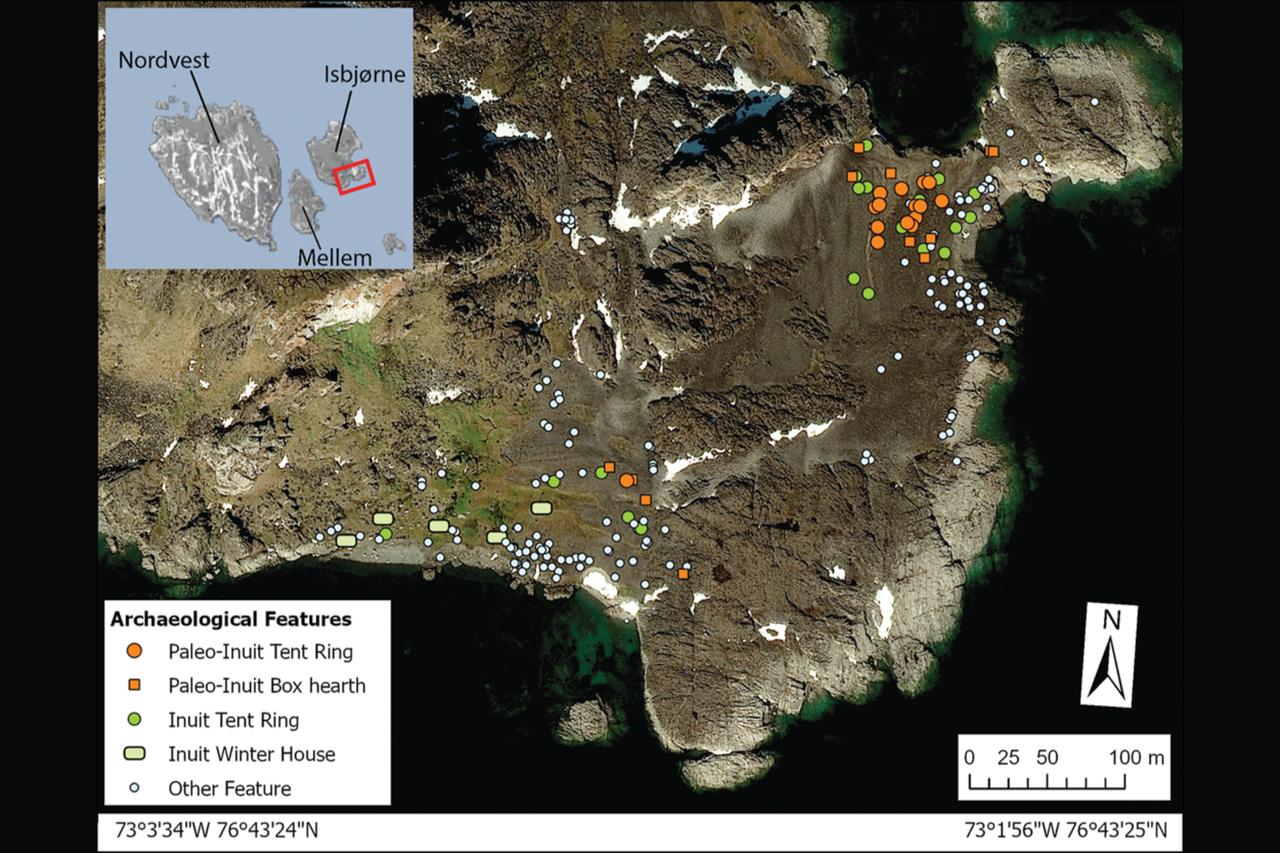
The study, published Feb. 9 in the journal Antiquity, documents nearly 300 archaeological features on islands in the Kitsissut archipelago off northwest Greenland.
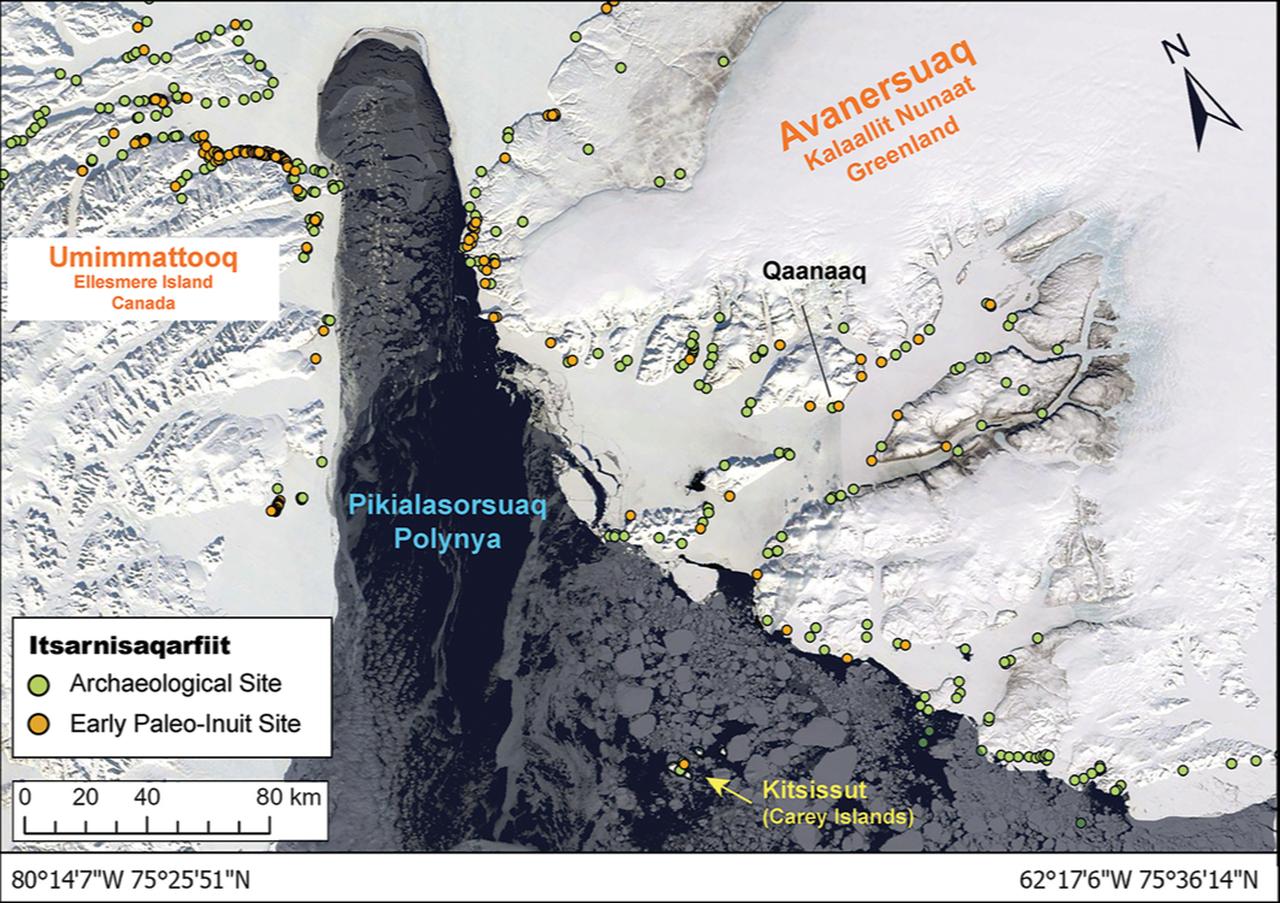
Researchers argue that the concentration of dwelling points to repeated, possibly community-scale crossings of at least 33 miles (53 kilometers) of open water.
The discoveries provide a detailed picture of ancient Arctic maritime life at a time when many ecological systems were still forming after glacial retreat.

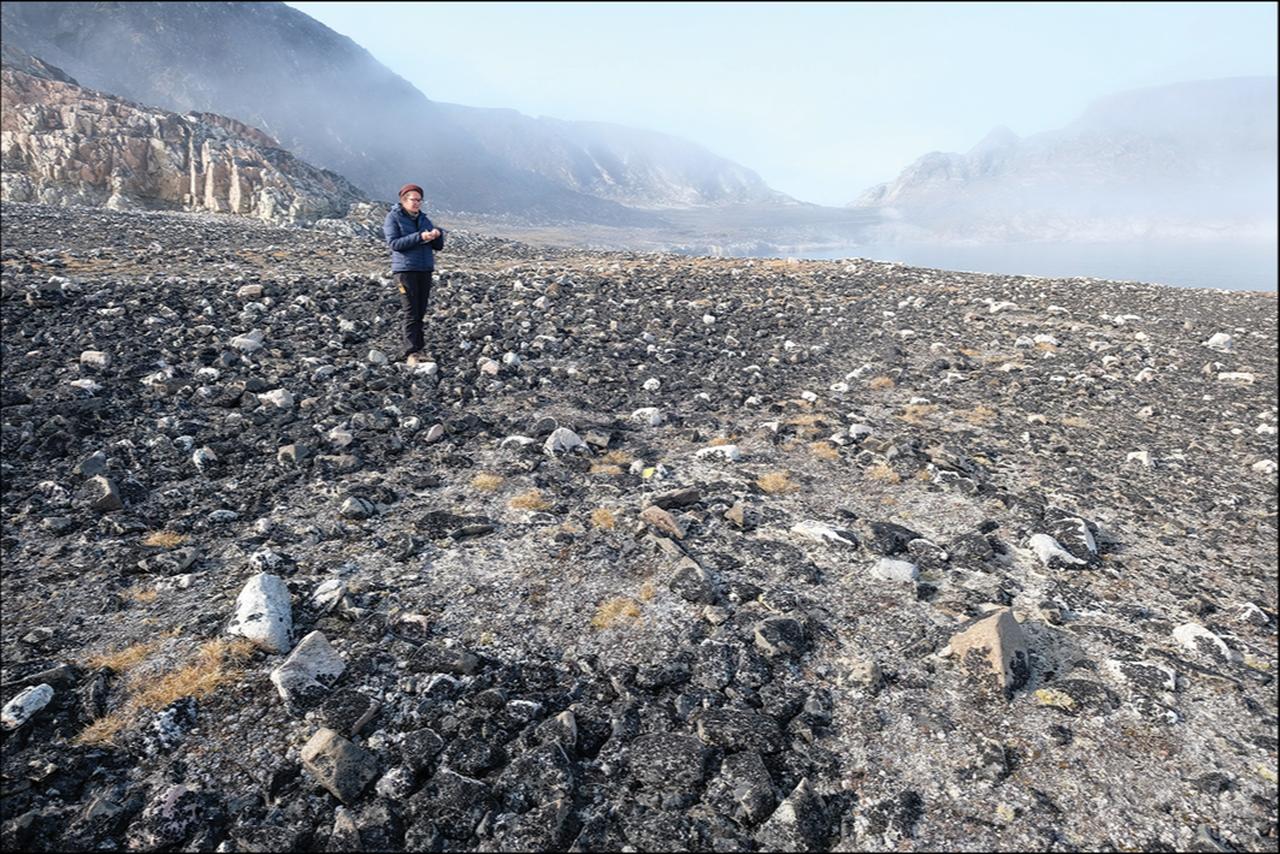
Archaeologists surveyed three islands in the high Arctic and identified 15 stone rings at the tip of Isbjørne Island.
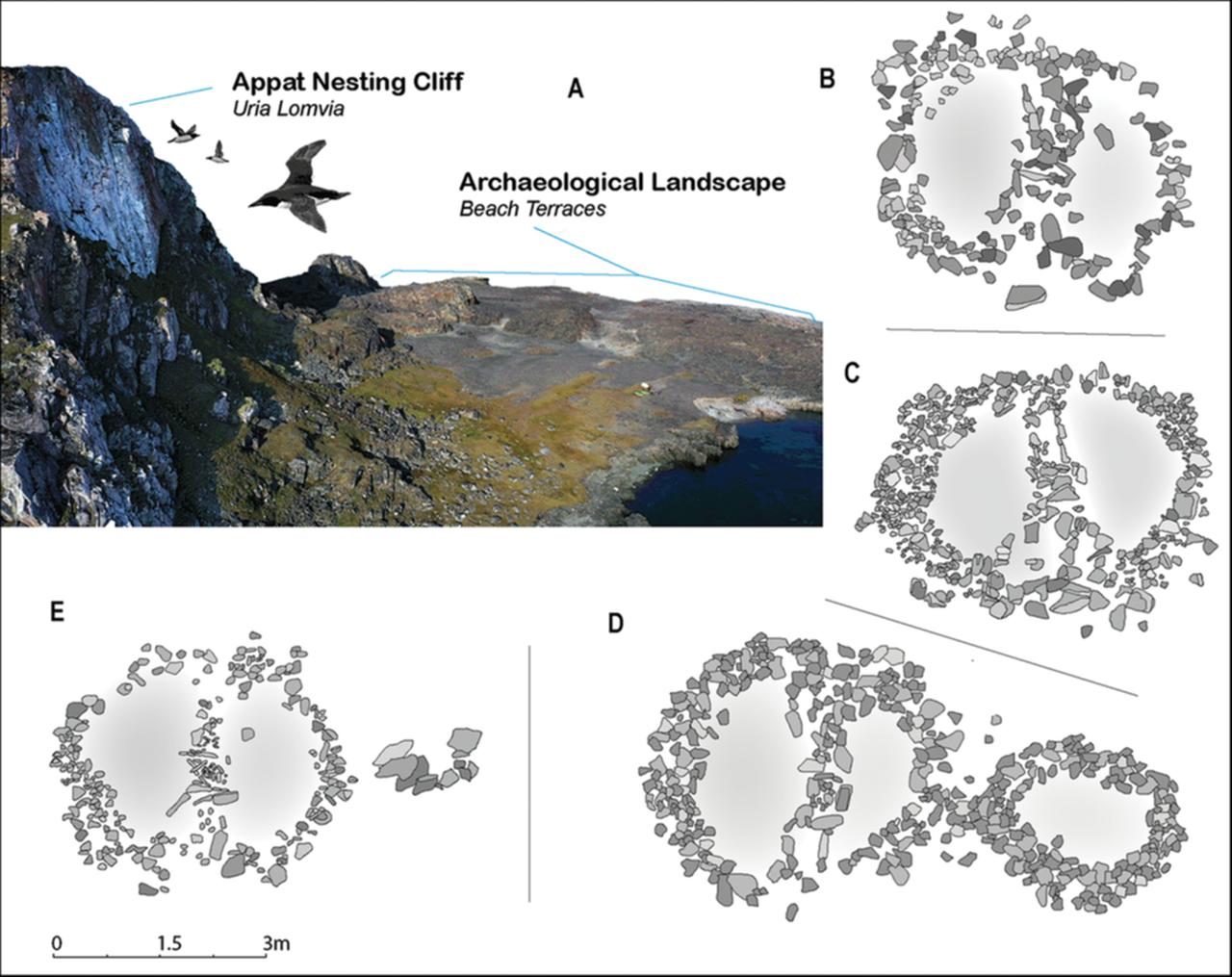
These rings mark the sites of ancient tent dwellings with central hearths. A bone recovered from one of these rings dates the occupation to between 4,000 and 4,475 years ago.
“In a regional perspective, it is a lot of tent rings in one place, indeed one of the largest concentrations,” study lead author Matthew Walls of the University of Calgary told Live Science. The number and arrangement of the structures suggest repeated community visits rather than accidental, isolated campsites.
The open-water route from the mainland posed significant navigational challenges. Dense fog, crosswinds and strong currents would have confronted travelers in wood-framed, skin-covered watercraft typical of the period. Researchers estimate the voyage could have taken about 12 hours to complete.
The voyages most likely occurred when travel conditions improved. “They are almost certainly visiting during the warm season, which doesn’t last very long,” Walls said, noting that brief Arctic summers most likely made the journey feasible.
Archaeologists also found numerous bones of thick-billed murres, polar seabirds that nest on cliffs above the campsites.
The proximity of camps to nesting sites and the bird remains suggest that hunting and egg gathering were important subsistence activities.
The Antiquity paper places the archaeological discoveries within the broader ecological context of the Pikialasorsuaq polynya, a marine environment that remained ice-free year-round.
Researchers argue that the presence of dense archaeological features on islands reachable only by sea permits inference about sophisticated watercraft and navigational ability among Early Paleo-Inuit communities.
The authors write that these voyages reflect deep relationships with both marine and terrestrial ecosystems. They note that movement of marine resources onto land through hunting and food processing may have influenced local nutrient cycles and attracted wildlife to human campsites over time.
This view challenges earlier models that framed early Arctic populations primarily as terrestrial hunters adapting to a static landscape.
Instead, the authors propose that early Paleo-Inuit groups were integrated with dynamic coastal environments.
Greenland has reentered the international political debate amid renewed U.S. interest in the Arctic.
In recent months, U.S. President Donald Trump revived efforts to secure greater American control over the island, citing national security concerns and rising geopolitical competition in the region.
The Arctic has gained strategic weight as melting sea ice opens new shipping routes and increases access to minerals and energy resources. Greenland lies between North America and Europe and hosts U.S. military infrastructure, including Pituffik Space Base, formerly Thule Air Base.
Trump previously floated the idea of purchasing Greenland in 2019, a proposal Danish officials rejected. Greenland remains an autonomous territory within the Kingdom of Denmark, managing domestic affairs while Copenhagen oversees foreign policy and defense.
Danish and Greenlandic leaders have reiterated that sovereignty rests with Greenland’s people. European officials have backed Denmark’s position, stressing that any change in status requires consent and international agreement.
The new archaeological evidence adds historical depth to discussions about Greenland’s position in the world.
Archaeologists show that human communities developed advanced maritime skills and maintained repeated long-distance sea travel millennia before modern states emerged. The research highlights a long continuum of human engagement with Greenland’s coastlines and ecosystems.


 Set as preferred source
 Set as preferred source



 4 min read