Newsletters


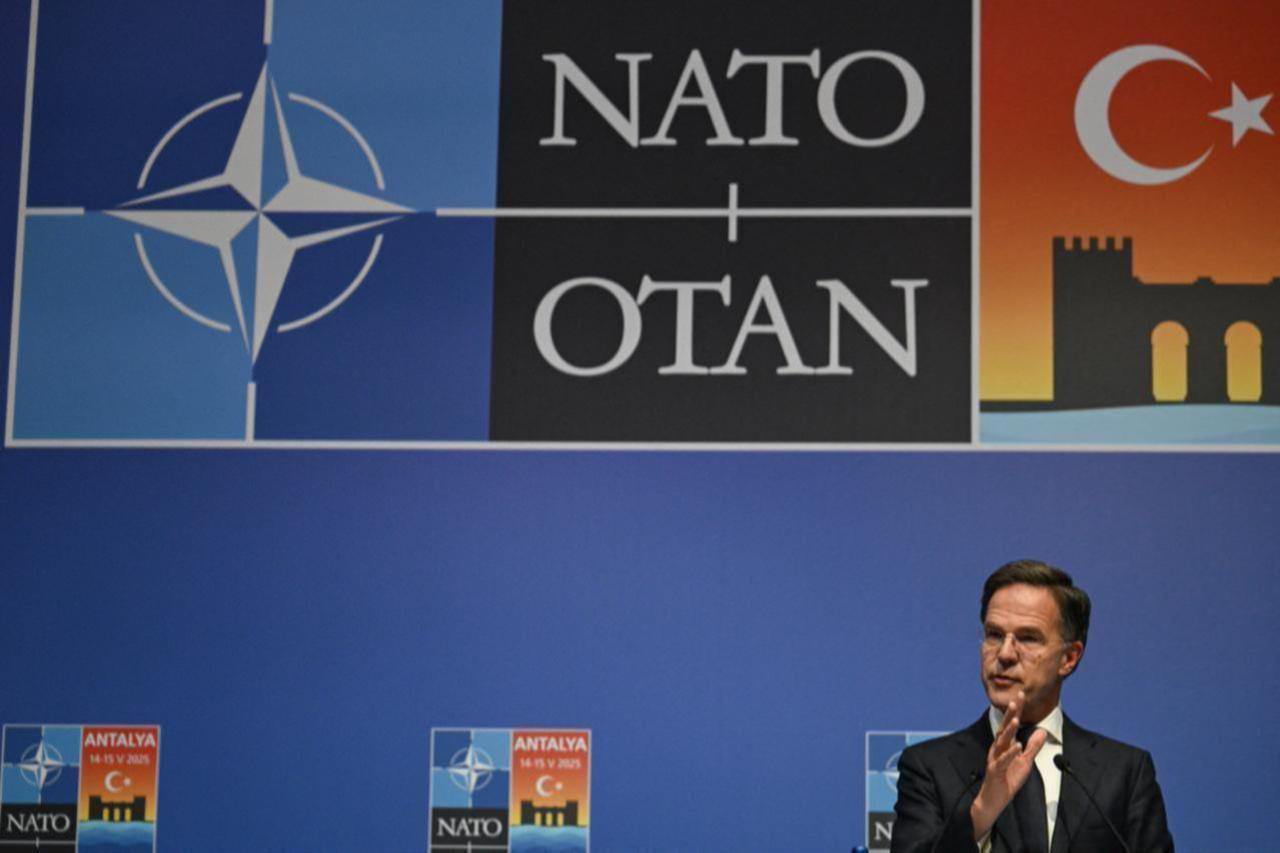


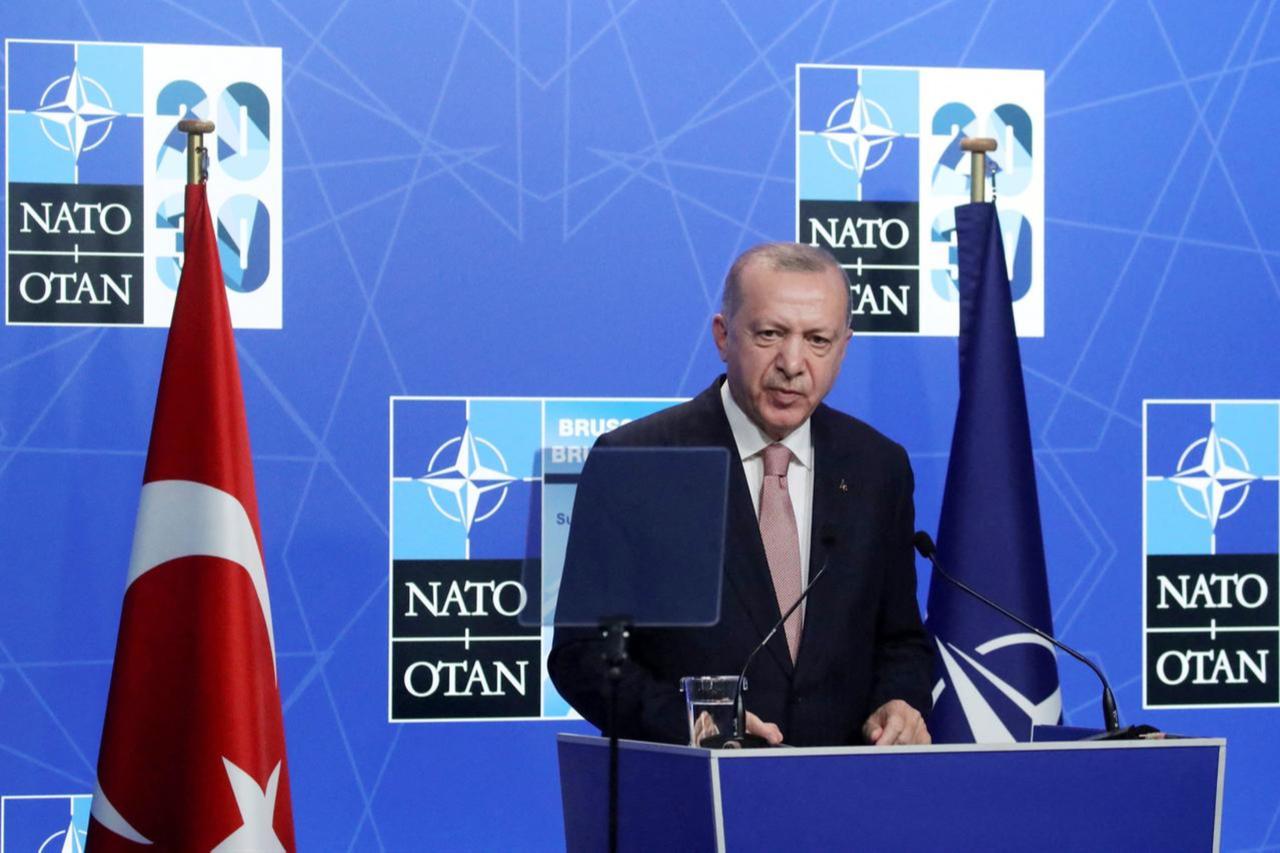
The NATO Summit to be held in Ankara comes at a critical moment for the alliance as it faces conflicts around its borders, changing security threats and debates over burden-sharing, experts and officials in Washington D.C. said.
The discussions, organized with the support of Türkiye’s Communications Directorate and the Foundation for Political, Economic and Social Research (SETA), focused on Türkiye’s role in NATO’s transformation, the future of the Türkiye-U.S. alliance and Ankara’s place in regional security.
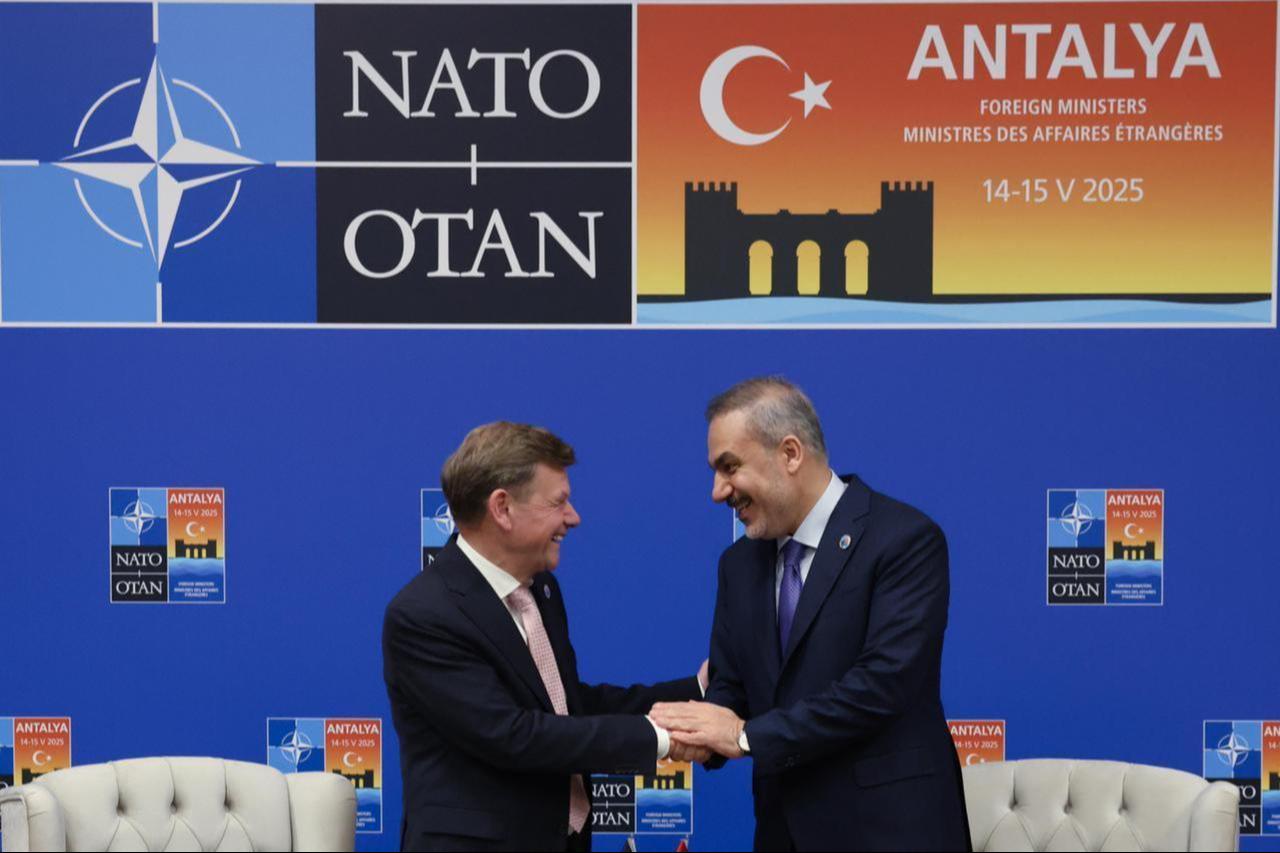
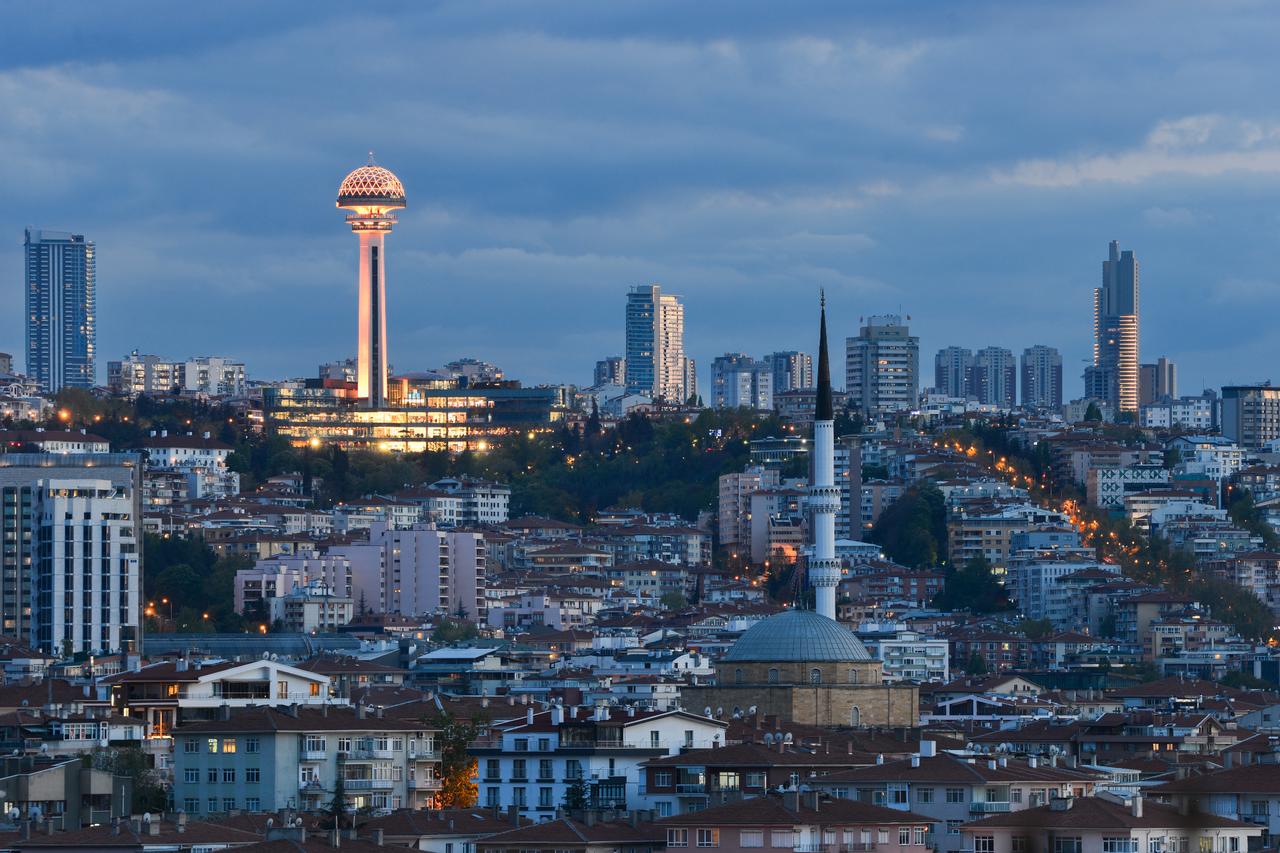
The summit, which takes place in the Turkish capital on July 7-8, 2026, will mark the second time Türkiye hosts a NATO summit, following the 2004 summit in Istanbul.

Türkiye’s Communications Director Burhanettin Duran said in a video message that Türkiye has been an “indispensable central state” in NATO’s collective defense architecture through its geostrategic position, military capacity and deterrence capabilities.
Cagri Erhan, chief adviser to Turkish President Recep Tayyip Erdogan, said NATO was moving beyond classical military threats and adapting to new risks, including energy security, cyber threats and artificial intelligence-based defense systems.
He said the Ankara summit would focus on conflicts around NATO, the Russia-Ukraine war, developments in the Middle East, defense budgets and the alliance’s structural and conceptual transformation.
Erhan said the Türkiye-U.S. ties had faced difficult tests in the past decade but were now in a better position.
“As during the conditions in the early 1950s, the United States and Türkiye will play the leading role for this new era of transformation,” he said.
Former U.S. ambassador to Türkiye James Jeffrey said Türkiye and the U.S. had played decisive roles in major security issues from Ukraine and the Caucasus to the Black Sea, the Balkans and the Middle East.
Jeffrey said Türkiye had done “at least as much as the United States” to secure the NATO realm, adding that the Ankara summit offered a major opportunity for both countries.
Erhan said NATO members’ defense spending would be one of the key issues in Ankara, noting that many allies still do not meet the target of allocating 5% of gross domestic product (GDP) to defense.
He said NATO’s command structure, cyber security, artificial intelligence-supported threats, energy security and navigation security would also be discussed.
On the Russia-Ukraine war, Erhan said a ceasefire in the coming months seemed a strong possibility, adding that NATO’s position after a possible ceasefire and mechanisms to make it sustainable were expected to be discussed at the summit.
Rich Outzen, senior fellow at the Atlantic Council, said Türkiye and the U.S. shared rare hard-power capabilities based on combat experience, industrial capacity and engineering ability.
Roger Kangas, an advisory board member at the Caspian Policy Center, said Türkiye may need to act as a bridge between allies with diverging views and serve as the “responsible adult” in the room.
Türkiye’s Ambassador to Washington Sedat Onal said NATO’s role as a platform for political consultation and coordination remained one of its most important functions.


 Set as preferred source
 Set as preferred source


 2 min read
 1 min read