Newsletters


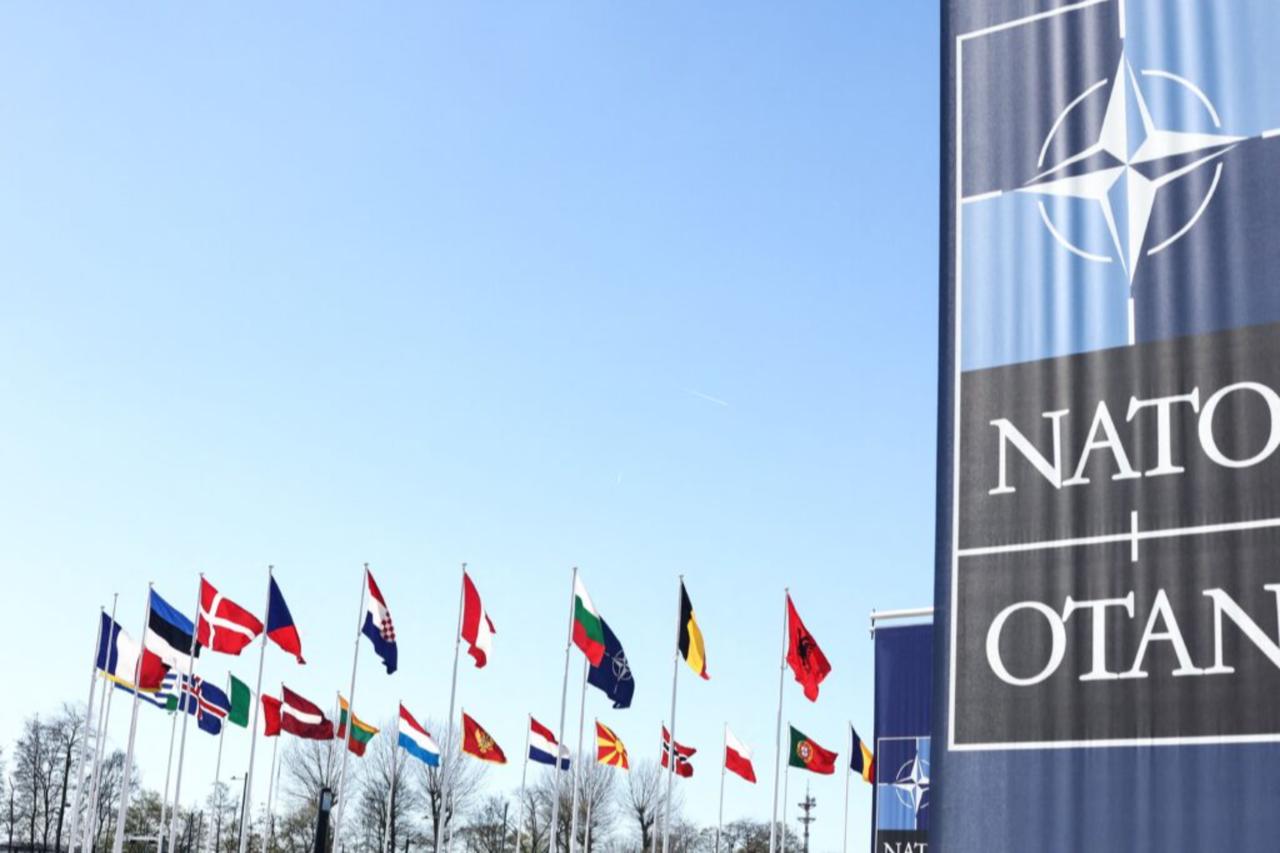


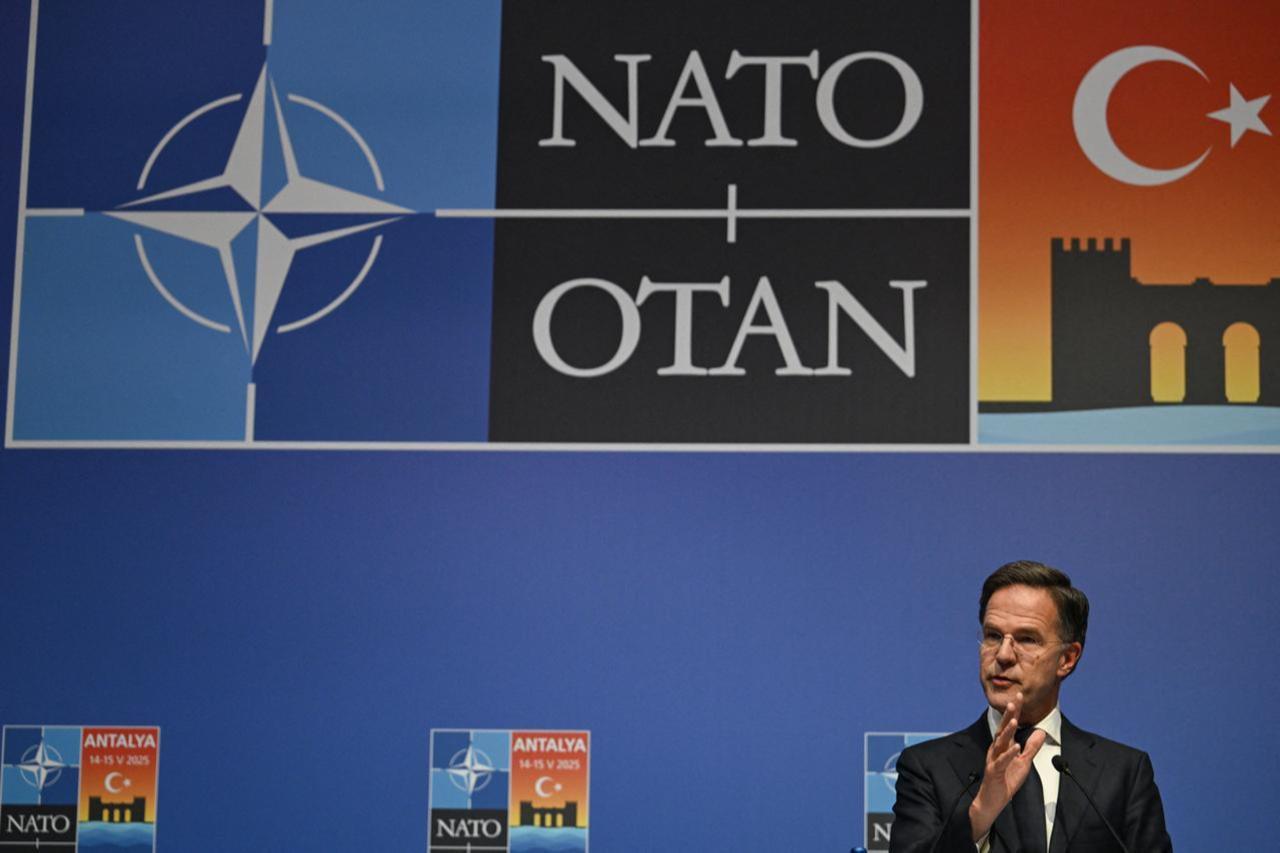
NATO Deputy Secretary General Radmila Shekerinska said the July Ankara Summit will focus on implementing decisions and producing concrete results, including an industry day to discuss how to use additional resources more efficiently.
She also declared that the era of Europeans allowing the U.S. to carry the defense burden "is over."

Speaking at the Oslo Security Conference on "The Transatlantic Partnership Facing a New Normal," Shekerinska said all allies were convinced at the Hague Summit to spend 5% of gross domestic product (GDP) on defense by 2035.
"The Ankara Summit will be focused on implementation and producing concrete results," Shekerinska said.
"In Ankara, we will maintain this focus and organize an industry day to address ways to support the industry. We will discuss how we can better use additional resources and how we can be more efficient, avoiding extra costs if possible," she added.
The message to allies is clear, Shekerinska said: "Let's do more joint procurement, establish more cooperation, and insist on more innovative solutions while setting the right capability targets. These topics will be at the top of the agenda."
Shekerinska said increasing support for Ukraine will also be on the Ankara agenda.
"It is extremely critical that support continues to ensure Ukraine can sit at the negotiating table stronger and safer," she said.
She praised Norway as "exemplary" in supporting Ukraine politically, with humanitarian needs, energy security and military means, and called on other allies to follow suit.
"If there is one very clear lesson from Ukraine, it is that your pace of production and your industry and your innovation are as important as your political will to fight, as your military might and your command and control," Shekerinska said.
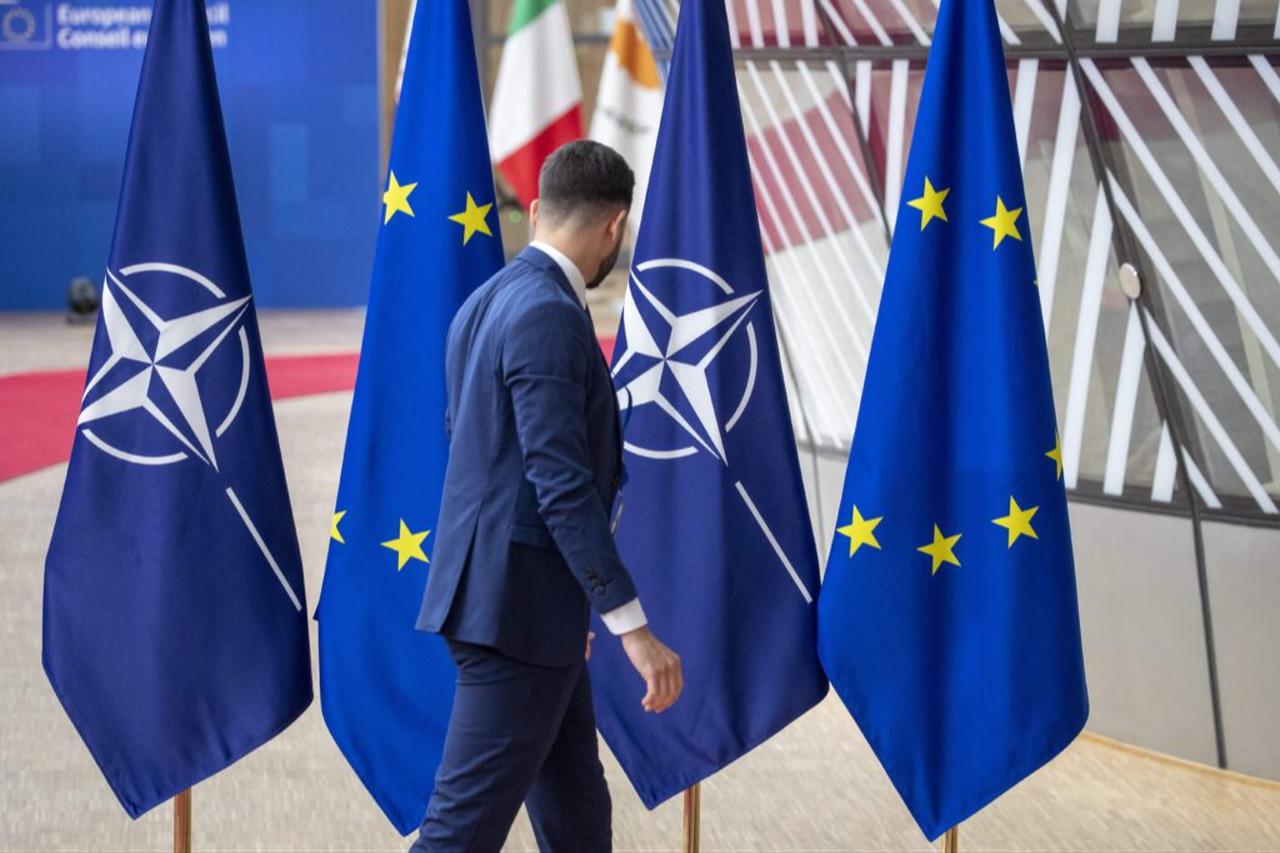
Shekerinska was blunt about European defense investment: "For Europe and Canada to step up on defense investment is not a question of choice. It is a question of necessity."
"It is true that the time when we could—some would say conveniently—give up on focusing on security and allow the U.S. to deal with it is over," she said.
She noted that Europeans had grown accustomed to the U.S. carrying most of the burden for many years, which has been a source of "serious disappointment" for many U.S. administrations.
"This is a much more just and more stable arrangement in which not only U.S. but also Canada and European allies contribute in a meaningful way to our Euro-Atlantic security," Shekerinska added.
Shekerinska later highlighted progress in defense production, particularly ammunition — previously "a source of great disappointment" when NATO allies could produce "not only less than Russia but actually four times less."
"This has changed dramatically in the course of one year," she said, noting that adopting the latest technologies alongside increased production is "a key element to change the curve."
However, she cautioned, "We are not naive and we shouldn't be. We still have a lot to do. A commitment to spend and invest more is still a commitment. Some countries are paving the way towards 5% at a much more ambitious timescale, but some are still taking their time."
"It is clear that both leaders and the defense industry know that we cannot stick to the old normal. We have to invest in our security because our security is challenged," Shekerinska said.
Shekerinska said NATO has made a "U-turn" on Arctic security, moving from viewing it primarily as a national responsibility to recognizing it requires a unified, coordinated response.
"We have seen that across the Arctic, we do see more interest and more presence by Russia. They have created their Arctic command. They have reopened some old military sites. They are creating new ones—basically deep-water ports but also airfields. They're testing their novel weapons in the Arctic," Shekerinska said.
"It is in the interest of all NATO allies, and this is why we have agreed that we will do more without focusing on just one part of the Arctic but really looking at the Arctic as an area where we have to be strategically present and we have to protect our interests," she added.
She noted that living and fighting in the Arctic "requires completely different expertise."
Shekerinska also warned that the Russian threat will not disappear when the war in Ukraine ends, saying, "Russia has clearly shown that aggression is part of its foreign policy toward almost all its neighbors."
She emphasized that NATO's greatest advantage lies in its "DNA"—the capacity to discuss, find a way out and produce solutions aligned with shared security interests.
On transatlantic relations, Shekerinska noted that 81% of allied citizens consider the transatlantic bond crucial for shared security.
"The bond between Europe and North America remains the only really winning way in developing our security in a more dangerous and less predictable world. U.S. security, U.S. troops, and U.S. military might is indispensable for European security. But it goes both ways," she concluded.


 Set as preferred source
 Set as preferred source


 1 min read
 1 min read