Newsletters


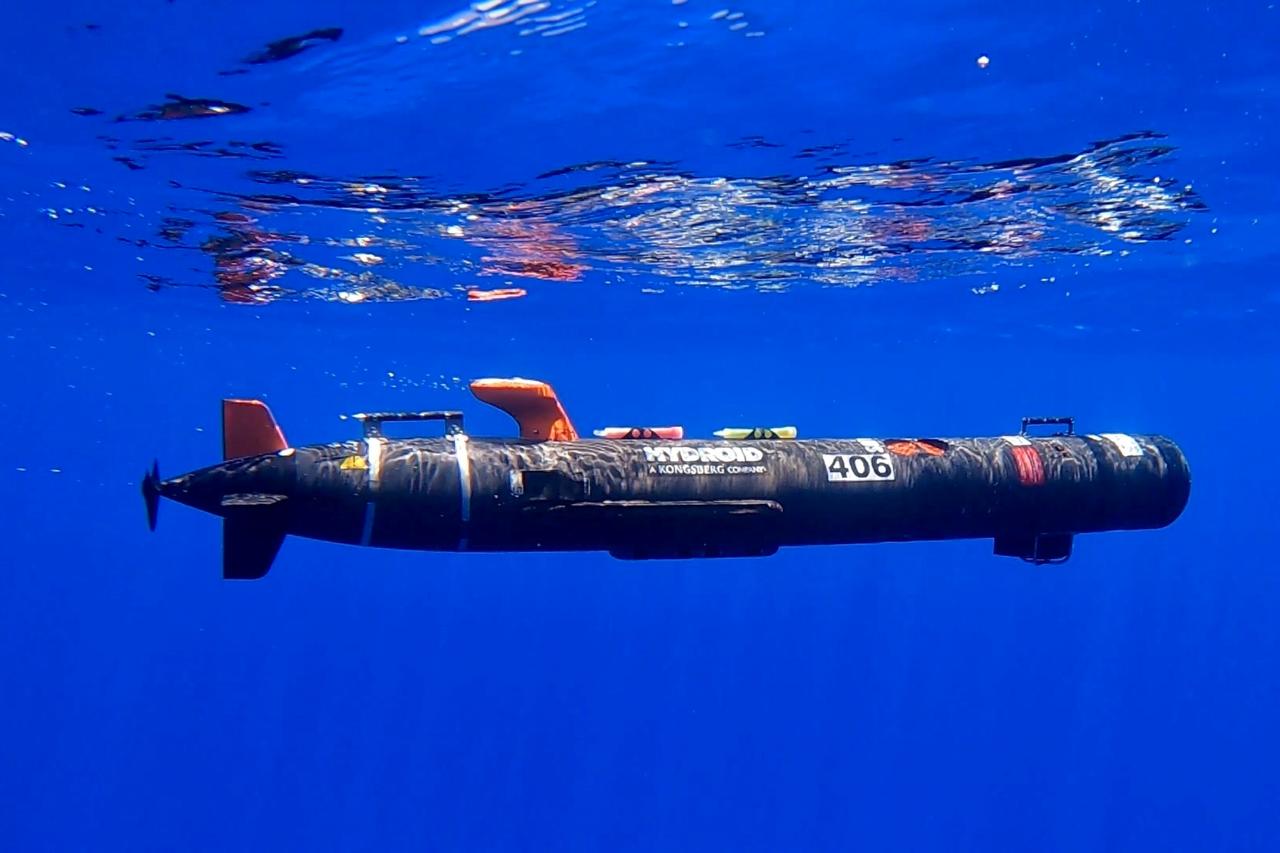


The United States, United Kingdom, and Australia announced their first concrete deliverable under the technology pillar of their AUKUS security pact: Uncrewed Undersea Vehicles (UUVs).
The three allies separately acknowledged a subtle but significant change to Australia's nuclear submarine acquisition: Canberra will now receive three used American submarines instead of a mix of new and used vessels.
Both announcements came on the sidelines of the Shangri-La Dialogue in Singapore, where the threat to undersea cables and pipelines dominated the security conversation and where all three defense ministers were intent on projecting momentum for an alliance that has faced repeated criticism for slow follow-through.
"For too long in AUKUS, we talked too much and delivered too little," UK Defense Secretary John Healey said, noting, "That has now changed under our three governments."
Australian Defense Minister Richard Marles used some of the starkest language of the summit to frame why the underwater drone project was necessary.
"The seabed is becoming a battlefield. The shadow fleet is becoming a weapon," Marles told delegates at the summit.
He cited five incidents in the past 18 months of cables cut in the Taiwan Strait, attributed to China, and three in the Baltic Sea, allegedly committed by Russia, and raised the possibility that such events were deliberate tests of Western resolve.
"If they were intentional, we are left to wonder: are countries testing our response times, testing our attribution thresholds, and testing our political will to respond?" he asked.
Nearly all of Australia's internet traffic flows through just 15 undersea cables, Marles noted.
"Our financial systems, our health systems, our communications, our intelligence partnerships, and our ability to operate as a modern economy and a functioning state: all of it is critically dependent on infrastructure that is exposed, that cannot move and can be cut with an anchor in the middle of the night," he stated.
The U.K., Healey said, is connected by around 60 undersea cables, with a 30% rise in the number of Russian vessels spotted in UK waters in recent years. A month before the Singapore summit, he had accused Russia of running a covert operation against cables and pipelines north of the U.K., a charge Moscow denied.
On Saturday, when asked by the BBC whether the drone project was intended to counter Russian and Chinese undersea activities, the three ministers did not answer.
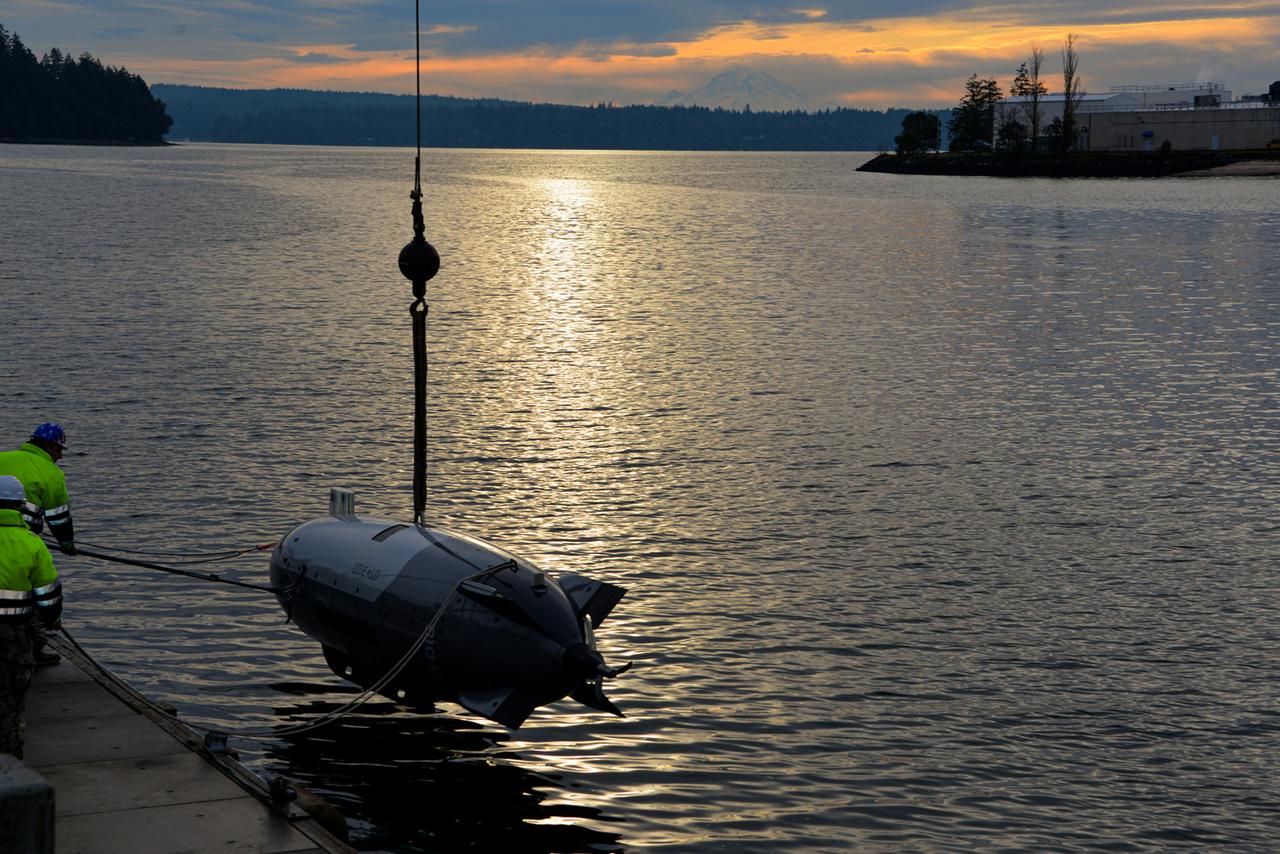

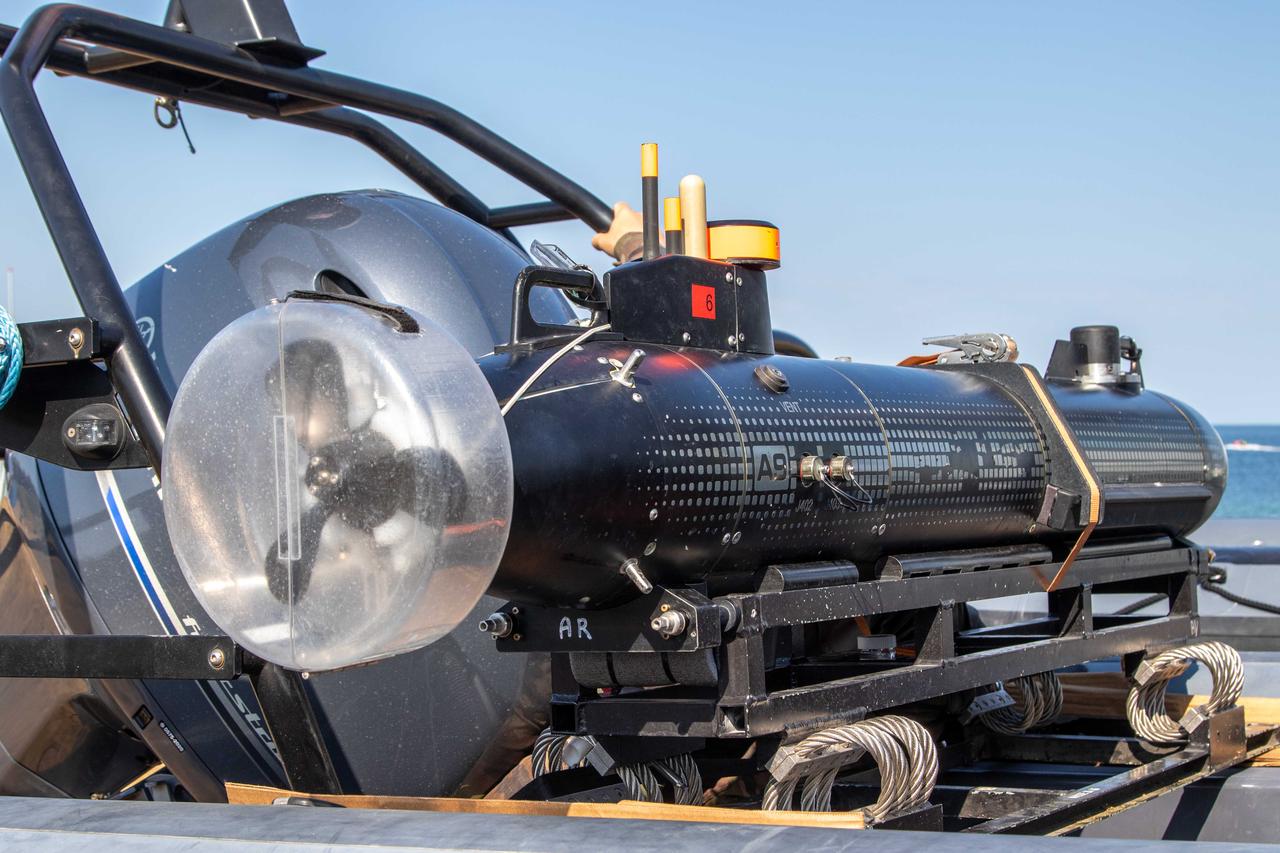
The joint program will develop payloads, sensors, weapons systems, and enabling technologies for uncrewed underwater vehicles, or UUVs, capable of protecting seabed infrastructure, conducting surveillance and reconnaissance, executing strikes, and performing logistics operations.
The systems are also designed for anti-submarine and anti-surface warfare, mine countermeasures, electronic warfare, and what the joint statement described as "contested littoral maneuver."
First capabilities are expected to enter service in 2027 and will be integrated across all three nations' UUV fleets, including future UK SSN-AUKUS submarines.
Healey committed more than £ 150 million (approximately $ 200 million) from the UK. Neither Australia nor the United States announced a specific funding figure. Each nation will initially develop a different type of payload effect, with results designed to be interchangeable and jointly produced.
U.S. Defense Secretary Pete Hegseth called it the first "signature project" under AUKUS's Pillar 2, the arm of the alliance focused on advanced military technologies rather than the nuclear submarine program.
"This signature project will deliver a suite of highly adaptable multi-mission UUV payloads designed to support undersea operations and maintain our collective advantage in the maritime domain," Hegseth said.
Justin Bassi, head of the Australian Strategic Policy Institute, said the announcement sent a deliberate signal. "Democracies are being tested by Russia and China with hybrid threats, including cable cutting and illegal naval actions. This signals that these acts of sabotage and aggression will no longer be tolerated by AUKUS nations," he said.
The three ministers also confirmed a change to Australia's Virginia-class submarine acquisition. Originally, Canberra had been set to receive two used Block IV submarines and one new-build Block VII vessel.
The three allies announced Saturday that Australia would instead acquire three in-service submarines from the existing U.S. Navy fleet, foregoing the new construction entirely.
Marles defended the decision on Sunday as straightforward economic pragmatism.
"In the context of a very complicated endeavor, we need to place a premium on simplicity," he said, adding, "It is definitely cost-effective. And to be clear, this is a very expensive program, and so we are trying to find every cost-effective option as we walk down this path."
He stressed the benefit of uniformity for crews and maintenance personnel, saying, "I cannot overstate the significance of that, both in terms of the submariners who are operating them, but also the people who are working on them to sustain those submarines."
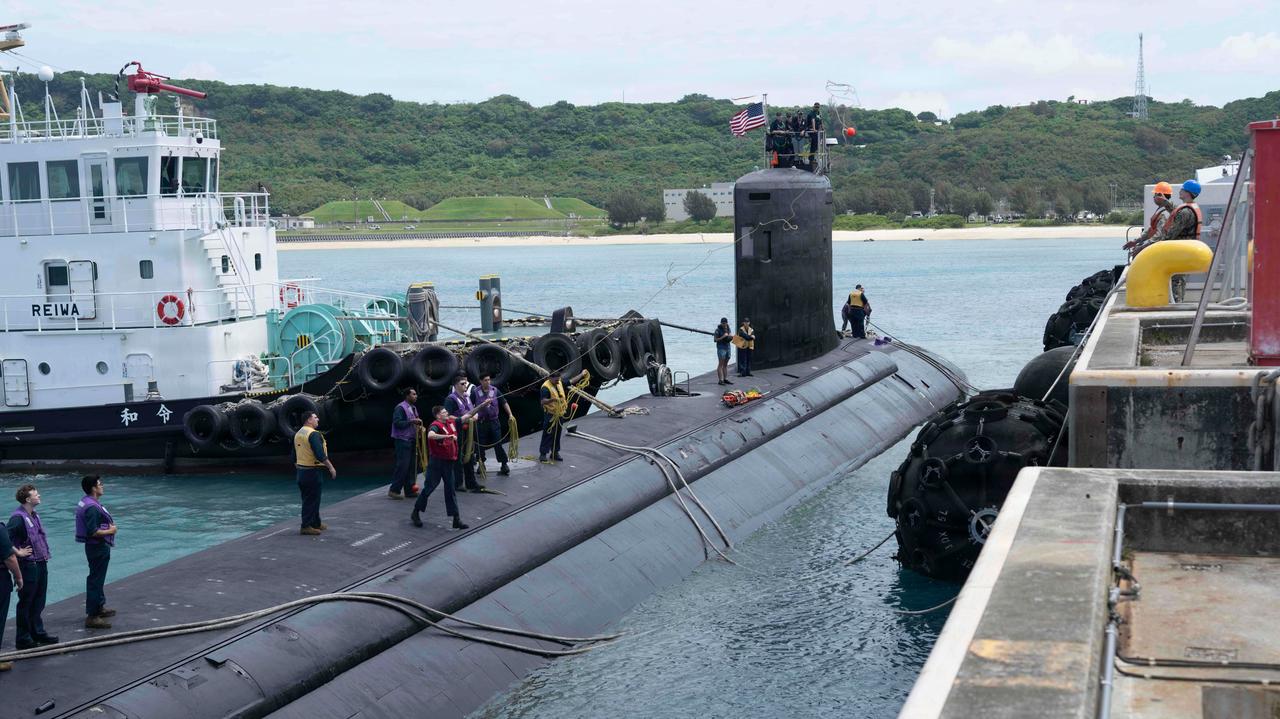
The U.S. Navy currently has 24 Virginia-class submarines, though American shipyards have struggled to meet the target of building two new submarines per year.
Critics in the United States have questioned why Washington would transfer nuclear-powered submarines to an ally without first filling its own fleet requirements. The broader AUKUS submarine program is projected to cost Australia up to $235 billion over 30 years.
Hegseth said the separate plan to rotate existing U.S. and U.K. nuclear-powered submarines through the HMAS Stirling naval base in Western Australia was "still on track," with the first U.S. Navy personnel expected to arrive later this year.
Marles said the base would be ready to host the rotating force by the end of 2027.


 Set as preferred source
 Set as preferred source


 4 min read