Newsletters


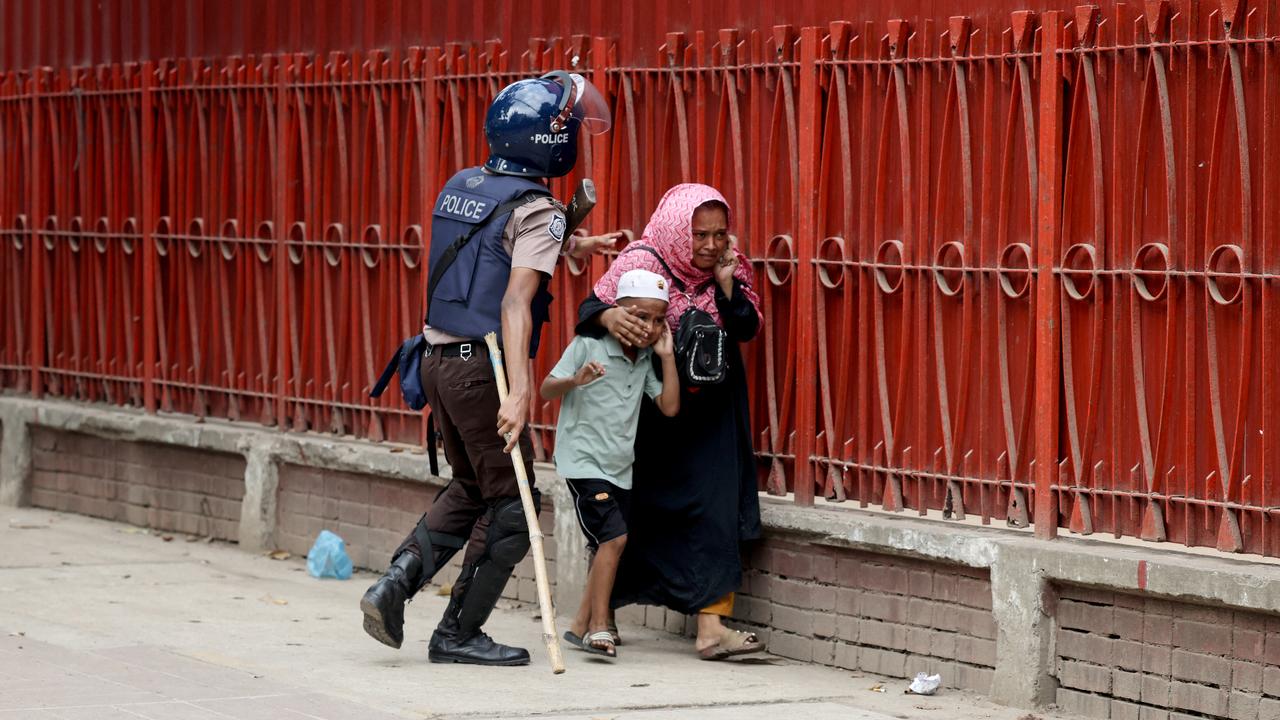
As textile workers in Bangladesh continue protests demanding an increase in the monthly minimum wage, the government has formed a six-member board to set new wages.
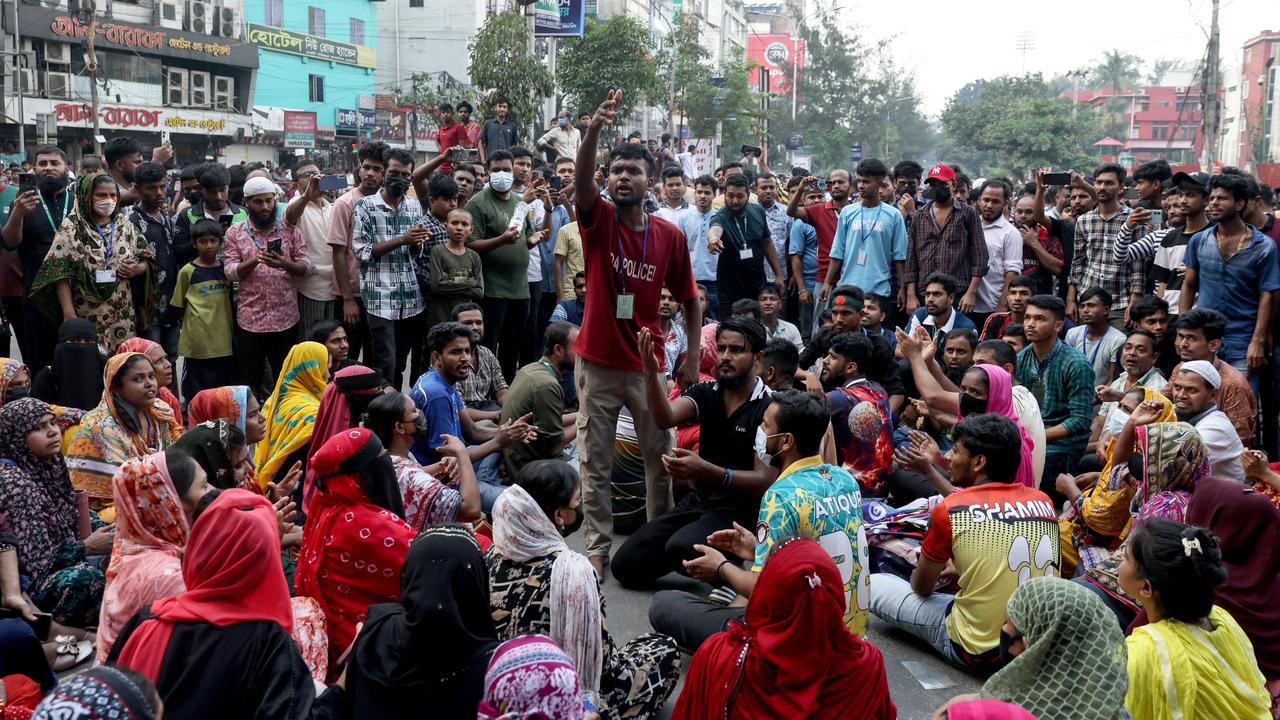
Workers blocked some nearby roads to traffic during demonstrations in the Mirpur area of the capital, Dhaka, according to reports by the Dhaka Tribune newspaper.
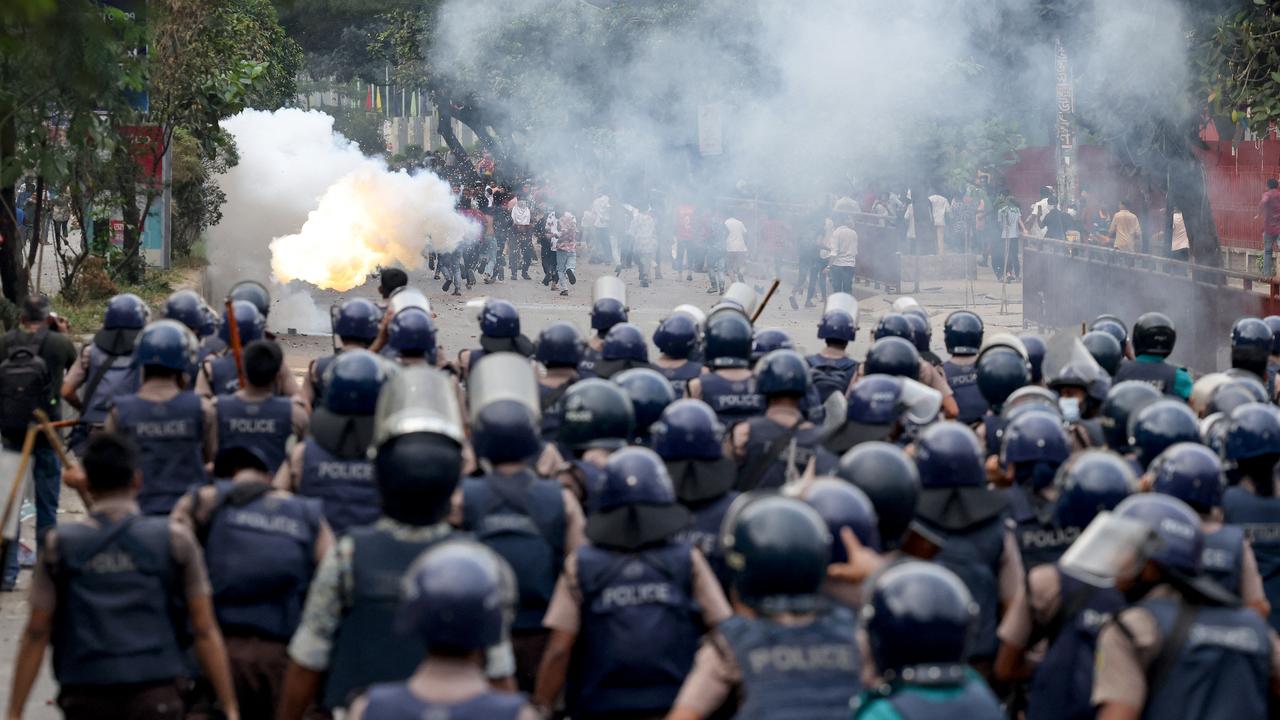
In clashes between police and protesters, police used tear gas and sound grenades, while some workers reportedly threw stones and bricks. Five units from Border Guard Bangladesh were deployed to the area to bring the situation under control. Production was halted at some nearby factories due to the demonstrations.
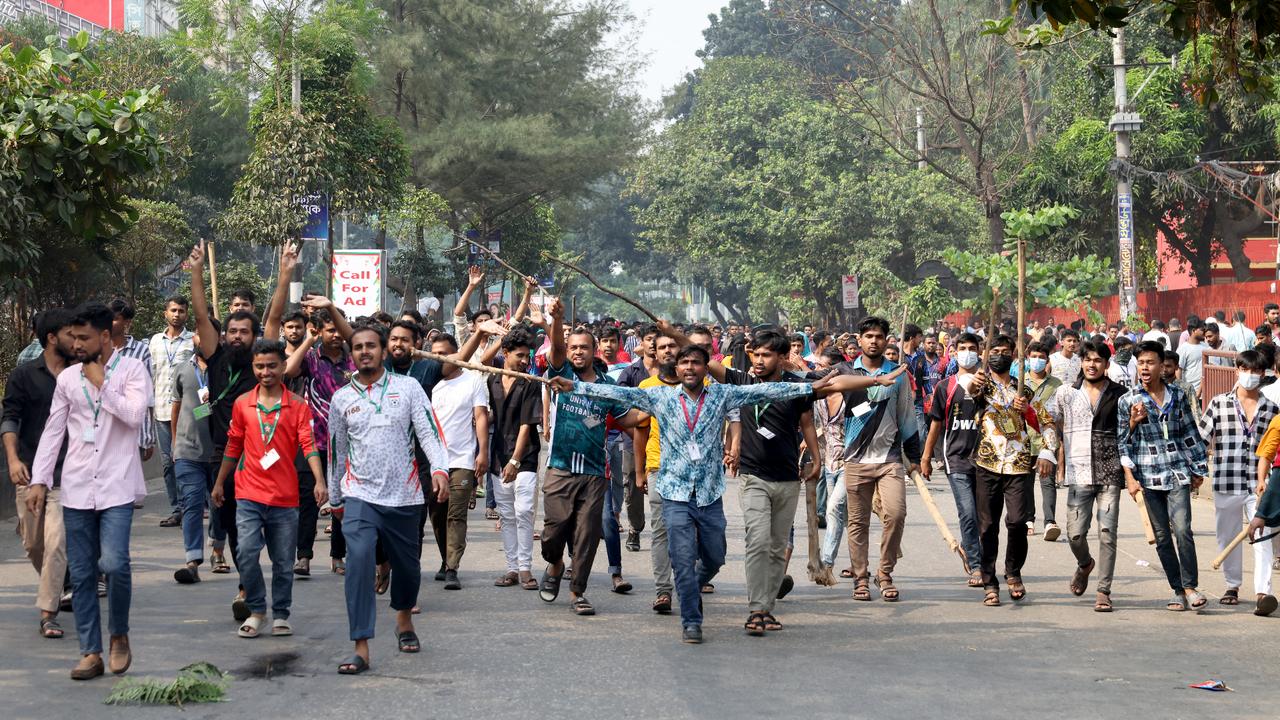
Workers, who are demanding that the current monthly minimum wage be raised from 12,500 taka (about $101) to 30,000 taka (about $241), said price increases in food, housing, transportation and healthcare have eroded their purchasing power.
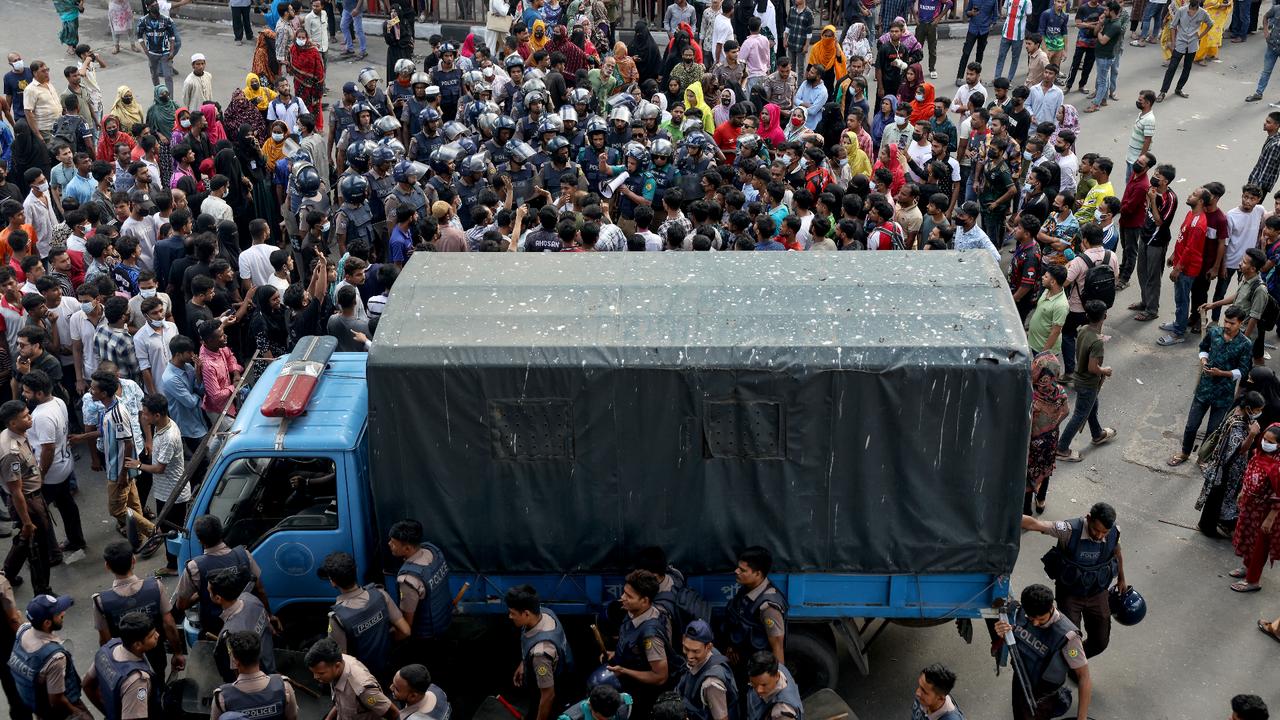
Labor and Employment Minister Ariful Haque Choudhury announced that a six-member wage board had been formed following the ongoing protests in industrial zones. Choudhury called on workers to end street demonstrations and return to work.
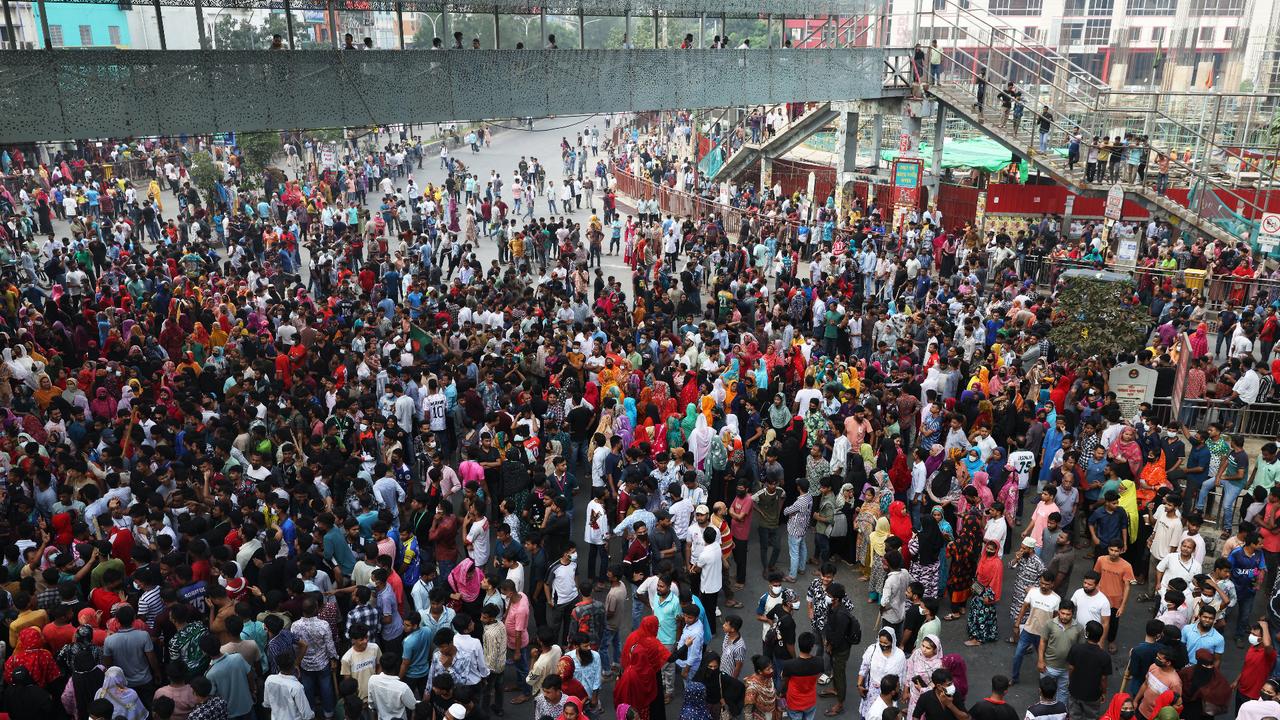
Bangladesh’s ready-made garment sector, which employs about 4 million people, accounts for more than 80% of the country’s export earnings and makes up about 10% of its gross domestic product (GDP).


 Set as preferred source

 2 min read