Newsletters


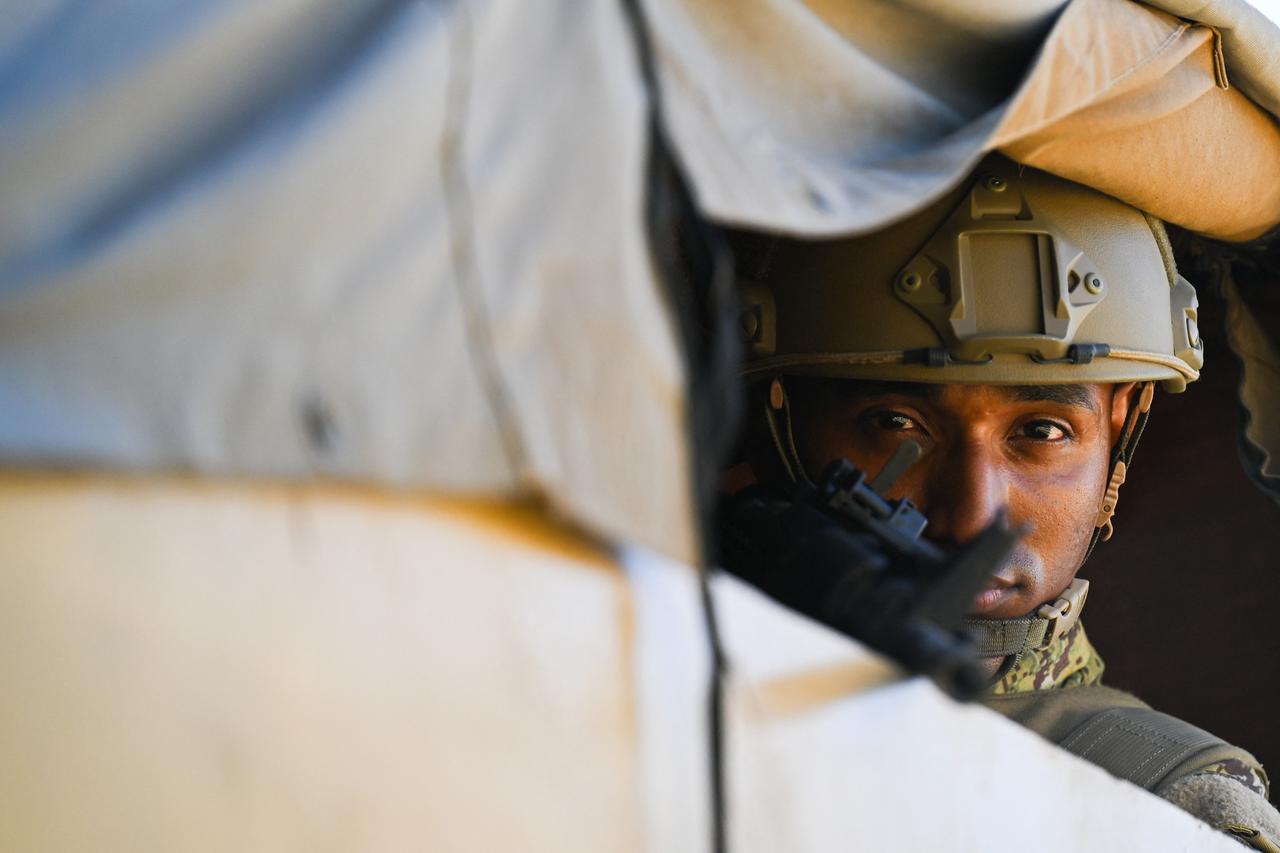


Salvadoran President Nayib Bukele on Saturday defended his country's forces deployed in Haiti against allegations of criminal acts, rejecting claims that they had carried out airstrikes against civilians.
The denial came after the United Nations Association-Haiti (UNA-Haiti), a diaspora group, accused Salvadoran forces of bombing civilian neighborhoods near Port-au-Prince since Oct. 22 and killing children in the process.
"Our mission doesn't even have bombs at its disposal," Bukele wrote on social media platform X, questioning how the alleged attacks could have taken place before the arrival of the Salvadoran attack helicopters.
Bukele said the helicopters arrived in Haiti on Oct. 29, one day before the allegations were reported by Drop Site News, and had not flown a single mission as of Saturday.
He added that the arrival had been widely covered by the media and documented in videos and social media posts.
The allegations were raised by the United Nations Association-Haiti (UNA-Haiti) in an open letter addressed to U.N. Secretary-General Antonio Guterres on Oct. 30.
It accused Salvadoran forces of conducting aerial bombardments, helicopter gunship attacks and heavy weapons operations in densely populated areas near the capital, Port-au-Prince, including Croix-des-Bouquets, Canaan and La Plaine du Cul-de-Sac.
UNA-Haiti demanded an investigation into alleged civilian casualties, saying children were being killed by foreign forces rather than armed gangs.
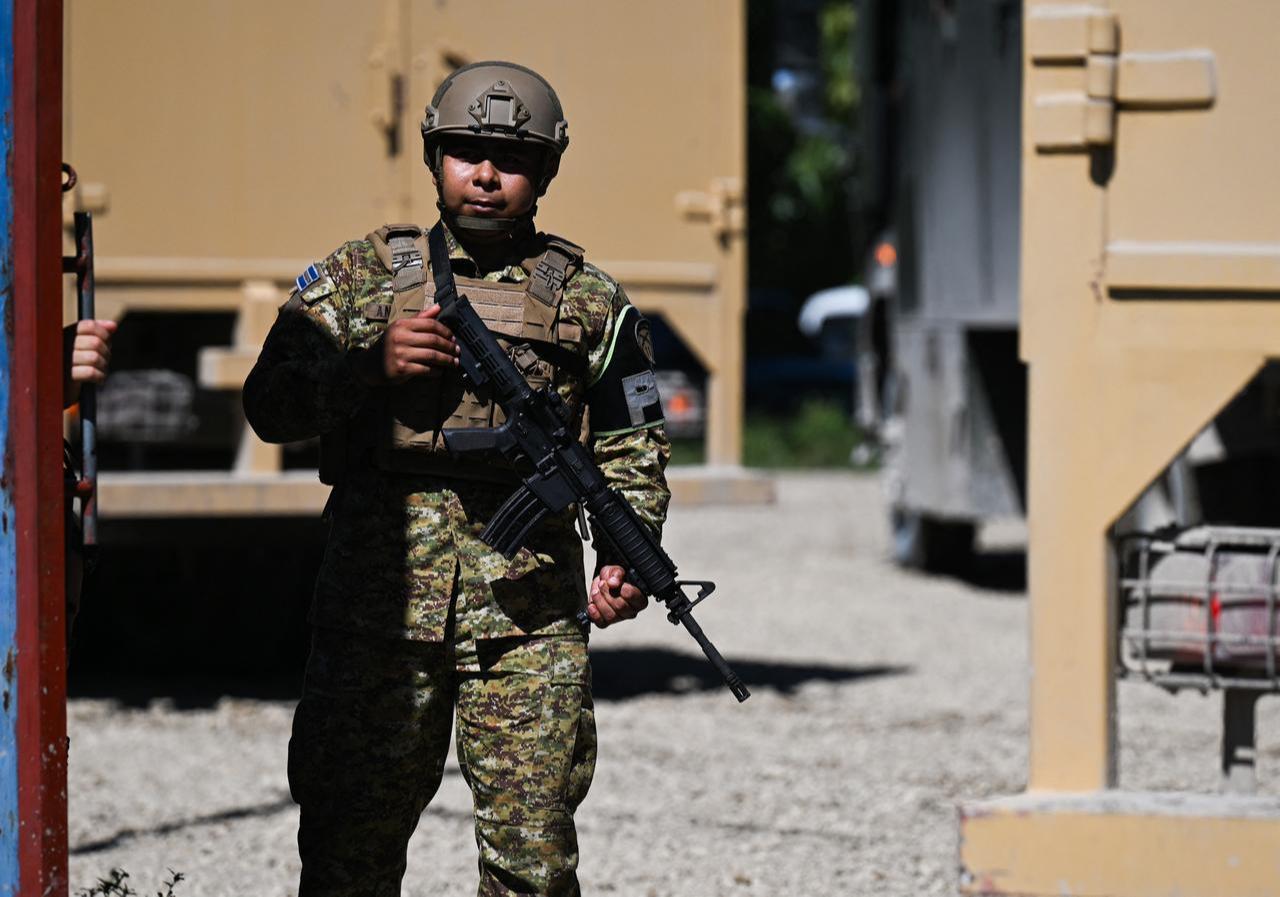

Bukele rejected the accusations and accused non-governmental organizations of spreading false information while exerting influence over international organizations.
He described the organizations as lobbying groups for criminal gangs operating under the guise of humanitarian organizations.
The allegations of aerial attacks have not been independently verified.
El Salvador deployed troops to Haiti following an Oct. 18 gang ambush in which four Salvadoran aviation technicians serving with a U.N.-backed force went missing.
“Our mission is not to wipe out the gangs in Haiti,” Bukele told reporters at a news conference on Oct. 29, adding that troops would rescue the technicians by force if they were not handed over.
More than 2,000 Salvadoran troops flew into Haiti in just over a week as of Oct. 29, effectively doubling the number of foreign soldiers in the Caribbean country, Agence France-Presse reported.
The Salvadoran troops are not operating under a U.N. framework, and Haitian authorities have referred to the deployment as “security cooperation” without disclosing its legal basis.
The U.N.-backed Gang Suppression Force (GSF), which replaced a Kenya-led mission, has deployed around 2,000 troops.
The Pentagon confirmed to Agence France-Presse that it sent at least two military aircraft to Port-au-Prince for logistical support last week. The State Department has meanwhile not commented.


 Set as preferred source
 Set as preferred source


 1 min read
 1 min read