Sign in
 Newsletters




China on Sunday urged the United States to withdraw proposed restrictions on Chinese telecom operators' direct access to American phone numbers, warning that it would take measures to protect its interests.
"The US Federal Communications Commission (FCC) abused its regulatory powers and overstretched the concept of national security, while making arbitrary accusations against Chinese telecom companies without factual basis and maliciously undermining their operations in the United States," Xinhua news agency quoted a Chinese Commerce Ministry spokesperson as saying.
On Thursday, the FCC voted to adopt a proposal barring Chinese telecom operators, including China Mobile, China Telecom and China Unicom, from directly accessing U.S. phone numbers, citing national security concerns.
The measure is designed to prevent scam-related robocalls. "With this decision, the FCC will be strengthening our first line of defense against bad actors and illegal robocallers," FCC Chair Brendan Carr said in a statement on Oct. 28, when the commission announced the proposal.
The FCC previously barred China Mobile, China Telecom and China Unicom from providing international telecommunications services to the U.S.

The Chinese spokesperson described the proposed restrictions as a violation of the principles of nondiscrimination and fair competition.
The spokesperson said the measures contradicted the consensus reached by the leaders of China and the U.S. and threatened the stability of bilateral economic and trade relations.
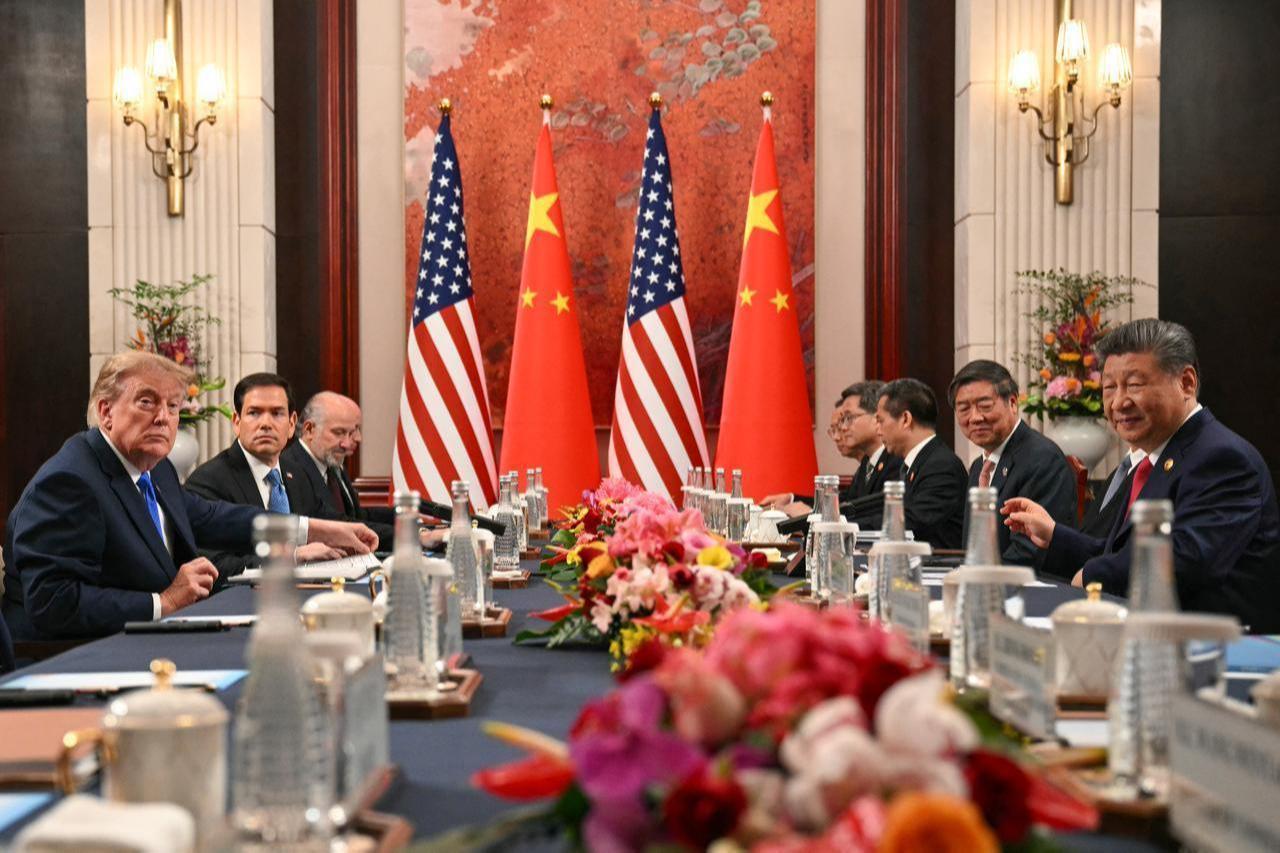
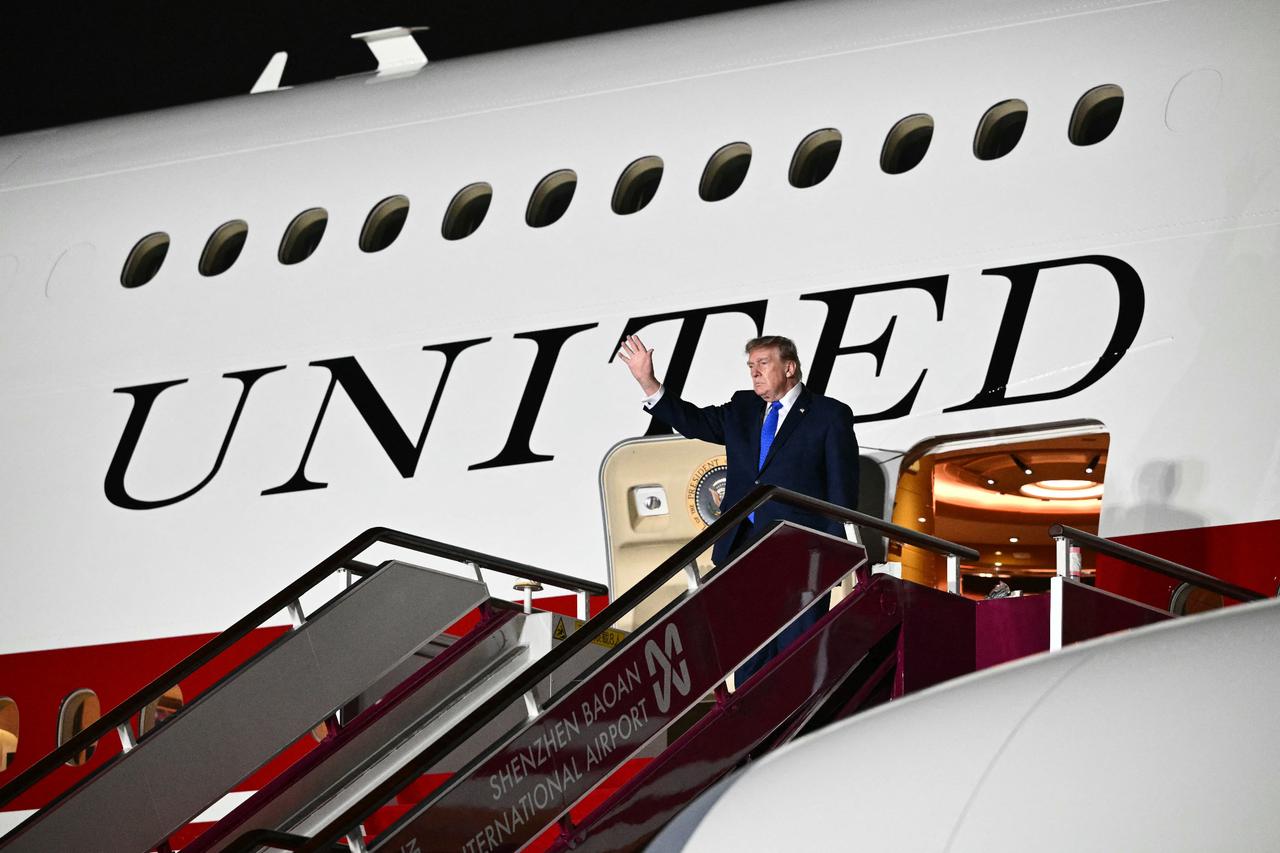
U.S. President Donald Trump and Chinese President Xi Jinping met on Nov. 19, the same day as the FCC vote, on the sidelines of the Asia-Pacific Economic Cooperation (APEC) summit in Shenzhen. The meeting lasted 13 minutes and covered major economic and security issues.
Ahead of the summit, senior U.S. and Chinese officials exchanged concerns over trade restrictions and the implementation of commitments the two leaders reached in Busan, South Korea, in October 2025.
Beijing urged Washington to "immediately rescind the measures and return to the right way of resolving issues through consultations."
China would take "necessary" measures to "firmly" safeguard its interests, the spokesperson added.
Washington's concerns over Chinese access to U.S. telecommunications infrastructure have grown in recent years. In December 2024, the White House confirmed that a ninth American telecom company had fallen victim to a sweeping Chinese cyberespionage campaign attributed to a hacking group known as Salt Typhoon.


 Set as preferred source
 Set as preferred source


 1 min read

 1 min read