

 Sign in
 Newsletters


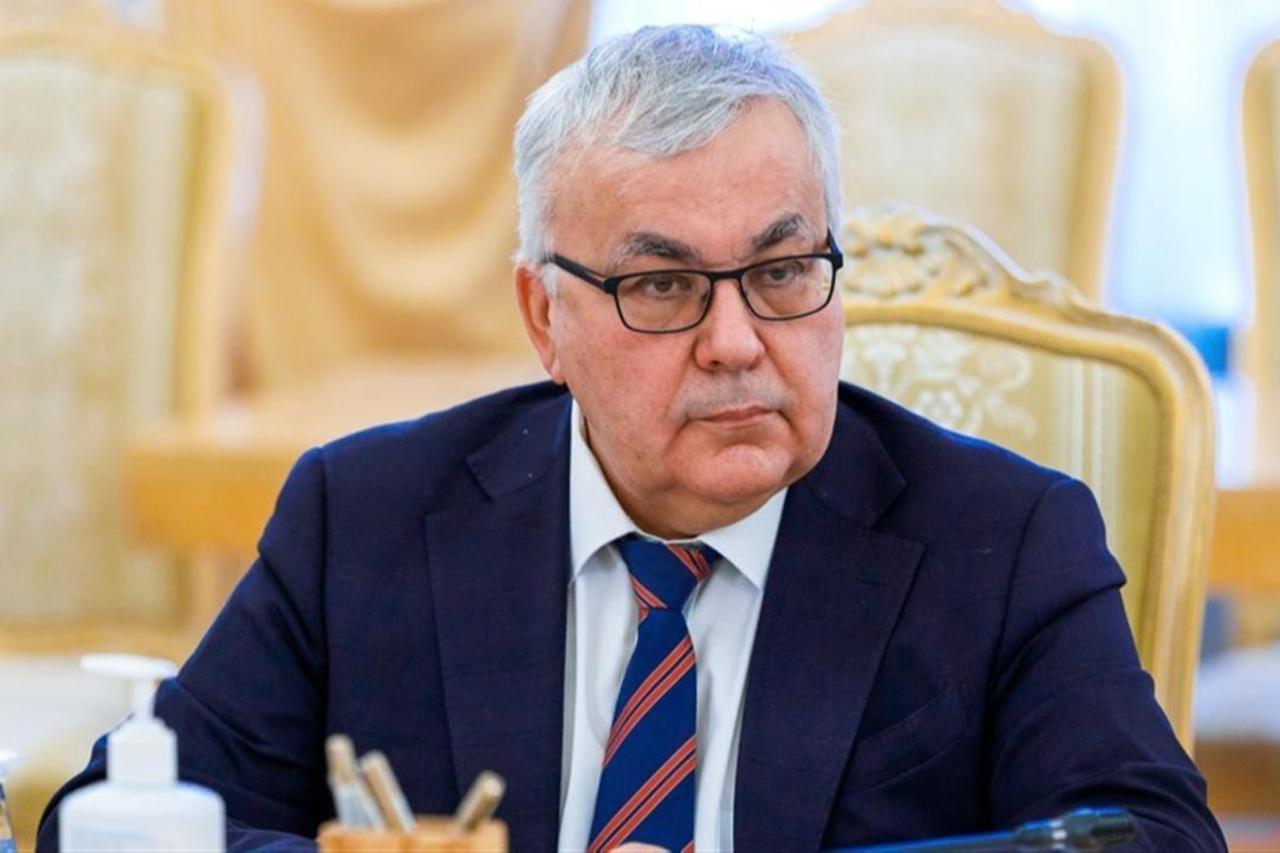


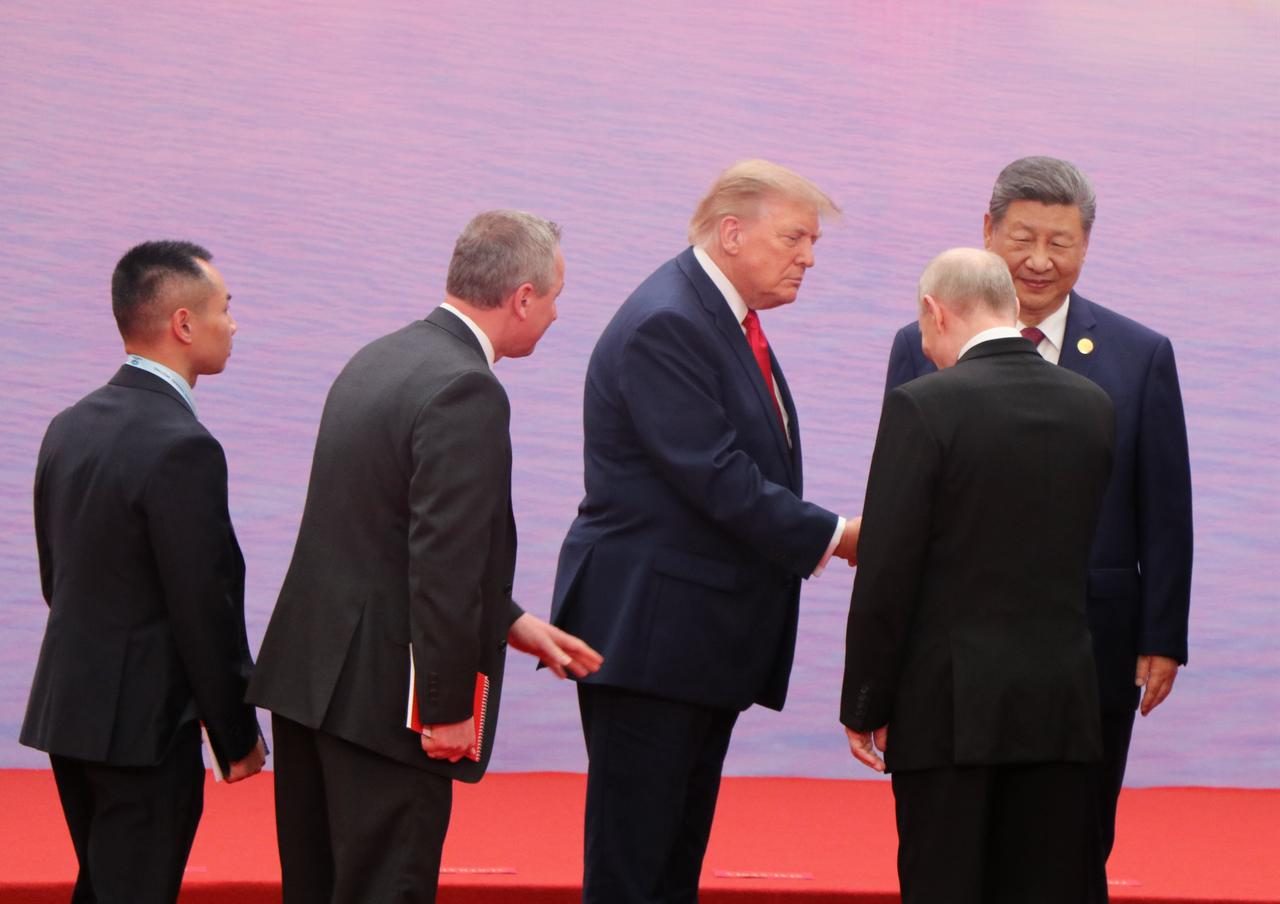
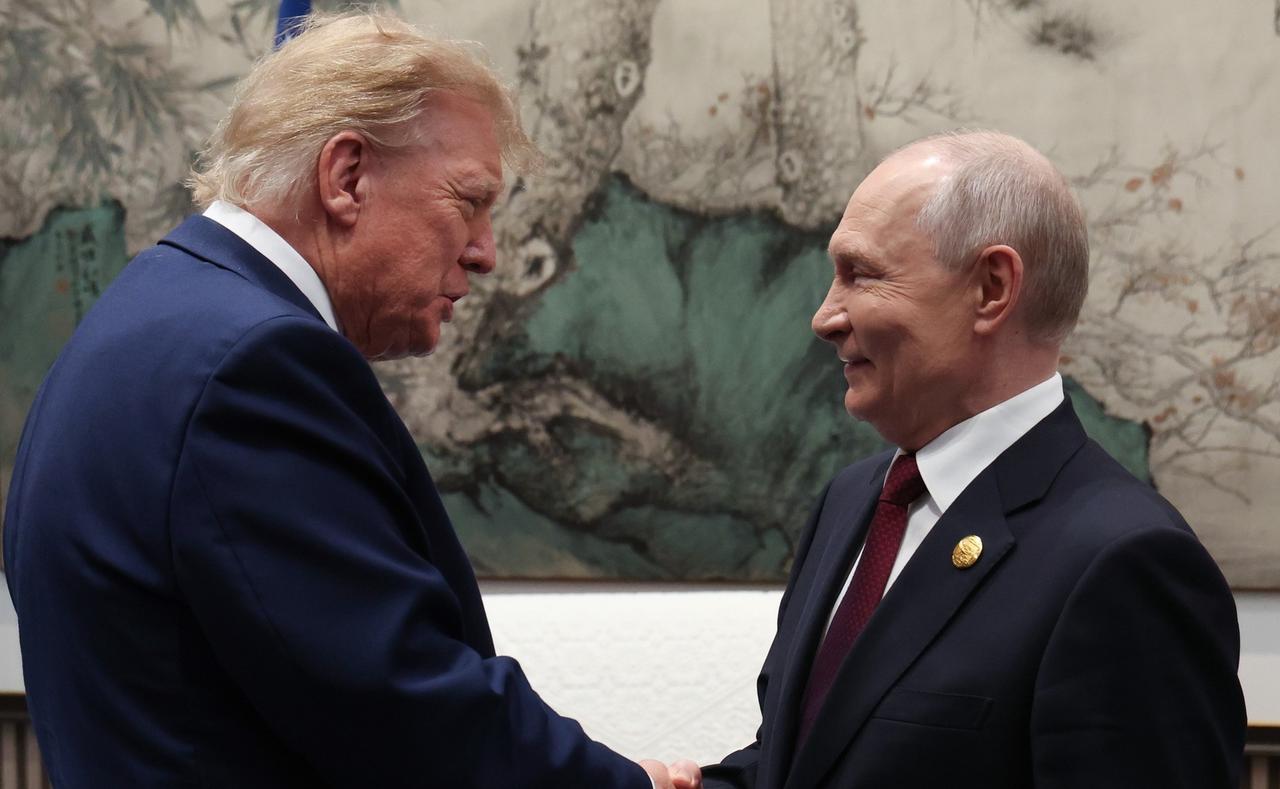
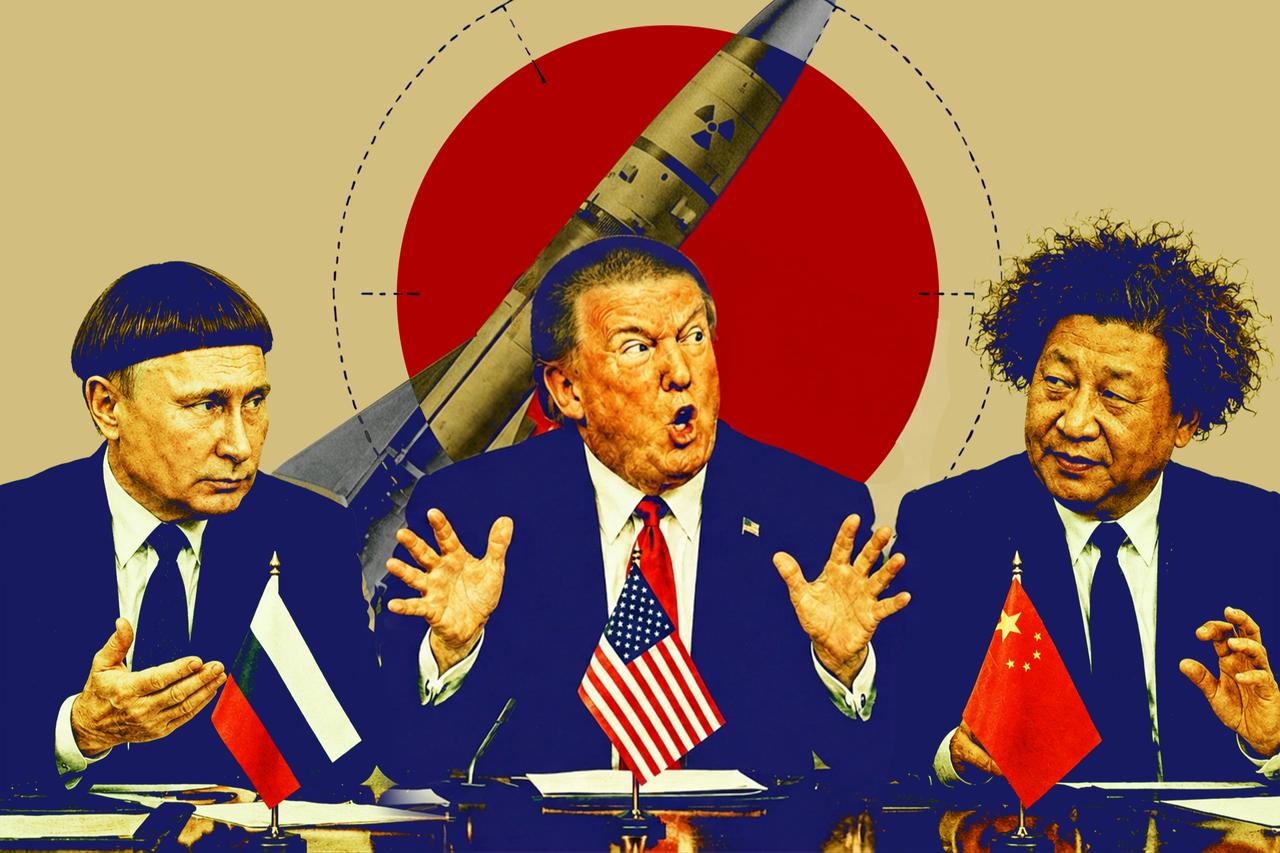
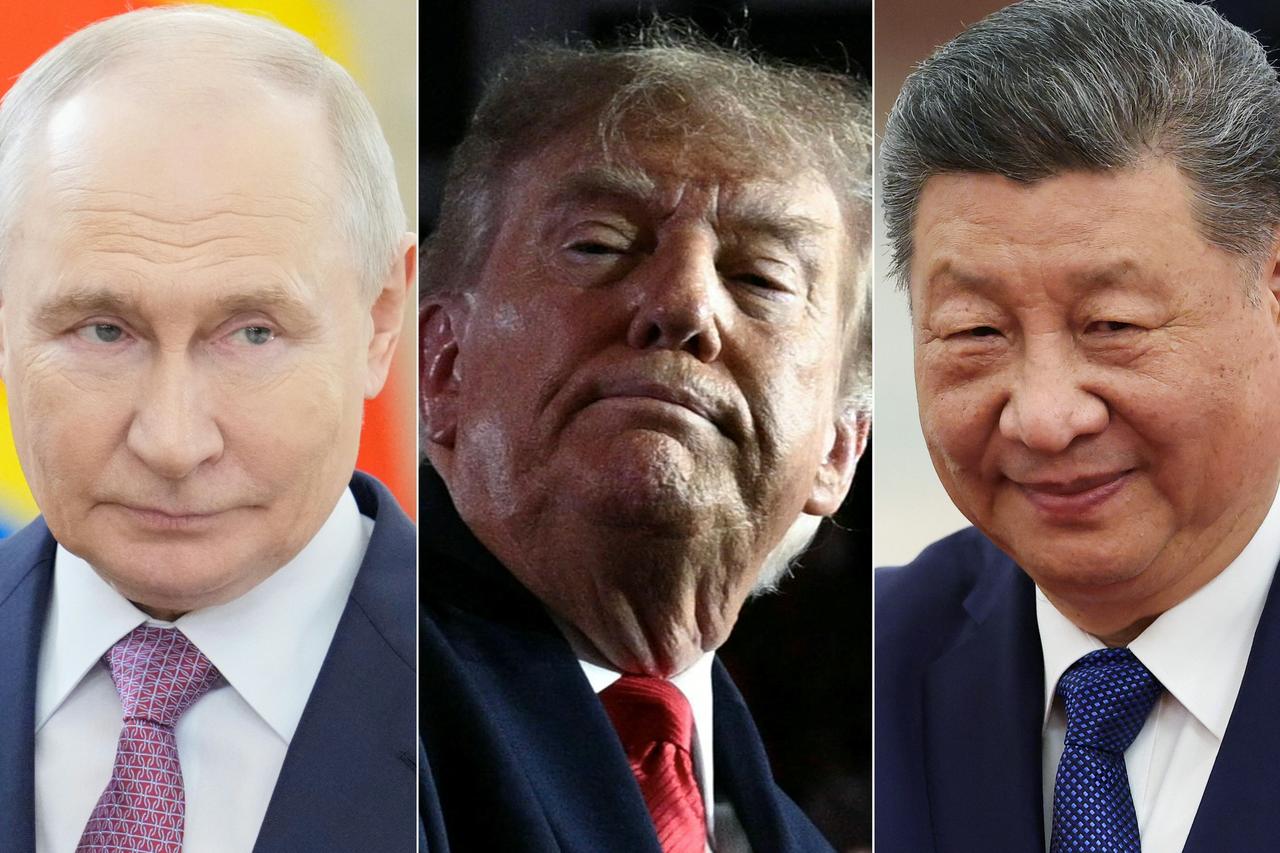
Russia believes the world is moving toward a new multipolar order and wants to reshape international security arrangements, its ambassador to Türkiye, Sergey Vershinin, said in an interview with Turkish newspaper Hurriyet published Thursday, as the leaders of Russia, China and the United States gathered for an unprecedented trilateral summit.
Speaking to Turkish media outlet Hurriyet ahead of the meeting between Russian President Vladimir Putin, Chinese President Xi Jinping and U.S. President Donald Trump in Shenzhen, Vershinin said the summit reflected a broader transformation in international relations.
"We are inevitably moving toward a new order in the world," Vershinin said, arguing that the emerging international system should be multipolar.
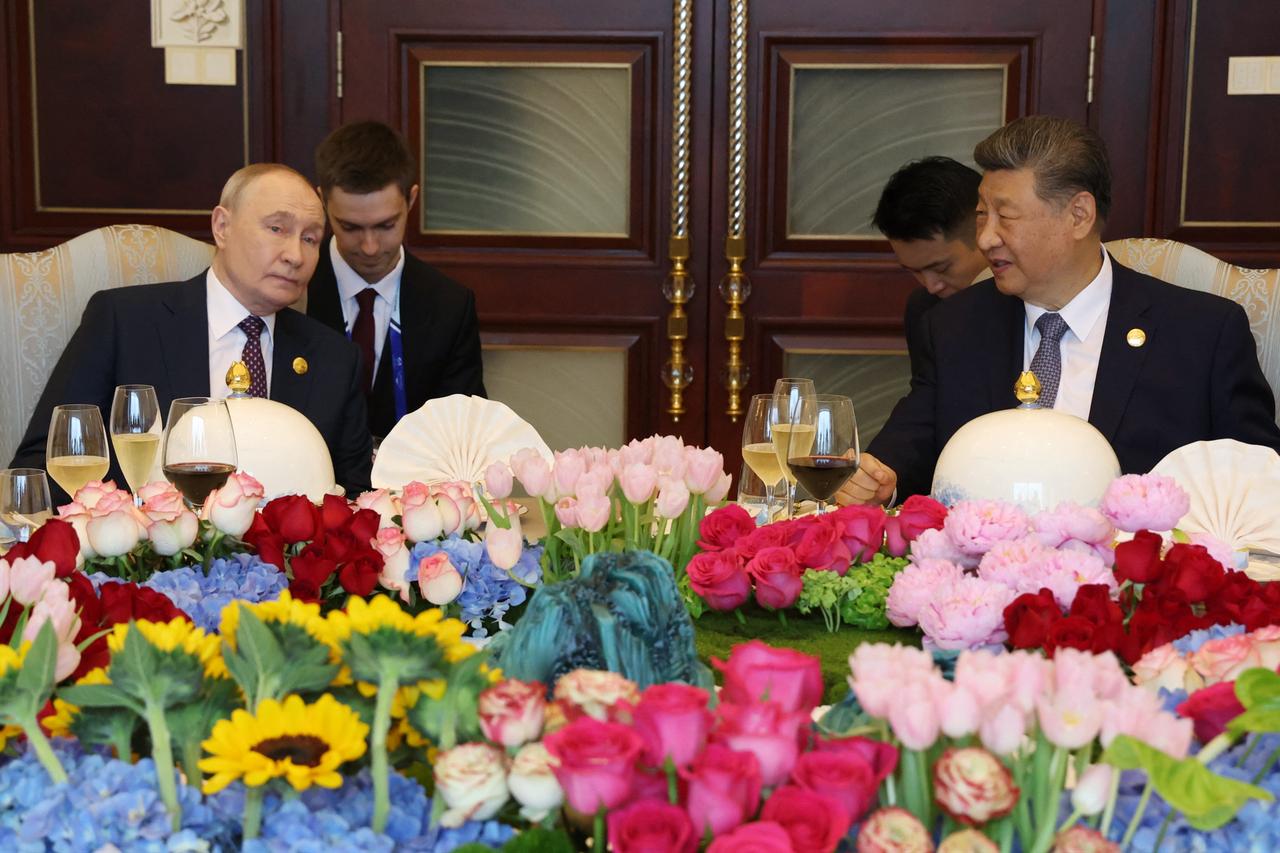
The three leaders met Thursday on the sidelines of the Asia-Pacific Economic Cooperation (APEC) summit in Shenzhen, with Beijing describing the gathering as a China-Russia-U.S. summit.
China's Foreign Ministry said earlier this week that the leaders would discuss "issues concerning global peace," amid ongoing conflicts in Ukraine and the Middle East.
Nuclear arms control, regional conflicts and international economic relations were also expected to feature in the discussions, although no official agenda had been released.
Vershinin said Moscow hoped the meeting would have a positive impact on international relations, emphasizing the importance of dialogue among major powers amid heightened geopolitical tensions.

Vershinin warned that the erosion of international agreements governing strategic weapons had weakened global stability and called for renewed negotiations on nuclear disarmament.
The ambassador argued that Moscow had not initiated the dismantling of previous U.S.-Russian arms control agreements and remained willing to engage in detailed discussions on strategic stability.
He also questioned whether international institutions established after World War II continued to reflect the balance of global economic and political power.
According to Vershinin, countries such as China, India, Indonesia and Malaysia now play a significantly greater role in the international system, while existing institutions have struggled to accommodate those changes.
He specifically pointed to China's representation in international financial institutions, arguing that it did not correspond to Beijing's economic weight.
Vershinin accused established powers of resisting reforms that would give emerging economies greater influence.
Addressing warnings from European governments about the possibility of future Russian military aggression against NATO countries, Vershinin rejected claims that Moscow intended to attack another country.
He said Russia had no such plans and accused European and NATO governments of using the perceived Russian threat to justify increased defense spending and continued military support for Ukraine.
European governments have disputed Moscow's assurances, citing Russia's invasion of Ukraine and its military buildup as reasons to strengthen their defenses.
On the war in Ukraine, Vershinin reiterated Moscow's opposition to any deployment of NATO forces on Ukrainian territory, including under potential postwar security arrangements.
He argued that such a deployment would represent a continuation of the confrontation rather than a durable settlement.
Russia has separately warned that foreign troops stationed in Ukraine following a peace agreement could be considered military targets.
The ambassador also repeated Moscow's position that the status of Donetsk, Luhansk, Kherson and Zaporizhzhia had been settled through referendums held in 2022.
The United Nations General Assembly rejected those votes as illegal and declared that they provided no basis for changing the internationally recognized status of the Ukrainian regions.
Vershinin said Moscow favored establishing a wider Eurasian security architecture based on the principle of "indivisible security," under which countries would be expected to consider one another's security concerns.
He argued that no state should strengthen its own security at the expense of another and acknowledged that building such a framework would take years.
The ambassador also criticized European proposals to deploy troops to Ukraine following a potential ceasefire.
He accused European leaders of seeking to maintain economic advantages by restricting Russia's participation in global oil and gas markets.
Vershinin, who previously served as Russia's deputy foreign minister, was appointed ambassador to Türkiye by Putin in February and arrived in Ankara in March.


 Set as preferred source
 Set as preferred source


 1 min read

 1 min read


