Newsletters


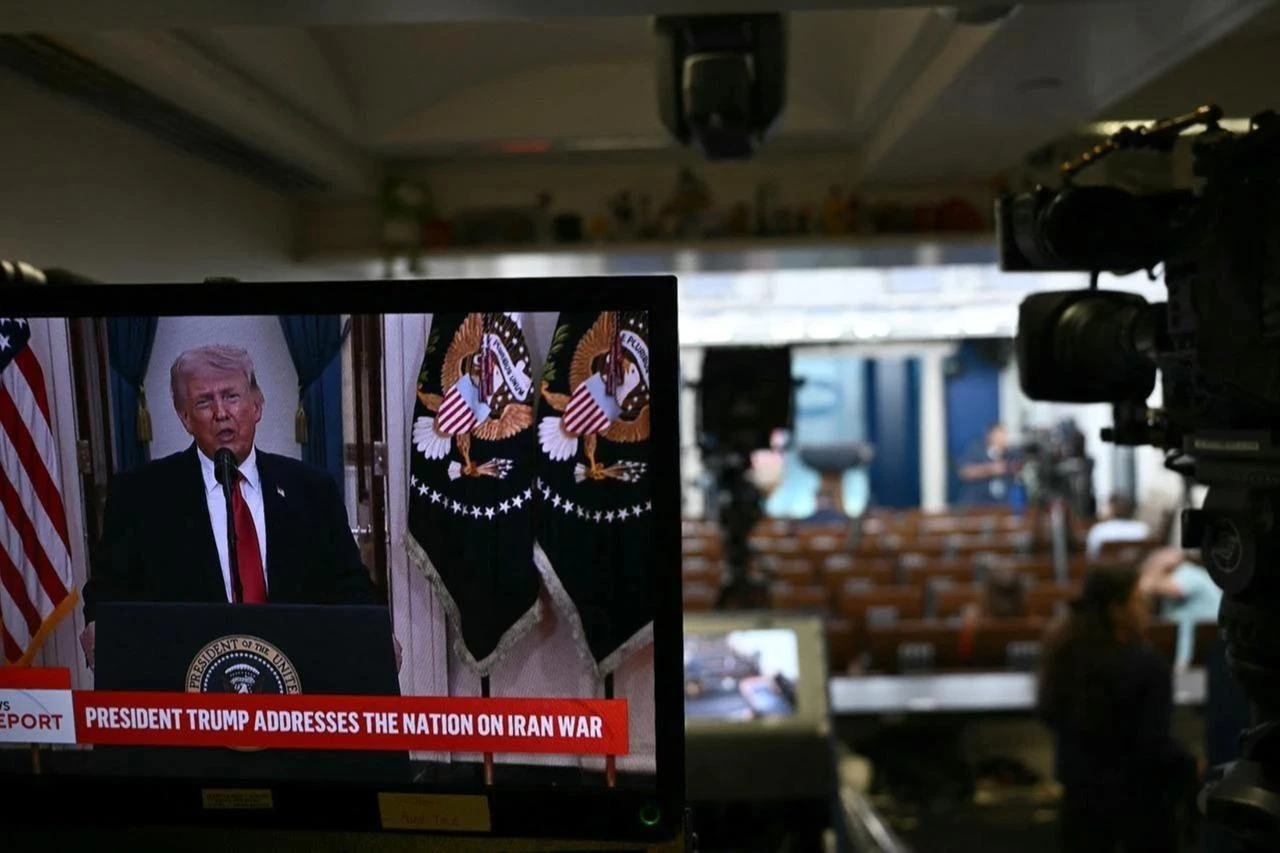


In 1965, President Lyndon B. Johnson believed the United States was rich enough to fund both his domestic "Great Society" reforms and a war in Vietnam at the same time, a doctrine that came to be known as "guns and butter."
By 1968, the attempt to pay for both without raising taxes had produced a runaway inflationary spiral, and with it, the collapse of the American middle class' trust in Washington. Johnson did not seek reelection.
Six decades later, a version of that same pressure is building again. The White House has asked Congress for tens of billions of dollars in supplemental defense spending to sustain a campaign of iterative force against Iran, even as the domestic economy shows signs of overheating.
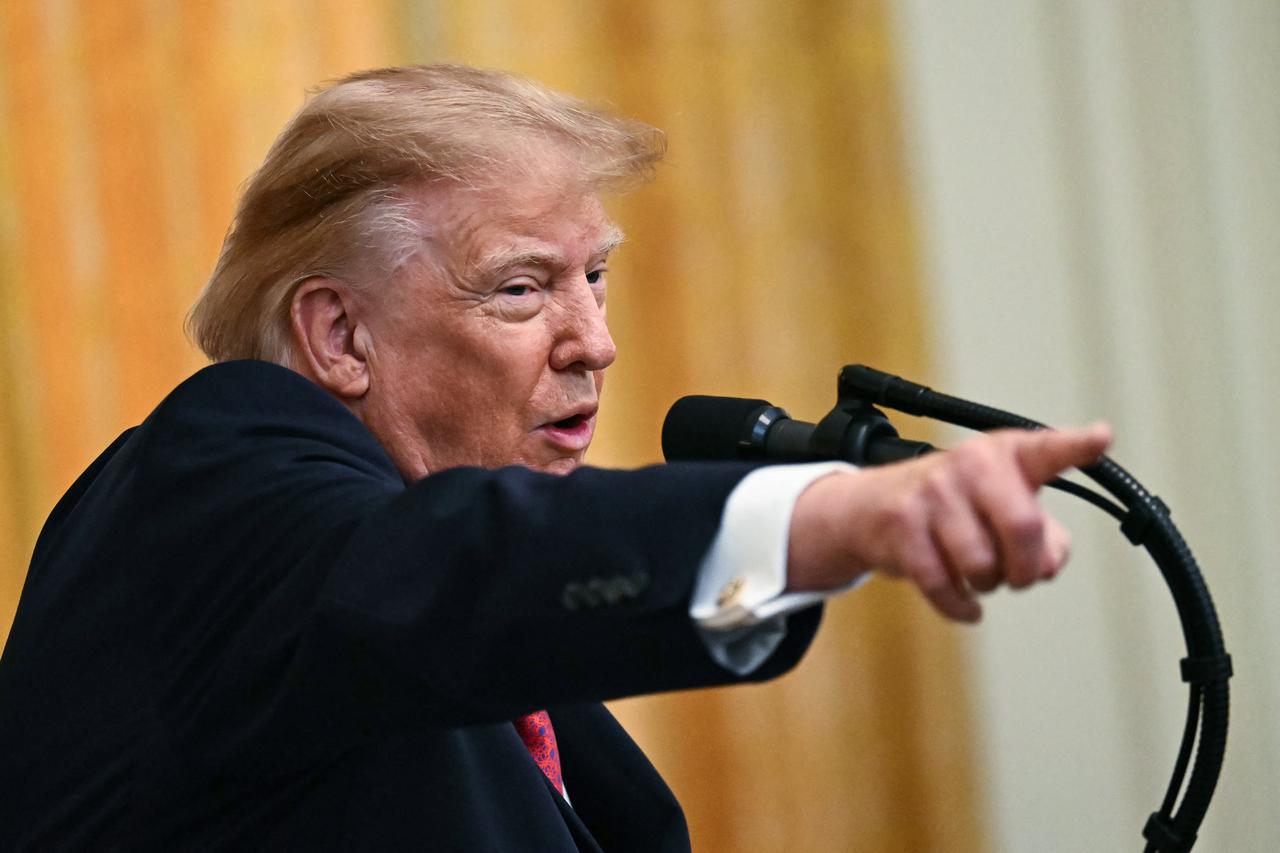
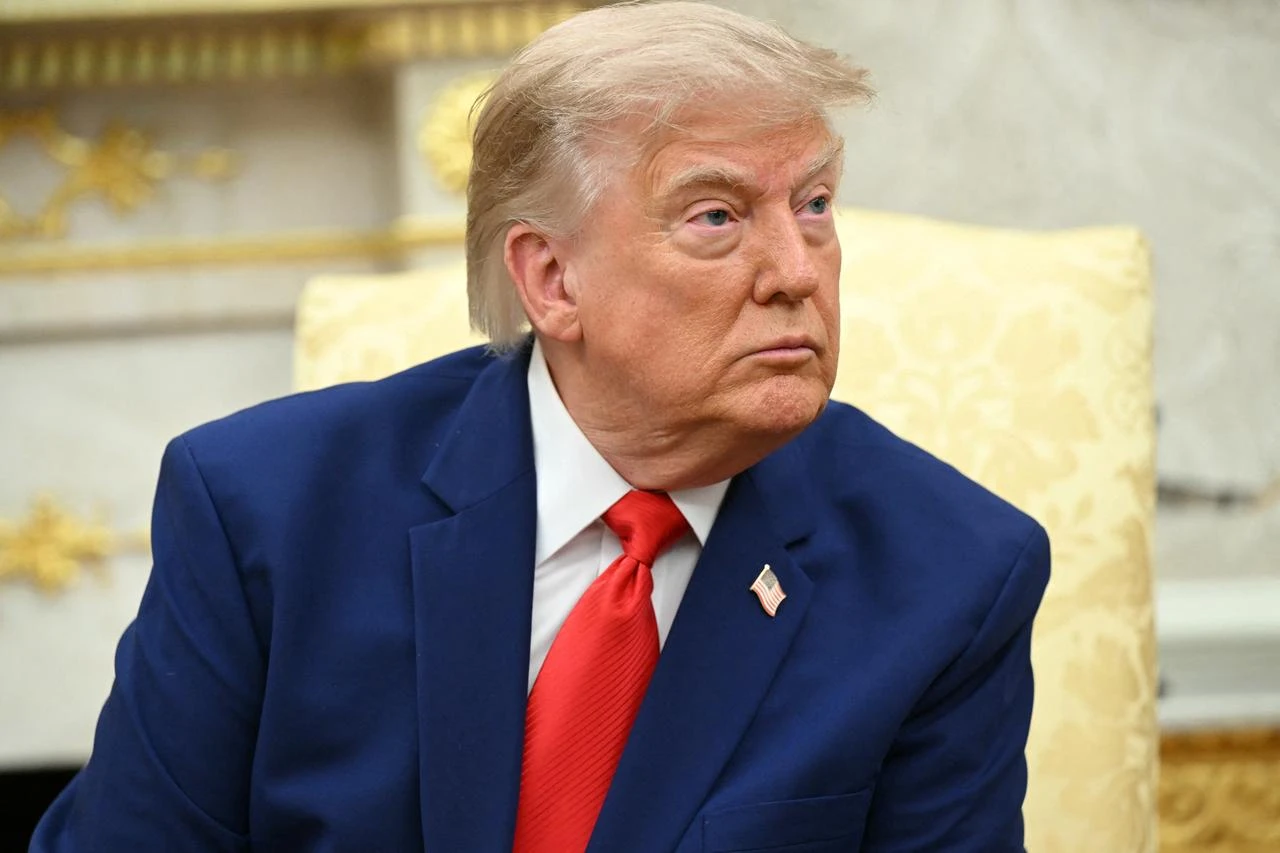
In Washington, President Trump says he is weighing a "massive attack" against Iran, one "bigger than ever before." At home, 76% of Americans rate the economy negatively, according to a Fox News poll.
The question now is whether he should keep doing so while gas sits above $4 a gallon and inflation runs at a three-year high, and what happens to his presidency if the answer is yes.
Inside the administration, the case for continued pressure on Tehran rests on a specific self-image that Trump is finishing a job no other president since Jimmy Carter has been willing to start.
Supporters frame the campaign as securing chokepoints one at a time—Venezuela, Iran, and eventually Cuba—and taking on adversarial regimes directly rather than managing them indefinitely.
In this reading, the regime in Iran is not a negotiating partner but a target, and the political cost of confronting it is treated as the price of keeping the deterrence rather than evidence of a miscalculation.
That framing has a regional logic behind it. No American ally in the Middle East, from Israel to the Gulf states, wants to see Iran cross the enrichment threshold. Washington's obligation to act, in this view, is not abstract; it is the price of remaining the region's security guarantor.
A nuclear-capable Iran threatens the entire architecture of American influence built since the Cold War, or at least that's the argument officials close to the White House are making.
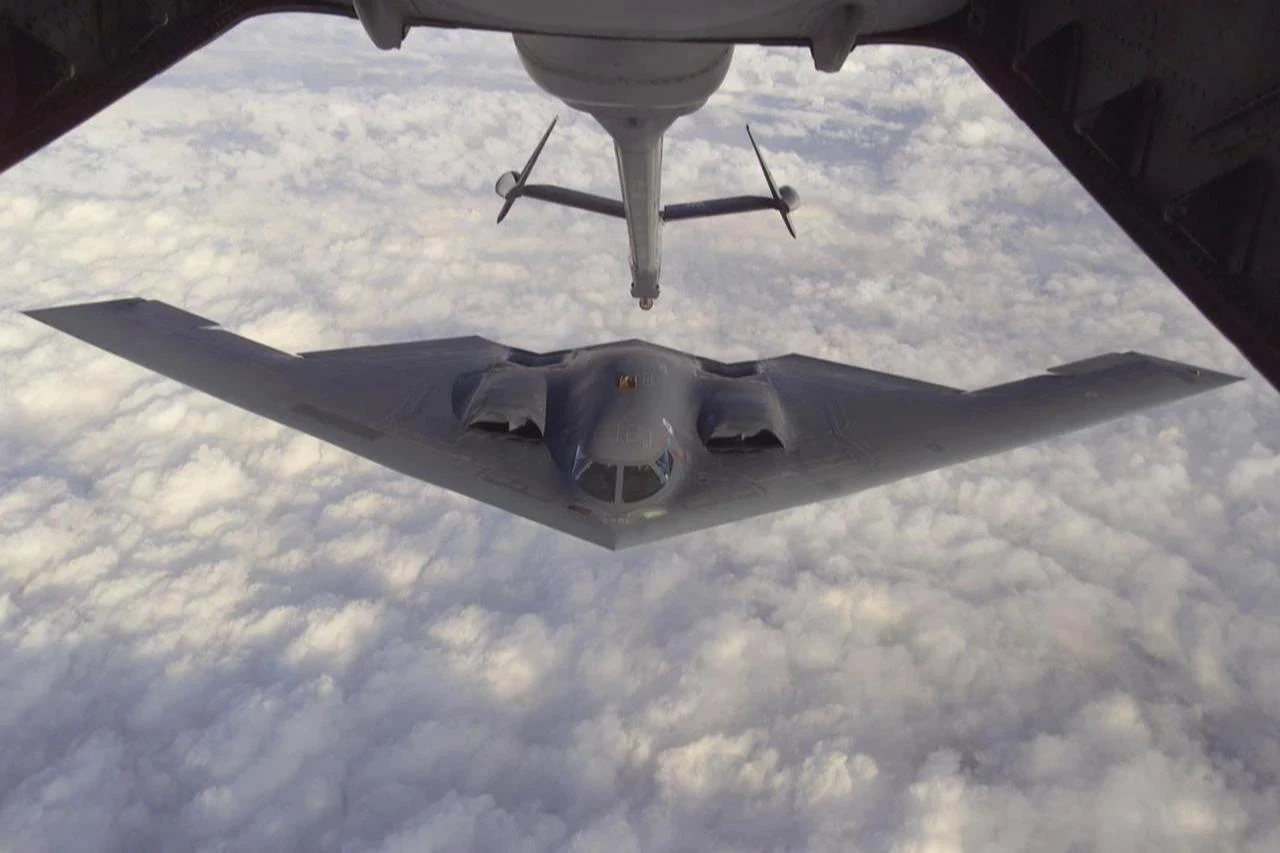

What critics describe as randomness, the administration frames as iteration, a cycle familiar from Latin American cartel diplomacy and now applied to the Gulf: plata o plomo, silver or lead.
Tehran was offered the bribe first in the June 2026 memorandum of understanding. Washington floated sanctions relief on Iranian oil, the potential unfreezing of hundreds of millions of dollars, even the outline of a fund. Iran declined it. What follows the rejected bribe, in this doctrine, is the bullet.
The escalation has moved in stages. First came the military posture: CENTCOM assets left in place, carrier strike groups deployed, none of it withdrawn even as the costs mounted. Then came the financial threat. Trump has said any damage Iran inflicts on shipping in the Strait of Hormuz will be paid for out of frozen Iranian funds already in U.S. custody.
Now the administration is signaling a further step, a series of strikes on infrastructure closer to civilian life, power plants, bridges, the kind of targets that mark a shift from deterrence to something closer to attrition.
The trouble with iteration is that it assumes the other side keeps running out of road. Critics inside Washington's foreign policy establishment argue the opposite has happened.
Dropping bombs without any commitment of ground forces, they say, has not produced regime change or even a clearly weakened adversary; it has left the IRGC more entrenched and Iran with tighter control over Hormuz than before the campaign began.
The comparison to the Obama-era nuclear deal, which pulled 97% of Iran's enriched uranium out of the country through a multilateral framework involving China and the European Union, is still invoked as a benchmark.
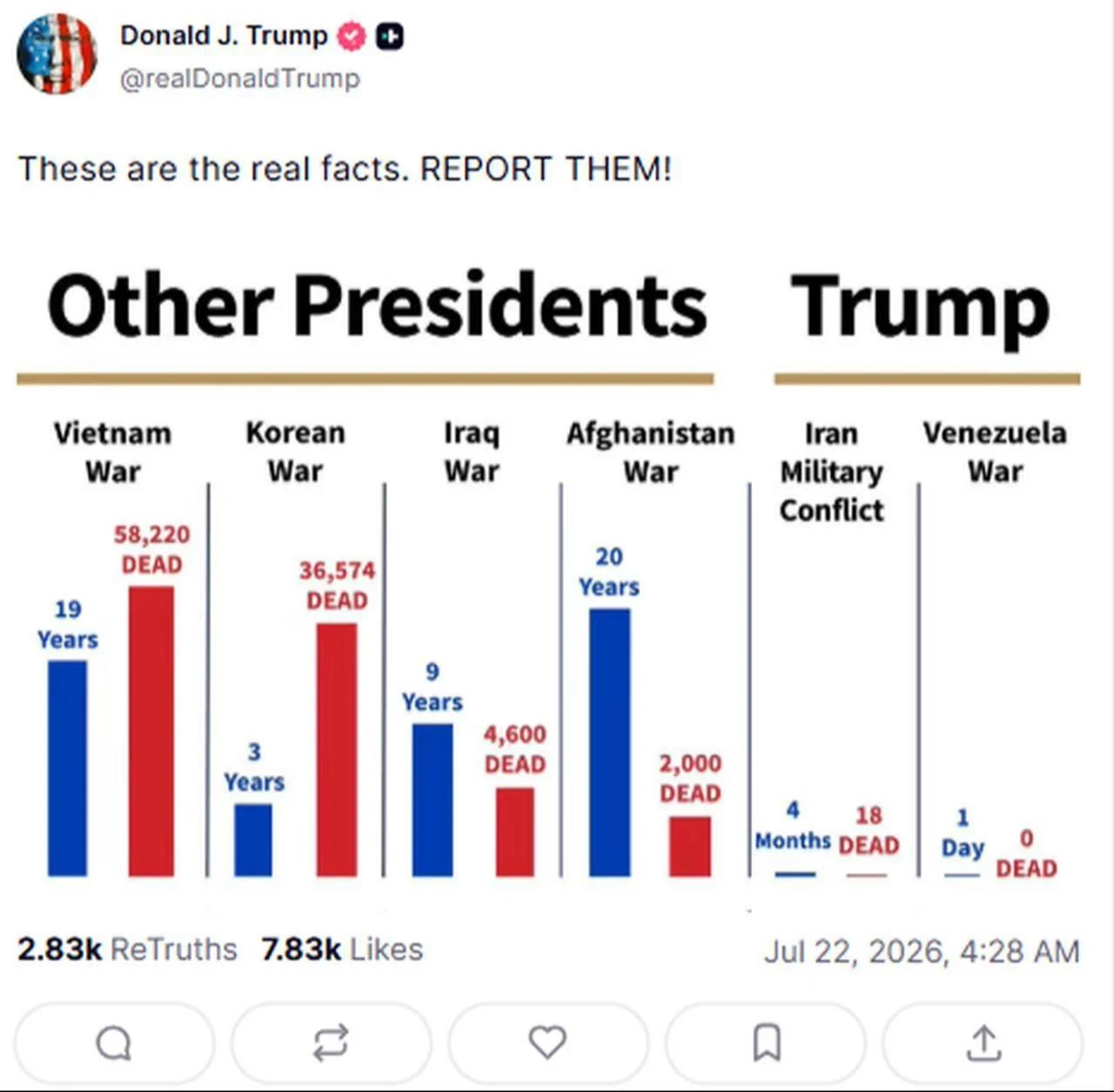
The bill for that iteration is now itemized. The Pentagon has reported $37 billion in direct war expenditures. The White House has requested an additional $87 billion in supplemental funding, with $67 billion of it earmarked for the Department of Defense to replenish stockpiles of high-end interceptors and munitions drawn down over the campaign. Carrier deployments, downed aircraft, and expended missile inventory make up the rest of the tab.
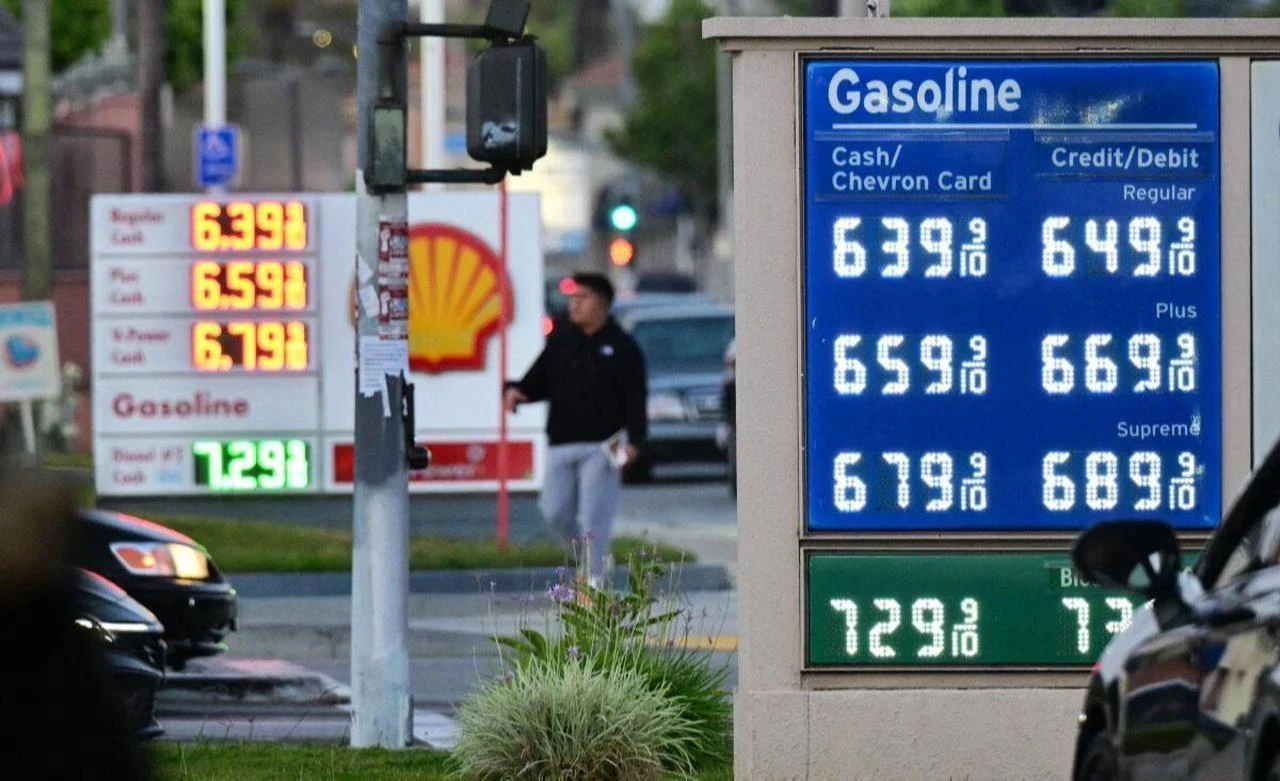
That spending does not stay contained to the Pentagon's books. Disruption at the Strait of Hormuz has kept oil benchmarks above $100 a barrel as of July, pushing the national average for gasoline past $4.00 a gallon. Energy costs have driven annual inflation to a peak of 4.2%, wiping out most of the wage gains American households posted over the previous year.
The average household is now absorbing roughly $1,100 in additional costs tied to fuel, groceries, and borrowing. Bond markets have taken notice: yields on 10-year Treasury notes have climbed to 4.6% as investors price in inflation that shows no sign of receding, raising the cost of everything from mortgages to small business loans.
This is the version of the war most Americans actually experience, not as a strategic campaign against Tehran but as a line item at the gas pump and the grocery register.
Polling now shows 54% of Americans trust Democrats over Republicans to handle the economy, a reversal for a party that entered office promising relief from exactly this kind of price pressure.
What makes the current moment politically critical for the administration is not the war itself but the balance around it.
By prioritizing the Iran campaign rhetorically and in practice over price stability at a moment when voters were already exhausted by two years of inflation under his predecessor, President Trump has managed something that looked structurally impossible a year ago: handing Democrats a lead on the economy, the issue that won him the election in the first place.
The balance inside the president's head is a bet that boldness will read, in hindsight, as vindication rather than blunder. He sees a case against a regime that needs to be beaten strategically. The big segments of the public, for now, see a $100+ billion request and a war it did not sign up for.
If the strategy of iteration cannot bring down the price of milk, the coalition that elected him, the boat owners flying "Let's Go Brandon" flags, may decide the driver has taken them somewhere they didn't intend to go.
In the wake of the midterm elections test, that decision is not likely to wait for the destination. It usually just takes the keys.


 Set as preferred source
 Set as preferred source


 1 min read
 1 min read