Newsletters


The United States has spent $25 billion on the Iran war so far, mostly on munitions, Jules Hurst, the acting Pentagon comptroller, told the House of Armed Services Committee on Wednesday, which met to review the Pentagon’s $1.5 trillion defense budget request for fiscal year 2027.
Defense Secretary Pete Hegseth gave a defiant first Capitol Hill testimony before the committee since the war started, labeling Democratic critics "reckless, feckless and defeatist." He declined to provide a timeline for the conflict's end while calling the operation an "astounding military success," even as Committee Chairman Mike Rogers warned that American munitions stockpiles have reached "dangerously low" levels.
Hurst said the $25 billion figure primarily reflected munitions expenditure, with operations, maintenance and equipment replacement also included. He said a full supplemental budget request would follow a complete cost assessment.
The figure surprised lawmakers, given that a source had told Reuters last month that the first six days of the war alone had cost at least $11.3 billion.
Chairman of the Joint Chiefs of Staff General Dan Caine put the U.S. death toll at 14, one above the Pentagon's official tally of 13.
When asked for a timetable or projected cost to finish the mission that Trump initially claimed would take "four to five weeks," Hegseth declined to answer. "As you know and as the president has stated, you would never tell your adversary, especially once you've decimated their military and you control their strait," he said.
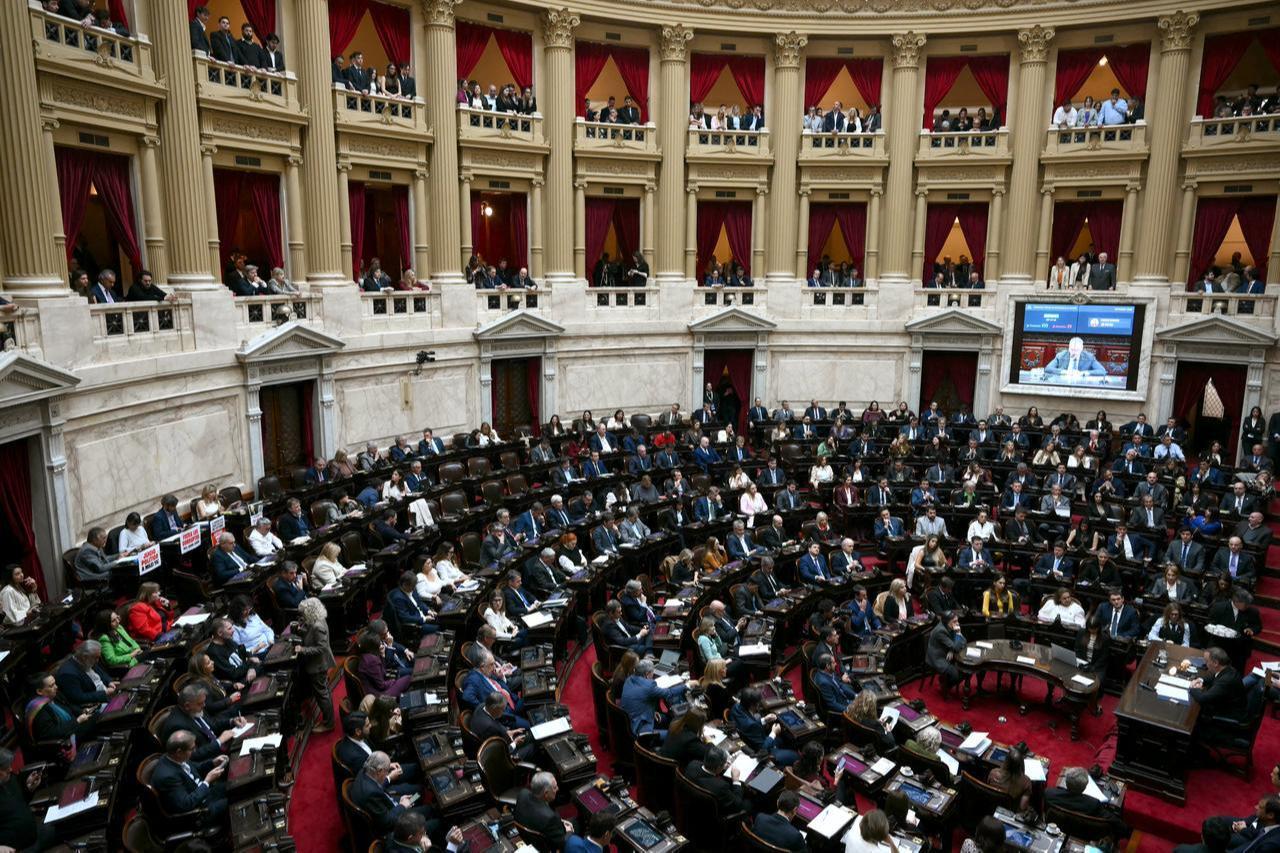

In his prepared remarks, before a single question had been asked, Hegseth declared: "The biggest challenge, the biggest adversary we face at this point are the reckless, feckless and defeatist words of congressional Democrats and some Republicans."
The hearing grew contentious when Representative John Garamendi told Hegseth: "You have been lying to the American people since Day 1 of the war."
Hegseth responded: "Who you cheering for here? Who you pulling for?" Republican chairman Rogers was forced to intervene at multiple points, reminding Hegseth: "The witness has to recognize it's their time."
Senior Democrat Adam Smith told the panel: "Here we are in a full-scale Mideast war, and we've seen the costs of that. Over a dozen countries now have been dragged into this war in one way or another. Where is this going?"
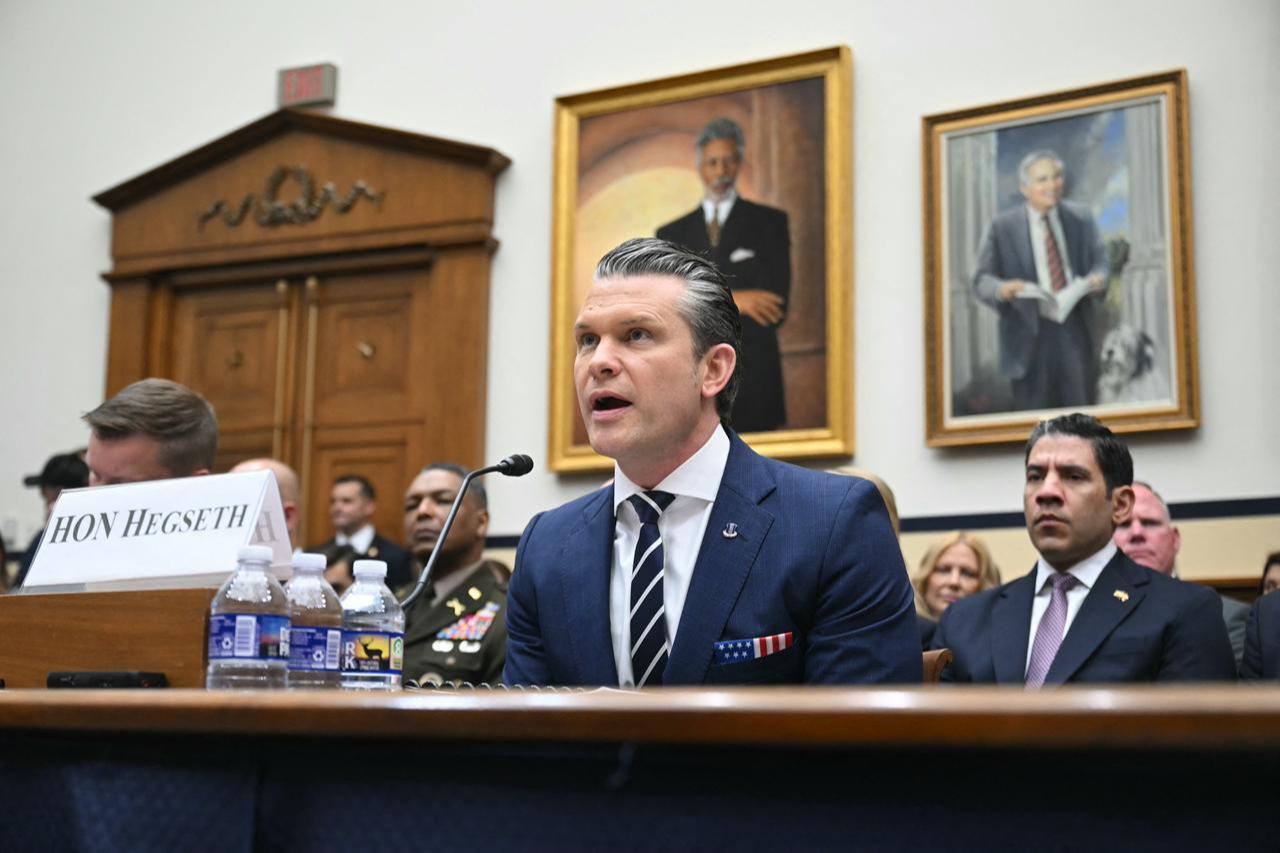
The hearing was nominally scheduled to review the $1.5 trillion fiscal year 2027 budget request, which Hegseth said "reflects the urgency of the moment" and would put the defense industrial base on a "wartime footing."
Rogers warned that U.S. munitions stockpiles were dangerously low and industrial capacity to replenish them was weak, consistent with The Atlantic's reporting on Vance's missile concerns.
Hegseth dismissed concerns about the shortfall, saying the budget would ensure companies "run faster than ever before to triple or quadruple production of critical missiles."
Caine told the committee that maintaining three aircraft carriers in the Middle East involved "inherent trade-offs" with Asia-Pacific posture, but said Trump had carefully weighed those risks. He said the Iranians were "weaker and less capable than they have been in decades."
Just 34% of Americans approved of the Iran war, down from 38% in mid-March, per a Reuters/Ipsos poll.
Average U.S. gasoline prices rose to their highest level in nearly four years, per American Automobile Association (AAA) data. Republicans face the prospect of a contested midterm in six months, with Democrats linking the war to inflation and affordability.
Some Republicans also broke with Hegseth. Representative Don Bacon told him his personnel decisions, including the firings of Navy Secretary Phelan and Army Chief of Staff General George, were constitutional but "doesn't make it right or wise."
Representative Austin Scott warned: "It takes 218 votes to get something across the floor of the House."


 Set as preferred source
 Set as preferred source


 1 min read
 1 min read