Newsletters


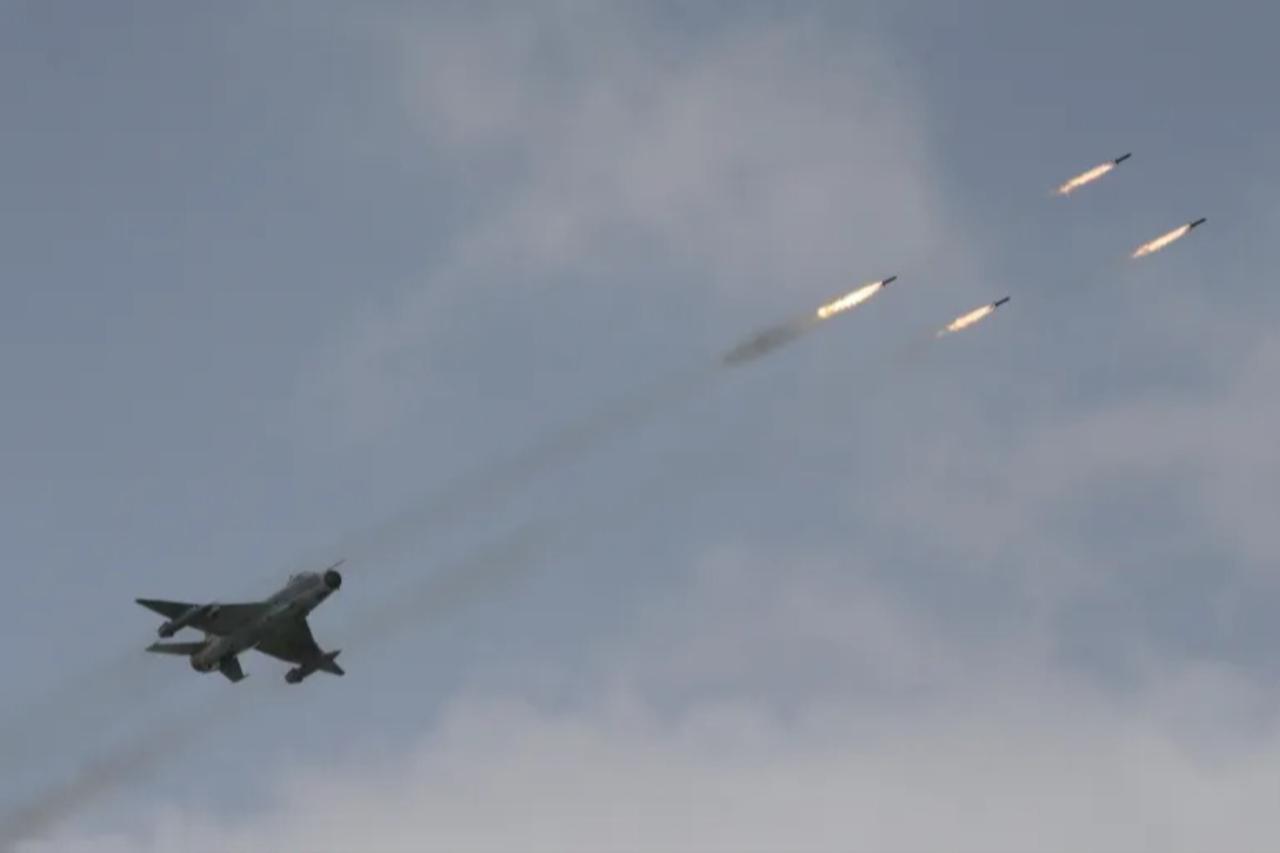


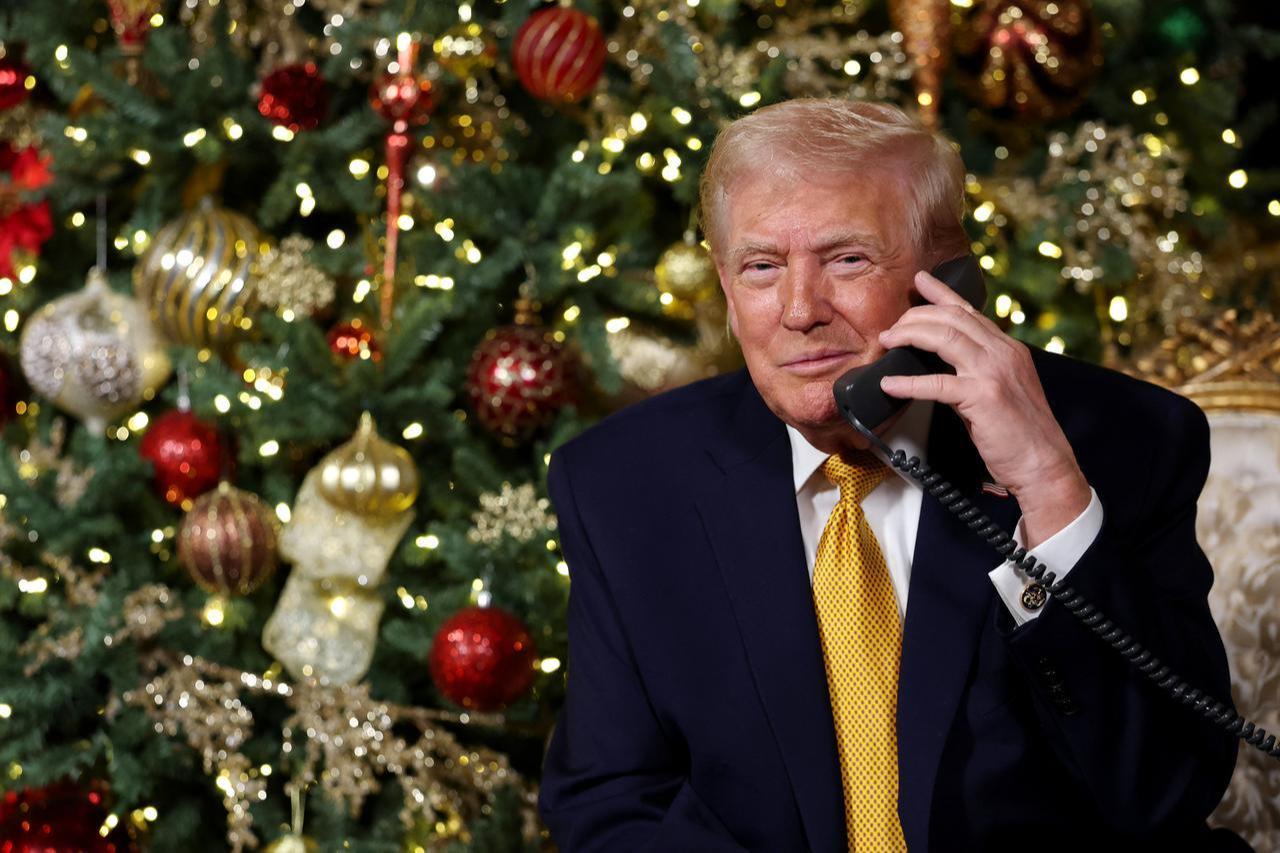
Donald Trump announced on his Truth Social profile on Tuesday that the United States has carried out airstrikes in northwest Nigeria.
Nigeria has spent more than a decade battling a web of armed groups operating across its northern regions. These groups range from factions linked to Daesh to locally rooted insurgent and bandit networks that exploit weak state control.
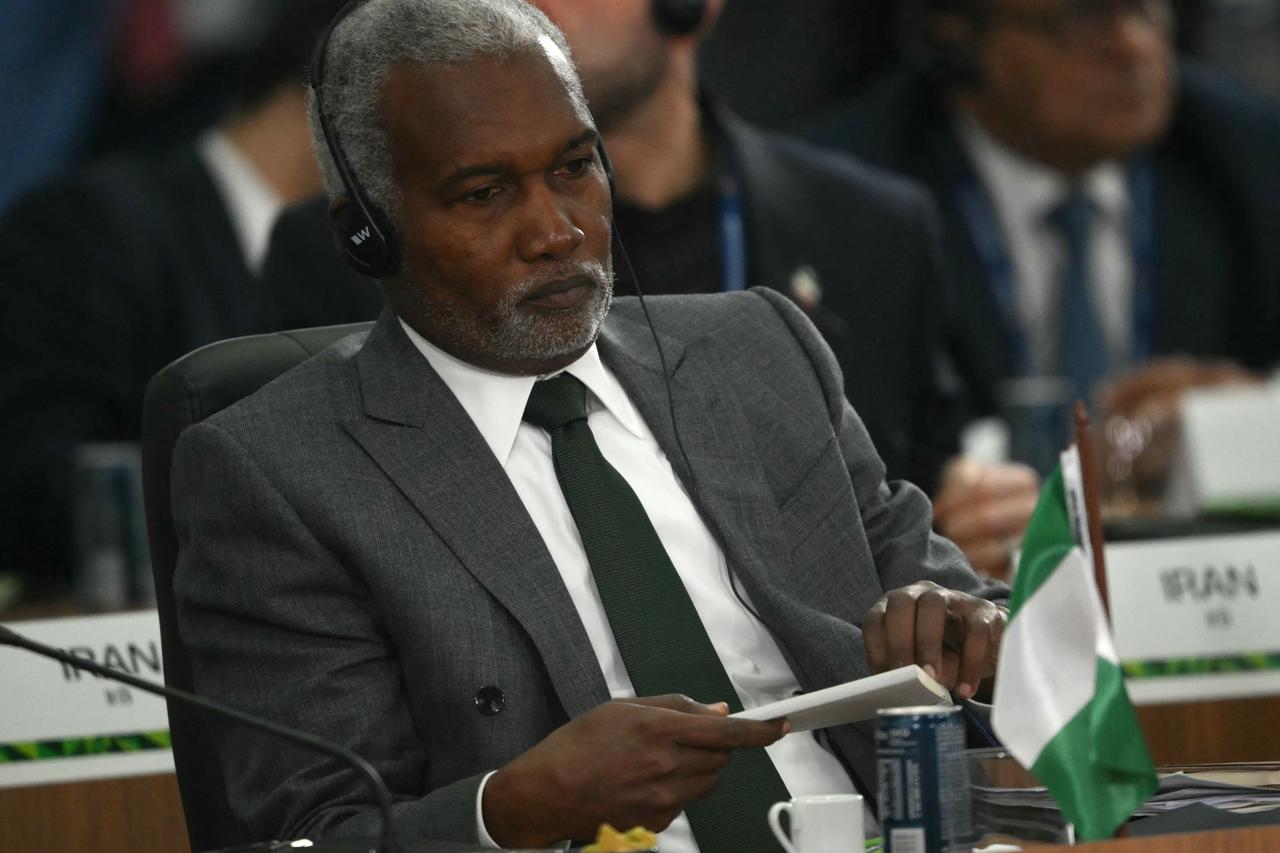
For Abuja, the issue is not only security but sovereignty. Nigeria has consistently favored cooperation and capacity-building over unilateral foreign intervention, wary of actions that could complicate domestic politics or fuel public backlash.
The strategic weight Trump assigns to Nigeria will ultimately hinge on the nature of these counterterrorist strikes. Specifically, whether they represent a coherent security strategy or a one-time move to satisfy his Christian nationalist base.
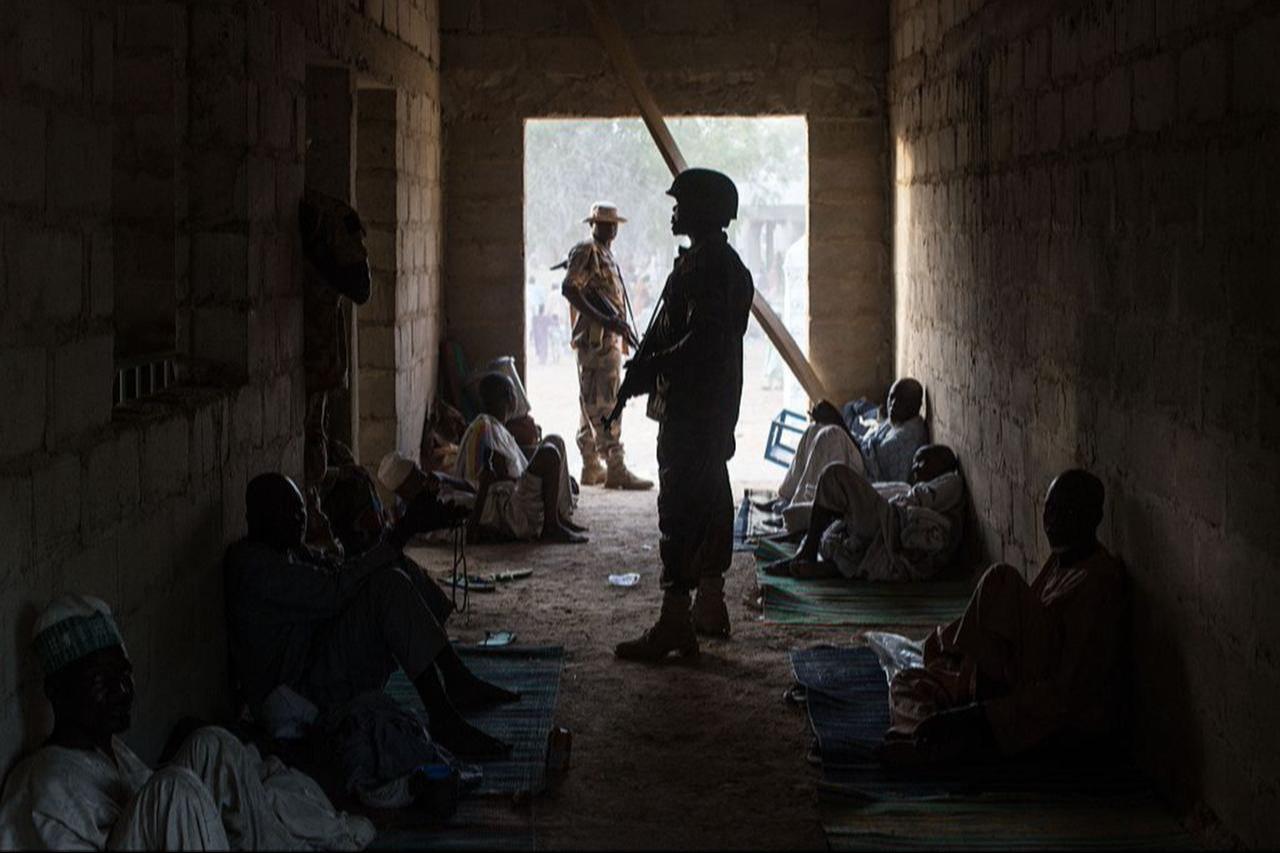

The conflict in northern Nigeria is often framed abroad through a Christian–Muslim lens, but realities on the ground are very different.
While religious identity shapes parts of the country’s social fabric, extremist violence has cut across communal lines. In practice, many of the deadliest attacks have targeted Muslim civilians living in rural and semi-urban areas where terrorist militant groups operate most freely.
Recent assaults on mosques and predominantly Muslim communities underscore this pattern. These incidents challenge narratives that portray the violence as narrowly sectarian or directed at a single religious group.
Nigerian officials have repeatedly stressed that the insurgency is rooted in governance failures, economic marginalization, and security vacuums rather than religious persecution alone.
This distinction matters for policy. Simplified narratives risk misdiagnosing the problem and, in turn, producing responses that fail to address the drivers of instability in northern Nigeria.
If President Trump presents the airstrikes in the frame of Christian solidarity, it will prove to be a political move. But if he emphasizes the truth about the victims of terrorism, it will be revealed as a counterterrorism operation.
Nigeria’s own counterterrorism efforts have struggled to produce lasting results. Military operations have often relied on force-heavy tactics that weaken insurgent groups temporarily but leave underlying conditions untouched.
In some areas, these operations have generated resentment among civilians, inadvertently creating space for militant recruitment.
For years, U.S. policy aimed to strengthen Nigeria’s security institutions through training, intelligence sharing, and logistical support. The persistence of large-scale attacks suggests those efforts have delivered mixed outcomes at best. Armed groups continue to exploit areas where state presence is minimal, moving across porous borders and regrouping after setbacks.
The latest reported U.S. strikes raise questions about whether Washington is shifting away from long-term capacity building toward more direct action, and whether such a shift can produce durable security gains.
Trump’s warning of further strikes, framed around claims of ongoing killings of Christians, has sharpened tensions around interpretation rather than facts.
Abuja has consistently rejected the notion of a “Christian genocide,” acknowledging security failures while insisting that violence affects all communities.
Nigerian authorities argue that international partners should avoid language that oversimplifies the conflict or inflames religious sensitivities.
From Abuja’s perspective, external support is welcome only if it aligns with the country’s broader security strategy and social realities.
Current American political messaging often plays to domestic audiences, while Nigerian officials are focused on managing a complex internal crisis with limited resources and high political stakes.
The central question remains whether the reported airstrikes are an isolated action or the opening move in a sustained counterterrorism campaign. Past experience in other regions suggests that one-off strikes rarely dismantle militant networks, which tend to adapt and re-emerge once pressure eases.
Nigeria has long maintained a list of expectations from its international partners, centered on sustained engagement rather than episodic intervention. Intelligence cooperation, institutional reform, and support for civilian protection remain higher priorities than sporadic military action.
As consultations between Washington and Abuja unfold, the direction they take will signal whether this episode represents a tactical gesture or a deeper recalibration of U.S. involvement in Nigeria’s long-running security crisis.


 Set as preferred source
 Set as preferred source


 1 min read

 1 min read