Newsletters


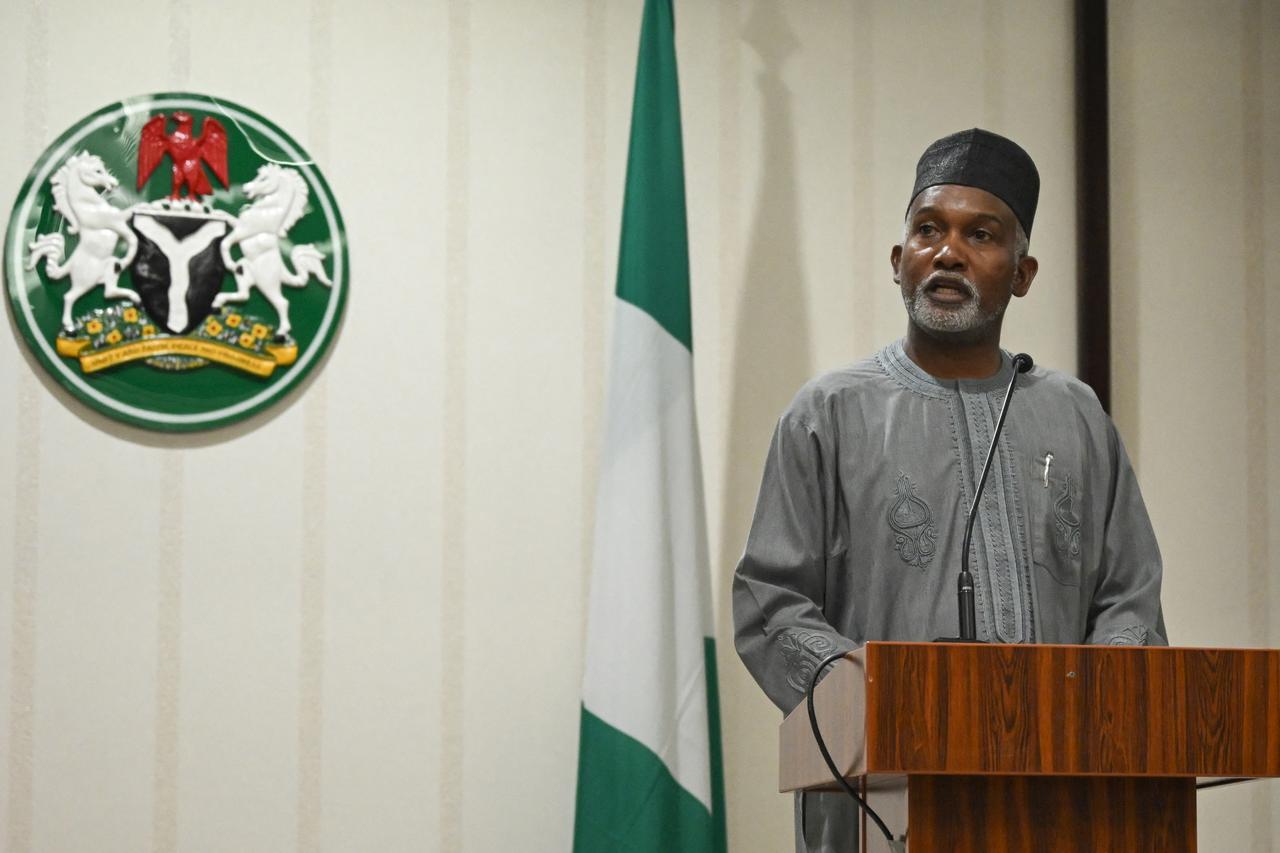


Nigeria said Friday it provided the United States with intelligence that led to airstrikes on Christmas Day against suspected Daesh fighters in the northwestern part of the country.
Nigerian Foreign Minister Yusuf Tuggar said his government supplied the targeting information to Washington and that President Bola Tinubu authorized the strikes to proceed. Tuggar told broadcaster ChannelsTV he spoke twice with U.S. Secretary of State Marco Rubio before the operation, including a 19-minute conversation followed by a five-minute call as the mission moved forward.
The military action marks a significant escalation in U.S. involvement in Nigeria's security challenges and follows weeks of diplomatic tension between Abuja and Washington over violence affecting civilians in Africa's most populous nation.

Tuggar characterized the strikes as part of an "ongoing process" that would involve other countries, though he did not provide specifics about future operations or additional partners. He emphasized that Nigeria's counterterrorism approach does not favor victims based on religion, addressing concerns about sectarian dimensions of the country's security crisis.
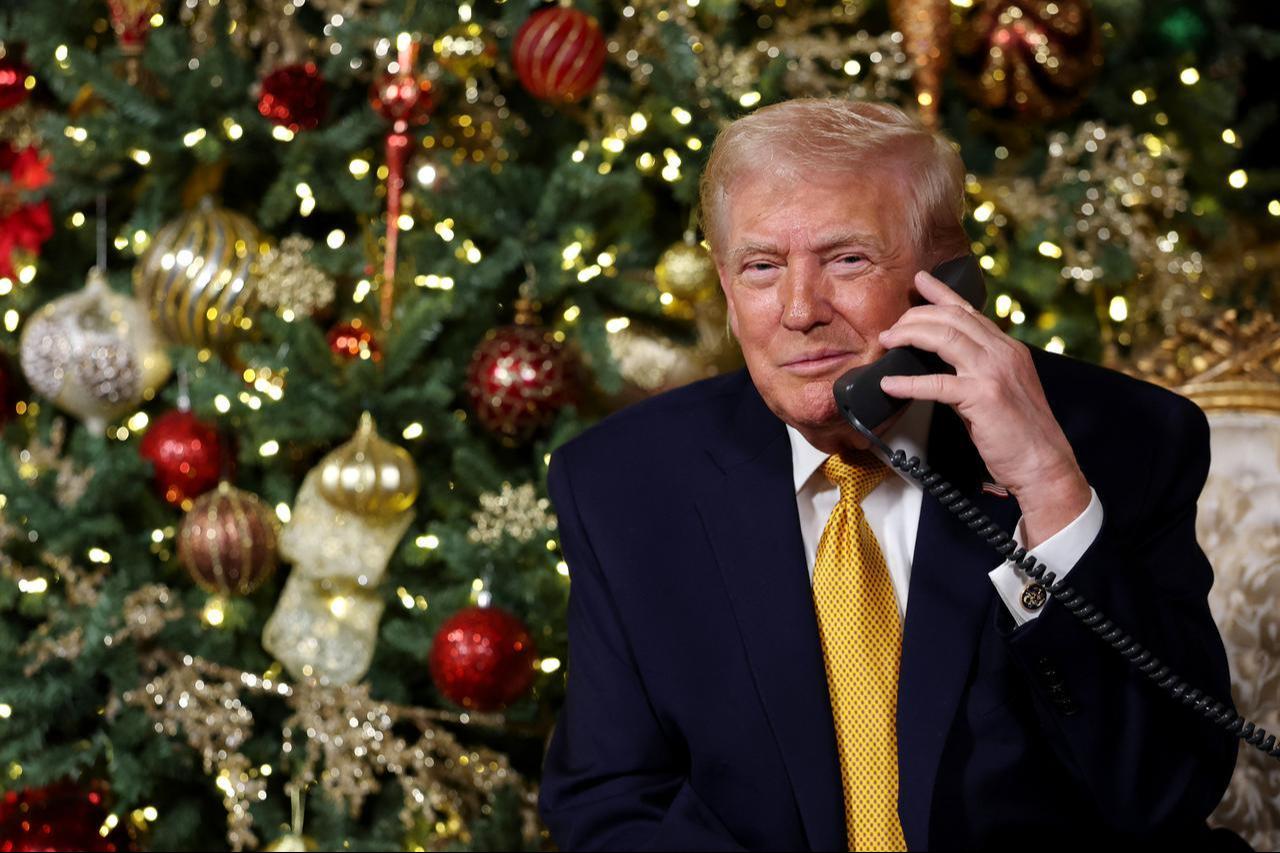
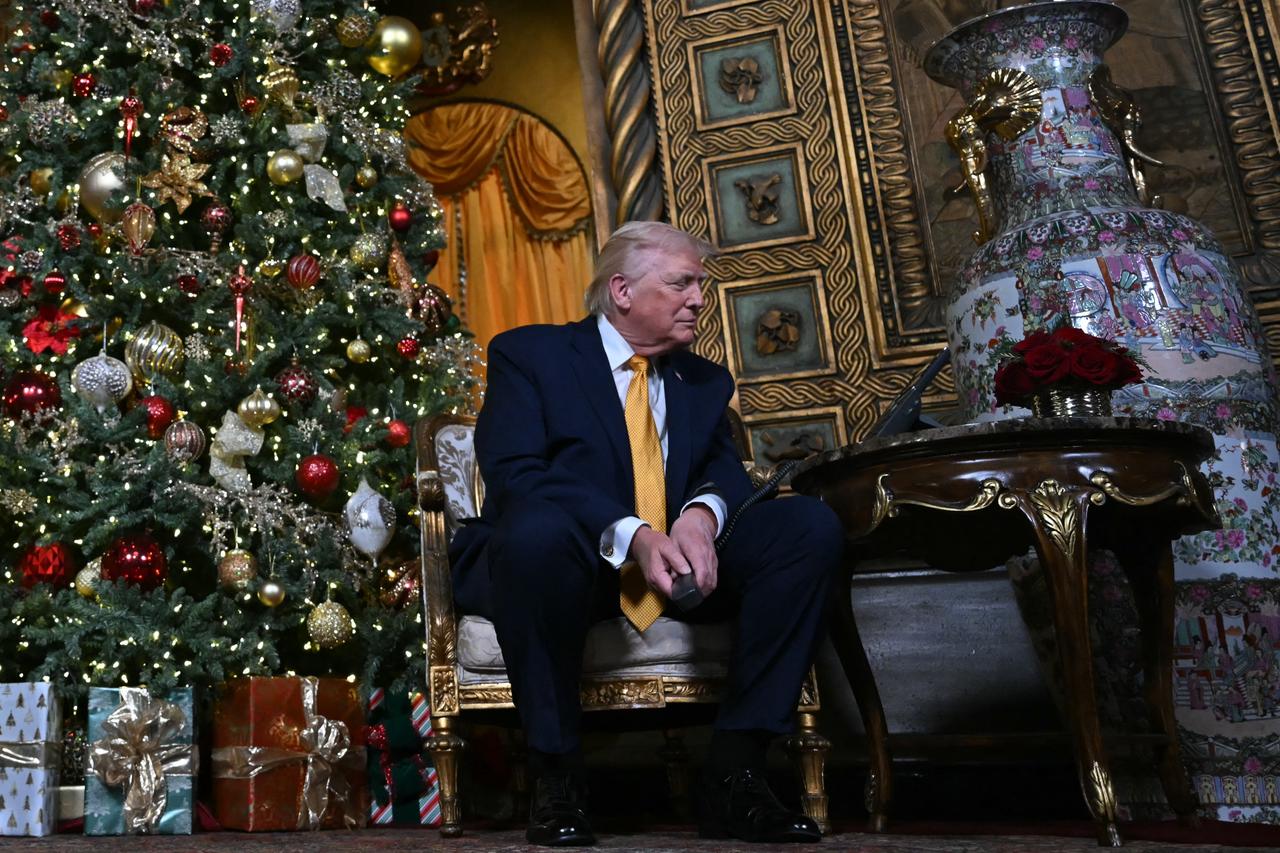
President Donald Trump announced the operation on social media, saying he had "previously warned these Terrorists that if they did not stop the slaughtering of Christians, there would be hell to pay, and tonight, there was."
The U.S. Africa Command said "multiple ISIS (Daesh) terrorists" were killed in the attack in Sokoto state. The northwestern state has faced security challenges from various armed groups, though it has not been considered a primary stronghold for Daesh-affiliated militants.
 1 min read

The military action comes after Trump characterized violence in Nigeria as mass killings of Christians, creating friction with the Nigerian government. Nigeria faces multiple armed conflicts across different regions, including a long-running insurgency in the northeast by Boko Haram and its offshoot Daesh West Africa Province, communal clashes between farmers and herders in the Middle Belt, and banditry in the northwest.
Nigeria's government has previously pushed back against characterizations that frame its security challenges primarily through a religious lens, noting that violence affects both Muslim and Christian communities and often stems from complex factors, including competition over resources, ethnic tensions, and criminal activity.


 Set as preferred source
 Set as preferred source



 1 min read