Newsletters


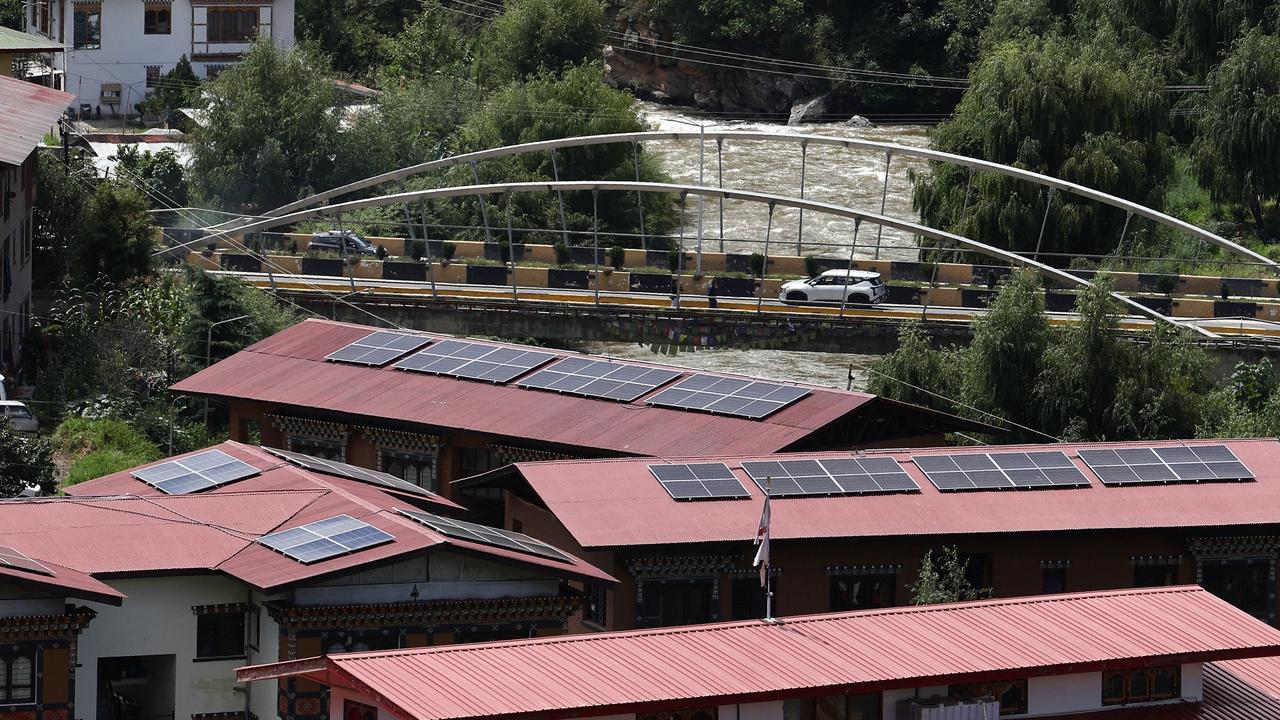
Bhutan has long relied on hydroelectric power from its abundant waterways to meet electricity needs and stay carbon negative, absorbing more planet-warming gases than it emits. But rising demand and low winter river levels have already made the country dependent on imported electricity from India.
Climate change also threatens the glaciers that feed those rivers, adding urgency to a push for energy diversification.
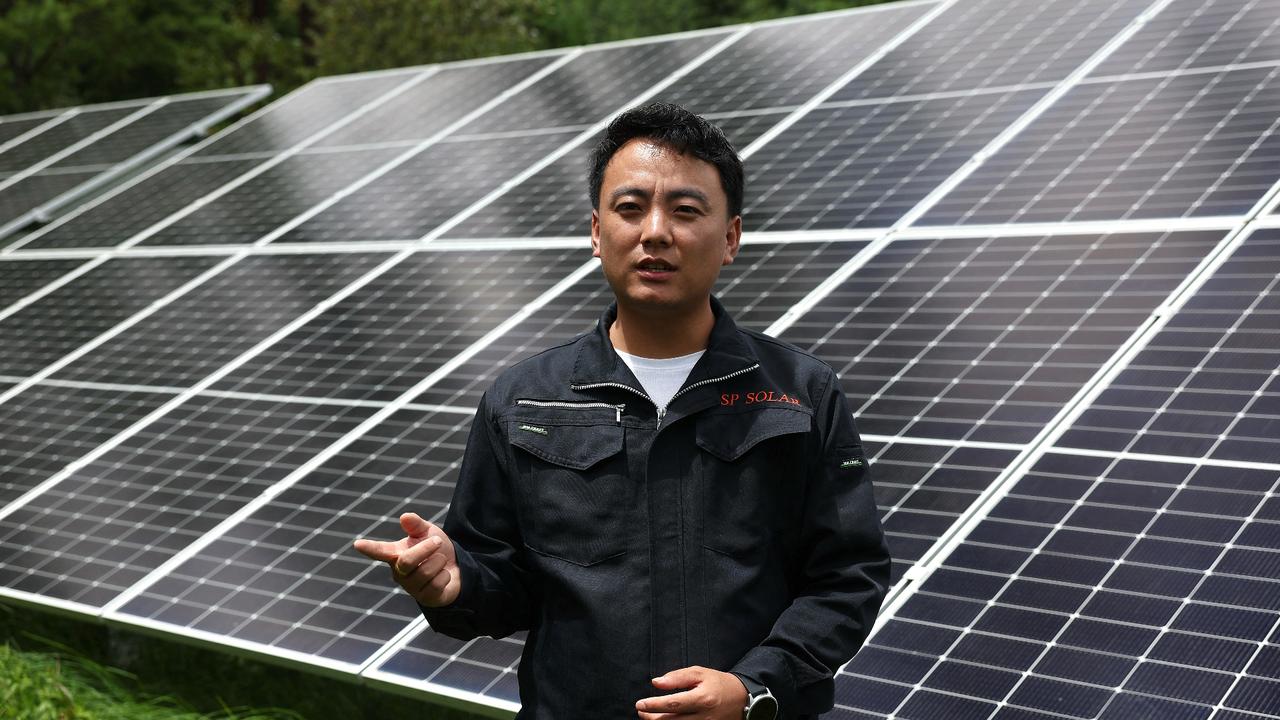
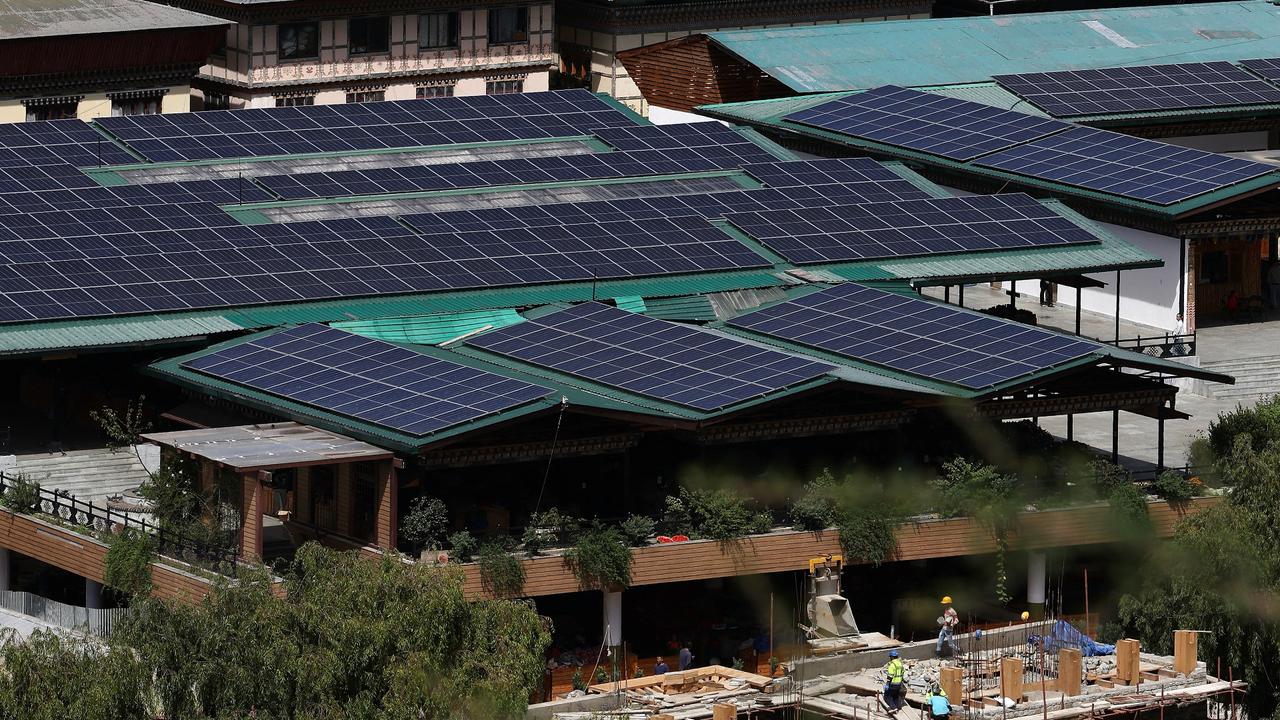
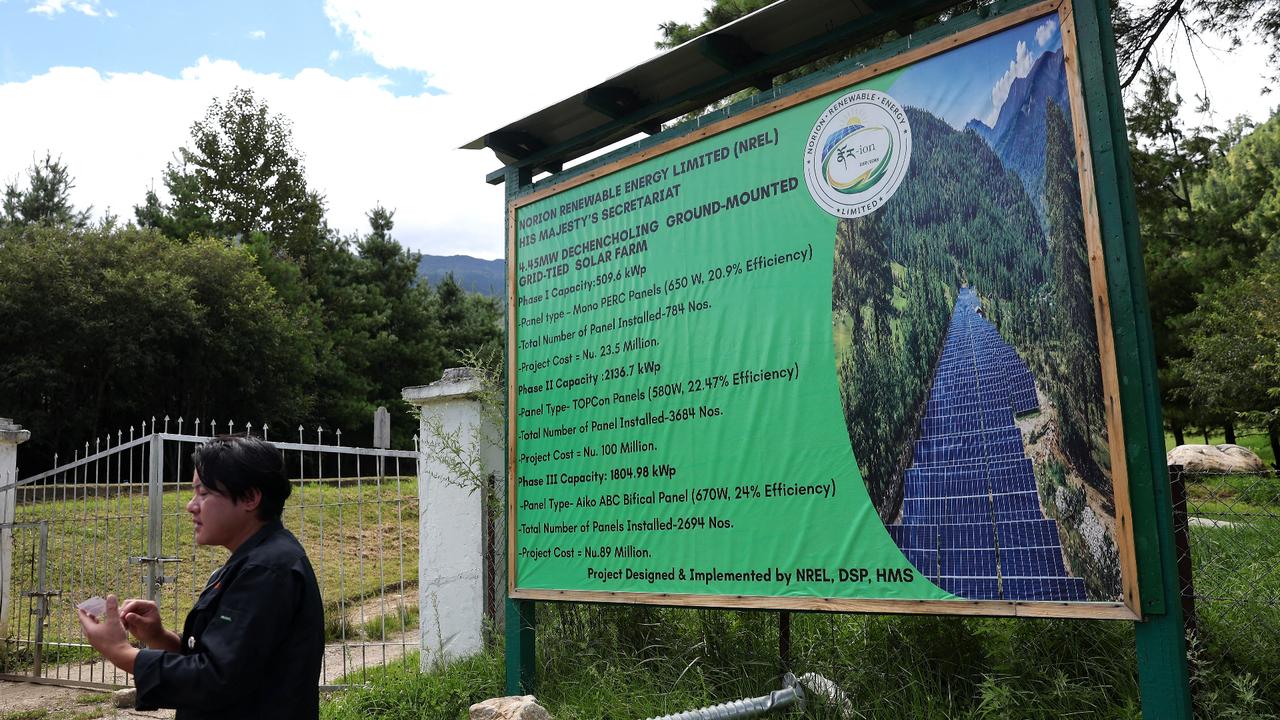
"Solar projects are booming," said Rinzin Galley, senior engineer at Norion Renewable Energy.
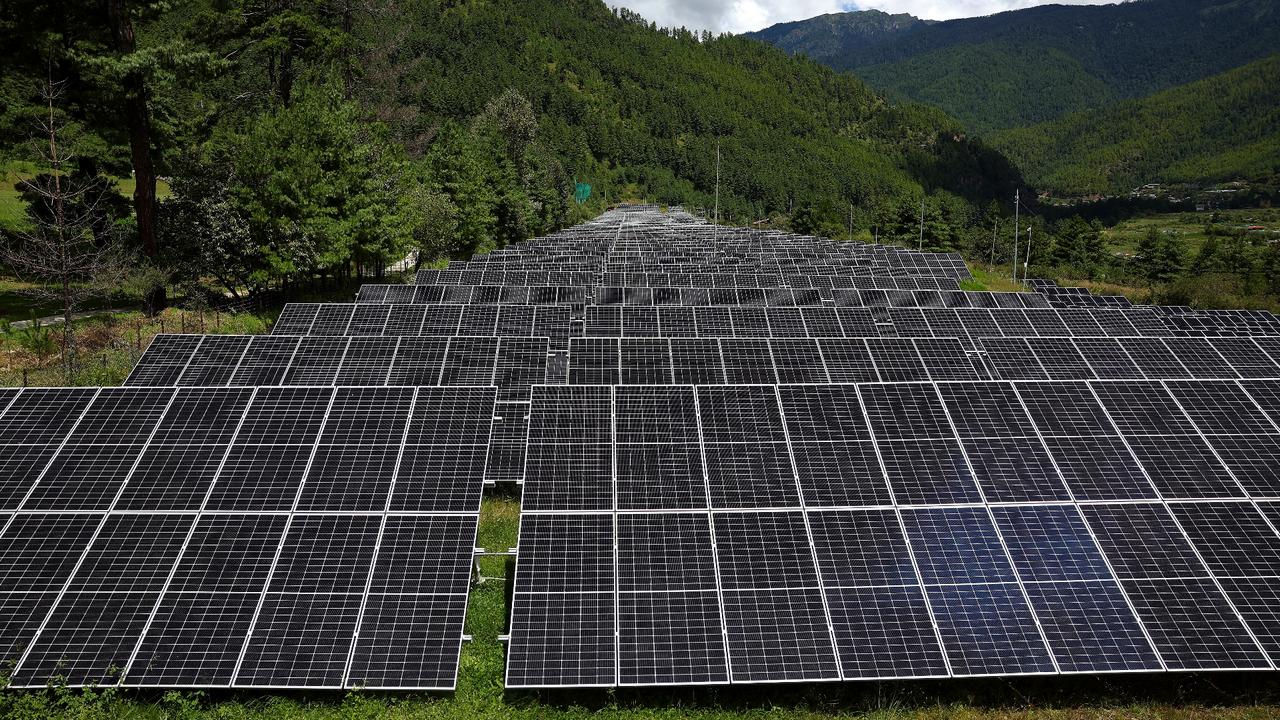
The company's largest project to date is the Dechencholing solar farm on former military land, with a capacity of 4.45 megawatts (MW).

Dechencholing ranks among several solar fields built in recent years, including the country's first mega project, Sephu, with over 22 MW capacity.
"Our plans are to develop about 5,000 megawatts," said Chhewang Rinzin, managing director of Druk Green Power Corporation, the country's generation utility.

Bhutan can currently generate around 3,700 MW from hydropower, but that capacity drops around 80% during the winter, he said.
Winter demand has climbed to 1,500 MW from 400 MW , creating a significant shortfall now met through electricity imports from India.
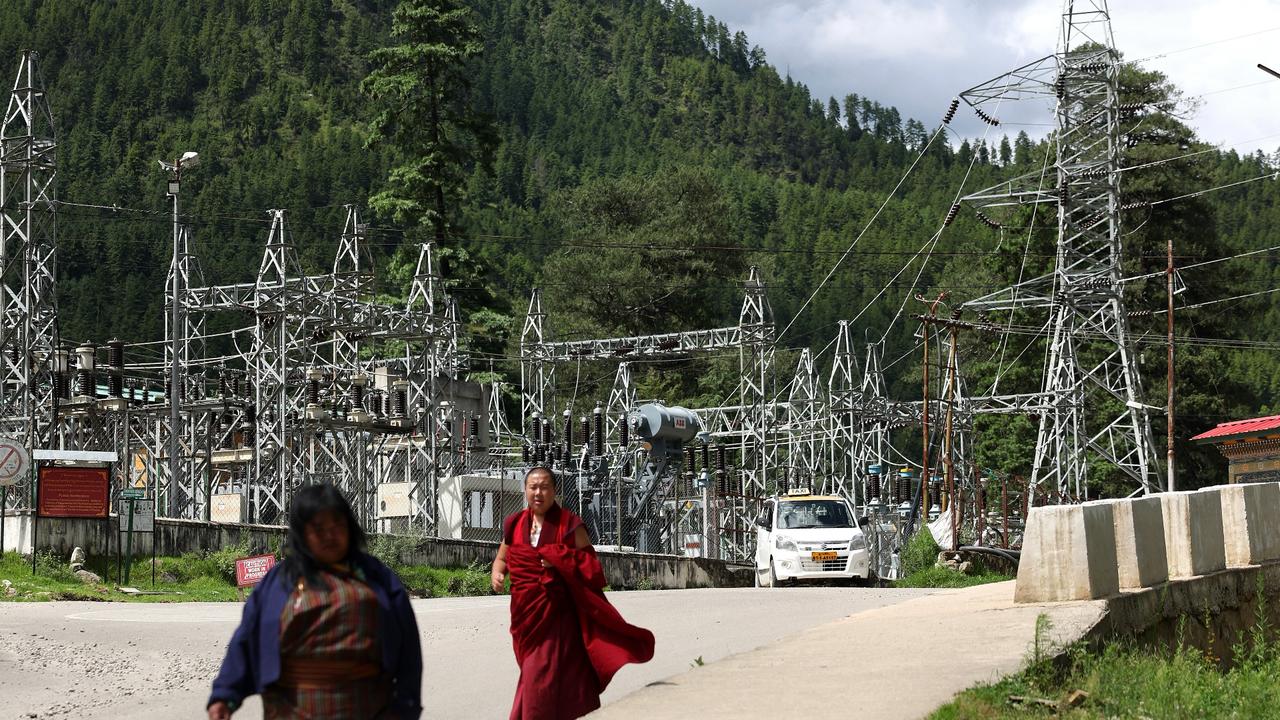
Officials attribute part of the rising demand to a construction boom, but Bhutan has also wagered on bitcoin mining to boost revenue.
A planned special economic zone, known as the Gelephu Mindfulness City, is expected to host energy-hungry data centres.
The issue was already apparent back in 2008, when a goal of generating 10,000 MW from hydropower by 2020 was agreed. But the plan hit a series of obstacles, including financing.
"When you're looking at constructing 10,000 megawatts in hydropower capacity and each megawatt probably costs you about $1.5 million... for a small economy like ourselves, that's quite difficult," said Chhewang.
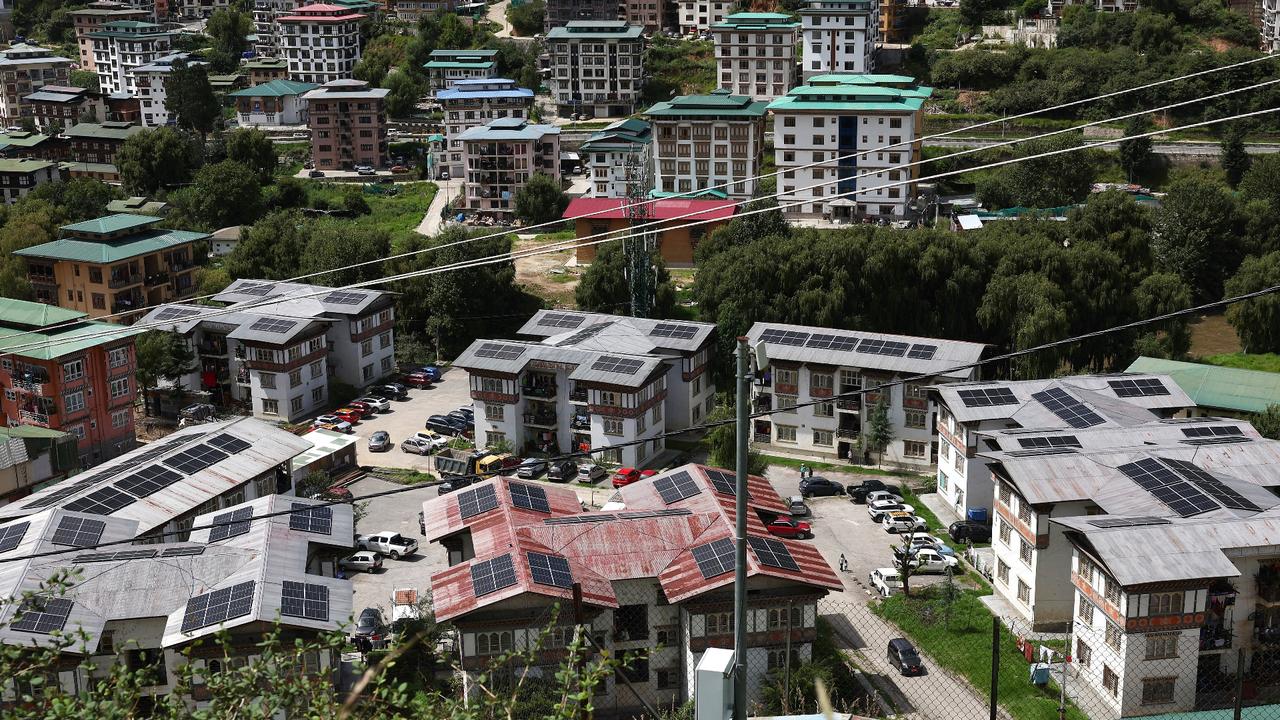
Electricity remains relatively cheap in Bhutan, which makes solar installation, at 600,000 ngultrums ($6,300) per system, far out of reach for most Bhutanese. Despite the cost, the country now targets 25,000 MW of total capacity by 2040, with solar accounting for a fifth of that goal.


 Set as preferred source


 3 min read