Newsletters


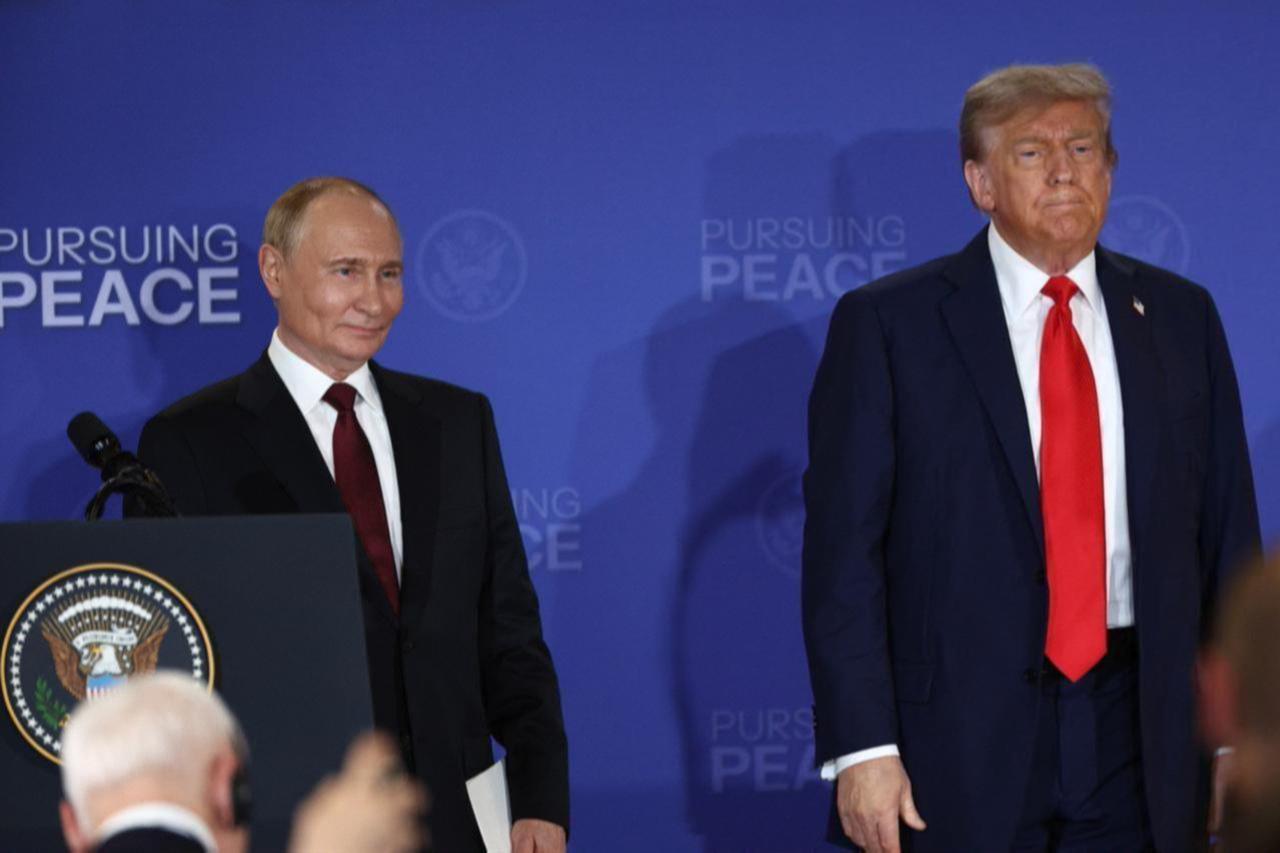


Seven US senators from both parties said Sunday that President Donald Trump’s agreement to allow Russian diesel exports runs counter to federal law, calling on his administration to “immediately reverse course” on a deal that critics say hands Moscow a financial lifeline.
The joint statement came two days after Trump announced an agreement with Russian President Vladimir Putin to release a large quantity of diesel in exchange for a temporary easing of US sanctions. The arrangement has drawn swift criticism from Ukraine, the European Union and several American lawmakers.
The statement was signed by Democratic Sens. Jeanne Shaheen, Richard Blumenthal and Ron Wyden, and Republican Sens. Susan Collins, Lisa Murkowski, John Curtis and Thom Tillis.
The senators pointed to the ban Congress imposed on Russian energy imports in 2022, after Russia’s invasion of Ukraine. They said lawmakers acted to keep American money from financing the war.
In their account, the law was clear that the United States should not import Russian oil until Moscow ends its aggression against Ukraine and stops threatening NATO allies.
“Congress explicitly banned Russian energy imports in 2022 to prevent American dollars from financing Putin’s brutal war against Ukraine,” the statement said.
Beyond the substance of the deal, the senators accused the administration of skipping steps the law requires.
They said it had failed to consult with Congress and had not submitted any explanation justifying its decision, as the statute demands.
They also condemned the move as one that would “provide Putin with a financial lifeline while Russia continues to kill Ukrainian civilians.”
Treasury Secretary Scott Bessent defended the agreement Sunday in an interview with Fox News. The administration, he said, would proceed “with all the legal authorities we have.”
He did not, in the remarks provided, specify which authorities the administration was relying on.
The senators’ statement adds a bipartisan domestic challenge to the objections already voiced by Ukraine and the EU.
The signatories include members of Trump’s own party, which holds significant weight in any congressional effort to contest the arrangement.


 Set as preferred source
 Set as preferred source


 1 min read
 1 min read