Newsletters


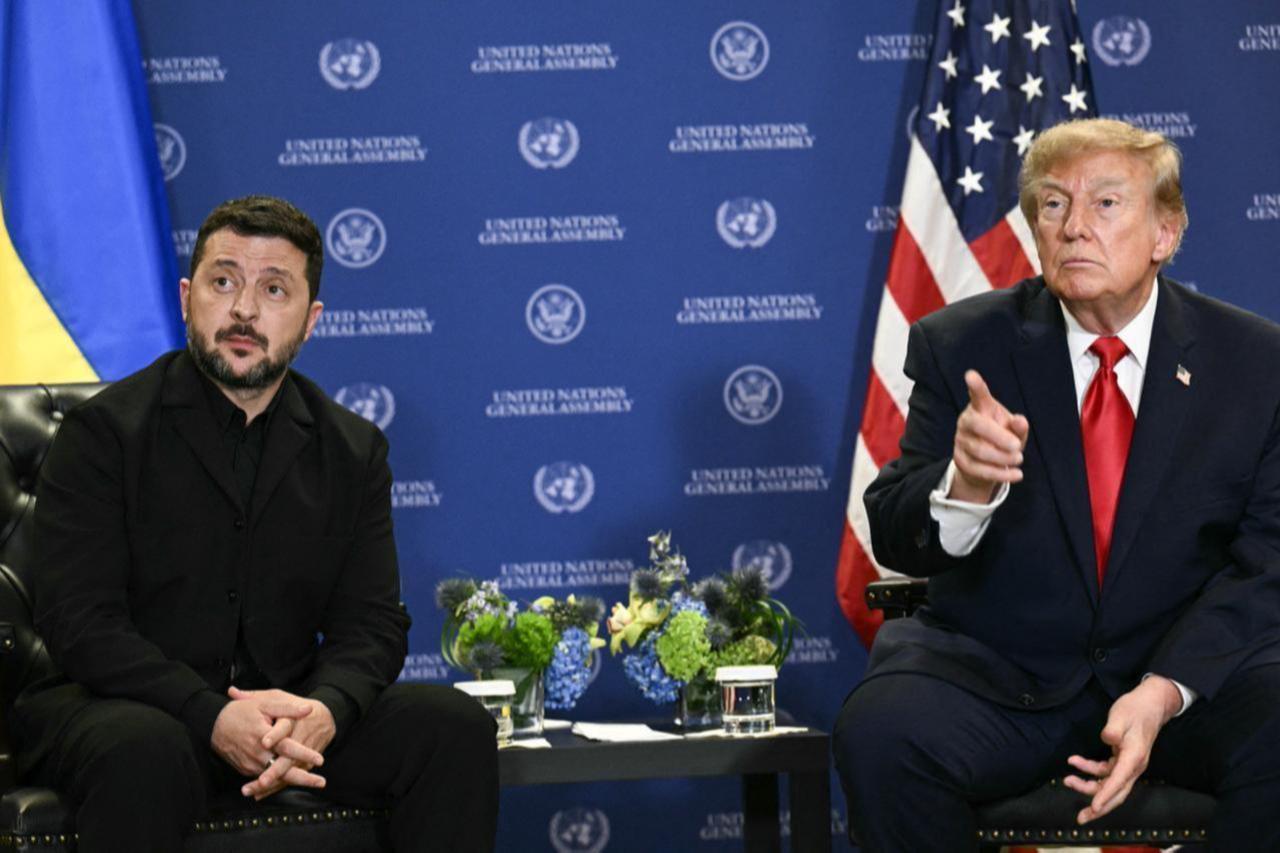


U.S. President Trump said Saturday that Ukraine should replace Volodymyr Zelenskyy, arguing the Ukrainian leader has failed to end the nearly four-year war with Russia, as his administration faced criticism over a new deal easing restrictions on Russian diesel exports amid high U.S. fuel prices.
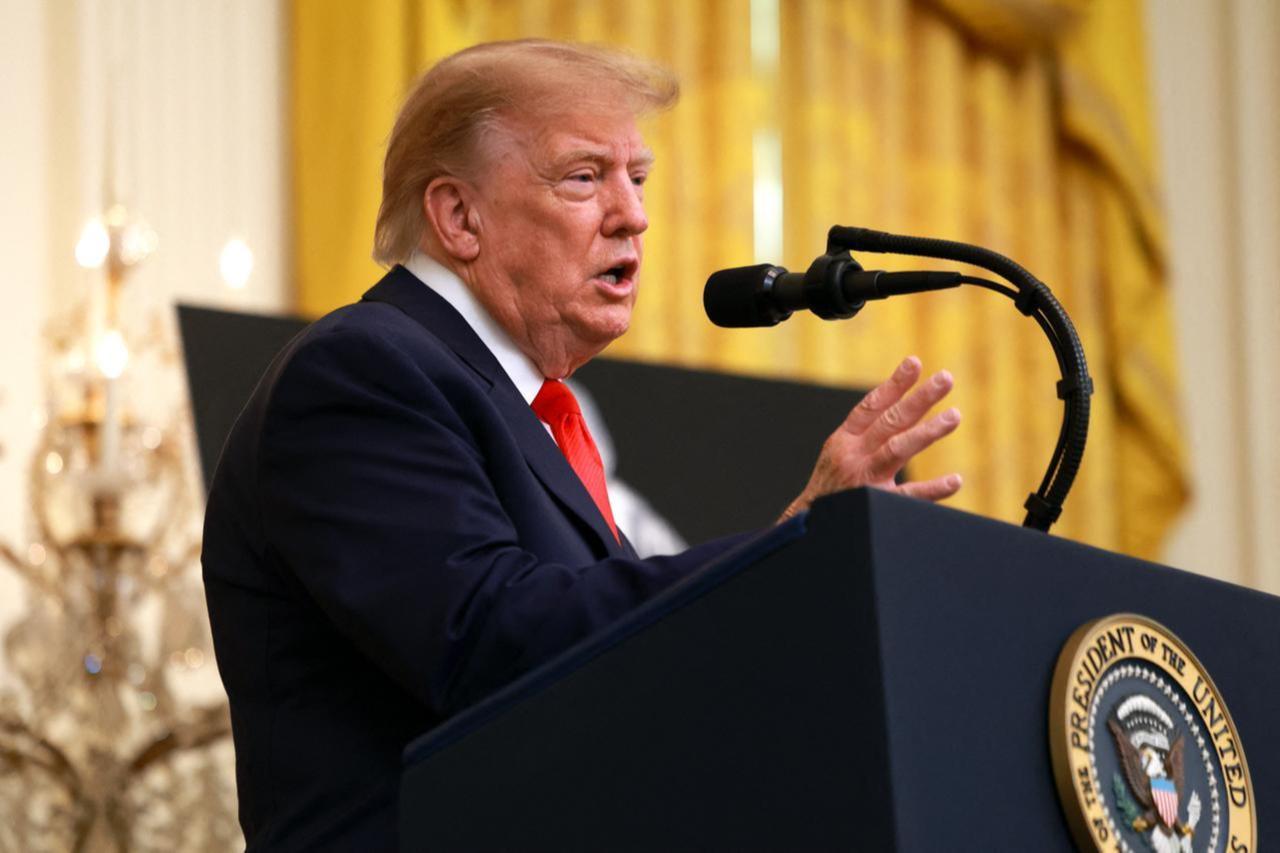
Speaking to reporters outside the White House before departing for a rally in Tennessee, Trump said, “I think it’s time for Ukraine to get a new president,” adding that Zelenskyy “could have settled this war many times, many many times. And he chooses not to.”
Trump said Ukraine had paid a steep price under Zelenskyy’s leadership, saying, “You’ve lost 30% of your country and you’ve had over a million people killed.”
He called the conflict, which began when Russia launched a full-scale invasion of Ukraine in February 2022, “a war that should have never been started.”
The president also said the war could have been avoided had he been in office when it began, telling reporters, “There was no reason that that war with Ukraine and Russia started. It started due to incompetence.”
Trump’s remarks came a day after his administration announced that Russia would supply the United States with more than 300,000 metric tons of diesel, with deliveries set to rise to 500,000 tons in November and roughly a million tons after that, along with a separate reference by Trump to an additional three million tons within a short period.
The U.S. Treasury Department eased sanctions on qualifying Russian diesel shipments through April 7 of next year following the announcement.
Trump linked the arrangement to Ukraine’s continued strikes on Russian oil refineries, saying he had told Zelenskyy, “Do what you want, don’t hit refineries.”
He argued the attacks were driving up global fuel costs, saying of Zelenskyy, “That’s a world problem that’s causing. And he wants to make problems for the world.”
Average U.S. diesel prices have climbed above $6 per gallon, a cost increase that has hit farmers and consumers.
Trump’s trip to Tennessee is the latest in a series of visits to Republican-leaning states ahead of the midterm elections, where party officials have pointed to high fuel prices as a factor in competitive races in agricultural states including Iowa and Kansas.
The diesel agreement followed a phone call between Trump and Russian President Vladimir Putin on Friday.
Kremlin foreign policy aide Yuri Ushakov described the call as “very substantive and friendly,” saying it lasted about 90 minutes and that neither leader wanted to be the first to hang up, according to Russian news agency Interfax.
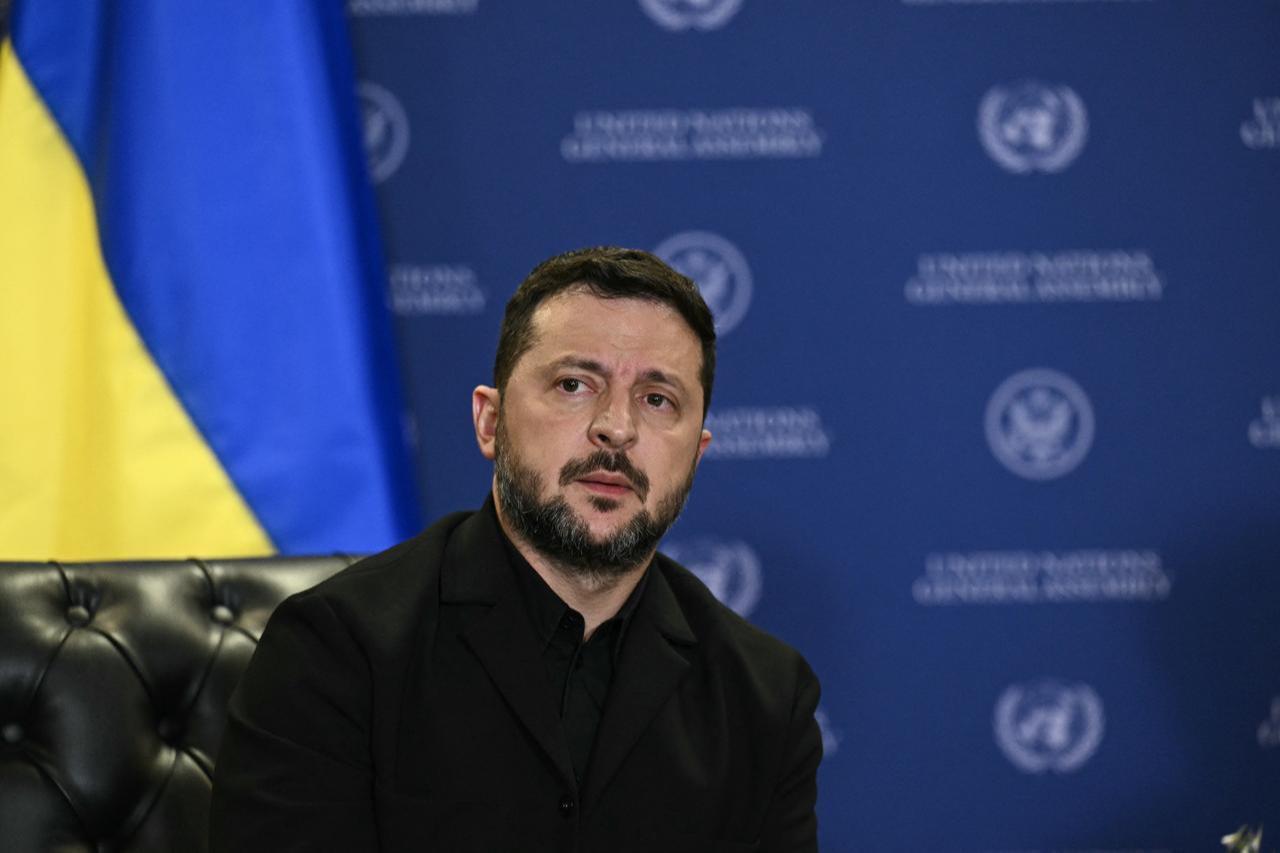

Zelenskyy criticized the U.S. decision to ease restrictions on Russian diesel sales, writing on social media platform X that its consequences were felt in Kyiv after Russian forces followed drone strikes on energy facilities with a ballistic missile attack, some of which Ukrainian defenses intercepted.
He argued that revenue from Russian energy exports would be funneled back into the war effort, writing, “Every additional billion dollars they can earn from exports, they will spend precisely on this, on sourcing and importing critical components, equipment for weapons production, on enhancing ‘Shaheds’ and manufacturing missiles, and on hiring even more mercenaries for the front lines.”
He called on the United States, Europe and other partners to adopt stronger measures to limit Moscow’s ability to continue the war.
 1 min read
Kirill Dmitriev, the Kremlin’s special envoy on economic cooperation, welcomed Trump’s comments about Zelenskyy, calling them “iconic and historic” in a post on X.
“President Trump joins the many who believe that Ukraine needs leadership actually focused on peace, not Zelenskyy’s warmongering,” Dmitriev wrote.
Not all Republicans embraced the diesel arrangement. Rep. Michael McCaul of Texas wrote on X that while he understood the desire to lower diesel prices, he was “concerned the lifting of sanctions on Russian oil will only fund the Kremlin’s war machine, emboldening more violence and destruction, as we have seen in recent days.”


 Set as preferred source
 Set as preferred source




 1 min read