Newsletters


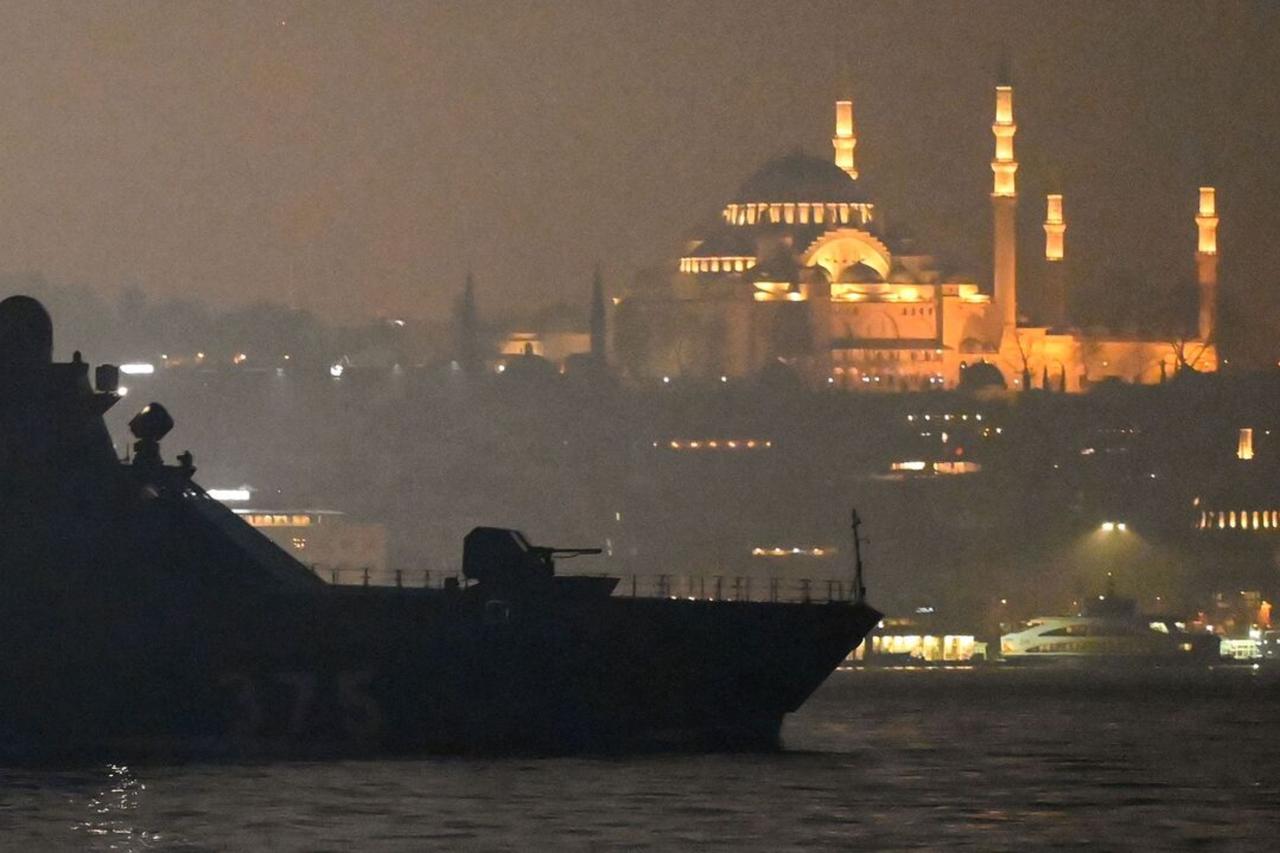


Russia is continuing talks, mainly with Türkiye, on Black Sea security to keep civilian commercial shipping from coming under attack, Russian Ambassador Sergey Vershinin told Turkish broadcaster NTV.
"We are conducting these kinds of contacts primarily with Türkiye. I think it's clear what is meant here," Vershinin said. "We want to reach a situation where civilian commercial shipping will not be exposed to attacks, because logistics is extremely important both for us and for other countries around the world."
Vershinin said Moscow understands the need to take past experience into account, recalling the Black Sea grain initiative launched several years ago.
"Unfortunately, due to Kyiv's stance, this initiative failed to make progress," he said, adding that the earlier arrangement had included elements ensuring navigation security, inspection of cargo loaded from Ukraine, and access for Russian agricultural products and fertilizers to world markets.
He said Western capitals made promises about global food security under that framework "but, unfortunately, nothing was done," and that "there wasn't much behind these statements."
"Today, we are also continuing our contacts on the issue of safe navigation in the Black Sea. There is great interest in this matter. But of course, such measures must absolutely prevent the maritime domain from being used to supply arms to the terrorist regime in Kyiv," Vershinin said.
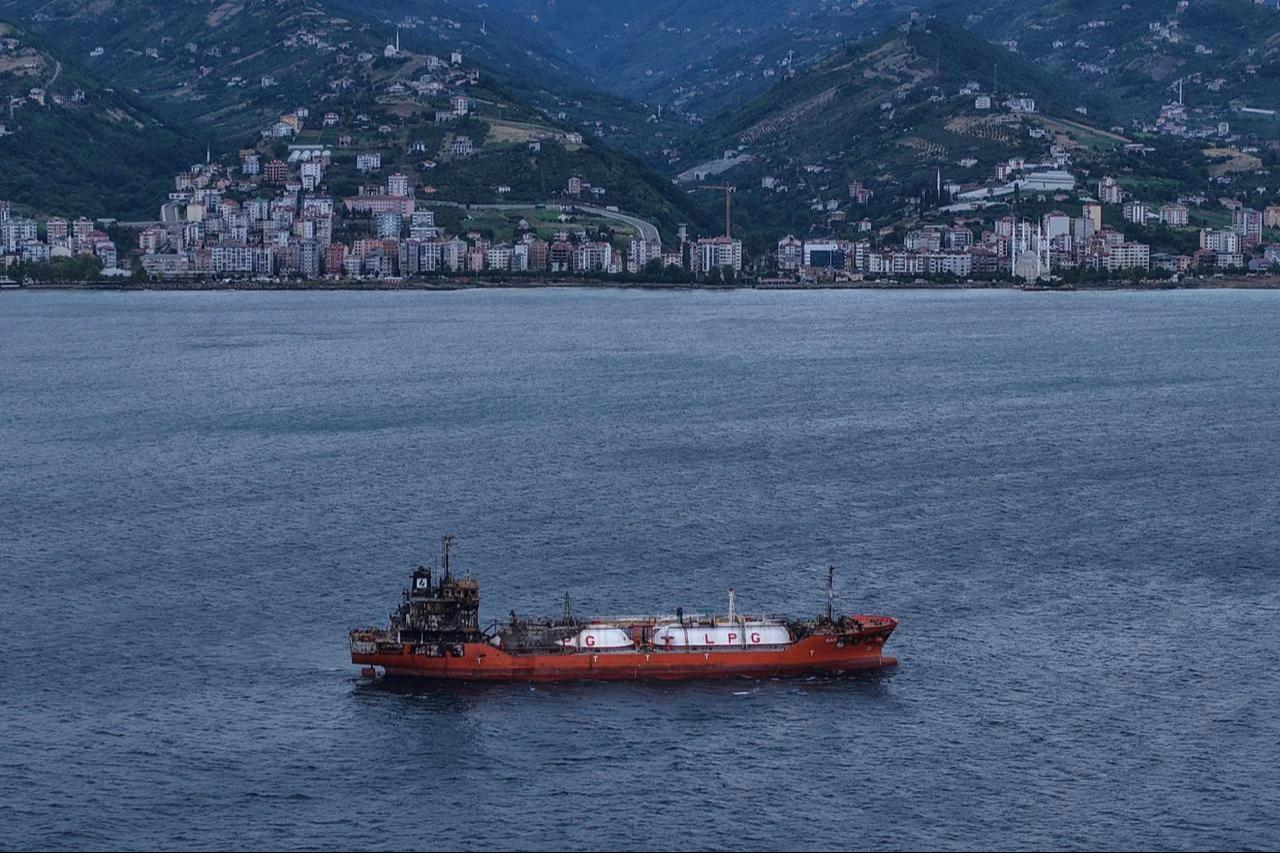
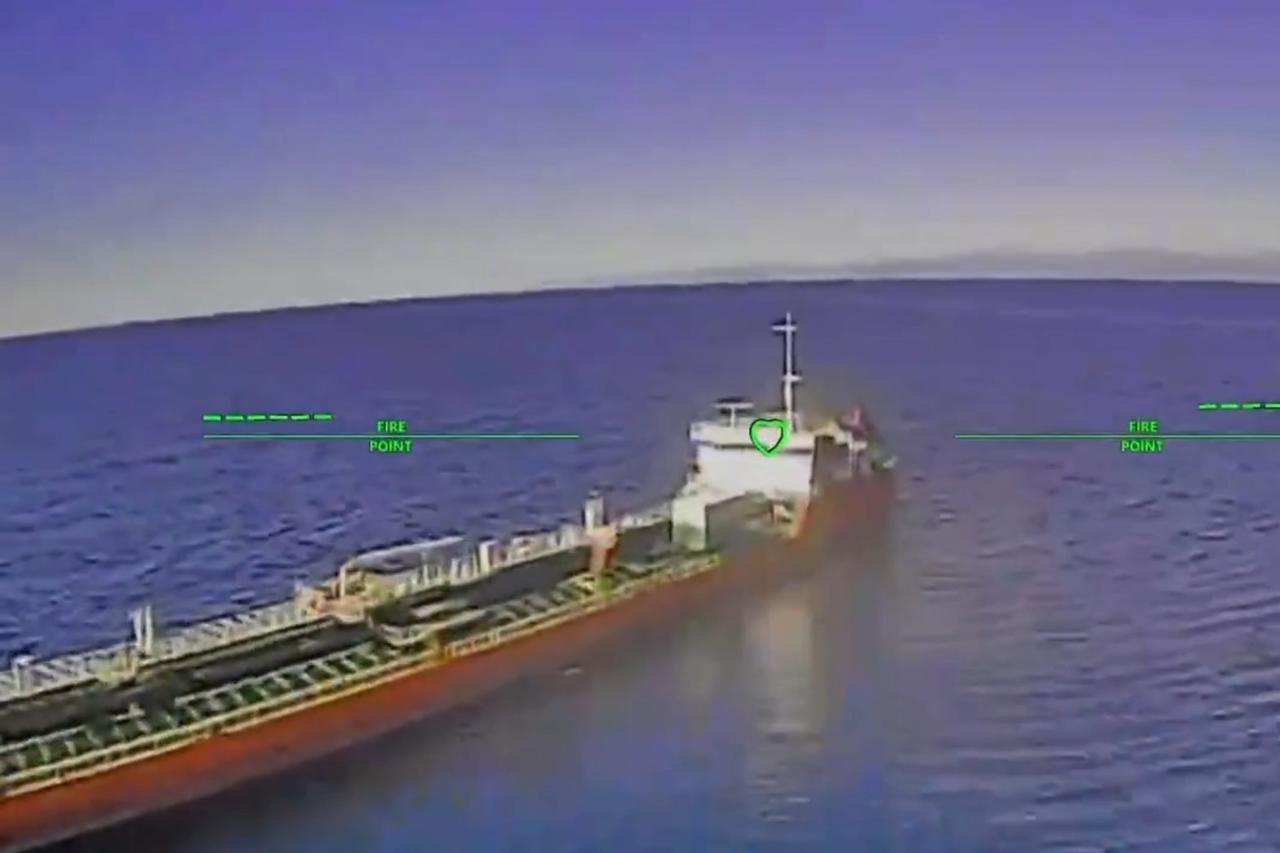
He said maritime shipping had come under threat "especially in recent months" because of the Kyiv regime's targeting of civilian vessels, and separately offered condolences over losses suffered by the Turkish side after Turkish cargo ships in the Black Sea were attacked by Ukrainian unmanned aerial vehicles (UAVs), killing some Turkish citizens.
Asked what kind of security system was under discussion and what Russia's priorities were, Vershinin declined to give details. "The effectiveness of these contacts depends on them being worked out at the expert level," he said. "I think revealing such details now would be premature and unproductive."
He said Russia's goal, and as he understood it, Türkiye's goal as well, was to ensure navigation security while also having the ability to monitor against the unacceptable use of civilian shipping for military purposes.

Asked about U.S. President Donald Trump's statement that Russia and Ukraine had agreed not to strike energy facilities, and Trump's remarks attributing rising diesel prices to the Russia-Ukraine war rather than the Iran war, Vershinin declined to comment directly on the U.S. president's remarks.
"I don't think it's my place to comment on statements by the American president. It would be more appropriate for American representatives to do so," Vershinin said.
"I can express our position regarding our approach to initiating a political settlement process. We have always been ready to address all issues related to reaching a political and diplomatic solution. However, we say this must be done taking into account the root causes underlying this conflict and, of course, the situation on the ground. So, based on this principled position of ours, I believe we have good prospects for beginning concrete dialogue," he added.
Pressed on whether an actual agreement existed on not striking energy facilities, given Ukraine's long campaign against Russian energy infrastructure, Vershinin pushed back on the framing, saying, "I would describe the situation differently. Ukraine has for a long time been carrying out attacks on Russia's civilian infrastructure, civilian facilities and civilian population. This confirms the terrorist nature of the Kyiv regime that we have mentioned."
Asked again what agreement Trump was referring to, Vershinin repeated that he would not comment on the American president's statements, but said: "In any case, we appreciate the efforts of the current American administration in trying to understand the root causes of the conflict. This is precisely what distinguishes the American approach from the completely narrow-minded and Russophobic approach of the current European elites."
Vershinin's remarks came amid a broader diplomatic exchange over Trump's claim that Russia and Ukraine had agreed to a mutual halt on striking energy targets.
Trump wrote on Truth Social on Sept. 14: "Ukraine has agreed not to hit Russian Energy targets. Russia has agreed to do, likewise!" and said, "the World's Diesel price rise is mostly caused by the Russia/Ukraine War, not Iran."
The claim followed Trump's weekend criticism of Zelenskyy during his visit to Ireland, where he said: "Mr. Zelenskyy has to do one thing. He has to stop knocking out diesel fuel in Russia. Let him go after targets, but not diesel fuel, because he's causing a shortage of diesel. This isn't done by the Middle East, this is done by what's happening with Russia and Ukraine."
The Kremlin subsequently welcomed the idea without confirming a formal agreement.
"We have seen President Trump's post. We consider it a good idea, a good initiative. We are in contact with the Americans. We will continue communicating with them," Kremlin spokesman Dmitry Peskov said.
Peskov added that an energy truce alone would not resolve the main problem affecting global oil markets: "Ensuring the safe operation of refineries and increasing production of petroleum products does not solve global problems. The main problem is the export of petroleum products to world markets."
Russian Foreign Ministry spokeswoman Maria Zakharova said separately that Russia has always honored ceasefires it announced, "unlike" Ukraine, and that "the most important thing is for these declarations to be translated into action."
Zelenskyy, for his part, expressed skepticism about Russia's willingness to abide by any agreement.
In a post on X, he said Ukraine was ready to halt strikes on Russia if "our partners" could ensure Moscow "genuinely" stops attacking Ukraine's electricity system, energy facilities, critical infrastructure and food supply routes, reliably and long-term, "and does not fall apart after the Russians hold their 'elections' and get an easing of pressure on gasoline and diesel precisely for that period."
He said Ukrainian energy facilities, port infrastructure, logistics and even food and pharmaceutical warehouses are targeted daily, adding: "Ukraine is not convinced that Russia is willing to abide by any agreement."
He said the war "must be brought to an end" and called de-escalatory steps on critical infrastructure a possible first step toward peace, saying: "We expect specifics from our partners."
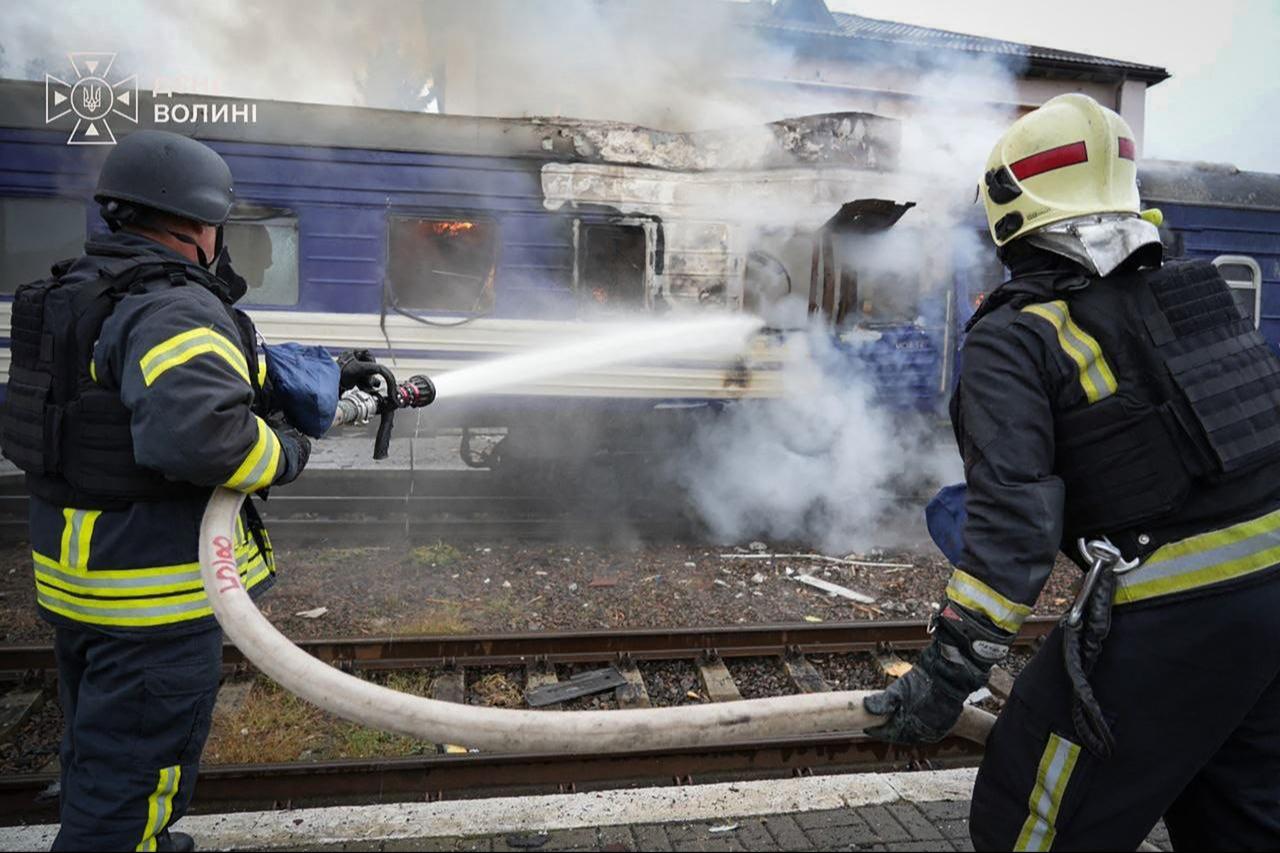
Asked about Western officials, including Boris Johnson, pointing to Russia over the attack near a train carrying U.S. and European officials returning from Ukraine near the Polish border, Vershinin denied Russian responsibility for civilian targeting.
"I can say with certainty that we have not struck, are not striking, and will not strike civilian targets. Our strikes are aimed at depriving the Ukrainian Armed Forces of the ability to carry out terrorist attacks on our territory and civilian infrastructure. If you pay attention, missile debris is now seen less often in Ukraine, because, according to Ukrainian statements, there is a shortage of air defense missiles. Falling missiles used to cause very serious damage to civilian facilities in Ukraine, and it is clear that this stemmed from Ukraine's own missiles' debris," he said.
"We do not select civilian targets for these strikes. We have not struck, are not striking, and will not strike peaceful facilities. However, those involved in military actions against us that are essentially terrorist in nature can become targets. We do not strike civilian stations and trains. But we may strike locomotives being used in the interests of the Ukrainian Armed Forces," the Russian envoy said.
Asked about U.S.-Türkiye discussions on transferring weapons to Ukraine and whether Russia had raised concerns with the Turkish side, Vershinin said: "We first saw reports on this issue published by the U.S. Congress, and we expressed our position on it. Our position is based on the principled understanding that adding weapons while there is an armed conflict underway is a bad thing."
Asked whether Türkiye understood Russia's position, he said, "We always reach mutual understanding with our Turkish friends."
On reports of a potential sale of Türkiye's S-400 air defense systems to a third country, Vershinin said: "I have seen the reports appearing in local and other media outlets regarding the S-400 issue. We have had contacts on this matter, they are ongoing, and I believe we will find solutions that will satisfy both the Russian and Turkish sides."
Asked whether Russia would be comfortable with any third country, he said, "This is a matter for the ongoing contacts and, above all, a matter that must be agreed upon between the parties."


 Set as preferred source
 Set as preferred source


 2 min read
 1 min read