Newsletters


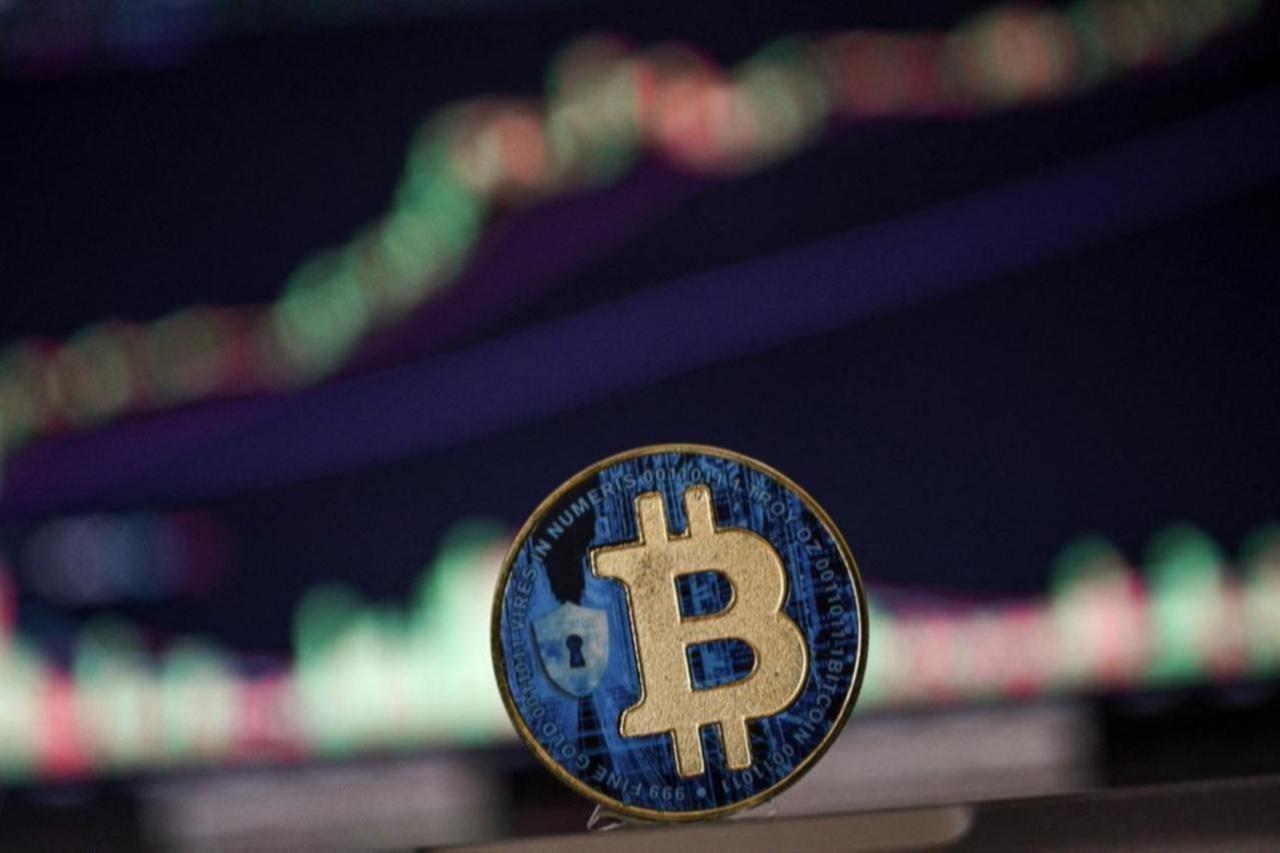


Britain has imposed a fresh round of sanctions targeting cryptocurrency exchanges and financial networks accused of helping Russia circumvent Western restrictions and finance its war in Ukraine, as London signals it will continue tightening economic pressure on Moscow.
The measures, announced Tuesday, center on 18 new designations directed at exchanges, companies, and individuals connected to the so-called A7 network, which the UK government says was used to bypass sanctions, fund military procurement, and process revenues from Russian state-linked oil sales.
Home Secretary Yvette Cooper said Russia is growing increasingly reliant on covert financial channels as existing sanctions continue to squeeze its economy. "If the Kremlin thinks it can evade our sanctions by hiding behind crypto networks and shadow financial systems, it is gravely mistaken," she said.
The UK government described the A7 network as a "shadow financial system" that moved more than $90 billion last year, a figure it characterized as roughly half of Russia's annual military expenditure.
The sanctions package extends beyond the A7 network to include a Kyrgyz bank suspected of processing payments connected to the operation, three Georgian companies accused of running Russia-focused cryptocurrency exchanges, and what the government described as a major global cryptocurrency exchange believed to have funneled more than $1.5 billion back to the Kremlin.
The breadth of the designations reflects London's stated effort to dismantle what it calls the financial infrastructure underpinning Russia's war economy, rather than targeting individual actors in isolation.
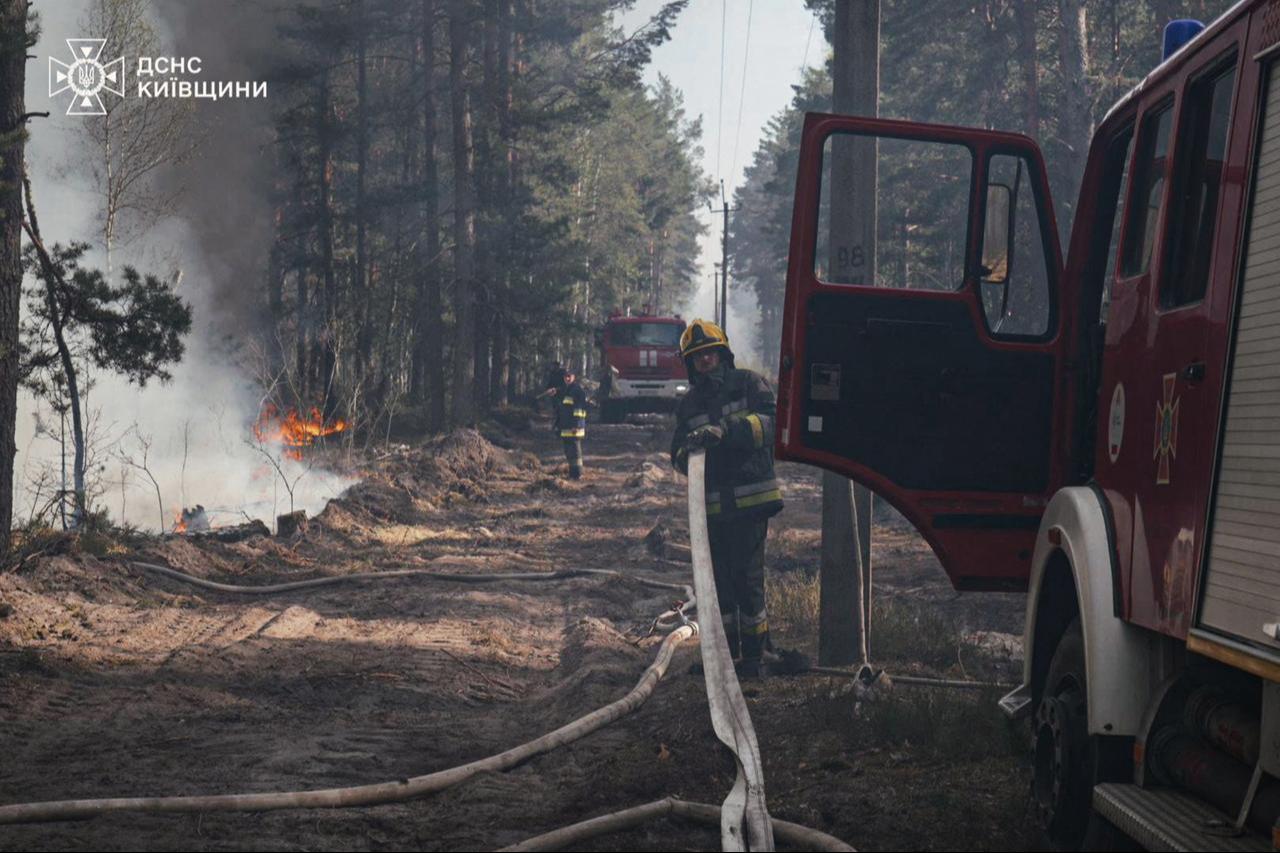

Since Russia's full-scale invasion of Ukraine began in February 2022, the UK says it has sanctioned more than 3,300 individuals, businesses, and vessels with ties to Russia. The government claims the cumulative effect of international sanctions has cost Russia more than $450 billion, describing that figure as the equivalent of four years of funding for what it called Putin's illegal war.
Cooper framed Tuesday's action as part of an evolving response to Moscow's efforts to adapt. "We are adapting and strengthening our approach to target the evolving tactics Russia is using to evade restrictions," she said, adding that the UK is going after the infrastructure sustaining Russia's war economy while Ukraine increases military pressure on the battlefield.
London showed no signs of easing its approach, with Cooper warning there would be "no safe havens for those enabling Russia's aggression." The government statement added that the UK and its allies stand ready to escalate pressure for as long as fighting in Ukraine continues, and will keep strengthening sanctions at every opportunity.
Cryptocurrency has emerged as a growing concern for Western governments seeking to enforce sanctions against Russia. Decentralized and often pseudonymous, digital asset networks have been scrutinized by regulators and intelligence agencies as potential conduits for sanctions evasion, prompting a series of enforcement actions across the US, EU, and UK in recent years.


 Set as preferred source
 Set as preferred source


 1 min read

 1 min read