

 Newsletters


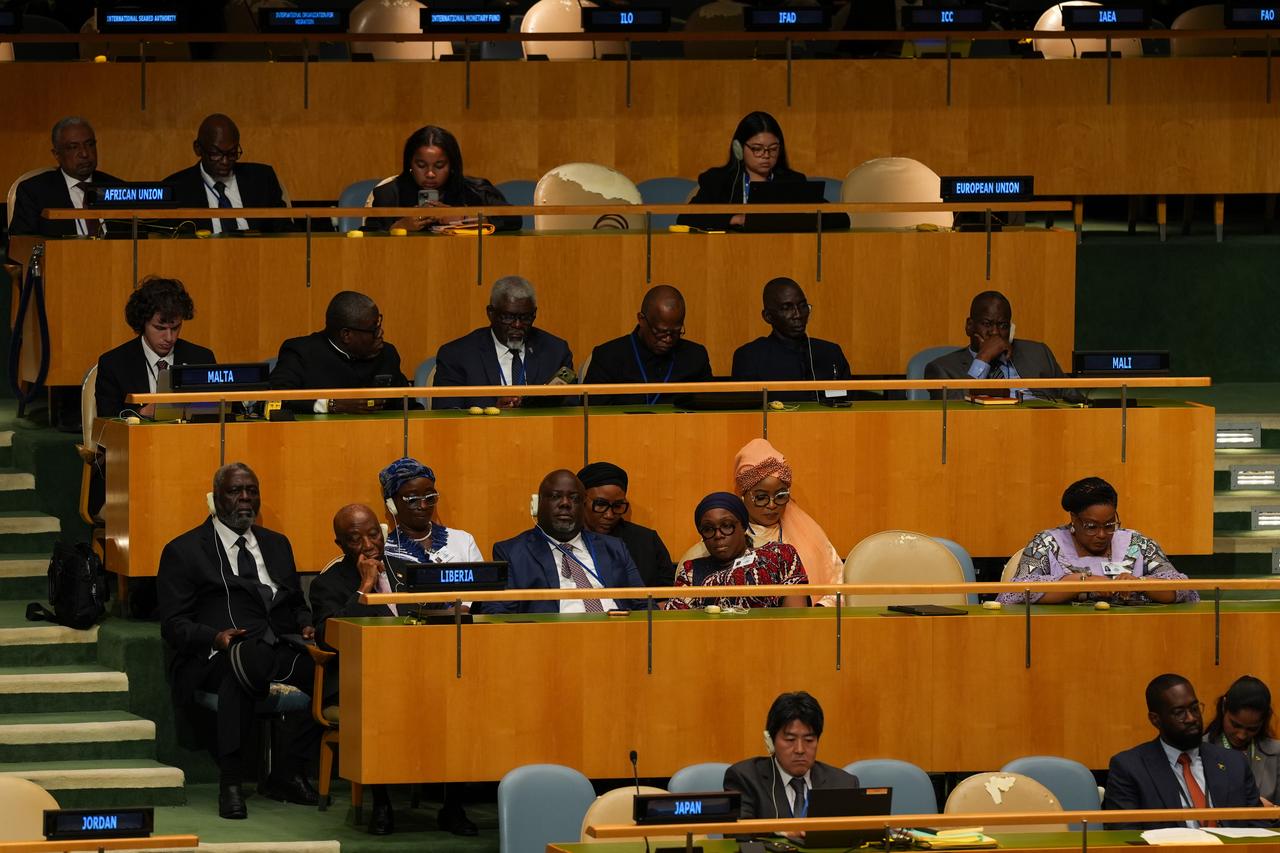


African leaders used speeches at the 81st U.N. General Assembly to call for fairer and stronger representation for the continent in the global system, with demands focused on U.N. Security Council reform, development financing and the Palestinian issue.
Leaders who addressed the General Assembly from Sept. 22 to 24 called for Africa’s representation in global decision-making mechanisms to be increased and for financing opportunities to be created in line with the continent’s development priorities.
They also emphasized that Africa should obtain greater economic value from its natural resources and reiterated support for a two-state solution to the Palestinian issue.
According to information compiled by Turkish news agency Anadolu from the speeches, U.N. Security Council reform, inequalities in the global financial system, the processing of natural resources within the continent and Palestine were among the prominent topics raised by African leaders.

Kenyan President William Ruto called for permanent representation for Africa, saying the continent’s absence from the permanent membership of the U.N. Security Council was incompatible with its position in global decision-making.
Ruto noted that Africa, with 54 U.N. member states, constitutes more than one-quarter of the General Assembly and said the Security Council should be reformed to reflect today’s global realities.
He also said developing countries can access financing only at high cost, calling for reform of the international financial system, longer-term financing from development banks and a greater African voice in global financial decisions.
Sierra Leone President Julius Maada Bio said the current structure of the Security Council reflects the geopolitical balance after World War II and does not adequately meet today’s political, economic and demographic realities.
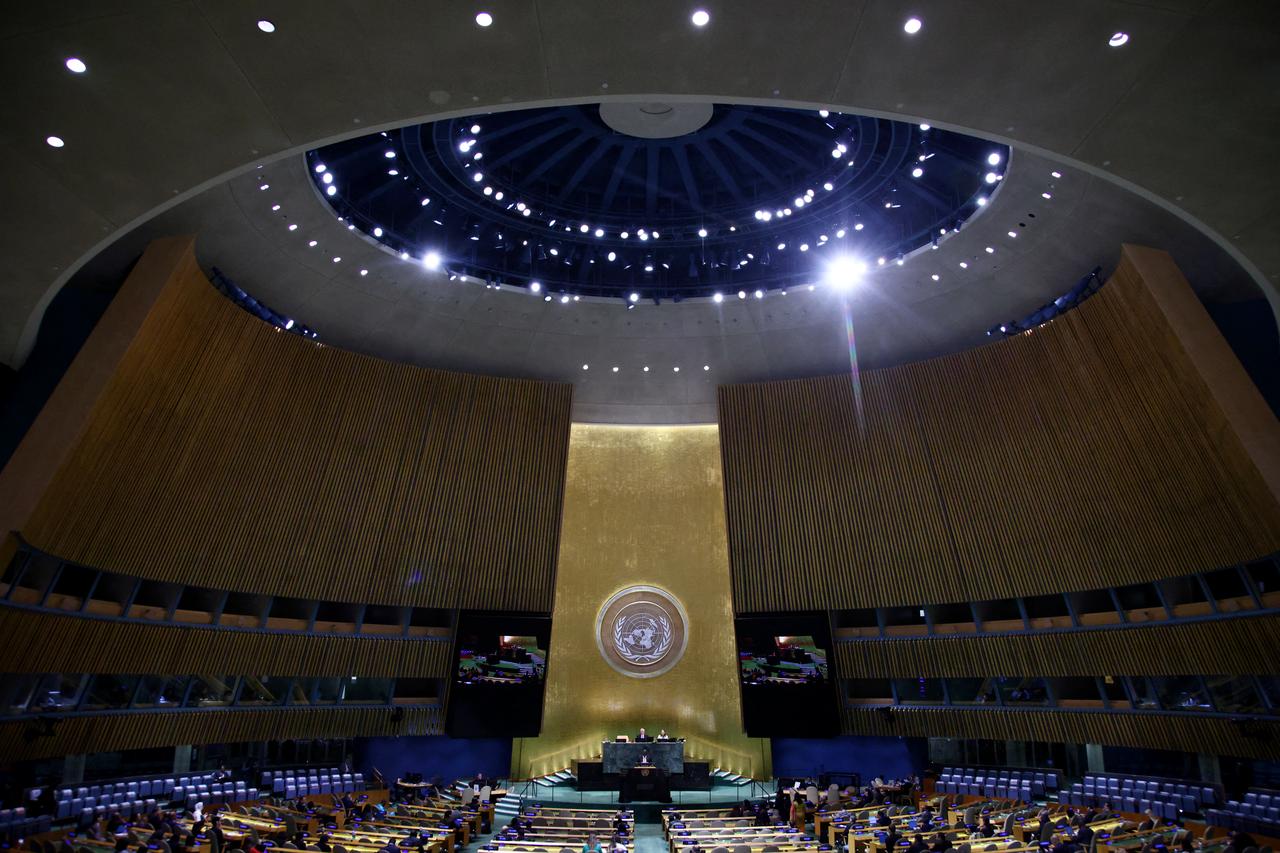
Bio said Africa’s lack of permanent representation on the Council weakens the legitimacy and effectiveness of the institution, calling for the continent to be included more fully in global decision-making processes.
Seychelles President Patrick Herminie said Africa should be represented on the Security Council with at least two permanent seats, adding that as long as the veto right continues to exist, Africa should also have that right.
Herminie also called for stronger multilateralism and greater adherence to international law.
Central African Republic President Faustin-Archange Touadera drew attention to security challenges and development needs facing his country, calling on the international community to increase support for African countries’ peace and development efforts.
Ethiopian President Taye Atske Selassie called for a more equitable and inclusive multilateral system and stressed that Africa should have a more meaningful voice in global decision-making.
Selassie said that as solutions are sought for climate change, artificial intelligence and rising global inequalities, technological and economic progress should also benefit Africa and other developing countries.
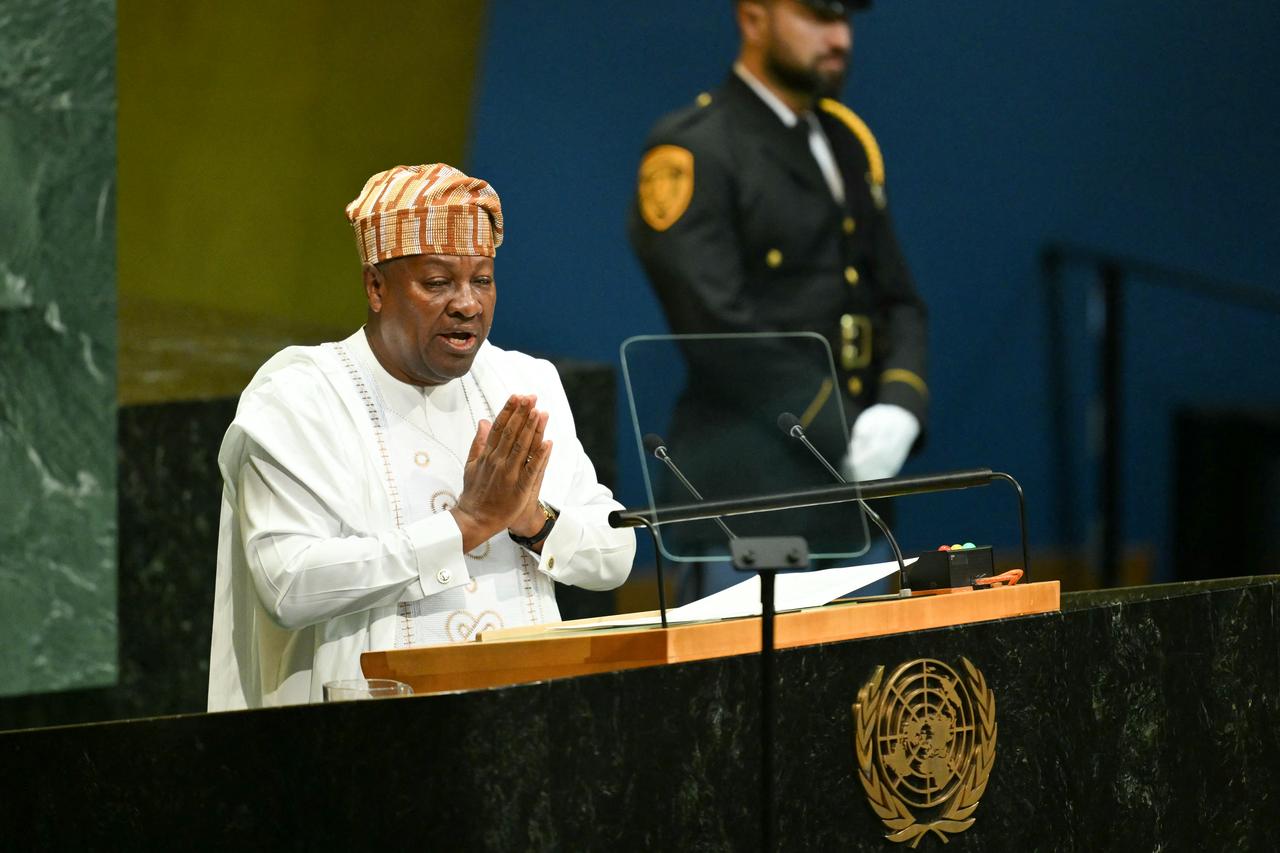
Ghanaian President John Dramani Mahama said Africa should be seen not as an aid recipient but as an equal partner, adding that the continent needs long-term, affordable financing for development, industrialization and climate adaptation.
“Africa is not asking for charity. Africa is asking for equal partnership based on mutual respect,” Mahama said.
He said Africa should process its natural resources, especially critical minerals, within the continent and create local industry and employment instead of exporting raw materials.
Mahama also called on developed countries to fulfill their climate financing commitments.
Addressing the Palestinian issue, Mahama said the situation in Gaza and the West Bank tests the credibility of the international community and reiterated support for recognition of the State of Palestine and a negotiated two-state solution.
“Nowhere is this credibility crisis more painful than in Gaza, the West Bank and the occupied territories, where the Palestinian people continue to be subjected to persecution,” Mahama said.
Tanzanian Vice President Deogratius Ndejembi also called for reform of the international financial system to meet the development needs of developing countries and facilitate access to affordable, long-term financing.
Ndejembi announced Tanzania’s candidacy for non-permanent membership of the U.N. Security Council for the 2029-2030 term, saying the country aimed to ensure Africa’s voice is strong on the Council.
On Palestine, Ndejembi said Tanzania supports the Palestinian people’s right to self-determination, called for civilians in Gaza to be protected and for humanitarian aid to be delivered without interruption, and expressed support for a two-state solution.
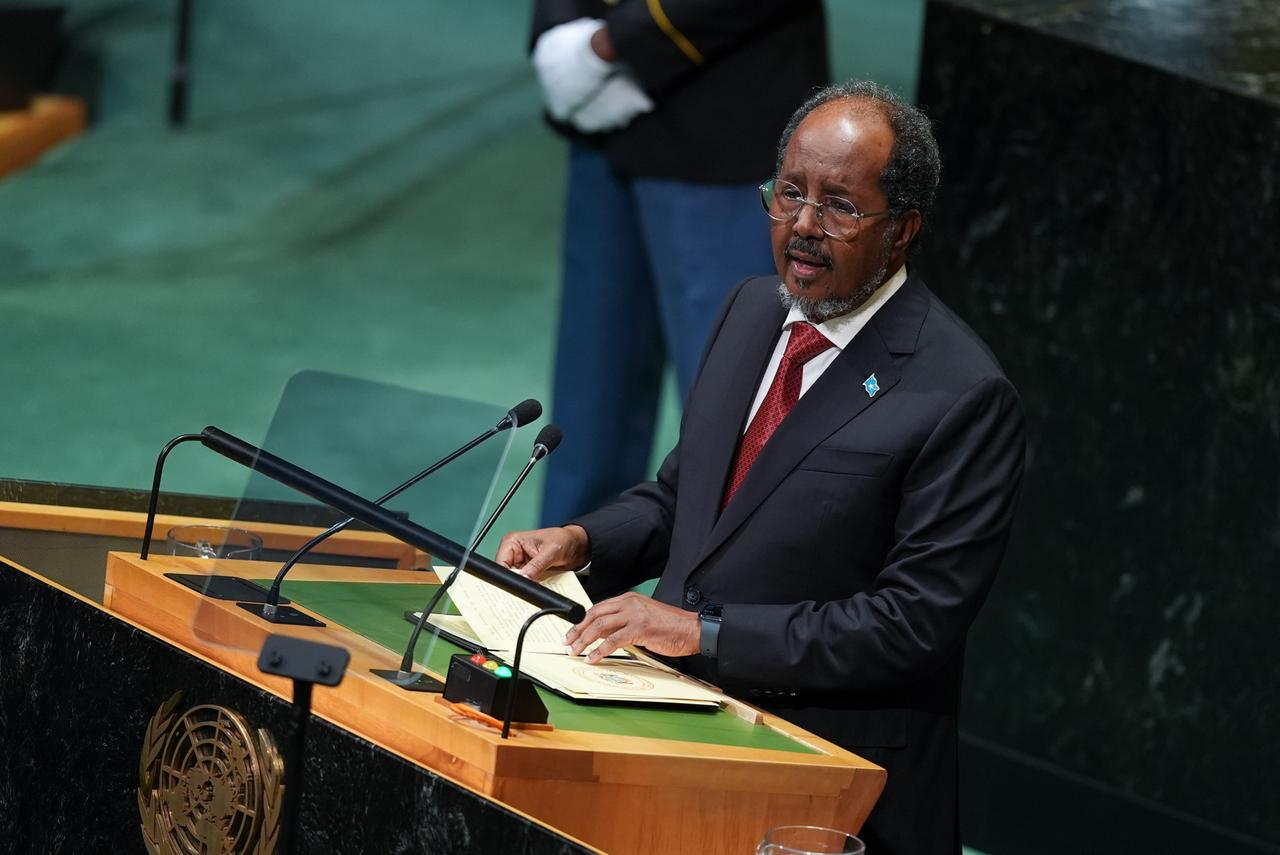
Somali President Hassan Sheikh Mohamud also emphasized that Africa should be represented more strongly in global decision-making processes, calling for the multilateral system to be strengthened and trust in the U.N. restored.
Mohamud also discussed Somalia’s progress in security, democratization, strengthening state institutions and economic development.
On Palestine, he reiterated Somalia’s support for the Palestinian people’s right to self-determination and to establish an independent state.
He called for a just and lasting solution based on a two-state solution and said the Palestinian issue should be addressed through joint international efforts.
African leaders also raised issues including access to development financing, reducing debt burdens, technology transfer and obtaining greater economic value from the continent’s natural resources.
They also supported the Palestinian people’s right to self-determination and called for a lasting solution based on a two-state framework.
The General Assembly debate continues from Sept. 22 to 28, with speeches delivered from Sept. 22 to 24 highlighting Africa’s demands for stronger representation in global decision-making mechanisms and a fairer position in the economic and financial system.


 Set as preferred source
 Set as preferred source


 2 min read
 1 min read


