Newsletters


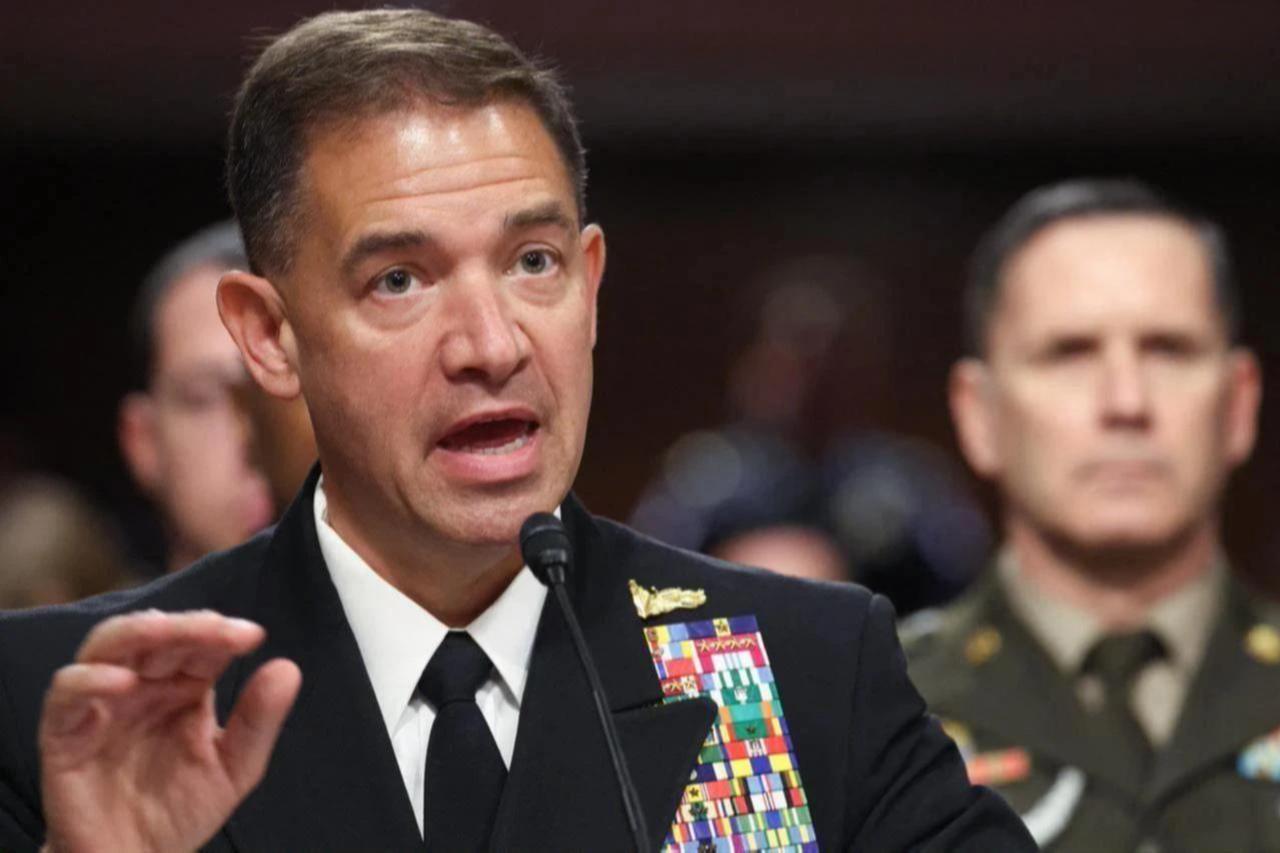


Senior military leaders from eight countries gathered in Germany last week for a scheduled U.S. Central Command conference focused on regional security cooperation, a U.S. official told Anadolu on Tuesday, speaking on condition of anonymity.
"The leaders discussed opportunities for enhancing security cooperation in the Middle East," the official said, without specifying which countries took part or detailing the full agenda.
The U.S.-based outlet Axios, citing two Israeli officials, reported that the gathering brought together the military chiefs of staff of Israel, Saudi Arabia, the United Arab Emirates, Bahrain, Kuwait, Qatar, Jordan and Egypt. Neither CENTCOM nor the anonymous U.S. official who spoke to Anadolu confirmed the list of participating countries.
CENTCOM, the U.S. combatant command responsible for military operations across the Middle East, Central Asia and parts of South Asia, is headed by Adm. Brad Cooper.
According to the Axios report, Cooper told the assembled officials that the U.S. military would not withdraw its forces from the region despite recent Iranian attacks on American bases.
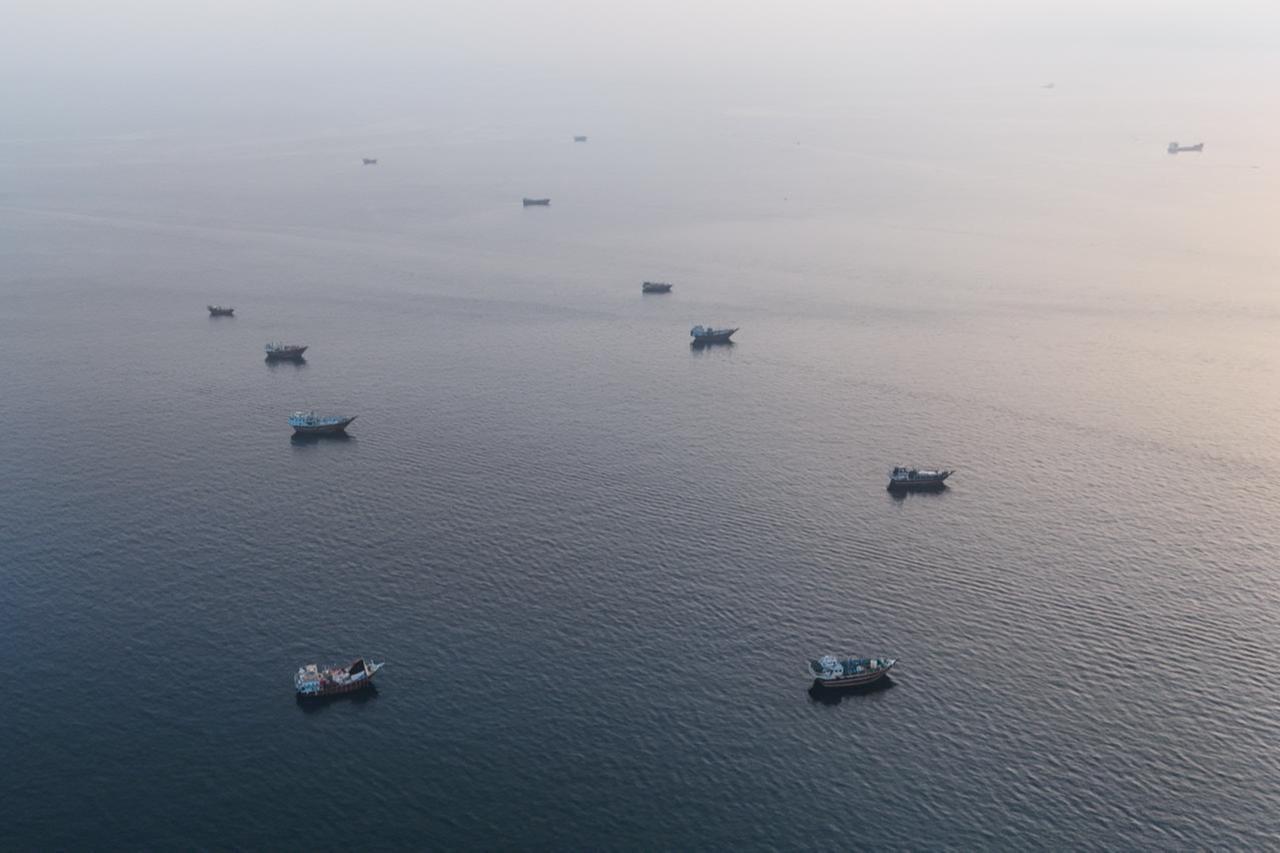
He also briefed participants on U.S. plans to expand ship traffic through the Strait of Hormuz, the narrow waterway between Iran and Oman through which a significant share of the world's seaborne oil exports passes.
The conference took place against a backdrop of heightened tension between Iran and the United States over the Strait of Hormuz.
A memorandum signed in June had outlined a possible deal to reopen the waterway as a step toward a broader peace agreement, but tensions have persisted since then.
At the same time, Houthi forces have intensified attacks on Saudi Arabia and pressed toward control of the Bab al-Mandeb Strait, another critical chokepoint linking the Red Sea to the Gulf of Aden.
The backdrop to the gathering includes a wider conflict that erupted in February, when the United States and Israel launched large-scale strikes on Iran, hitting government buildings, military sites, missile infrastructure and air defenses.
Iran responded with missile and drone strikes on Israel and U.S. bases across the region. The confrontation has since widened, even as diplomatic efforts to end the hostilities continue.


 Set as preferred source
 Set as preferred source


 1 min read

 1 min read