Newsletters


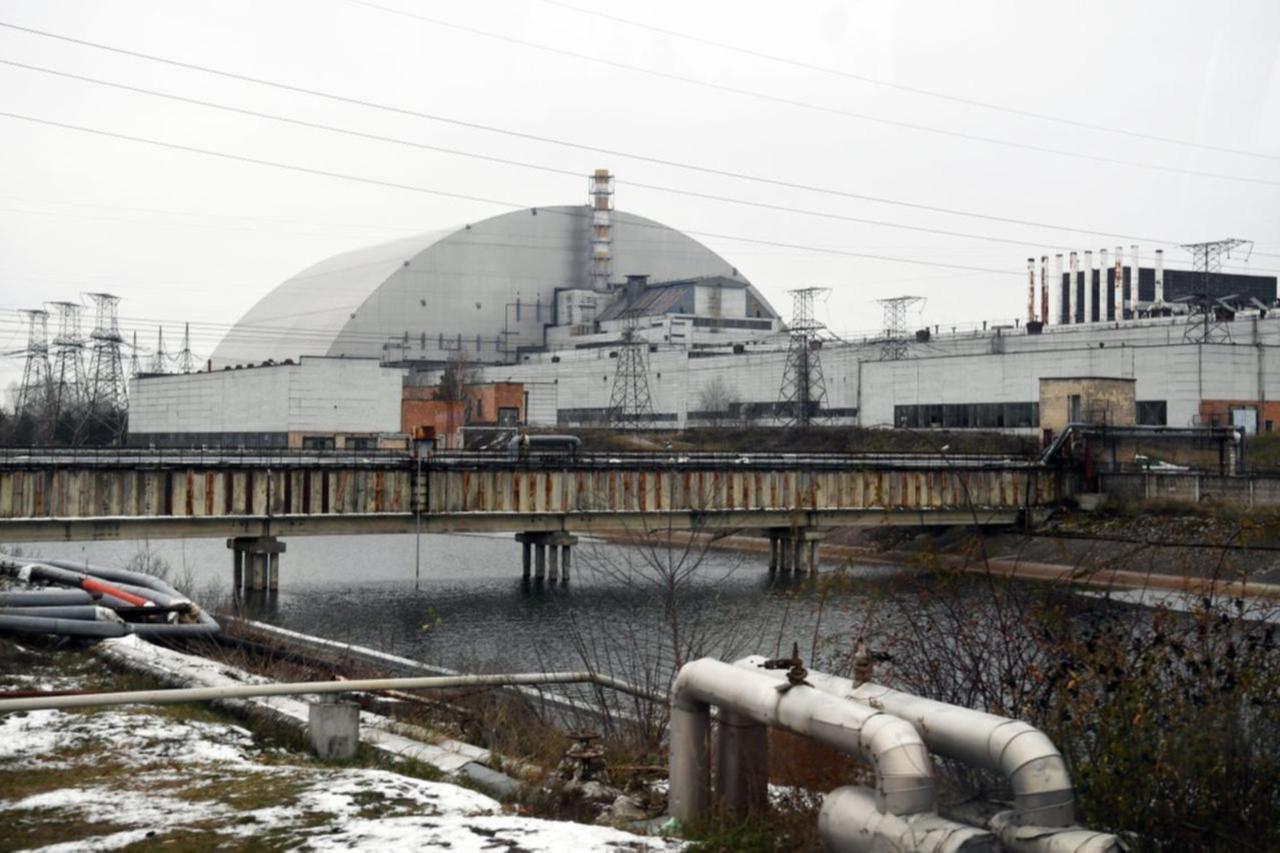


A direct Russian strike on the Chernobyl nuclear power station could cause the facility's decades-old internal radiation shelter to collapse, the plant's director has warned, raising concerns about the safety of the site that suffered the world's worst nuclear disaster nearly four decades ago.
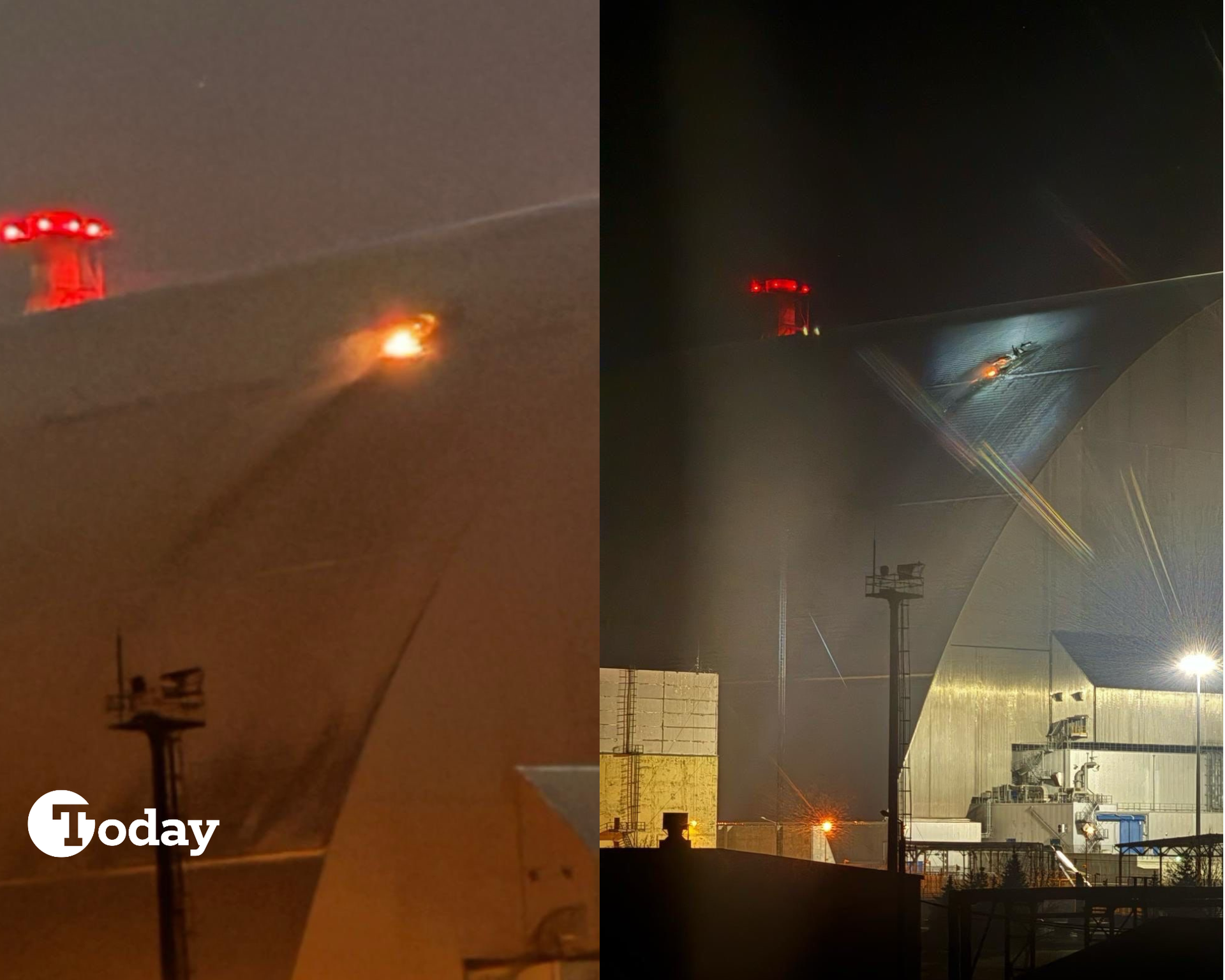
The warning from Sergiy Tarakanov comes months after a Russian drone attack in February punched through the outer protective shell of the defunct Ukrainian power plant, leaving a gaping hole in the modern containment structure designed to seal off radioactive materials from the 1986 meltdown. Ukrainian officials say Moscow has repeatedly struck the facility since launching its full-scale invasion in February 2022.
The damage has left the site vulnerable at a critical juncture, with complete restoration of the outer shell expected to take at least three to four years, according to Tarakanov. In an interview with AFP conducted last week, he warned that another strike could trigger far graver consequences.

"If a missile or drone hits it directly, or even falls somewhere nearby, for example, an Iskander, God forbid, it will cause a mini-earthquake in the area," Tarakanov said, referring to Russia's short-range ballistic missile system capable of carrying bunker-destroying warheads. "No one can guarantee that the shelter facility will remain standing after that. That is the main threat."
The Chernobyl site sits beneath two layers of protection. The inner layer, known as the Sarcophagus, consists of steel and concrete hastily erected in the months following the April 1986 reactor explosion that released massive amounts of radioactive material across Europe. That aging structure is encased within the New Safe Confinement, a massive steel arch completed in 2016 that stands as one of the largest movable structures ever built.
 1 min read
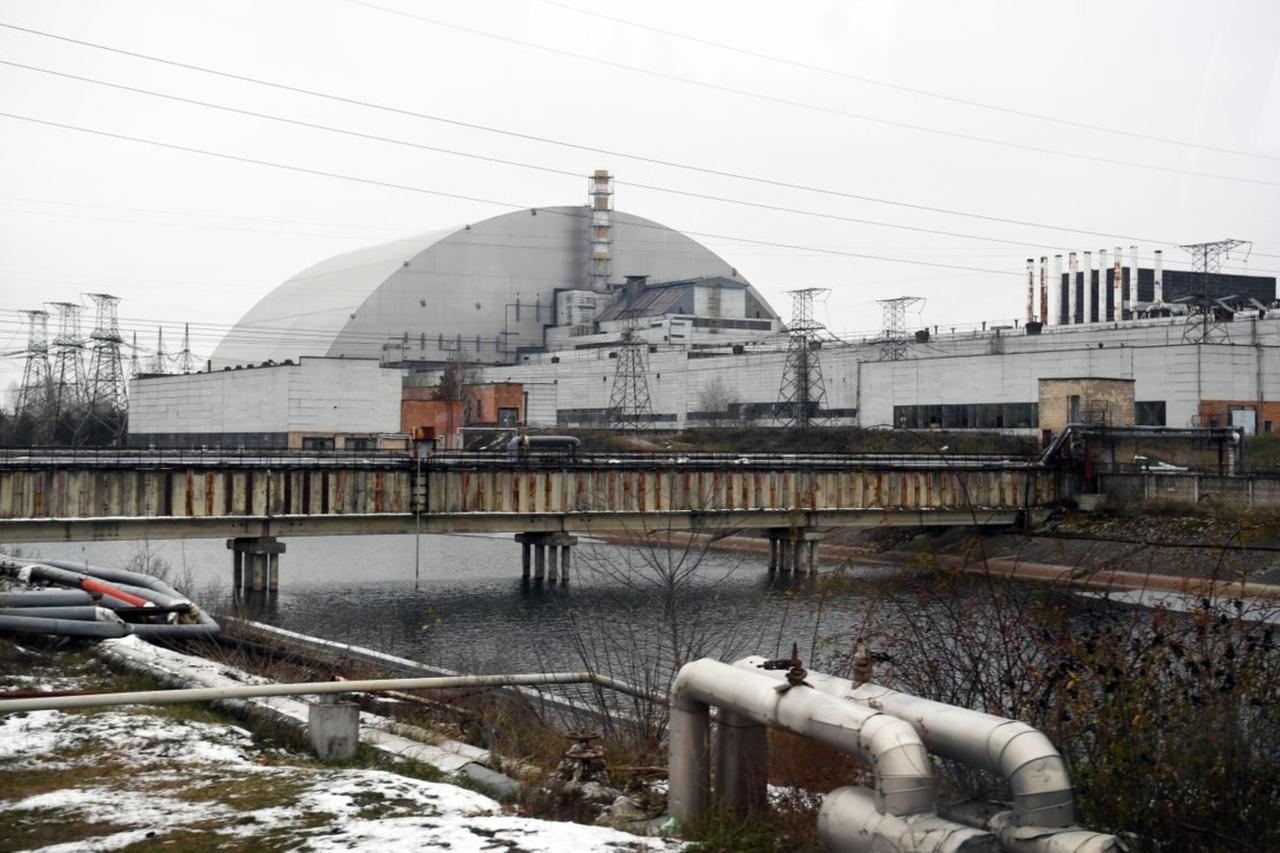
The February drone strike ignited a major fire in the outer cladding of the New Safe Confinement structure, severely damaging its roof. Tarakanov told AFP the facility has lost several of its main functions and will require years to fully restore.
The International Atomic Energy Agency confirmed the severity of the damage in a statement earlier this month following an inspection mission. The UN nuclear watchdog said the shelter had "lost its primary safety functions, including the confinement capability," though inspectors found no permanent damage to load-bearing structures or monitoring systems.
Workers have covered the main breach with a protective screen, but approximately 300 smaller holes created by firefighters battling the February blaze still require sealing, Tarakanov said. Despite the damage, radiation levels at the site remain stable and within normal limits, he added.
Russian troops seized control of Chernobyl at the outset of their February 2022 invasion, occupying the highly contaminated site for several weeks before withdrawing. The facility, located roughly 100 kilometers north of Kyiv near the border with Belarus, sits within the exclusion zone established after the disaster that forced the permanent evacuation of nearby towns and villages.
The 1986 explosion at Chernobyl's Reactor No. 4 released 400 times more radiation than the atomic bomb dropped on Hiroshima, according to scientific estimates. The disaster contaminated vast swaths of Ukraine, Belarus, and Russia, and its health and environmental effects continue to this day.


 Set as preferred source
 Set as preferred source



 1 min read