Newsletters


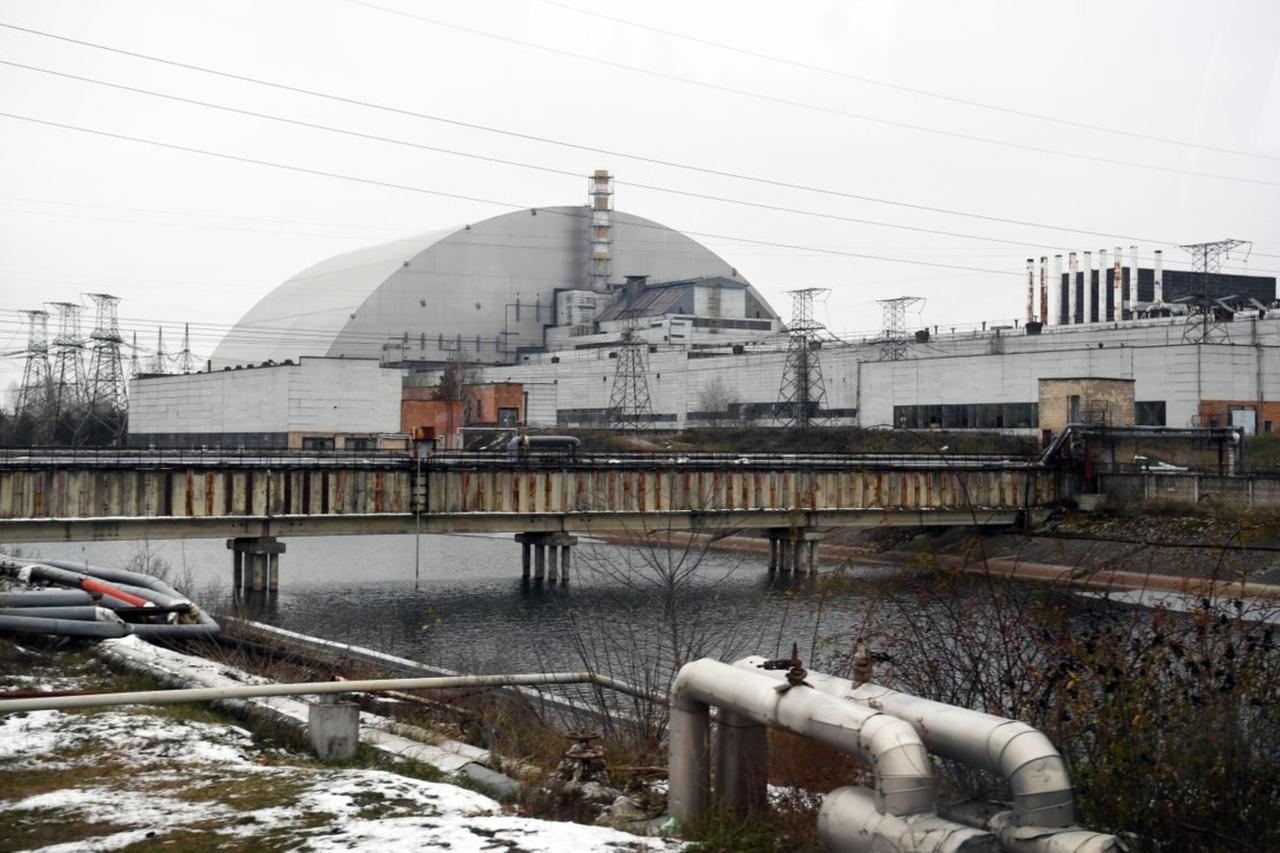


The protective structure built over Ukraine’s Chernobyl nuclear reactor has lost its main safety function following a drone strike earlier this year, the U.N.’s International Atomic Energy Agency (IAEA) said, warning that timely and comprehensive restoration is now essential.
IAEA inspectors found that the massive shield, constructed to contain radioactive material from the 1986 disaster, can no longer fully perform its “fundamental safety functions, including containment capability,” according to the agency’s latest assessment.
Ukraine accused Russia in February of targeting the site with a drone attack, though Moscow denied responsibility.
The strike caused a fire and “serious external damage” to the steel enclosure, the agency said.


Despite the findings, U.K.-based environmental scientist Professor Jim Smith told the BBC that the situation does not warrant panic.
He said the greatest danger would stem from disturbance of radioactive dust but noted that it remains enclosed within a thick concrete sarcophagus built after the 1986 explosion.
Because of this barrier, the current risk level is considered low.
The original Soviet-era “sarcophagus” was designed for a 30-year lifespan, leading to the construction of a newer protective dome intended to contain radioactive materials for the next century.
IAEA inspectors confirmed no permanent damage to load-bearing structures or monitoring systems and noted that some roof repairs had already been carried out.
IAEA Director General Rafael Grossi stressed that restoration is critical “to prevent further degradation and ensure long-term nuclear safety.”

Since early December, the IAEA has also been evaluating Ukraine’s energy infrastructure as the country faces continued Russian strikes.
Ukrainian officials reported that Russia launched overnight air attacks on Kremenchuk, a key industrial city.
The agency is inspecting not only Chernobyl but also power substations tied to nuclear safety and security.
Grossi emphasized their importance, saying they supply the electricity required for reactor cooling systems and are vital for distributing power to households and industry.
The IAEA said it will continue monitoring the condition of Chernobyl’s protective structure and Ukraine’s broader nuclear safety environment.


 Set as preferred source
 Set as preferred source



 4 min read