Newsletters


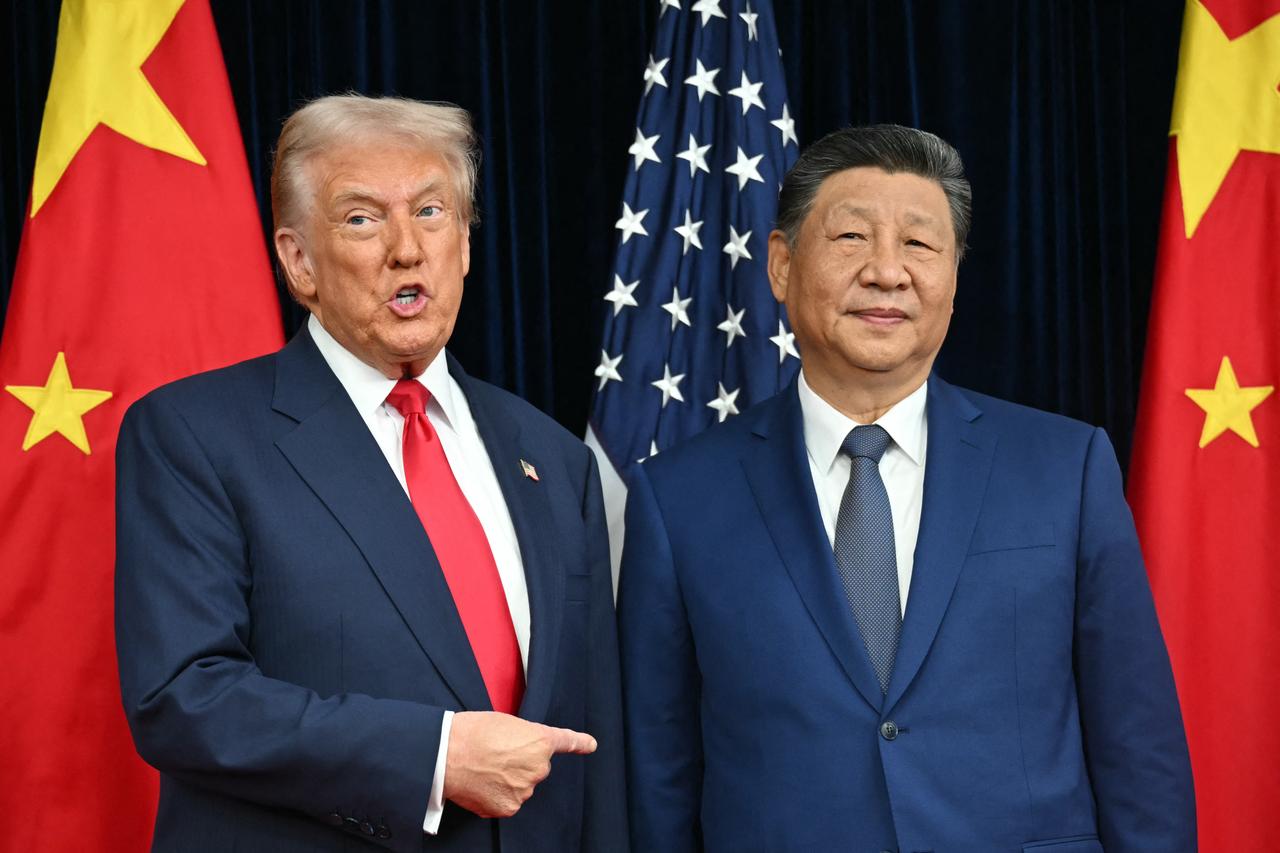


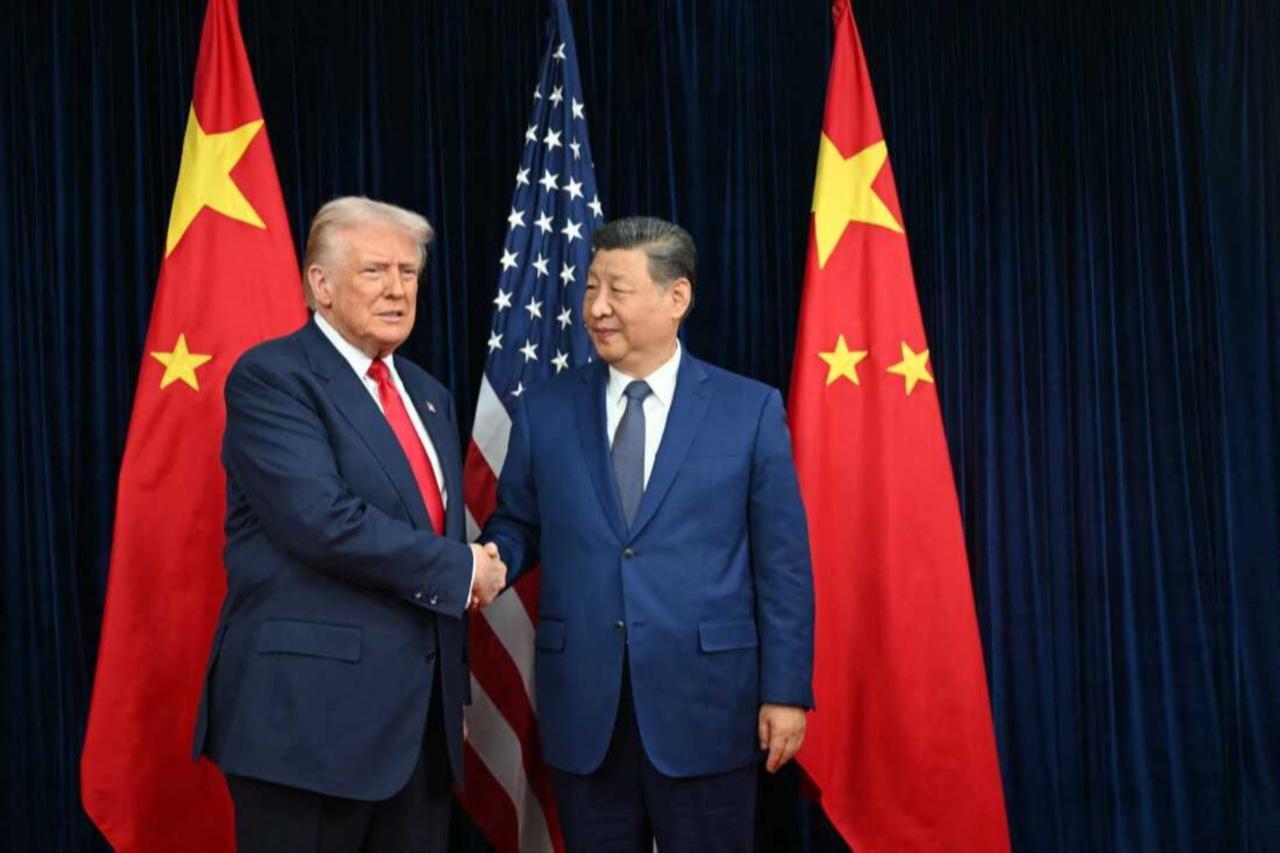
Beijing said Monday it is ready to work with the United States to bring “more stability” to global affairs, while confirming that U.S. President Donald Trump will visit China this week.
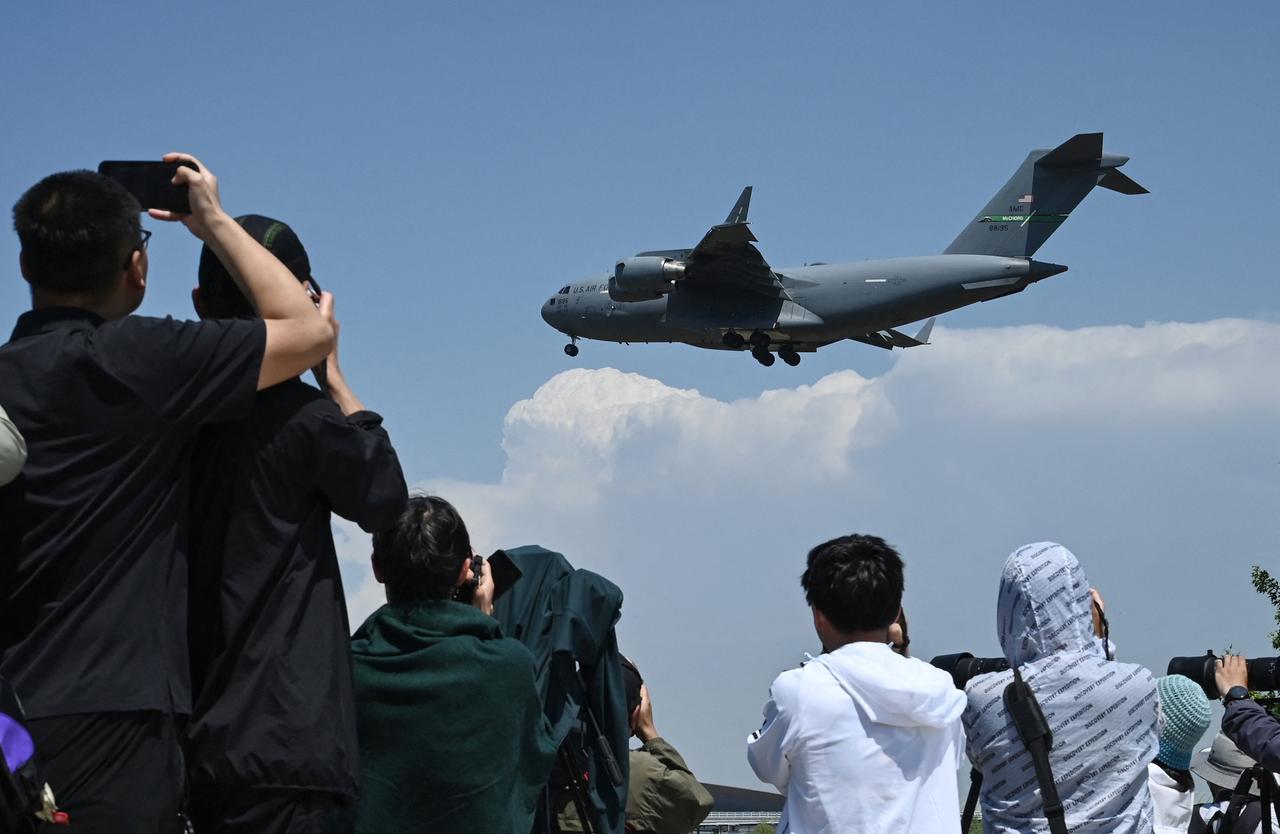
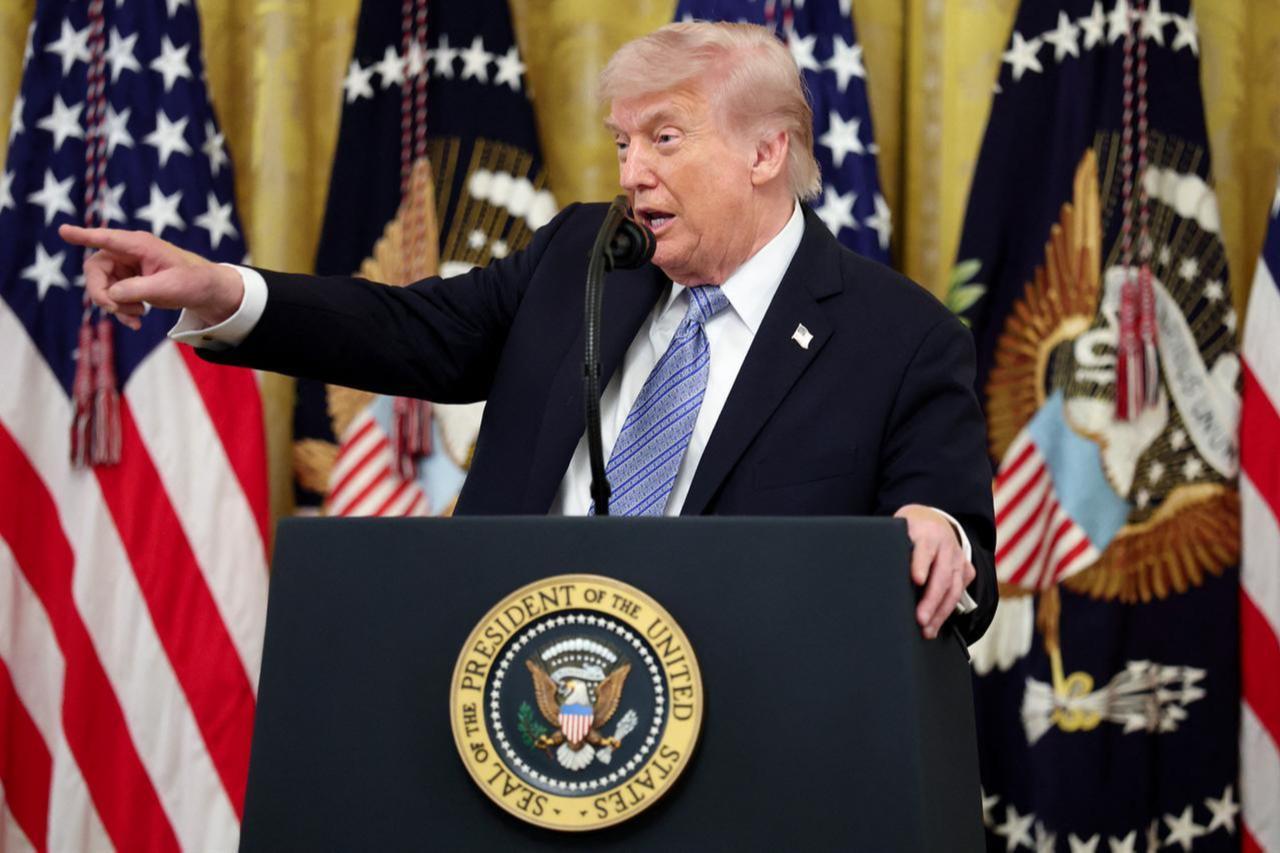
Trump will travel to China from May 13-15 at the invitation of Chinese President Xi Jinping, China’s Foreign Ministry announced. The visit will mark the first trip by a U.S. president to China since Trump’s previous state visit in 2017.
The White House had announced the trip several weeks ago, while Beijing confirmed on Monday that the visit would proceed from Wednesday through Friday.
Trump had originally planned to visit China in late March or early April but postponed the trip to focus on the war involving the United States, Israel and Iran.
“Top-level diplomacy plays an irreplaceable strategic guiding role in China-U.S. relations,” Guo Jiakun, spokesman of the Chinese foreign ministry, told reporters at a regular briefing.
“China is willing to work with the United States in the spirit of equality, respect, and mutual benefit, to expand cooperation, manage differences, and inject more stability and certainty into a volatile and intertwined world,” he added.
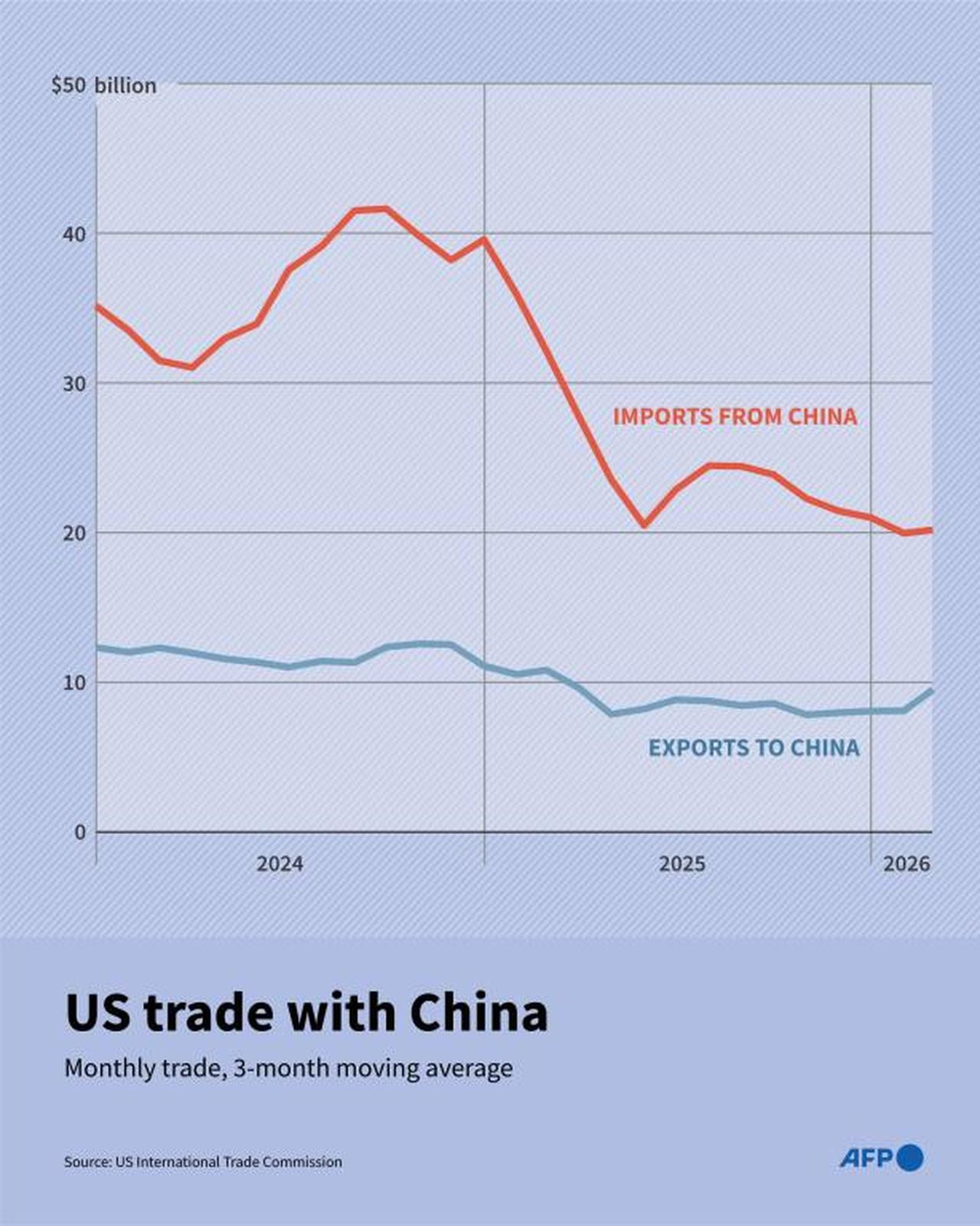

Relations between Washington and Beijing remain strained over trade tariffs, technology restrictions, Taiwan and the ongoing Middle East conflict.
The conflict triggered by U.S.-Israeli strikes on Iran launched on Feb. 28 and Tehran’s retaliatory attacks, is expected to be a key topic during the summit.
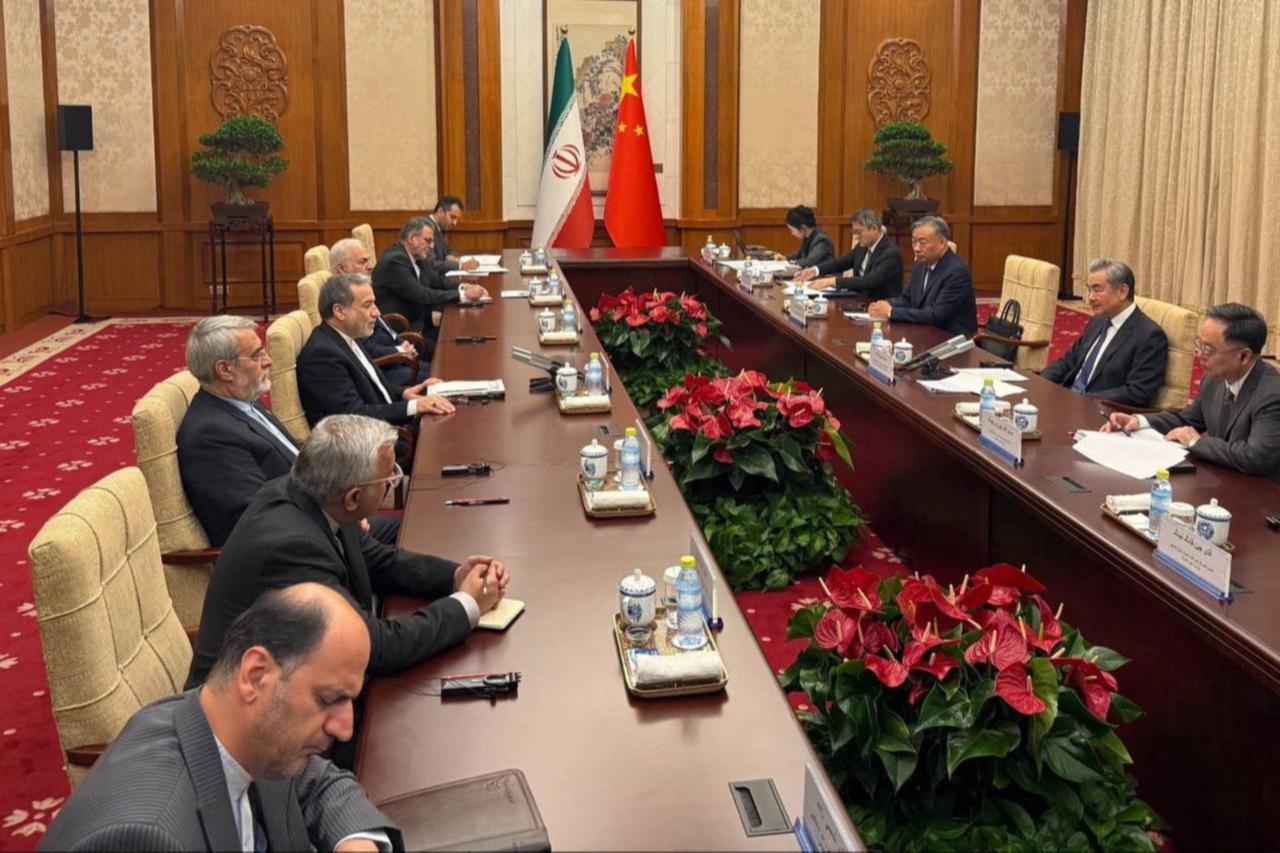
China is one of Iran’s largest trading partners, and Chinese Foreign Minister Wang Yi told his Iranian counterpart last week that Beijing would play a “greater role” in promoting regional peace.
Asked about U.S. pressure regarding Iran, Guo said China’s position remained “consistent” and that Beijing would continue playing a “positive role” in promoting ceasefire efforts and peace talks.
The Chinese foreign ministry also criticized recent U.S. sanctions targeting Chinese companies accused of assisting Iran’s military operations. “China firmly opposes illegal unilateral sanctions,” Guo said.
The visit is also expected to focus heavily on economic disputes. Relations between the two countries have deteriorated during Trump’s second term amid disputes over tariffs, technology restrictions and China’s tightening control over rare earth exports.
U.S. Treasury Secretary Scott Bessent and Chinese Vice Premier He Lifeng are expected to meet in Seoul this week ahead of the summit. The talks are expected to finalize potential agreements or announcements for the leaders’ meeting.
Taiwan’s Foreign Minister Lin Chia-lung said on Monday that Taipei is closely monitoring how the Taiwan issue will be addressed during the Trump-Xi meeting.
“Of course, we don't want to see any surprises regarding Taiwan during the Trump-Xi meeting,” Lin said, according to Taiwan’s Central News Agency.
“We should be concerned, but not overly worried,” he added.
China considers Taiwan part of its territory, while Taipei has maintained its separate administration since 1949.
The summit comes amid growing tensions following the recent U.S. approval of large-scale arms sales to Taiwan.
Trump and Xi last met face-to-face in October last year during a regional summit in South Korea, where they agreed to a one-year truce in an escalating trade war between the world’s two largest economies.


 Set as preferred source
 Set as preferred source


 1 min read
 1 min read