Newsletters


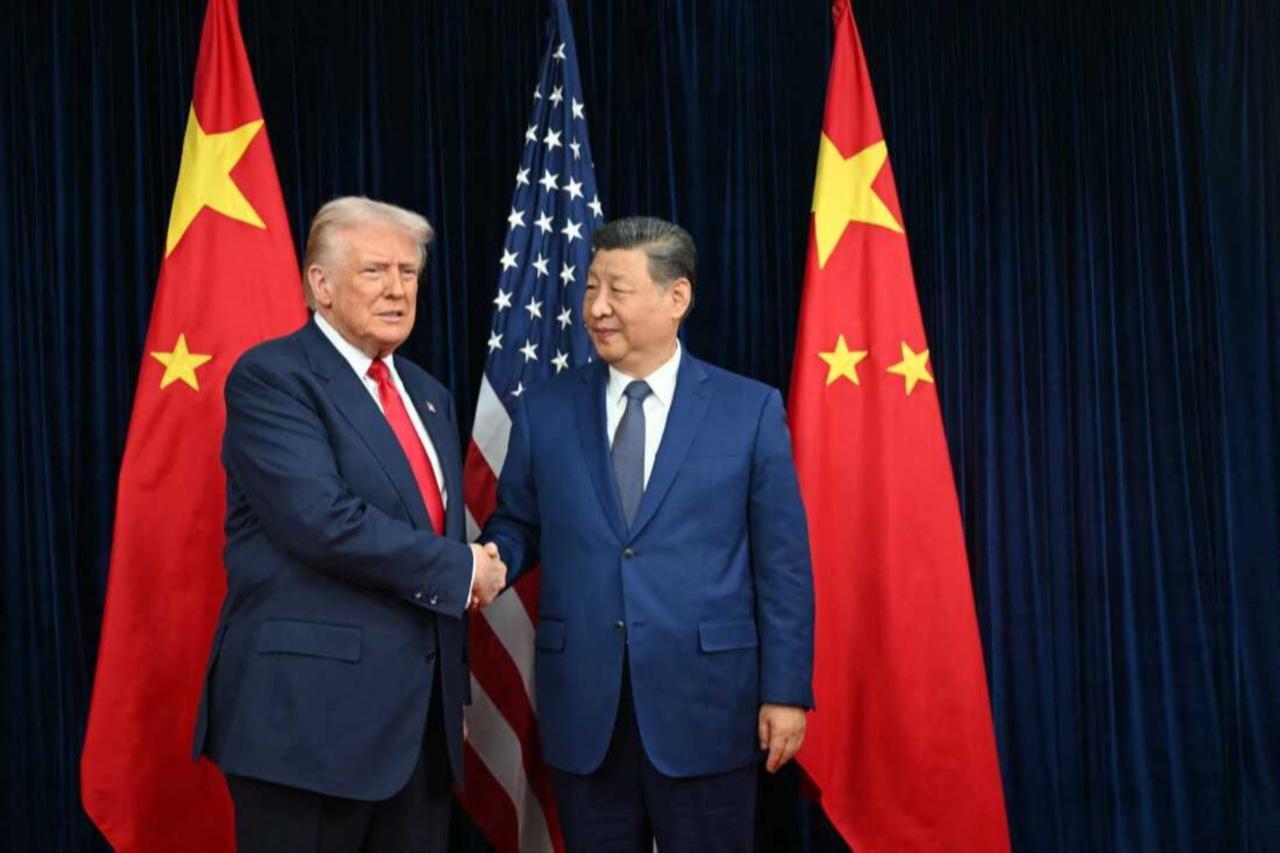


The upcoming summit between U.S. President Donald Trump and Chinese President Xi Jinping is increasingly expected to focus on the Iran war, reducing room for discussions on issues such as tariffs, rare earth exports, and broader trade disputes, according to reports.
The two leaders are scheduled to meet in Beijing on May 14 and 15, amid ongoing efforts to end the war that began on Feb. 28 under a fragile ceasefire, overshadowing key issues between the two sides, such as tariffs, control of rare earth supplies, and technology restrictions.
The leaders had previously agreed to a temporary deal in late October last year, giving both sides one year to address trade disputes, scrap tit-for-tat tariffs, and allow Beijing to continue rare earth exports.
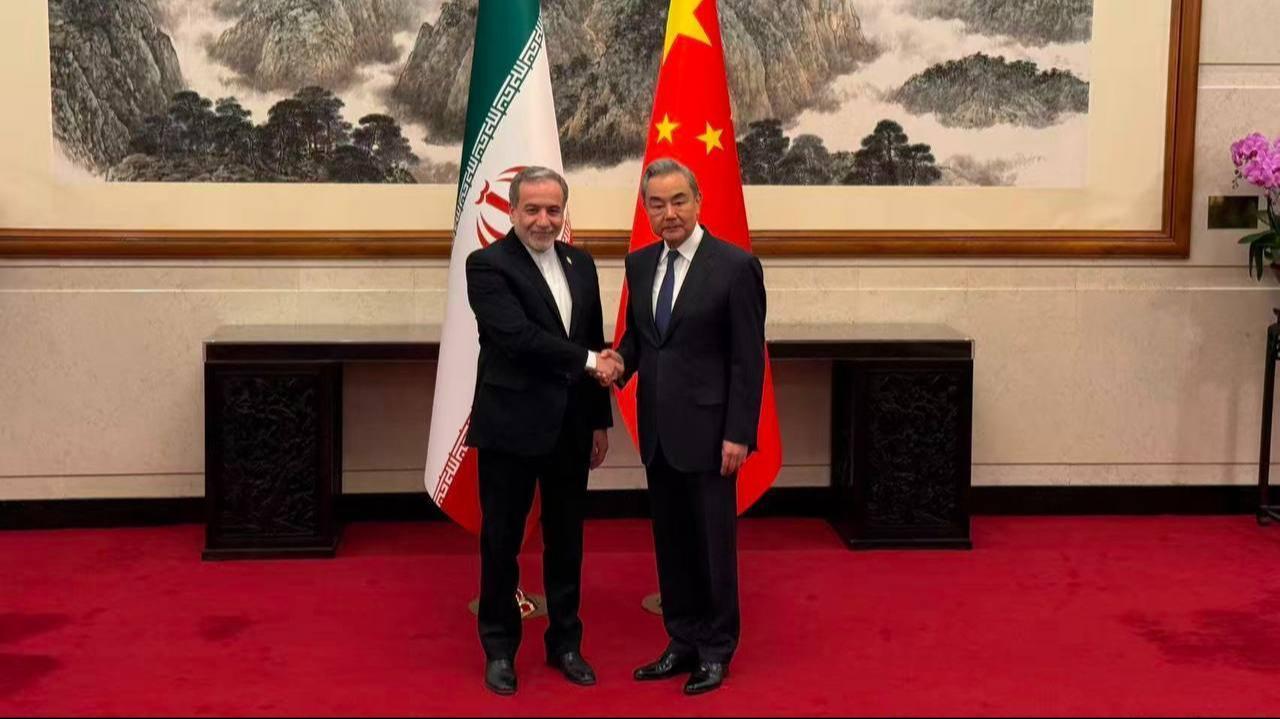
Ahead of the summit, Iranian Foreign Minister Abbas Araghchi held talks with Chinese Foreign Minister Wang Yi in Beijing on Wednesday, marking their first in-person meeting since the United States and Israel launched strikes against Iran.
According to Iran’s Foreign Ministry, the talks focused on bilateral ties and regional developments, while Iranian media described the meeting as part of Tehran’s broader diplomatic consultations.
Araghchi praised China’s opposition to what he called U.S.-Israeli aggression against Iran and stated that Tehran would only accept a "fair and comprehensive agreement" in the ongoing indirect contacts with Washington.
Wang described the U.S.-Israeli military campaign as "illegitimate and unlawful," urging a full ceasefire and stressing that direct negotiations between the parties were necessary to reduce tensions in the region.
China is one of Iran’s main economic partners, particularly in oil trade, which has been squeezed by the U.S. naval blockade targeting Iranian ports and Tehran’s oil revenues.

Several top U.S. business leaders are expected to accompany Trump during the China trip, including Boeing's Kelly Ortberg and Citigroup's Jane Fraser, sources told CNBC.
Ortberg’s participation comes as Boeing prepares for what could become its first major Chinese aircraft order in nearly a decade. The company has reportedly been discussing a possible agreement involving hundreds of 737 Max aircraft.
The White House reportedly declined a Chinese proposal to organize industry-specific meetings between senior Chinese officials and American executives, amid concerns that U.S. companies could appear too closely aligned with Beijing, another CNBC report suggested.
According to sources familiar with the planning, the number of executives joining Trump may also be reduced significantly compared to previous overseas visits.
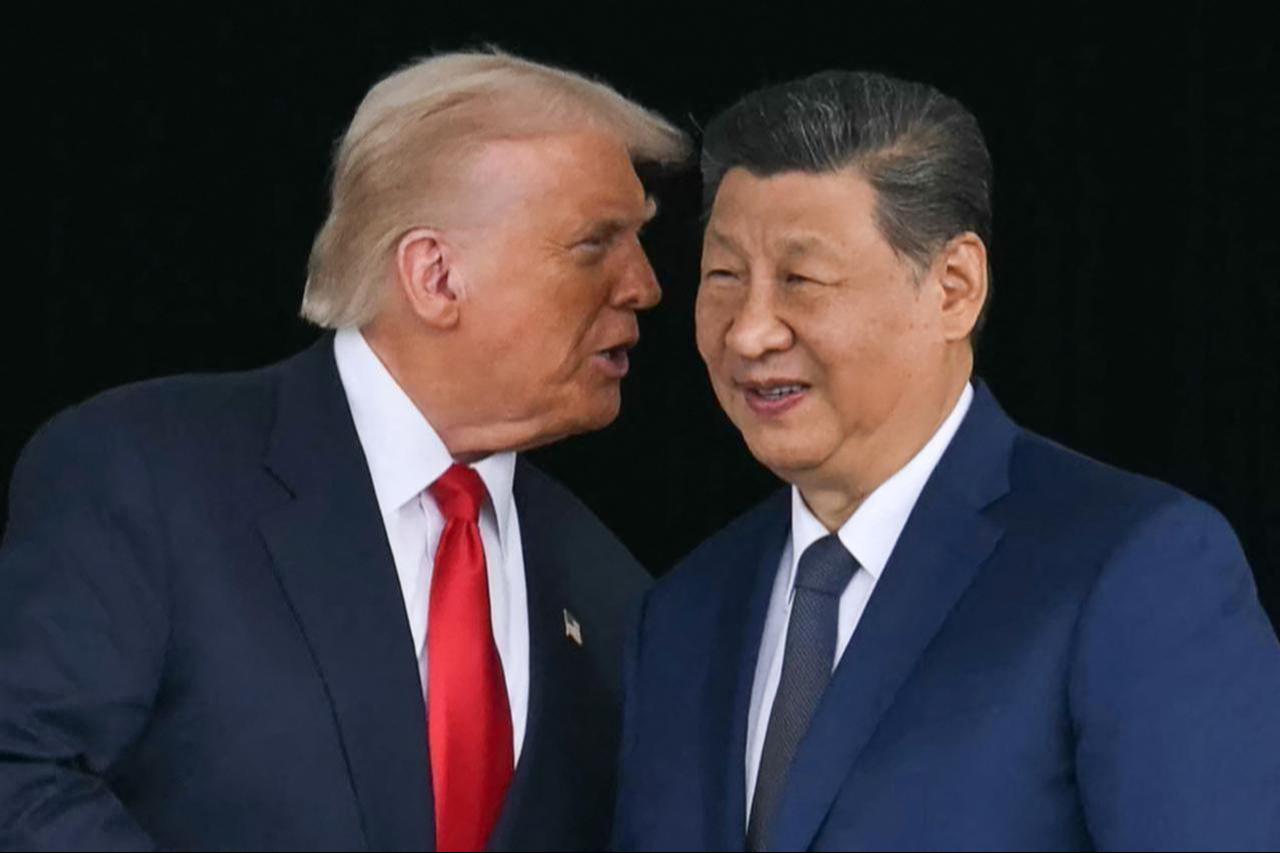
Alongside the Iran conflict, both governments are still expected to discuss tariffs, Taiwan and U.S. restrictions on China’s access to advanced technologies.
Earlier this year, Trump allowed Nvidia to export its H200 chips to China, although no sales have been recorded so far, according to Commerce Secretary Howard Lutnick’s latest remarks.
Jensen Huang, CEO of Nvidia, said this week that China should not gain access to the company’s most advanced AI chips, including Blackwell and Rubin, stressing that the U.S. must remain ahead in AI technology. He also told CNBC that U.S. firms should prioritize securing cutting-edge technology for the U.S. first.
Trump is also expected to pursue agreements involving increased Chinese purchases of U.S. soybeans and aircraft, while broader discussions may include the creation of bilateral trade and investment bodies designed to handle sector-specific disputes.


 Set as preferred source
 Set as preferred source


 1 min read
 1 min read