Newsletters


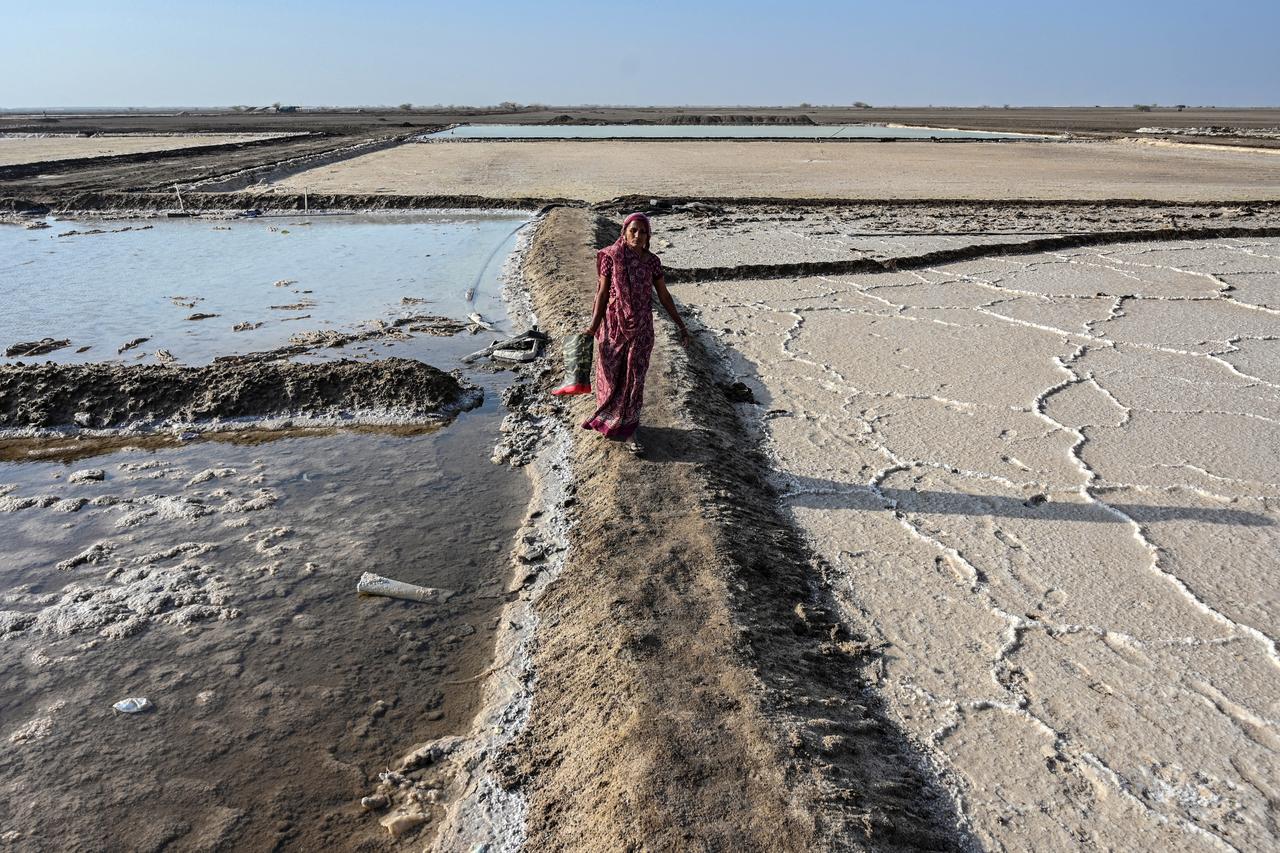


Salt pan workers in India are dealing with harsher conditions as stronger heatwaves push their working season further into the hottest months, increasing health risks for tens of thousands in western Gujarat.
The India Meteorological Department (IMD) predicts more heatwave days than usual this year in several regions, including Gujarat.
In the Little Rann of Kutch, summer temperatures often exceed 45 degrees Celsius, reaching 47 to 48 degrees Celsius. Workers say they now face extreme heat for longer periods than before.
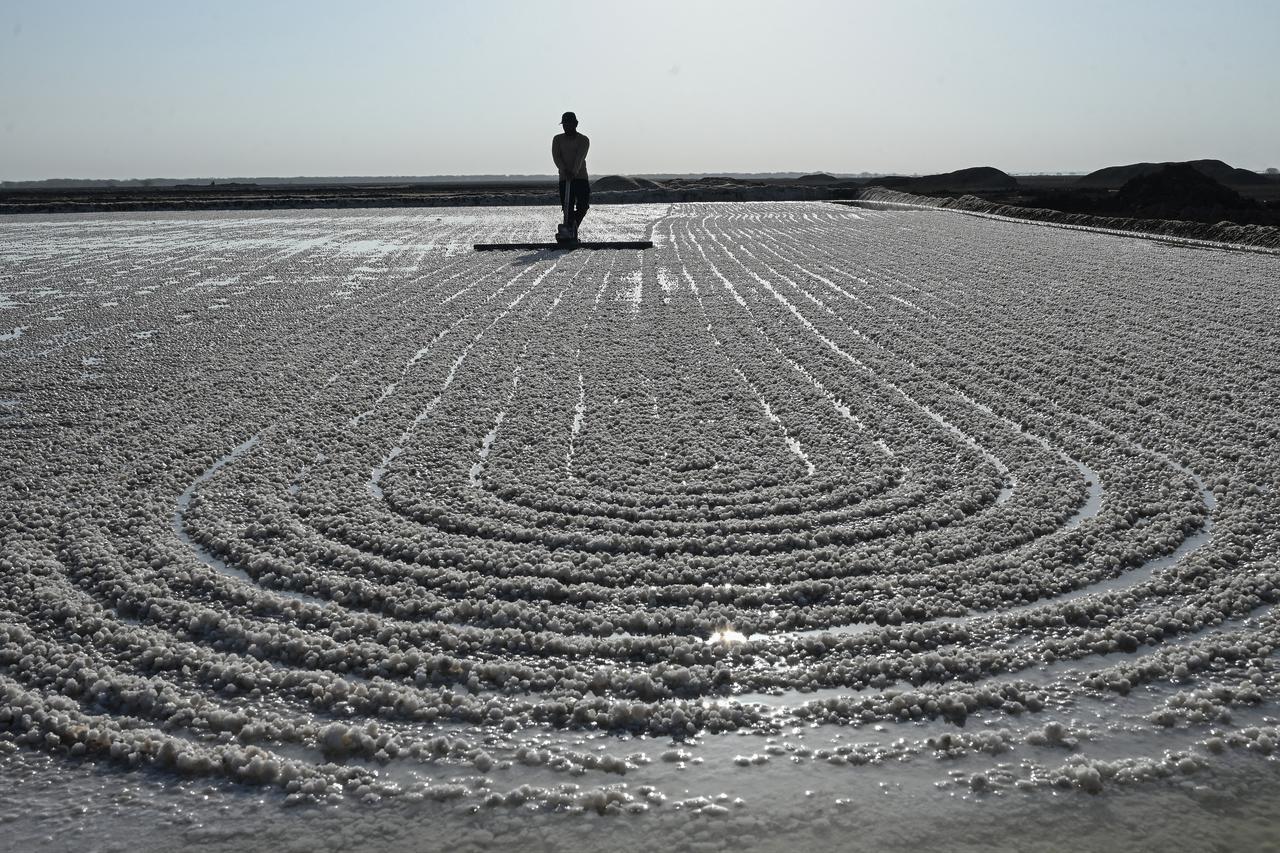

Up to 50,000 workers spend eight months on remote salt pans without electricity or healthcare. Drinking and washing water arrive by tanker every 25 days.
The dry, windy conditions that make life hard for workers also help make the desert one of India’s top salt-producing areas. Gujarat produces about three-quarters of the country’s salt.
One reason for the longer season is the switch from diesel pumps to solar-powered systems for drawing salty water from bore-wells.
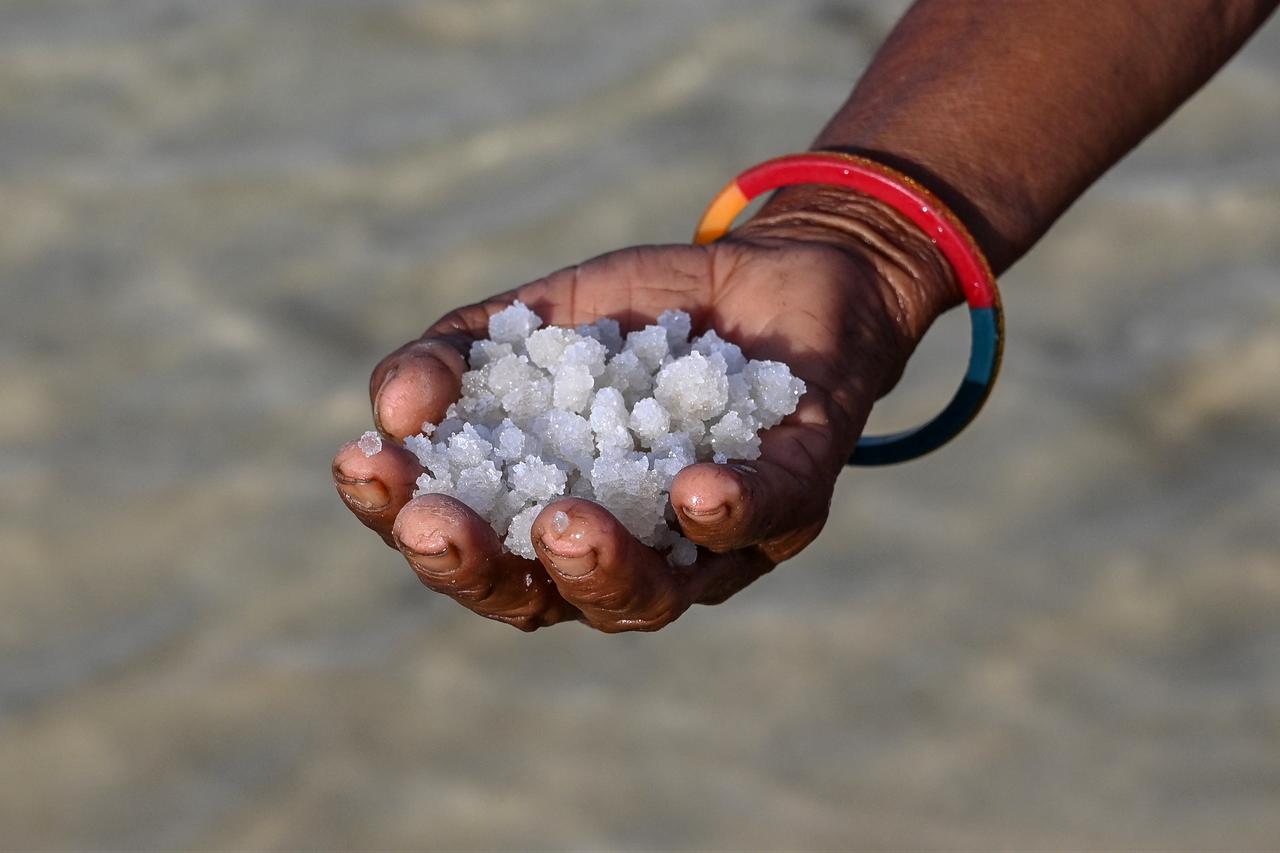
This change has lowered costs, so families can keep the pans running longer. Work that used to end in March now goes on through the hottest part of summer.
Workers manage the heat by working in shifts, taking shaded breaks, and using simple cooling methods.
Many rest in makeshift shelters made from stick frames covered with rough cloth and wild donkey dung during the hottest hours. The dung blocks the sun but lets heat escape, and the cloth allows air to flow through.
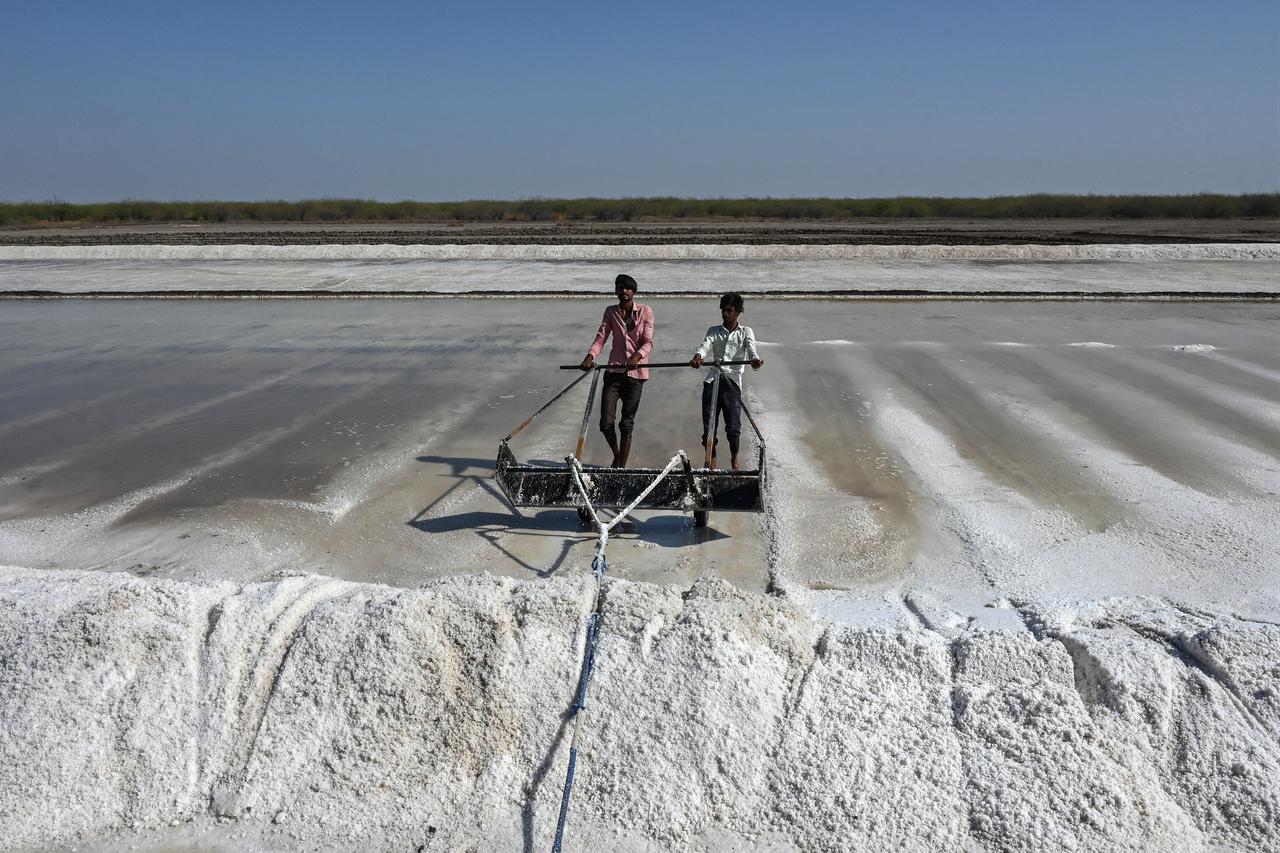
"We work in staggered timing... doing our work in early mornings and after sunset," said Babulal Narayan, 42, who rakes salt as brine water evaporates in shallow pools.
"We sit here every two to three hours so that we do not feel weak or dizzy," said Bhavna Rathore, 17, referring to the huts.
Workers cool their drinking water by wrapping bottles in a damp cloth and hanging them on strings, letting the wind cool the water through evaporation. Some drink hot black tea during the day, saying it helps them sweat in the dry heat.
The health effects can be serious. Fatigue, dizziness, and nausea, which are signs of heat stress, are common.
Studies have found higher rates of dehydration and kidney problems among salt pan workers. India does not have a set legal temperature for stopping outdoor work.
Instead, the IMD issues heatwave alerts, about 40 °C for general warnings and 47 °C for severe conditions, to help local authorities decide on restrictions.
Workers also lose income when unexpected weather hits. A sudden rainstorm can dissolve the crystallized salt overnight, restarting the evaporation process.
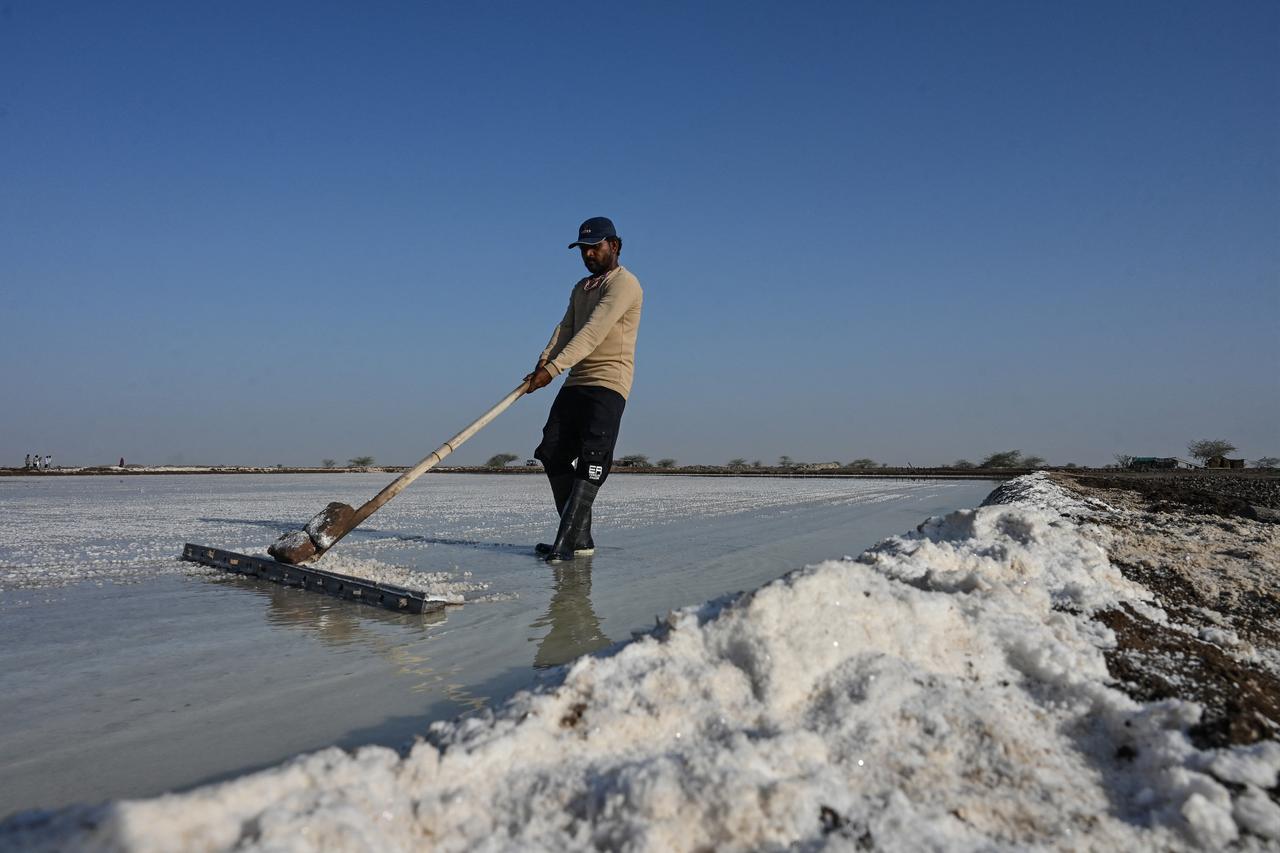
"A big dust storm hit us last month, destroying salt worth 200,000 rupees ($2,100)," said Narayan, who, along with five relatives, earned a combined profit of 250,000 rupees ($2,635)—roughly $450 each for eight months of work.
Many families have no other options.
"We have no land to farm, no livestock to earn our livelihood from... this is all we know," said Rasoda Rathore, 65.


 Set as preferred source
 Set as preferred source


 1 min read
 1 min read