Newsletters


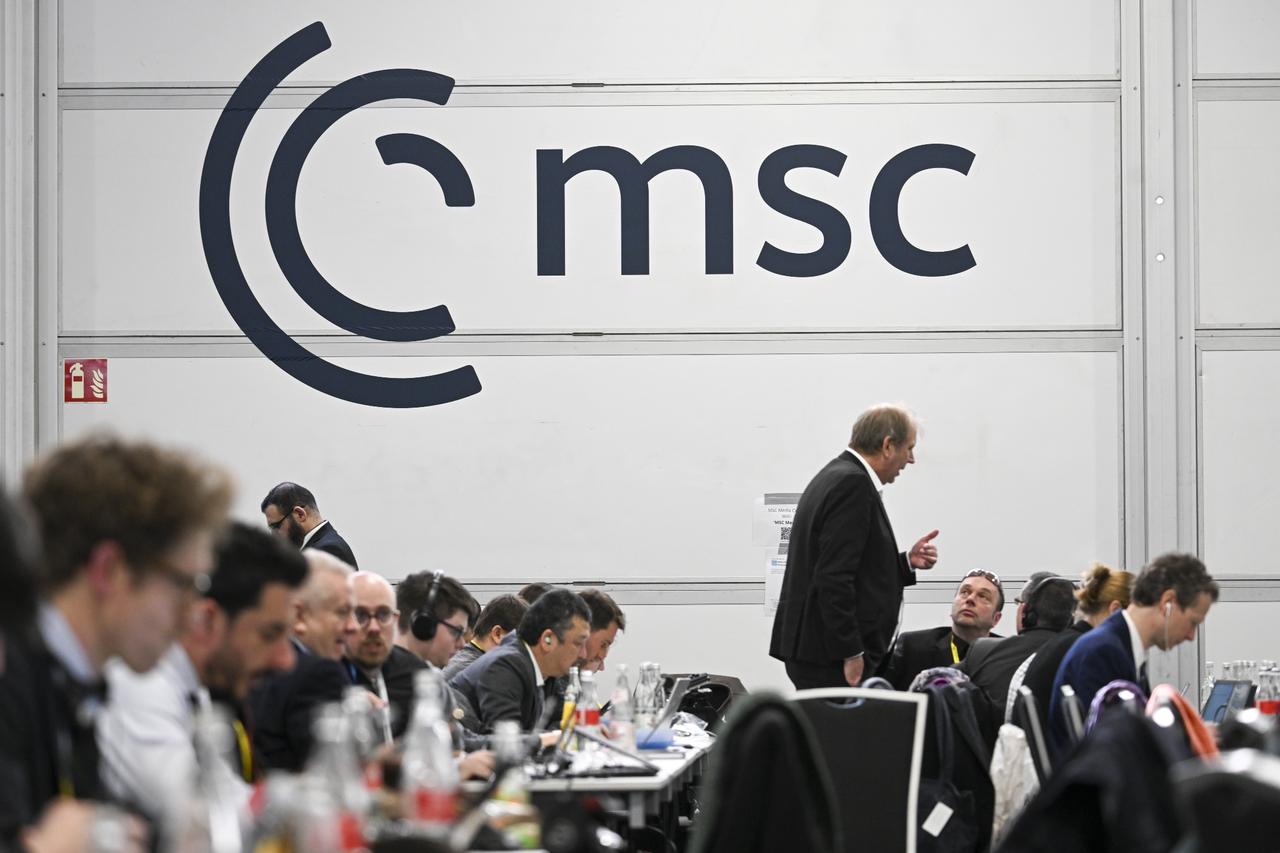


The world has already crossed a critical climate threshold with potentially irreversible consequences, experts warned Saturday at the Munich Security Conference, saying global warming is rapidly becoming a central driver of instability, economic disruption and security threats.
Speaking at a panel titled Degrees of Instability: Climate Security in a Warming World, Mads Flarup Christensen, executive director of Greenpeace International, said the planet has entered a dangerous phase.
“We passed the first tipping point officially,” Christensen told participants. “We are in the danger zone now.”
Christensen warned that the world is approaching systemic environmental shifts that could disrupt ecosystems and societies, including the loss of major natural systems.
“If that's not security, what is?” he said, arguing that climate risks must be treated as a top-tier strategic threat.
Moderator Erin Sikorsky, director of the Center for Climate and Security, said the planet is already moving beyond key warming limits.
“We're already heading into a world past 1.5 degrees of warming,” she said, warning that this would bring “greater instability, more extreme weather events … coming more frequently and more intensely than ever before.”
She said such impacts are already straining security systems worldwide, noting that “militaries around the world (are) deployed to respond to climate disasters,” while competition over food and water resources is intensifying geopolitical tensions.
Indian Finance Minister Nirmala Sitharaman said climate shocks are already disrupting communities and livelihoods, particularly in vulnerable regions.
“We have to look at saving climate … and equally, saving communities,” she said, adding that climate volatility is also affecting defense readiness.
“Our warfare and our soldiers and our equipment will have to be adept at all these places; climate change is disrupting even that,” Sitharaman said.
German Environment Minister Carsten Schneider said ecological threats now rank among the world’s leading risks.
“Top 10 threats to the economy, five of them were ecological,” he said, describing climate change as “a threat to our growth, to the livelihood of the people, and to the security issues.”
US Sen. Sheldon Whitehouse warned that climate impacts are already triggering financial strain, particularly as insurance markets retreat from high-risk areas.
“The insurance industry in America (is) leaving entire states,” he said, cautioning that this could mark “the opening stage of an economic cascade … to recession.”


 Set as preferred source
 Set as preferred source


 1 min read
 1 min read