Newsletters




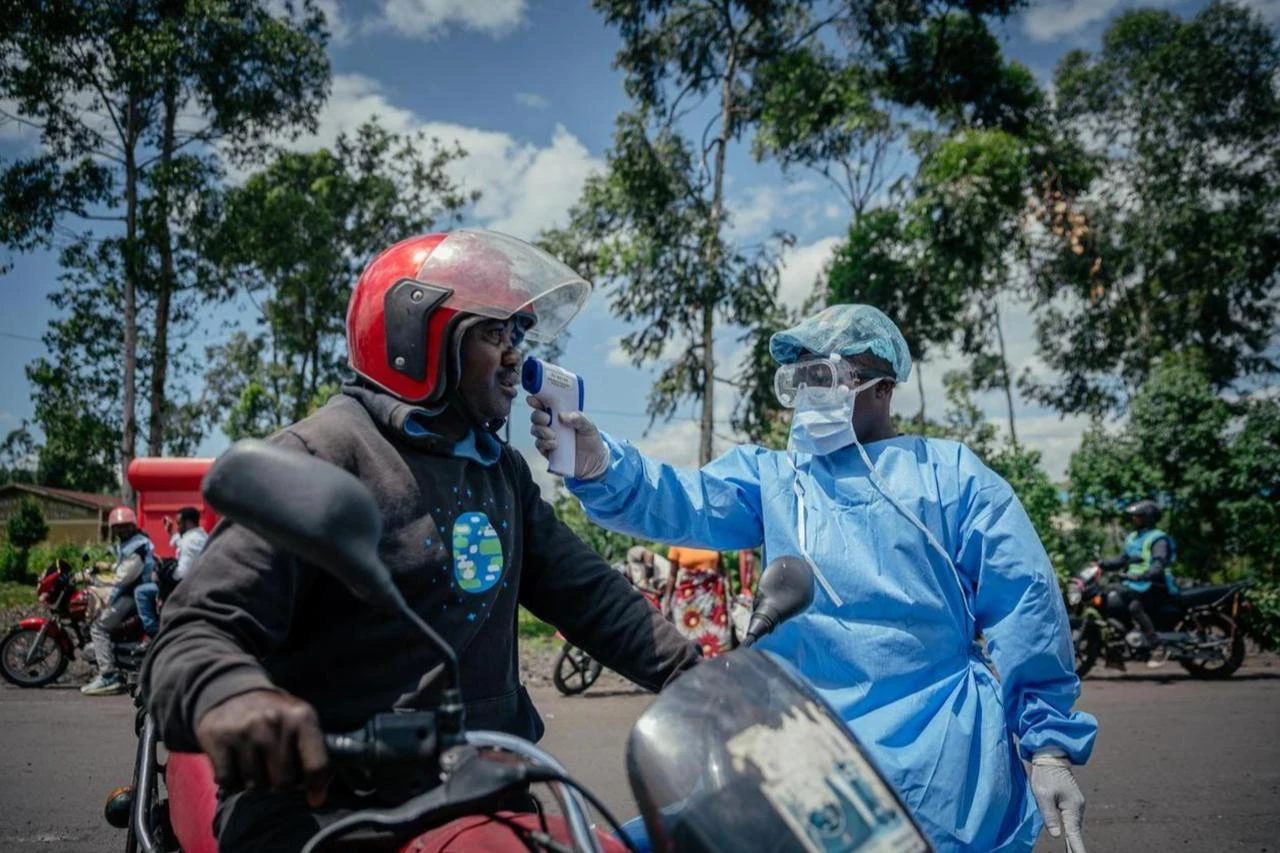
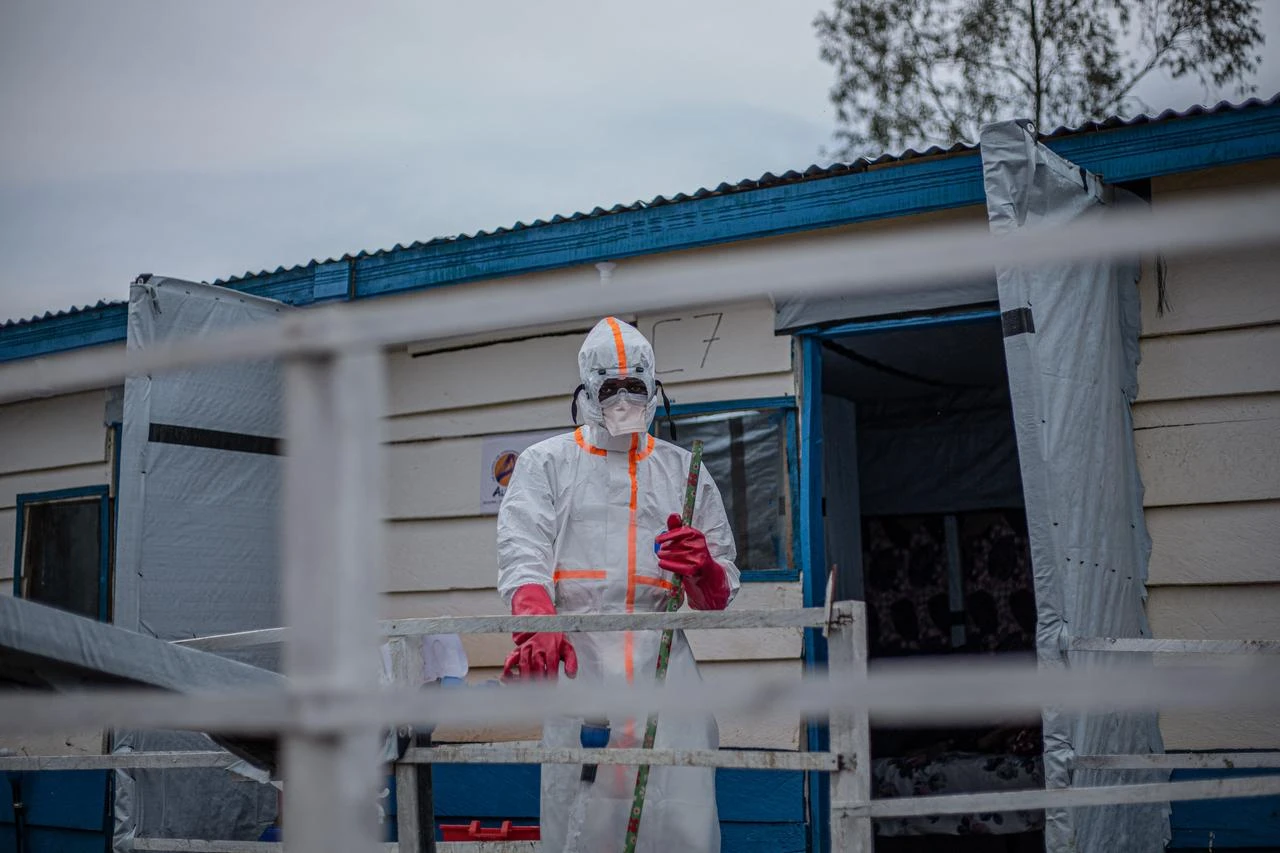
Confirmed Ebola infections in the Democratic Republic of Congo have climbed past 4,000, according to Reuters, citing government data—a threshold crossed for the first time in the current outbreak.
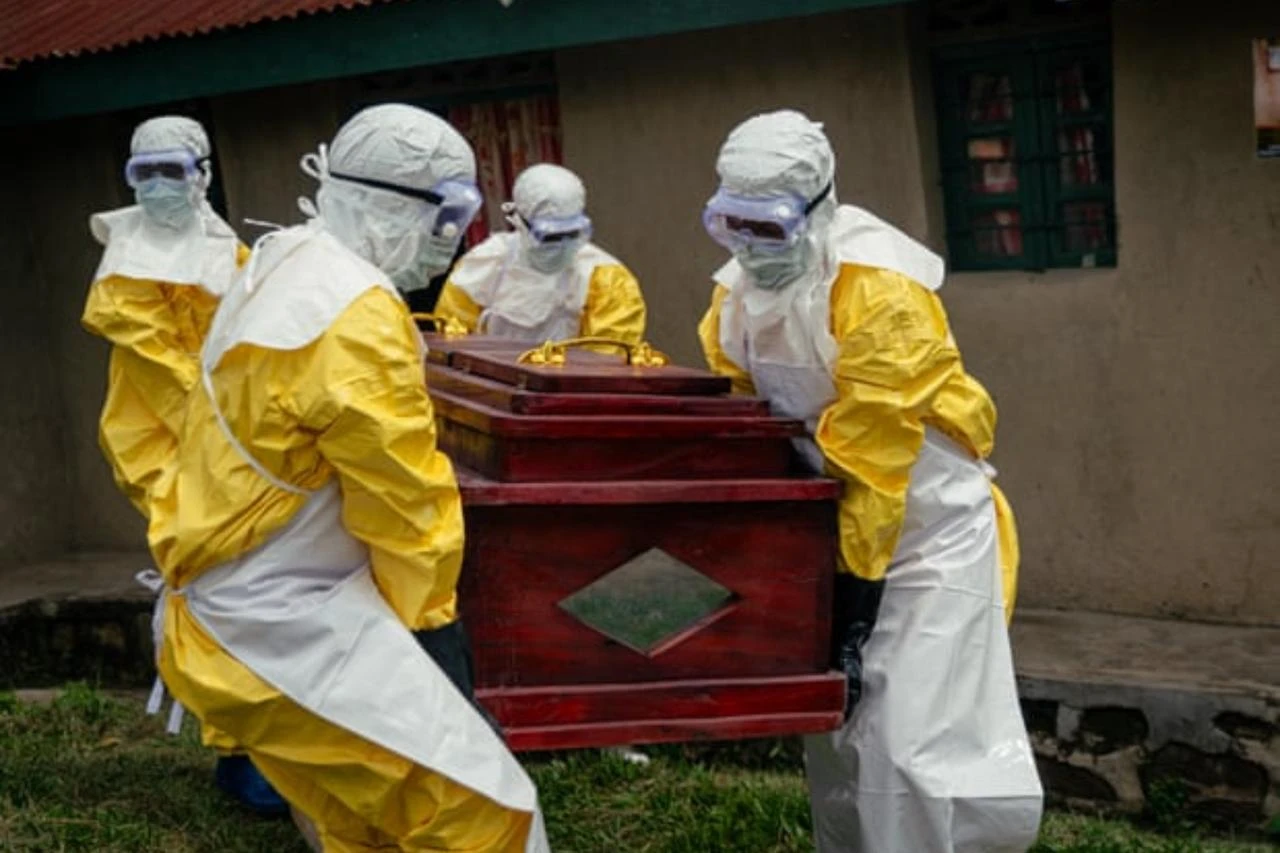
The country's public health institute reported a total of 4,053 infections and 1,850 deaths in its latest tally, with cases confirmed across five provinces: Ituri, North Kivu, South Kivu, Haut-Uele and Tshopo.
The Guardian reported that Africa's public health watchdog, the Africa Centers for Disease Control and Prevention (Africa CDC), had previously reported 3,973 cases and 1,801 deaths as of August 4, before its Director General Dr. Jean Kaseya confirmed on Thursday that the figure had since surpassed 4,000.
The outbreak, first declared on May 15, is now the second-largest Ebola epidemic on record, trailing only the 2014–16 West Africa outbreak that infected more than 28,000 people across Guinea, Liberia, and Sierra Leone.
Experts believe the virus was circulating well before the official declaration. A study published in a scientific journal concluded that the outbreak likely began in January or earlier in Ituri, identifying more than 500 suspected cases between mid-January and May 1.
Compared to the West Africa epidemic's trajectory, the current outbreak has produced eight times more cases and six times more deaths than were recorded 11 weeks into that earlier crisis.
Several factors have allowed the disease to outpace containment efforts, including delayed detection, overwhelmed surveillance systems, ongoing military conflict in the region, and a shortage of vaccines and treatments effective against the specific viral strain.
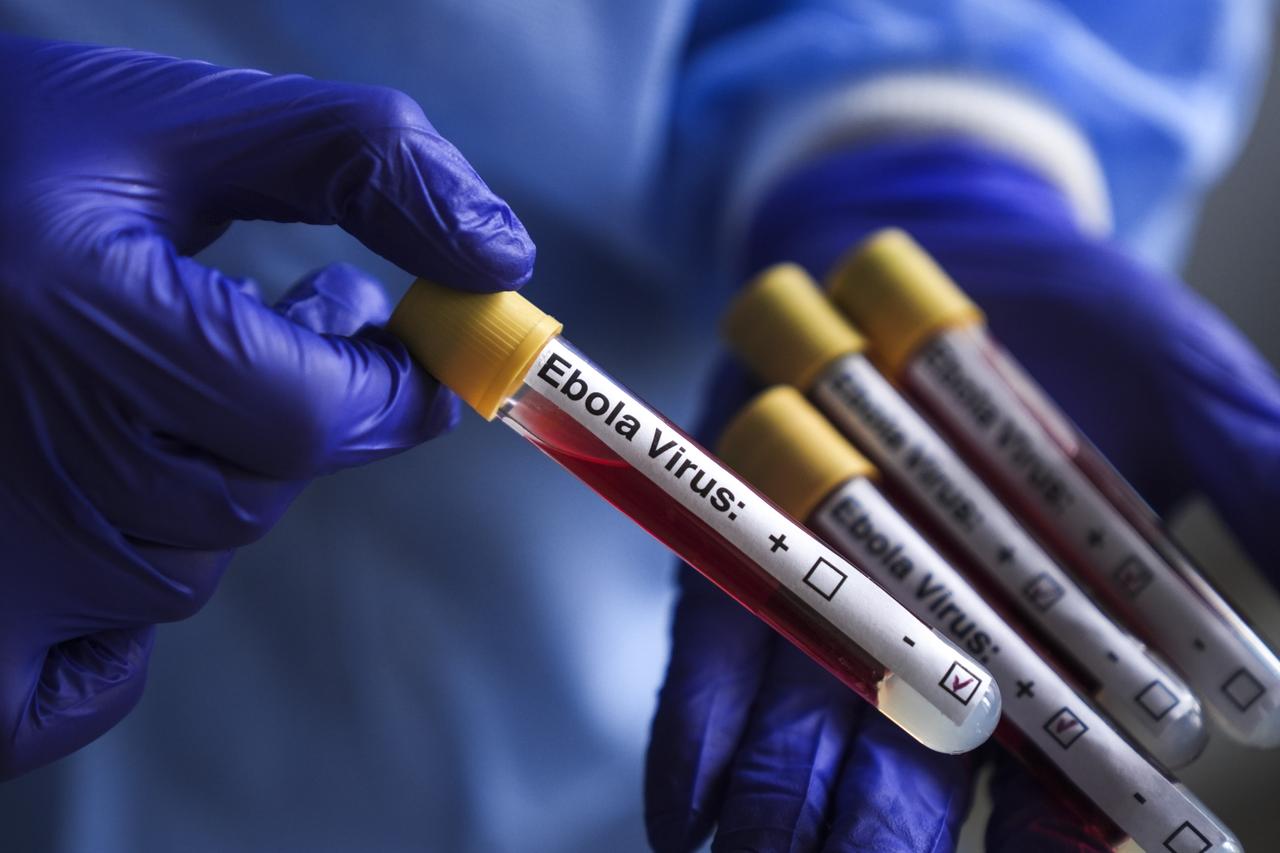

The outbreak is caused by the Bundibugyo strain of the virus. Dr. Kaseya said he had discussed with World Health Organization (WHO) Director-General Dr. Tedros Adhanom Ghebreyesus the possibility of studies to determine whether the virus is mutating, given that the severity of this Bundibugyo outbreak has been unprecedented.
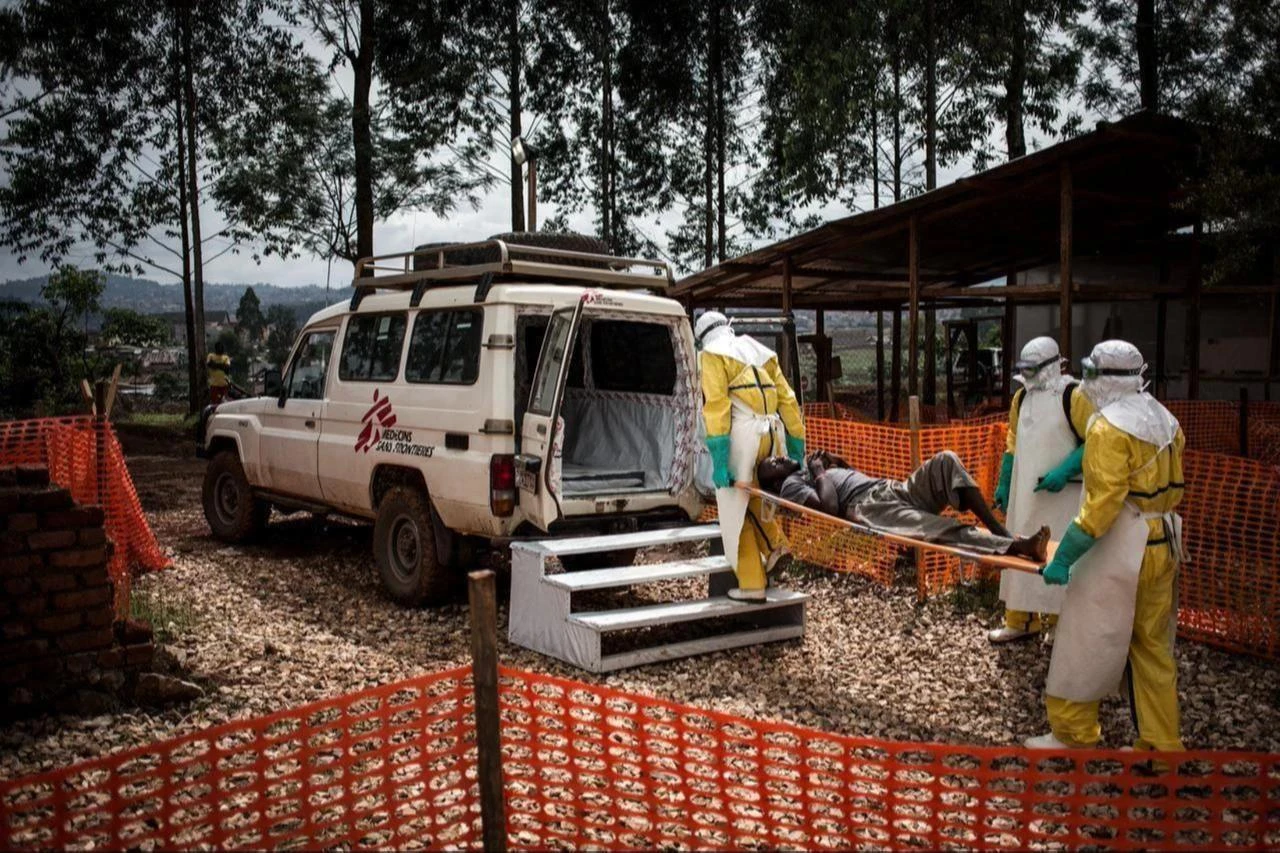
Tracking the disease's spread has proven difficult. More than two-thirds of Ebola deaths are occurring in local communities rather than treatment facilities. Furthermore, at a Doctors Without Borders (MSF) treatment center in Bunia, 90% of admitted patients were not on official contact lists, signaling significant untracked transmission. Dr. Kaseya noted that contact tracing has fallen well short of targets, with only about 10 contacts identified per patient compared to an expected 40.
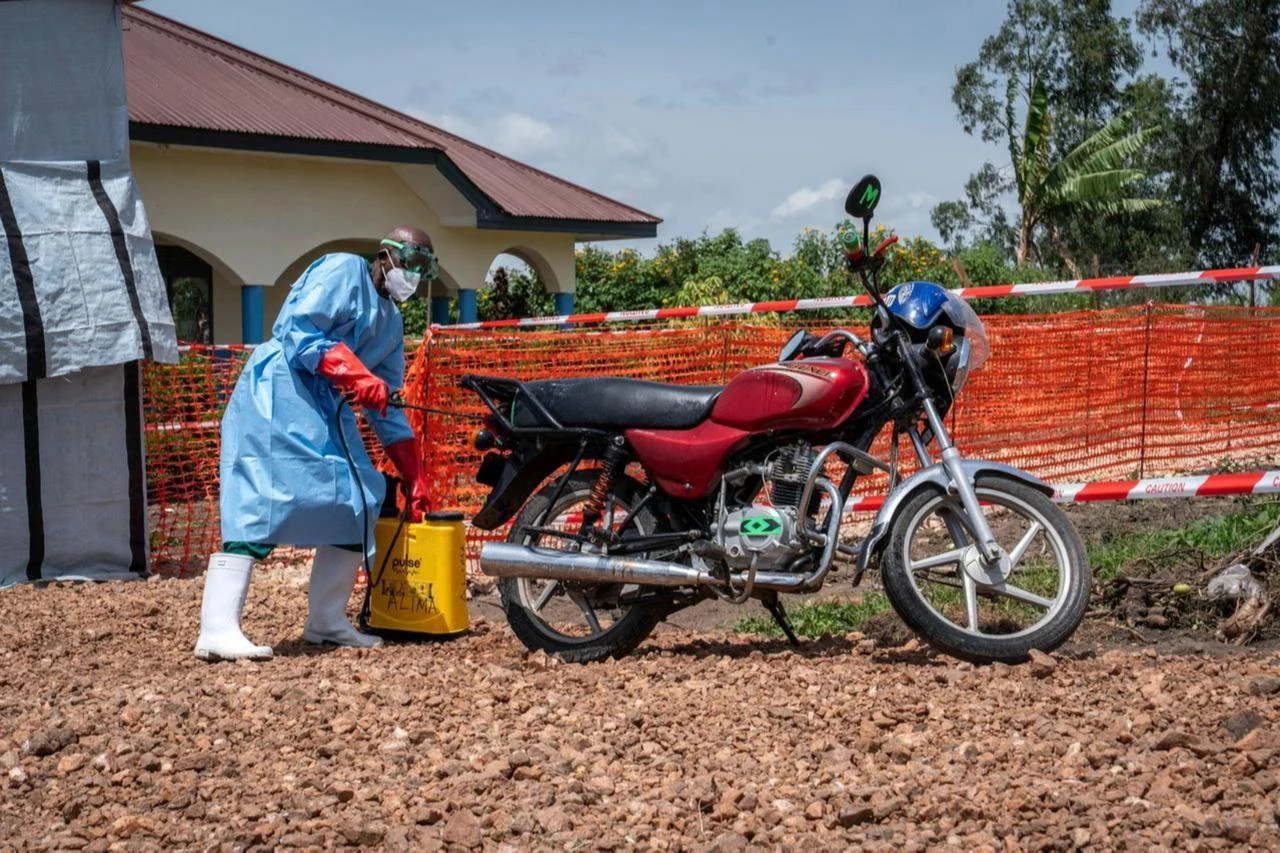
In response, Africa CDC officials announced a major escalation, pivoting from passive contact tracing to active, door-to-door case searches where community health workers directly ask households if anyone exhibits symptoms. Dr. Wessam Mankoula, the agency's acting head of emergency preparedness and response, stated that the era of incremental action was over.
Dr. Kaseya described the new strategy as a "village-centered response" that will lean heavily on digital tools and expand operations in displacement camps.
Officials also plan to initiate compassionate-use treatments with the antiviral remdesivir, and to evaluate whether Ervebo—a vaccine licensed for a different Ebola strain—should be deployed in the affected province. Data suggests the Bundibugyo strain causes less severe disease and no deaths among previously vaccinated individuals.
Authorities are investigating a suspected Ebola death aboard a boat traveling from the northeast to the capital, Kinshasa; remaining passengers will be quarantined and tested. Separately, Uganda recorded 20 cases before successfully containing its own outbreak.
The crisis is also severely straining broader healthcare access. UNICEF has warned that fear of infection and service disruptions are deterring families from visiting clinics. In the mining town of Mongbwalu, the outbreak's epicenter, the rate of children receiving their first measles vaccine dose has plummeted by 69%.


 Set as preferred source
 Set as preferred source


 1 min read
 1 min read