Newsletters


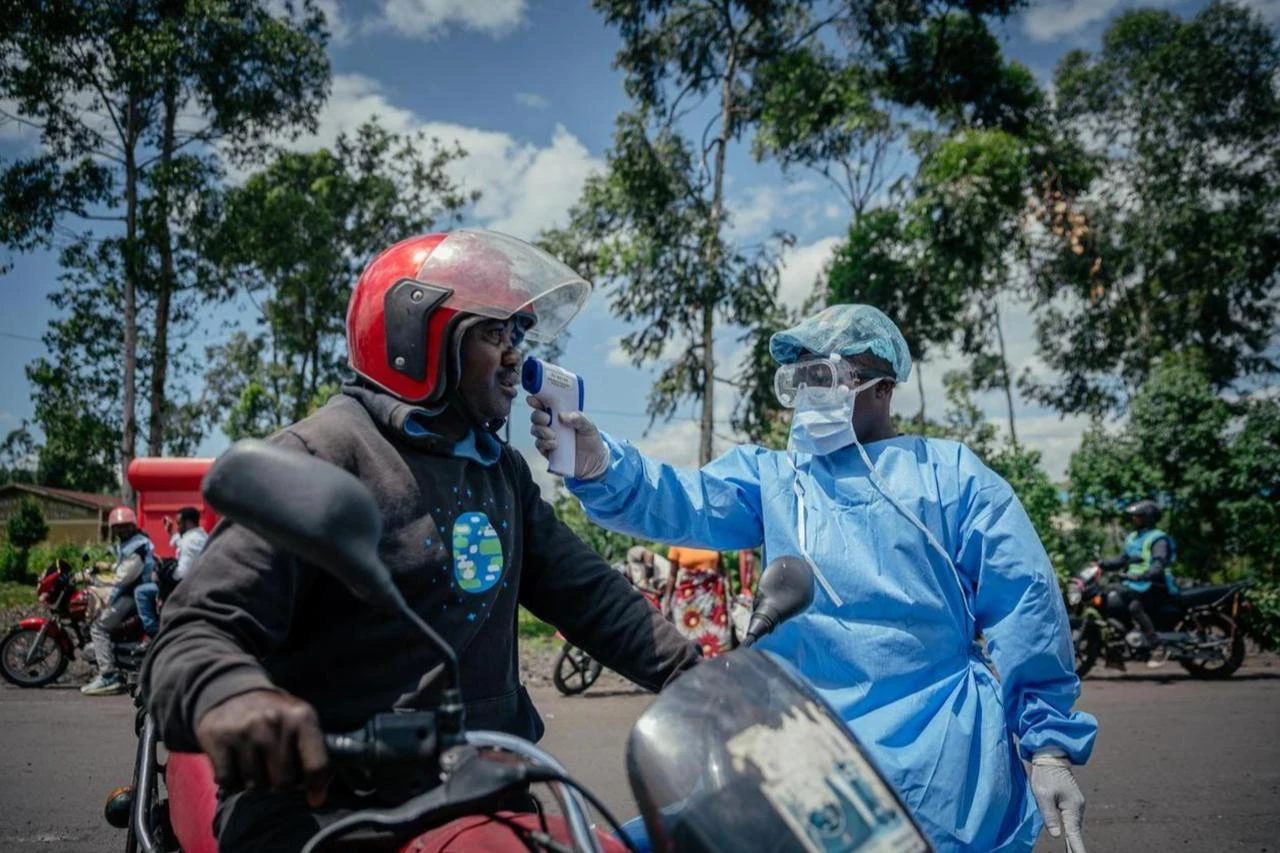


The number of confirmed Ebola cases in the Democratic Republic of Congo has risen to 3,075, with the death toll reaching 1,354, according to the latest figures released by the country's Health Ministry.
The outbreak, first declared on May 15, has spread across five provinces: Ituri and North Kivu and South Kivu in the east, along with Haut-Uele and Tshopo in the northeast. So far, 556 people have recovered.
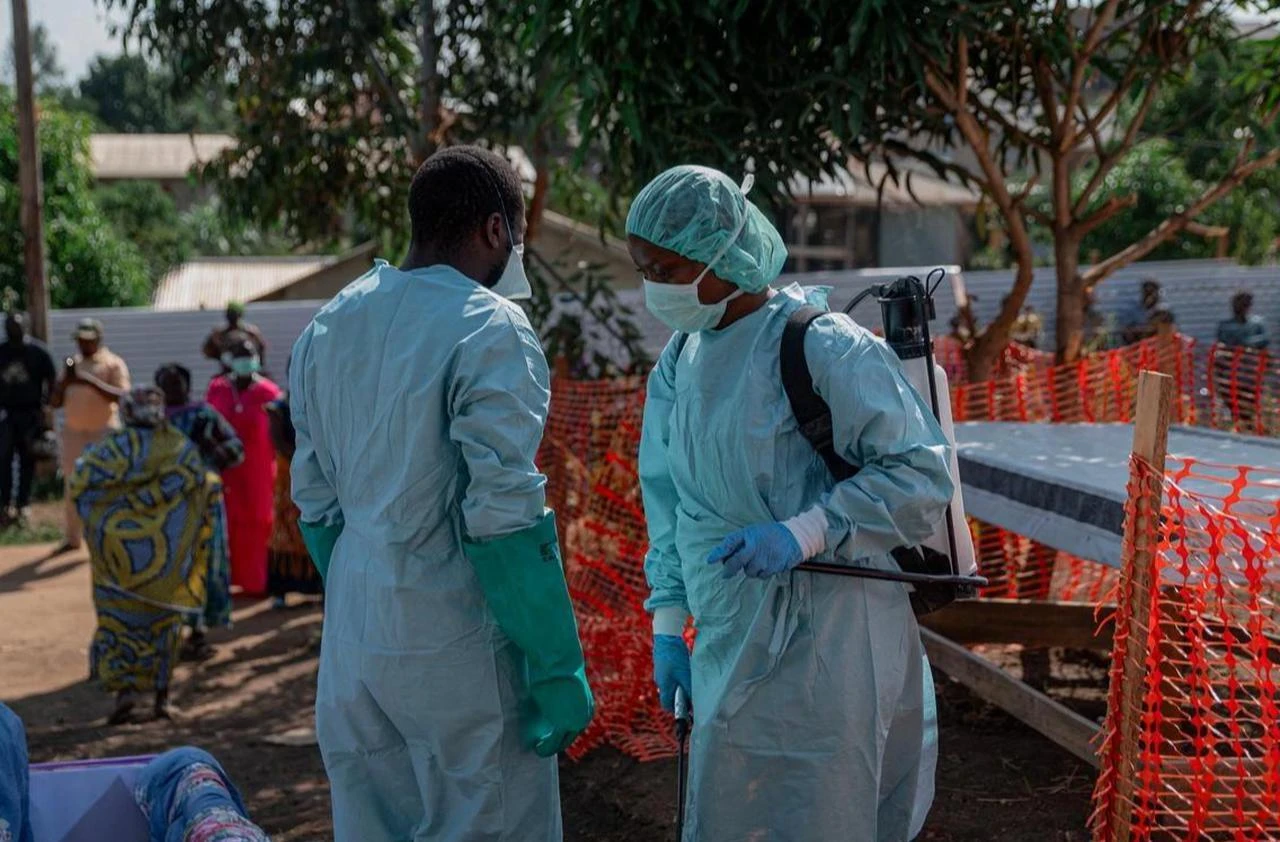

The outbreak was declared after 246 suspected cases and 65 deaths were reported in Ituri province, in the eastern part of the country. On May 17, the World Health Organization (WHO) declared an international public health emergency over the outbreak.
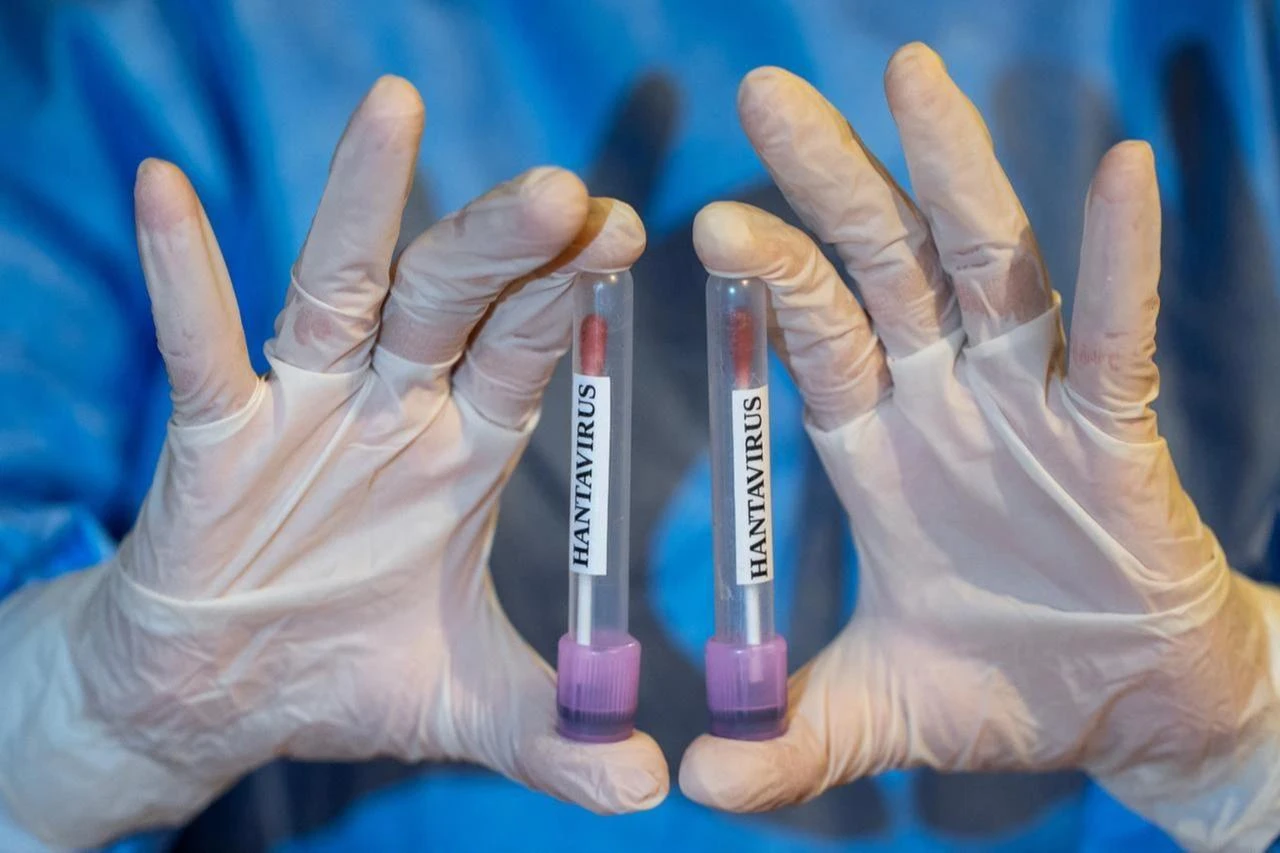
Health officials say the current outbreak stems from a rare Ebola variant known as the Bundibugyo virus, for which no approved treatment or vaccine exists.
Ebola, which causes a form of hemorrhagic fever, has killed thousands of people across Africa since it was first identified. The virus was first detected in 1976, when simultaneous outbreaks were recorded in Nzara, Sudan, and Yambuku, in what is now the Democratic Republic of Congo.
 1 min read
The disease takes its name from the Ebola River, near a village in the Democratic Republic of Congo where an early outbreak began.
The virus also spread across West Africa starting in December 2013. An outbreak in Guinea, Liberia and Sierra Leone between 2014 and 2017 infected around 30,000 people and killed more than 11,000.


 Set as preferred source
 Set as preferred source


 1 min read