Newsletters


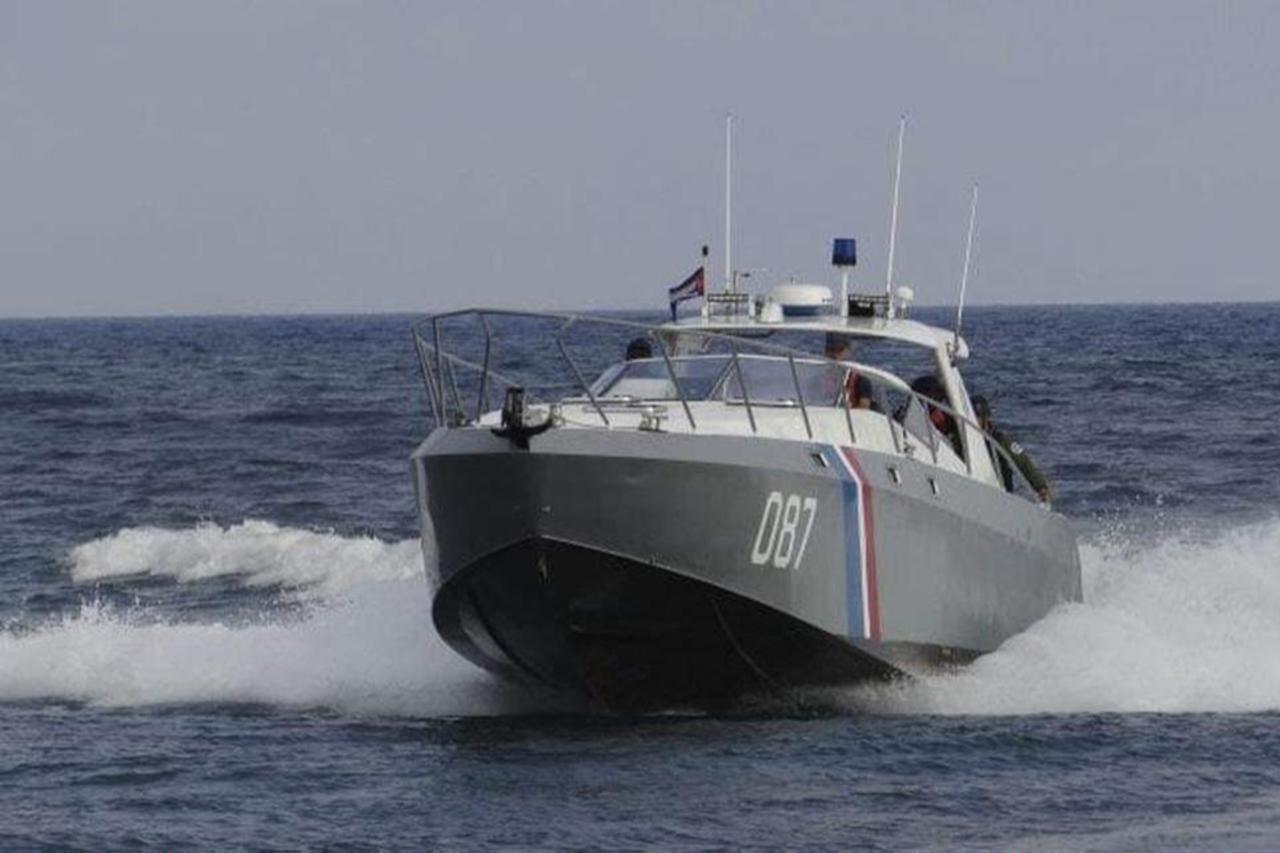


Cuban border forces shot dead four people and wounded six others aboard a US-registered speedboat after an exchange of gunfire off the island's northern coast on Wednesday, the interior ministry in Havana said, in an incident likely to further strain relations between the two countries.
The ministry said the Florida-registered vessel, bearing registration number FL7726SH, was detected within Cuban territorial waters approximately one nautical mile northeast of the El Pino channel near Cayo Falcones, in the Corralillo municipality of Villa Clara province.
A Cuban Border Guard vessel carrying five service members approached the speedboat to identify it, at which point those aboard the boat opened fire, injuring the commander of the Cuban craft, according to the ministry. The confrontation that followed left four of those on the speedboat dead and six others wounded.
The Cuban government said the injured individuals were evacuated and received medical assistance, though it provided no further details on their nationalities or the nature of the boat's mission. The ministry described those aboard as "aggressors" and the vessel as "violating" Cuban territorial waters.
In a statement posted to social media by the Cuban Embassy in Washington, Havana struck a defiant tone, declaring that "Cuba reaffirms its determination to protect its territorial waters, based on the principle that national defense is a fundamental pillar of the Cuban State in safeguarding its sovereignty and ensuring stability in the region."
The ministry added that investigations by competent authorities were continuing to "fully clarify the events."
 1 min read
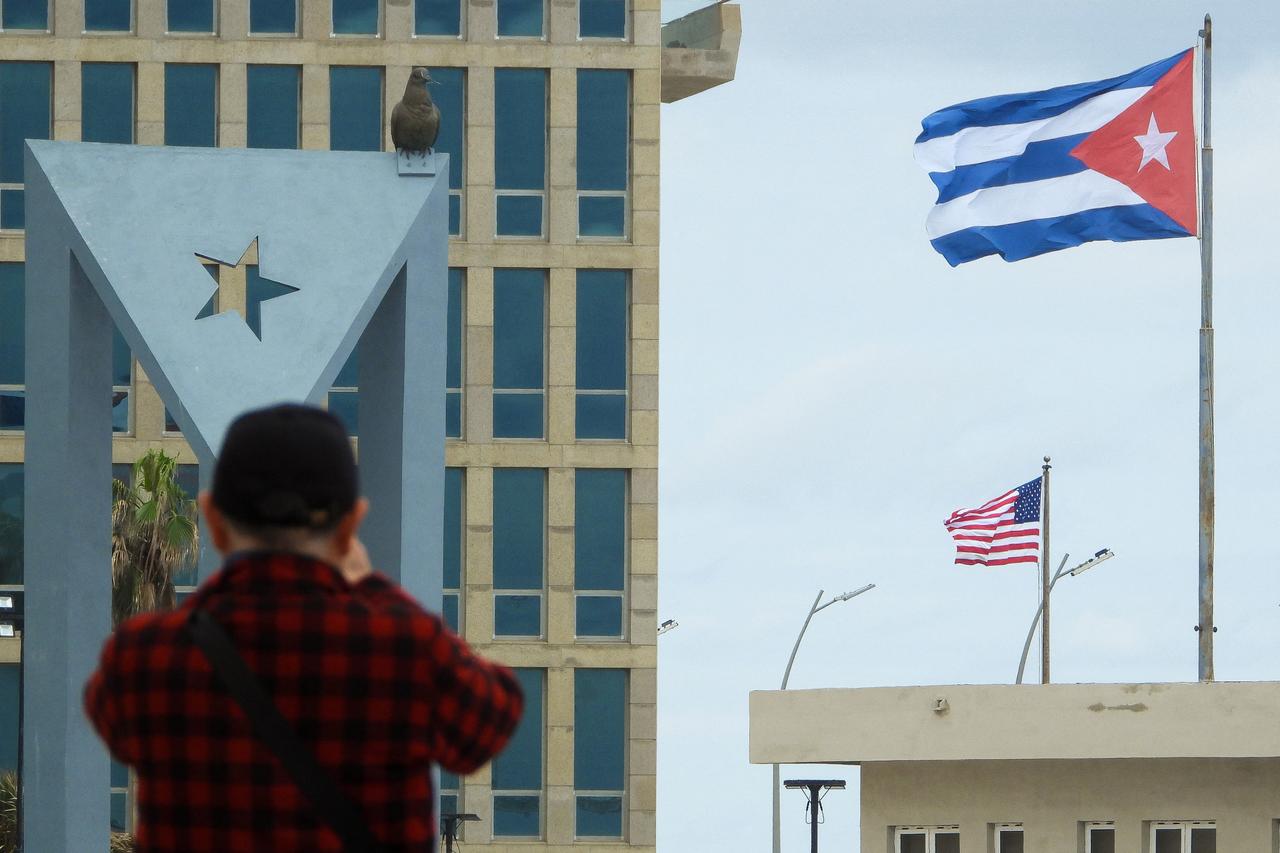
The deadly encounter unfolded against a backdrop of heightened tension between Washington and the communist-governed island, which sits just 100 miles across the Florida Straits from the United States. Speedboat crossings between Florida and Cuba, whether for smuggling, migration or other purposes, have long been a flashpoint in the volatile waters separating the two nations.
The clash follows a period of acute economic pressure on Cuba after President Donald Trump imposed what amounted to a virtual oil blockade on the island in January, following the US-led ouster of Venezuelan President Nicolas Maduro. Before Maduro's capture by US forces on January 3, Cuba had depended on Venezuela for roughly half of its fuel supply, making the disruption particularly severe.
Facing sharp criticism from Caribbean leaders who warned that cutting off Cuba's energy supply risked triggering a rapid economic collapse, Washington recently signaled a partial retreat, saying it would permit shipments of Venezuelan oil to the island for "commercial and humanitarian use."


 Set as preferred source
 Set as preferred source


 1 min read