Newsletters


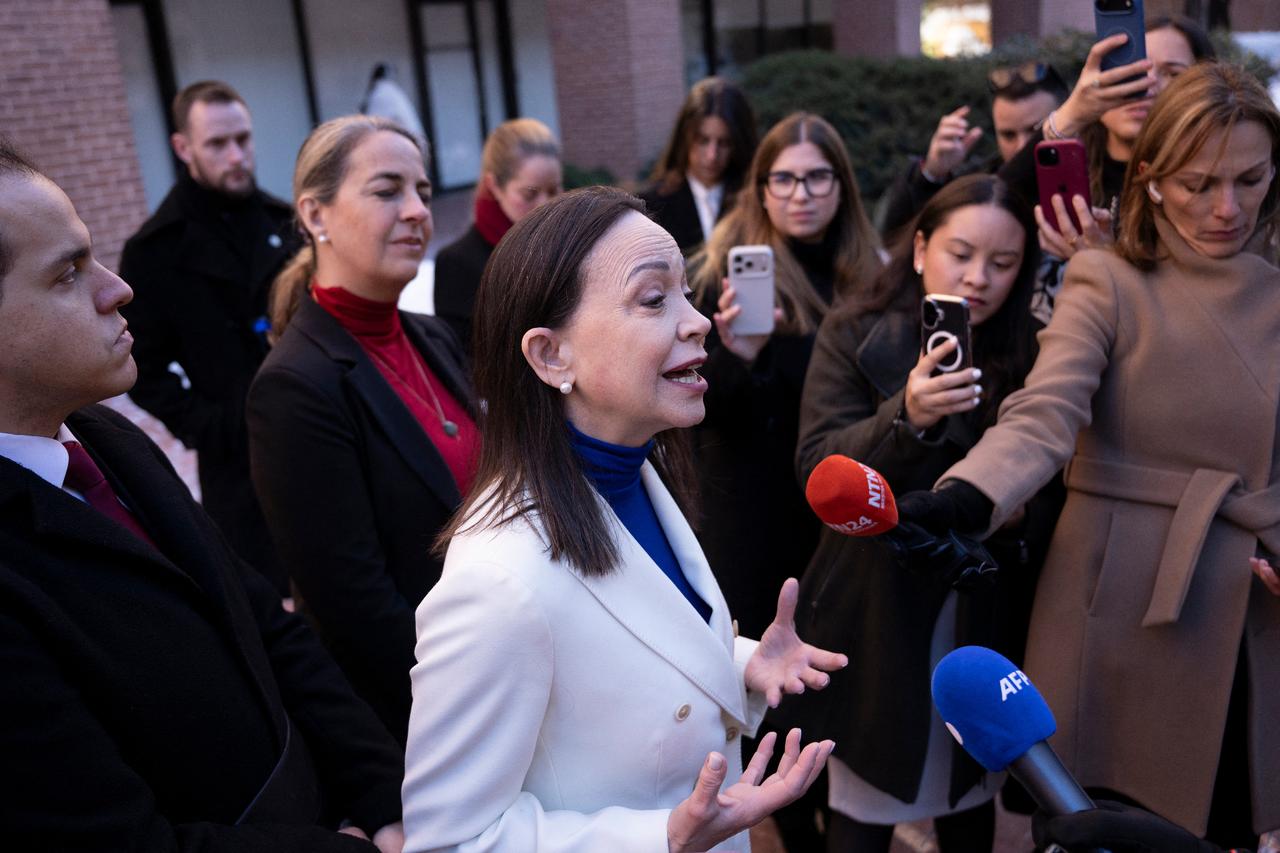


Venezuelan opposition leader Maria Corina Machado told the Munich Security Conference on Saturday that the governments of Cuba and Nicaragua will collapse once the dismantling of what she called Venezuela's "criminal regime" is complete, framing the dramatic upheaval in Caracas as the opening act of a broader democratic transformation across the Americas.
Speaking via videolink to the annual gathering of world leaders and security officials, Machado declared that "for the first time in history, we will have the Americas free of communism and dictatorship," projecting a domino effect that she said would sweep away the leftist governments in Havana and Managua once Venezuela's transition is secured.
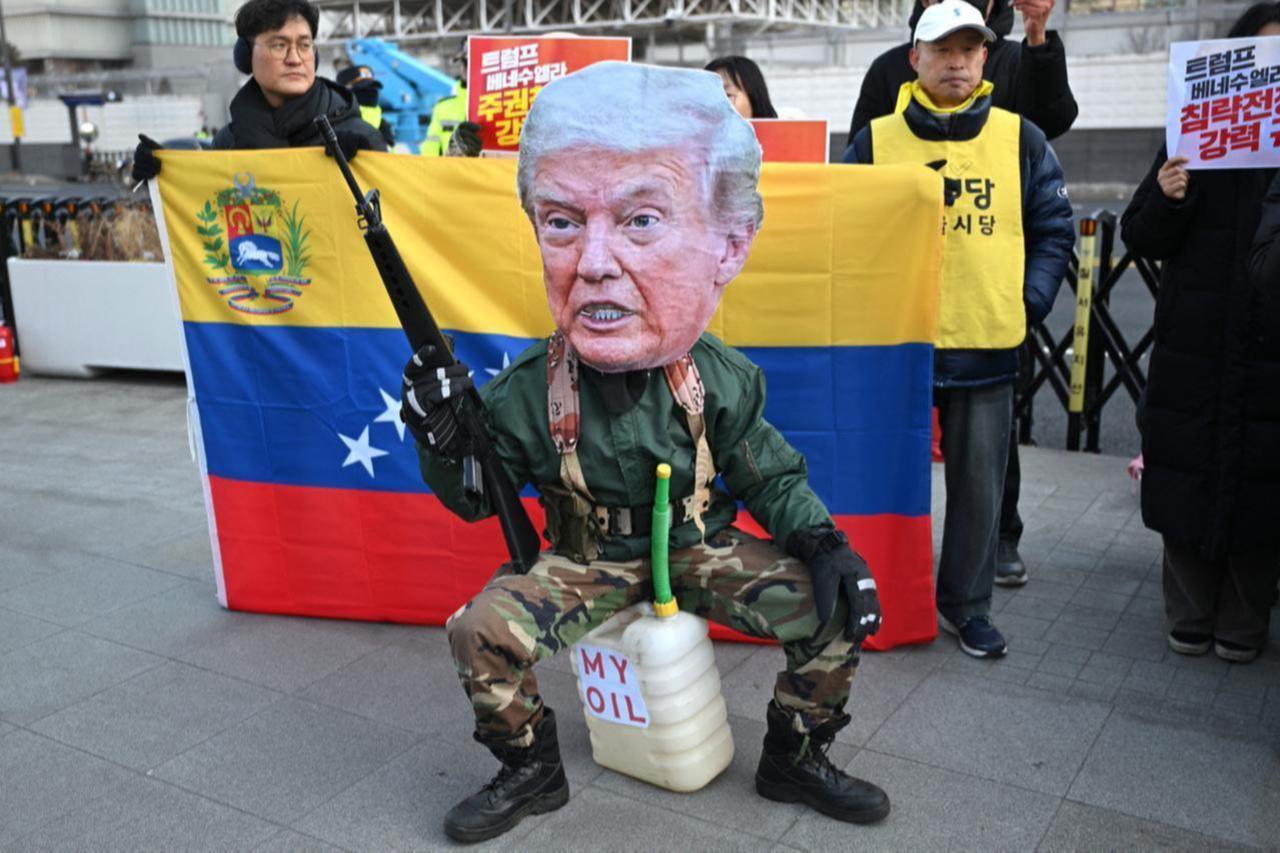

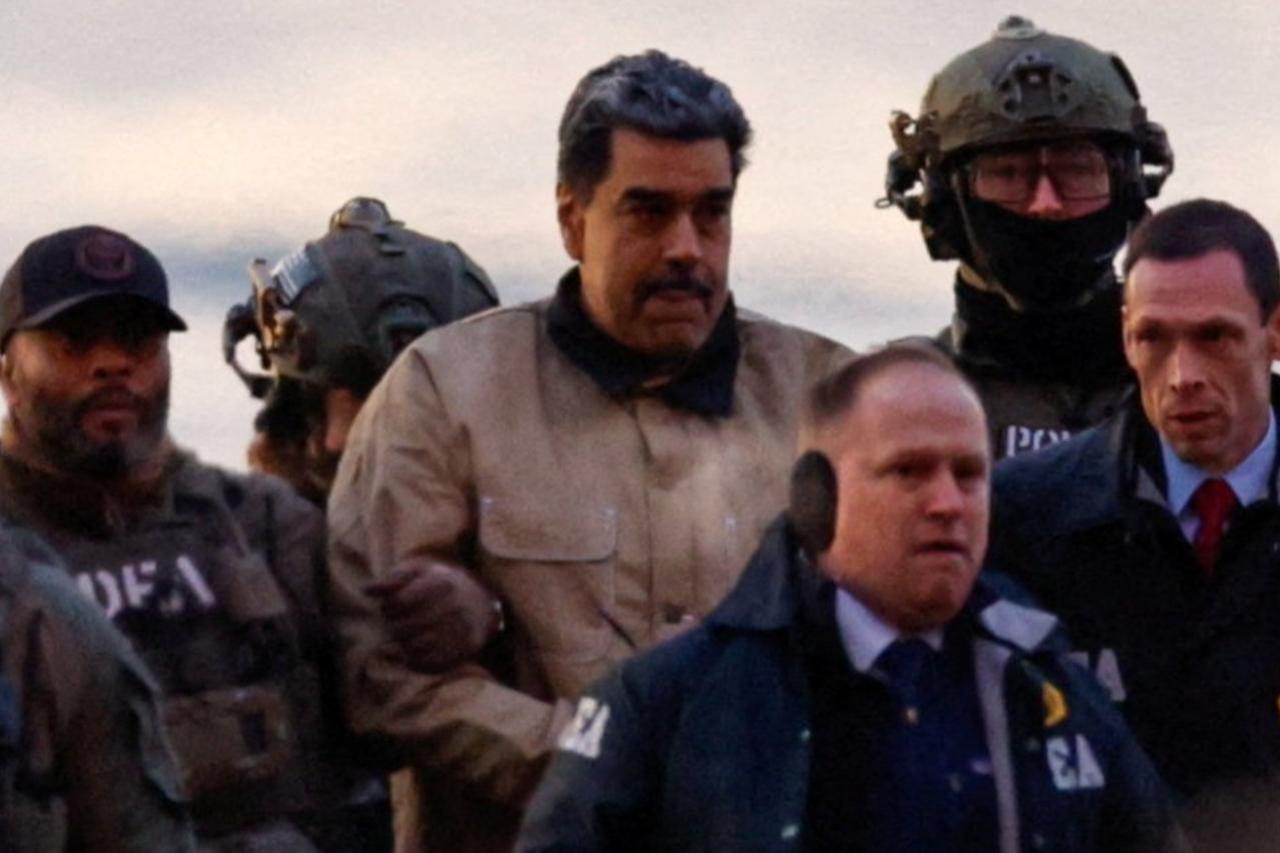
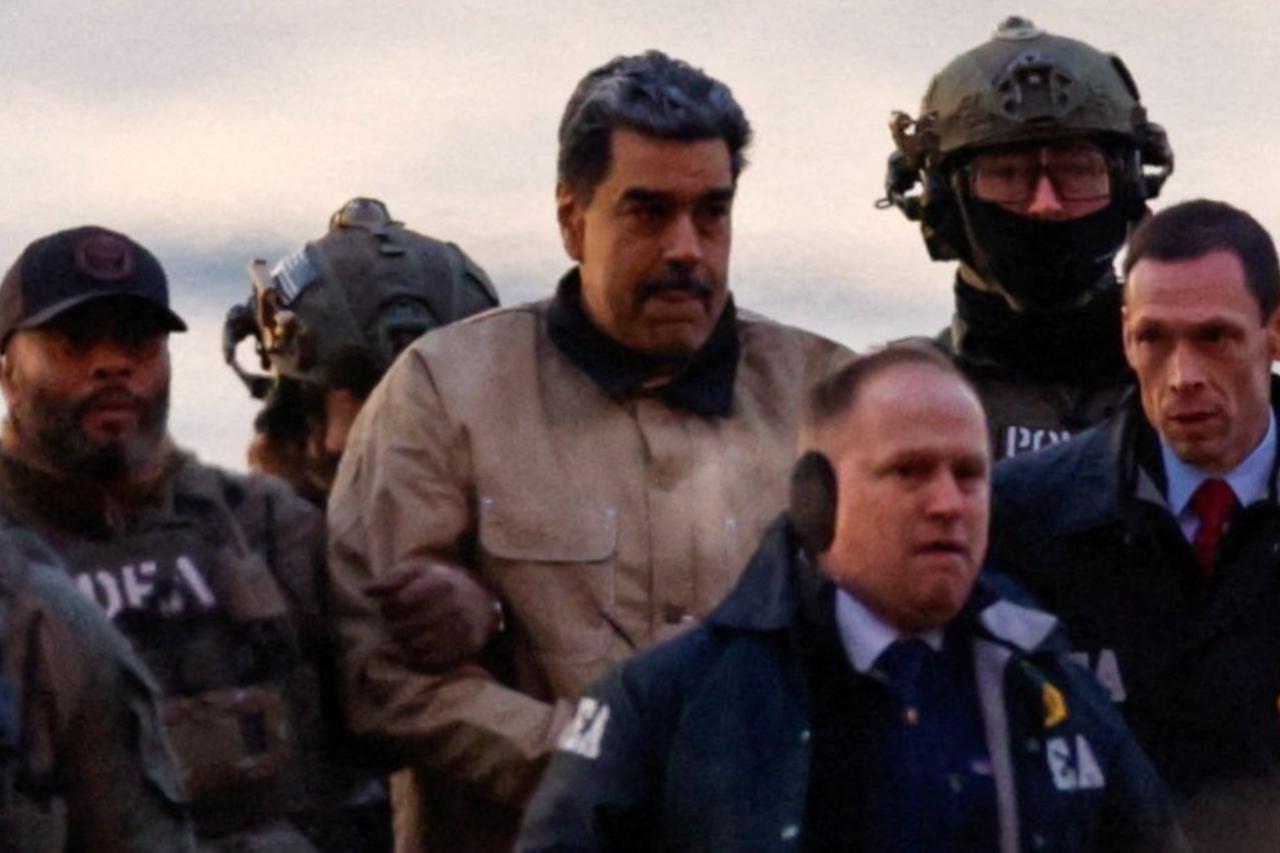
The remarks come weeks after U.S. special forces seized Venezuelan leader Nicolas Maduro in early January, bringing him to the United States to face criminal charges. The operation upended the political order in one of Latin America's most volatile nations and installed former deputy Delcy Rodriguez as interim leader.
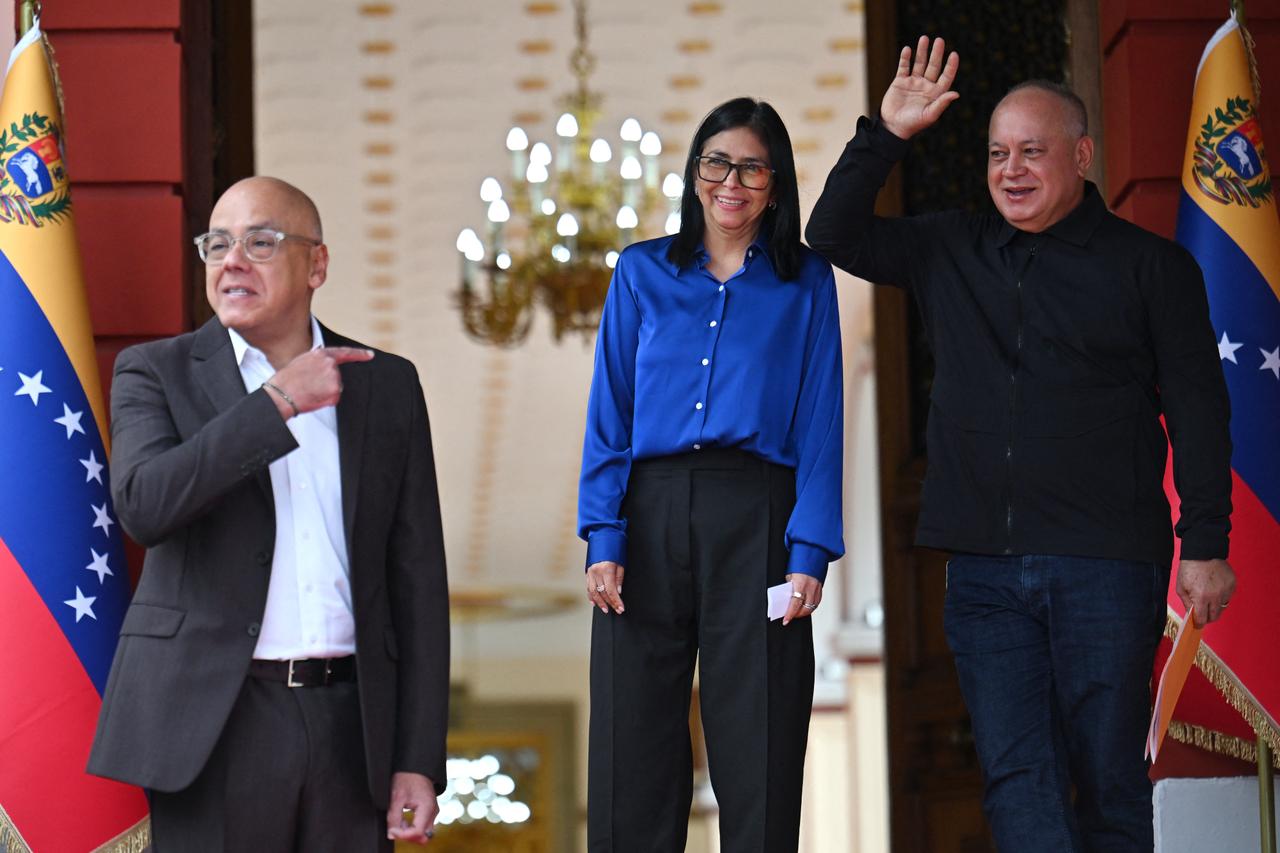
Rodriguez has moved quickly to consolidate her position, announcing a sweeping amnesty for political prisoners and advancing oil industry reforms at Washington's direction, a set of concessions that have, for now, allowed her to remain in power on the condition she cooperates with American priorities.
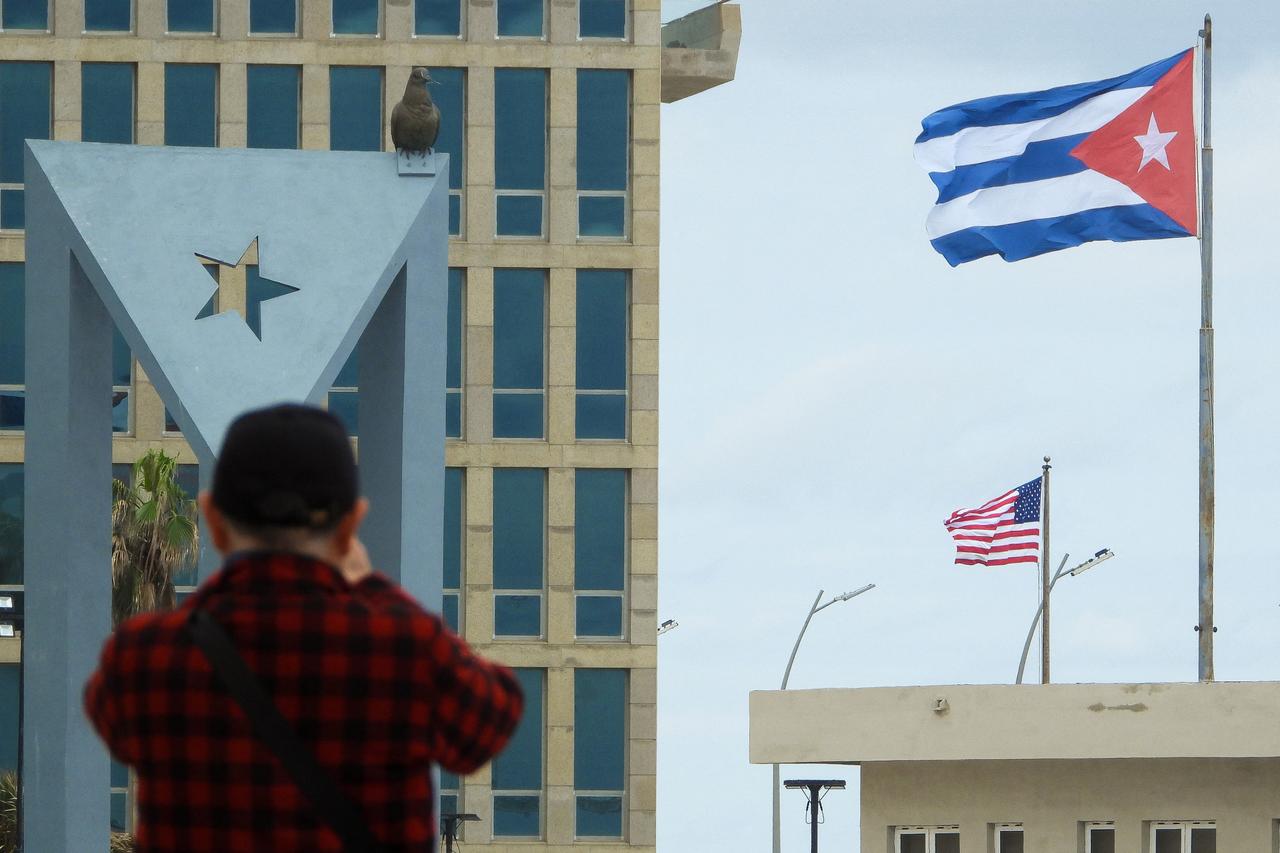
Cuba, led by President Miguel Diaz-Canel, and Nicaragua, governed by President Daniel Ortega alongside his co-president and wife Rosario Murillo, have long served as Venezuela's closest ideological partners. The three nations have for years formed a bloc of mutual support, sharing political, economic, and military ties that analysts say could be severely strained by the rupture in Caracas.
Machado, who spent more than a year in hiding before receiving the Nobel Peace Prize in December, signaled her ambitions extend beyond advocacy. She told the conference she hopes to serve as Venezuela's president "when the right moment comes."
Asked when she might return to the country, Machado said she was ready to go home and stressed that she did not need Washington's "permission" to do so, though she acknowledged there would be "coordination" involved in such a move.
The question of her return carries particular weight given the complex dynamics between Machado and the Trump administration. Last month, she gave her Nobel medal to U.S. President Donald Trump during a meeting in Washington, a gesture that came after the Republican leader sidelined her in favor of working with Rodriguez. Trump, who has long been known to covet a Nobel prize of his own, said he would "love" to work with Machado on Venezuela's future.
Machado emphasized the scale of what is unfolding. "What's taking place in Venezuela is huge in terms of the repercussions it's already having in the region," she told the conference, suggesting the aftershocks of Maduro's removal are already being felt far beyond the country's borders.
Her prediction that Cuba and Nicaragua will follow Venezuela's path amounts to a bold wager on the fragility of governments that have weathered decades of international pressure. Whether the upheaval in Caracas truly triggers the cascade she envisions remains an open question, but Machado's willingness to stake her political future on that outcome underscores just how profoundly the landscape in Latin America has shifted.


 Set as preferred source
 Set as preferred source


 1 min read
 1 min read