Newsletters


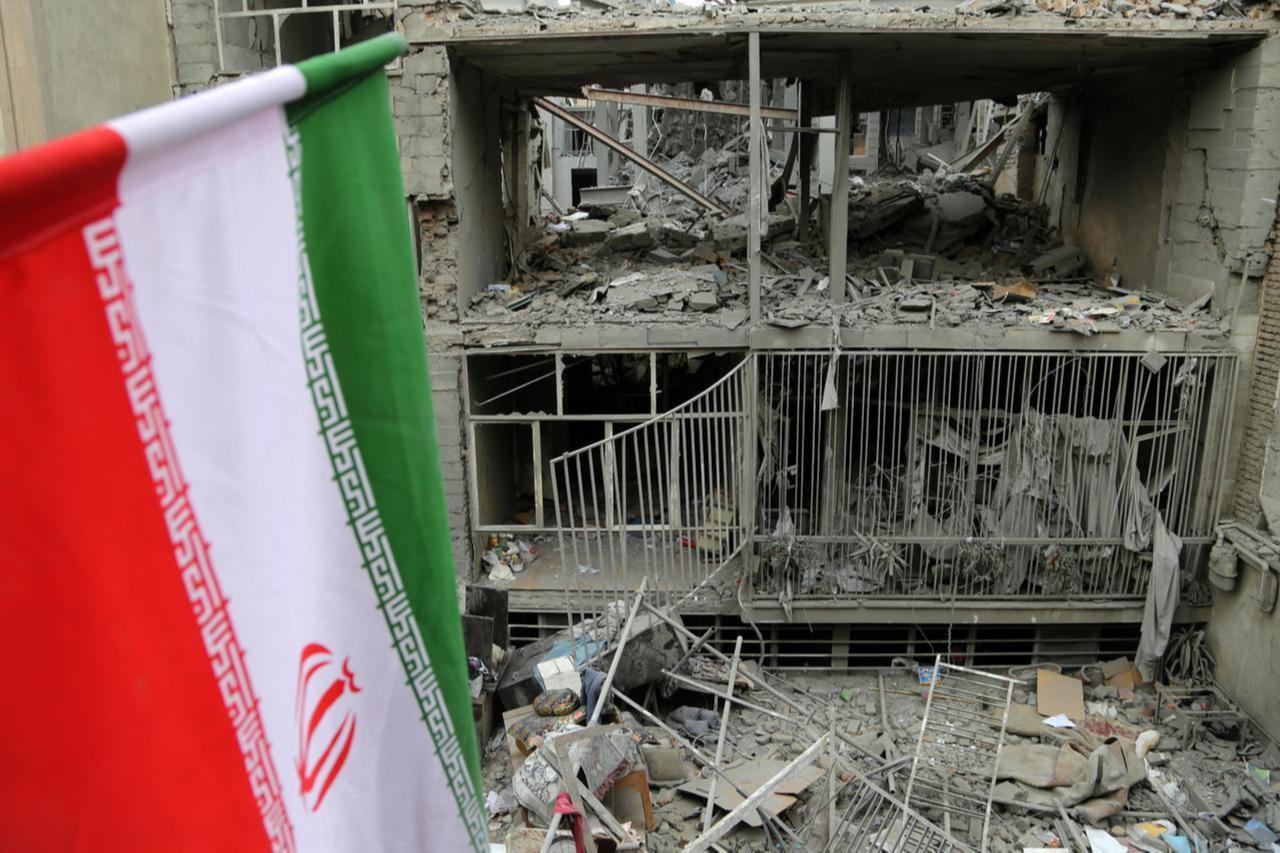


Admiral Ali Akbar Ahmadian, the supreme leader's representative on Iran's Defence Council, issued a provocative challenge to American forces on Tuesday, declaring that Iran has spent more than two decades preparing for an asymmetric war against the United States and urging U.S. soldiers to advance toward Iranian territory.
"For years, we've been awaiting the Americans' entry into the designated points, and for over two decades, we've been training with the asymmetric warfare strategy for this very moment," Ahmadian wrote on X. "Now, we have just one message for the American soldiers: Come closer."
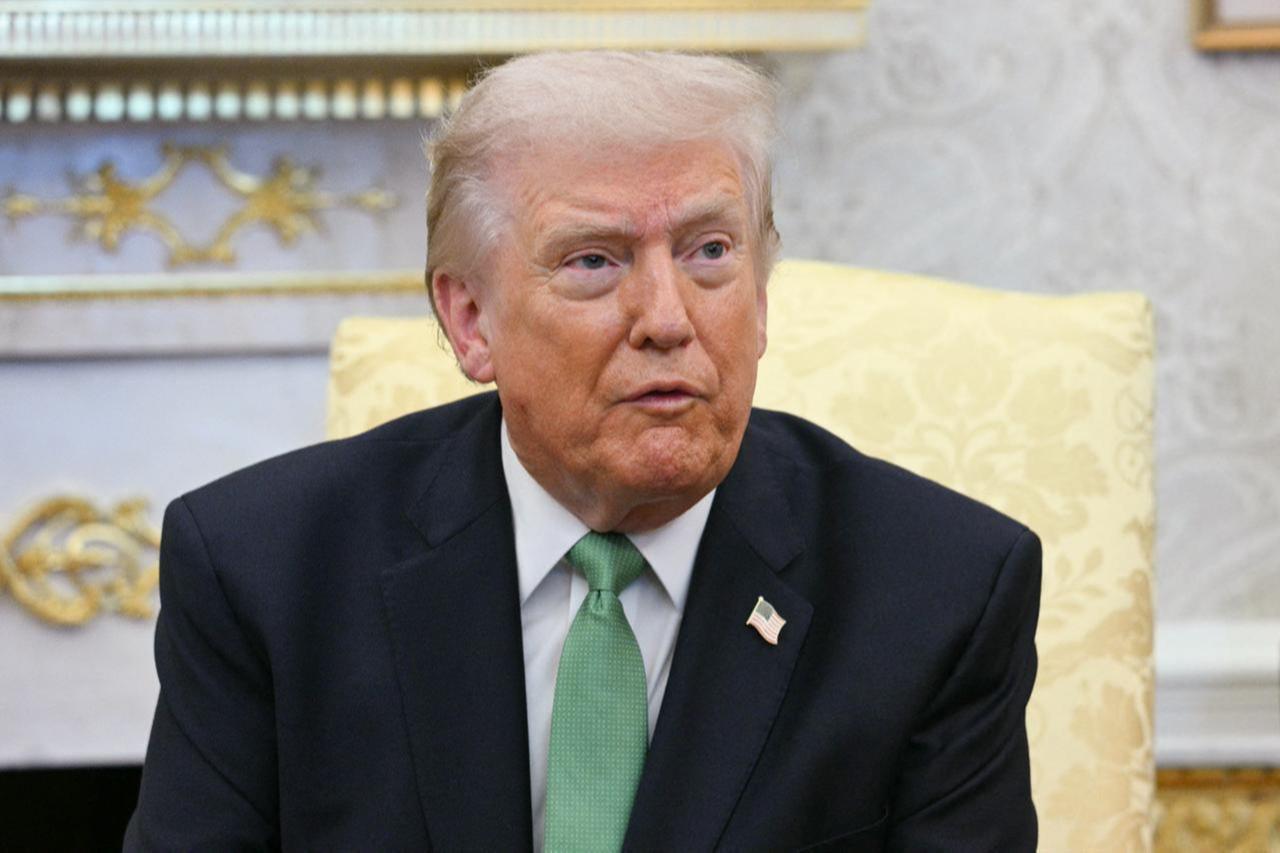
The taunt landed just hours after President Donald Trump told reporters in the Oval Office that the war against Iran had effectively been won and that Tehran was negotiating in earnest. "We're in negotiations right now," Trump said, adding that Iranian officials were receptive to a deal. He also repeated his claim that the U.S. has already won the war.
The duelling messages underscore the deep disconnect between Washington and Tehran nearly four weeks into the conflict that began with joint U.S.-Israeli strikes on February 28, a campaign that killed former Supreme Leader Ayatollah Ali Khamenei on its first day and has since expanded into a sprawling regional confrontation.
Ahmadian is no stranger to confrontation with the United States. Born in 1961, he was training to become a veterinarian before joining the 1979 revolution and fighting in the Iran-Iraq War. He rose through the ranks of the Islamic Revolutionary Guard Corps Navy, where he championed asymmetric tactics as a way to counter superior forces, including the U.S. Navy stationed in the Persian Gulf.
Ahmadian was appointed by the supreme leader to the Defence Council in August 2025, a body established to centralize Iran's defence decision-making following the Iran-Israel war earlier that year.
His post on X came as the Pentagon announced the deployment of a 3,000-person brigade combat team from the U.S. Army's 82nd Airborne Division, a rapid-response force capable of deploying within hours.
Thousands of Marines are already en route to the Middle East, and Defence Secretary Pete Hegseth approved a request from U.S. Central Command for an amphibious ready group and a Marine expeditionary unit involving warships and approximately 5,000 Marines and sailors.
Trump has given mixed signals on whether ground troops would be committed. "No, I'm not putting troops anywhere," he told reporters in the Oval Office on March 19. "If I were, I certainly wouldn't tell you."

The president's tone shifted dramatically over the weekend. On Friday, he dismissed any ceasefire while strikes continued. "You don't do a ceasefire when you're literally obliterating the other side," he said on the White House South Lawn.
By Saturday evening, he had posted a 48-hour ultimatum on Truth Social threatening to destroy Iran's power plants unless Tehran reopened the Strait of Hormuz, a key maritime corridor through which roughly 20 percent of global oil and gas typically passes.
Then came Monday morning's reversal. Trump announced he had instructed the Pentagon to postpone strikes on Iranian energy infrastructure for five days, citing productive conversations with Tehran. Speaking to reporters at Palm Beach International Airport, he said envoys Steve Witkoff and his son-in-law Jared Kushner had been holding talks with a senior Iranian figure. "We have had very, very strong talks. We'll see where they lead," he said.
By Tuesday afternoon, Trump went further. "We've won this. This war has been won," he told reporters in the Oval Office, claiming Iran had offered what he called a "very significant prize" related to the Strait of Hormuz. He said Tehran had agreed it would never possess a nuclear weapon, though he offered no specifics on the terms.


 Set as preferred source
 Set as preferred source


 1 min read
 1 min read