Newsletters


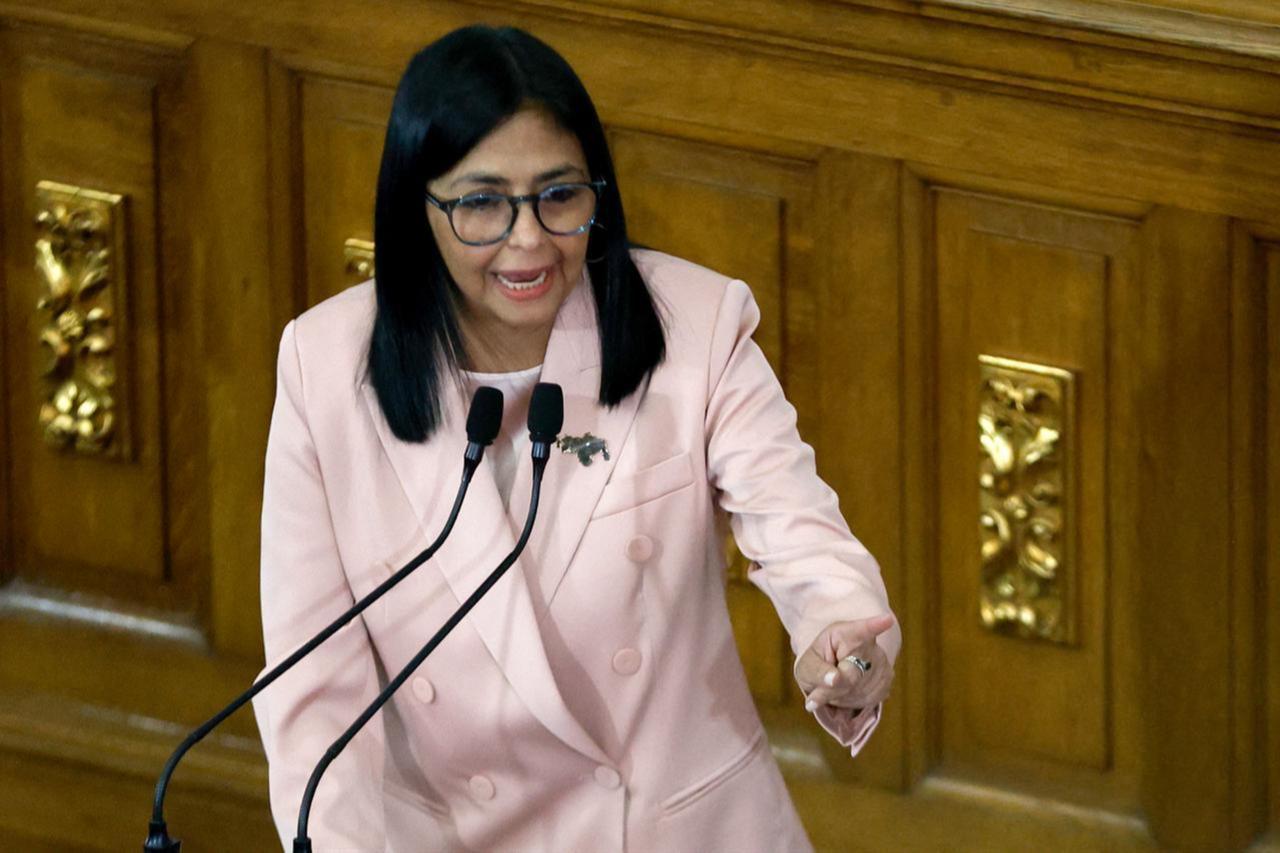


Cuban security advisers and medical personnel are leaving Venezuela as Interim President Delcy Rodriguez’s government faces mounting pressure from Washington to unwind the longstanding alliance between Caracas and Havana, according to 11 sources familiar with the matter, Reuters reports.
The development follows a U.S. military operation on Jan. 3 that captured former President Nicolas Maduro.
The Cuban government says 32 Cubans were killed in the attack, including soldiers and bodyguards who were part of a deep security agreement between the two countries that began in the late 2000s.
Four sources say Rodriguez entrusts her protection to Venezuelan bodyguards, unlike Maduro and his predecessor, Hugo Chavez, who relied on elite Cuban forces.
Under the security arrangement, Cuban intelligence agents were embedded throughout Venezuela’s military and within the DGCIM counterintelligence unit, which was fundamental in weeding out domestic opposition.
“The Cuban influence was absolutely essential” to the survival of the Chavista government, said Alejandro Velasco, an associate professor of history at New York University and an expert on Venezuela.
A former Venezuelan intelligence official said some Cuban advisers have been removed from their posts within the DGCIM. Two sources added that Cuban medical workers and security advisers have been traveling between Venezuela and Cuba on recent flights.
One source close to Venezuela’s ruling party said the departures were ordered by Rodriguez due to U.S. pressure. Other sources say it remains unclear whether Cuban personnel are being forced out by the new Venezuelan leadership, leaving voluntarily, or being summoned home by Havana.
The sidelining of Cubans from the presidential guard and counterintelligence unit has not previously been reported.
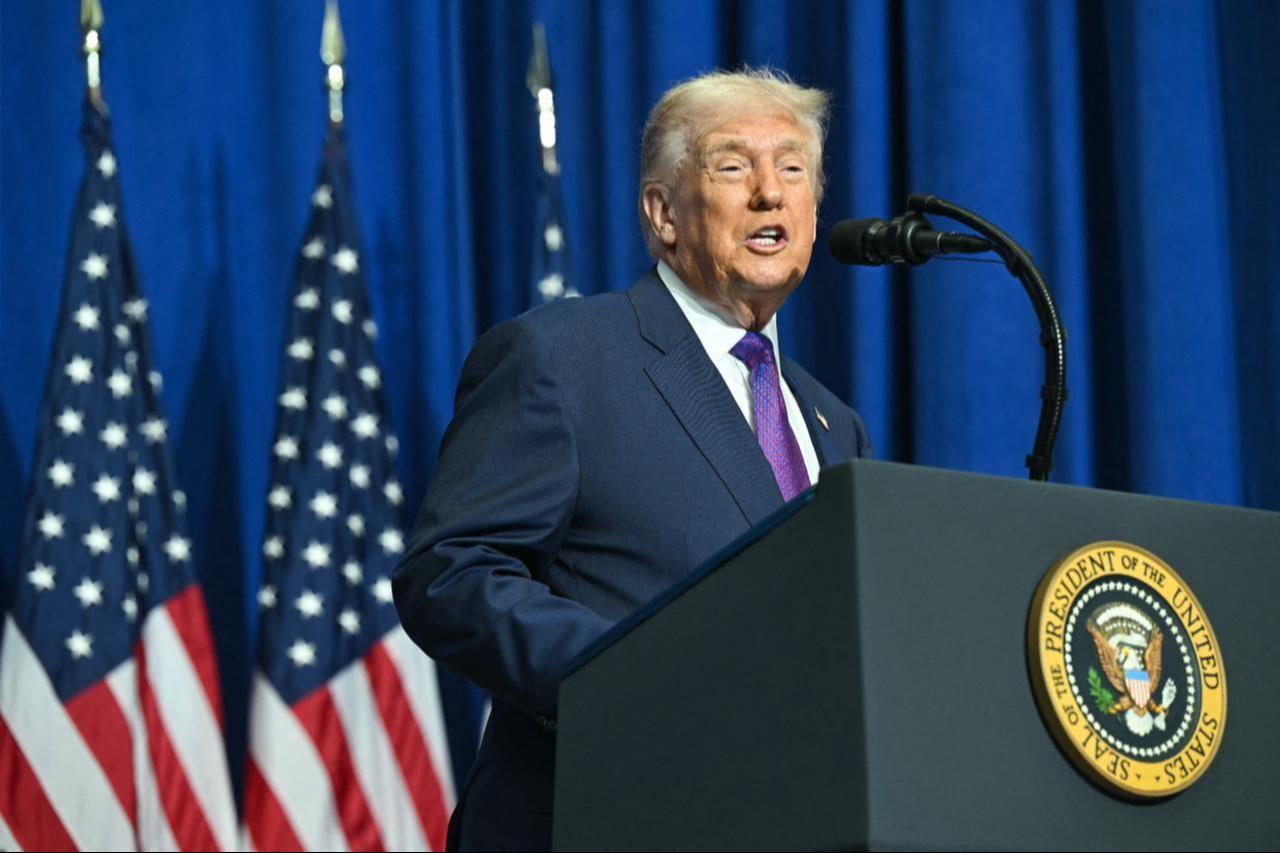

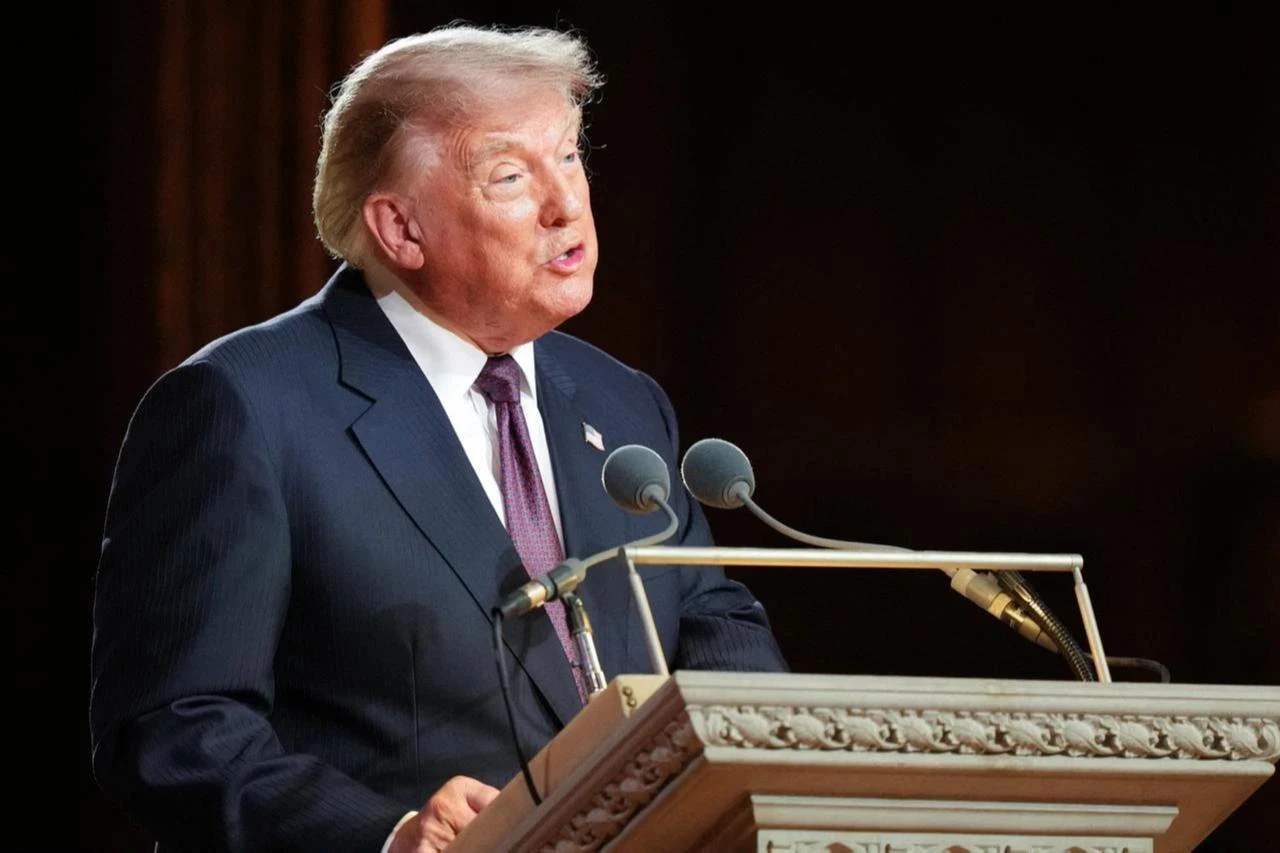
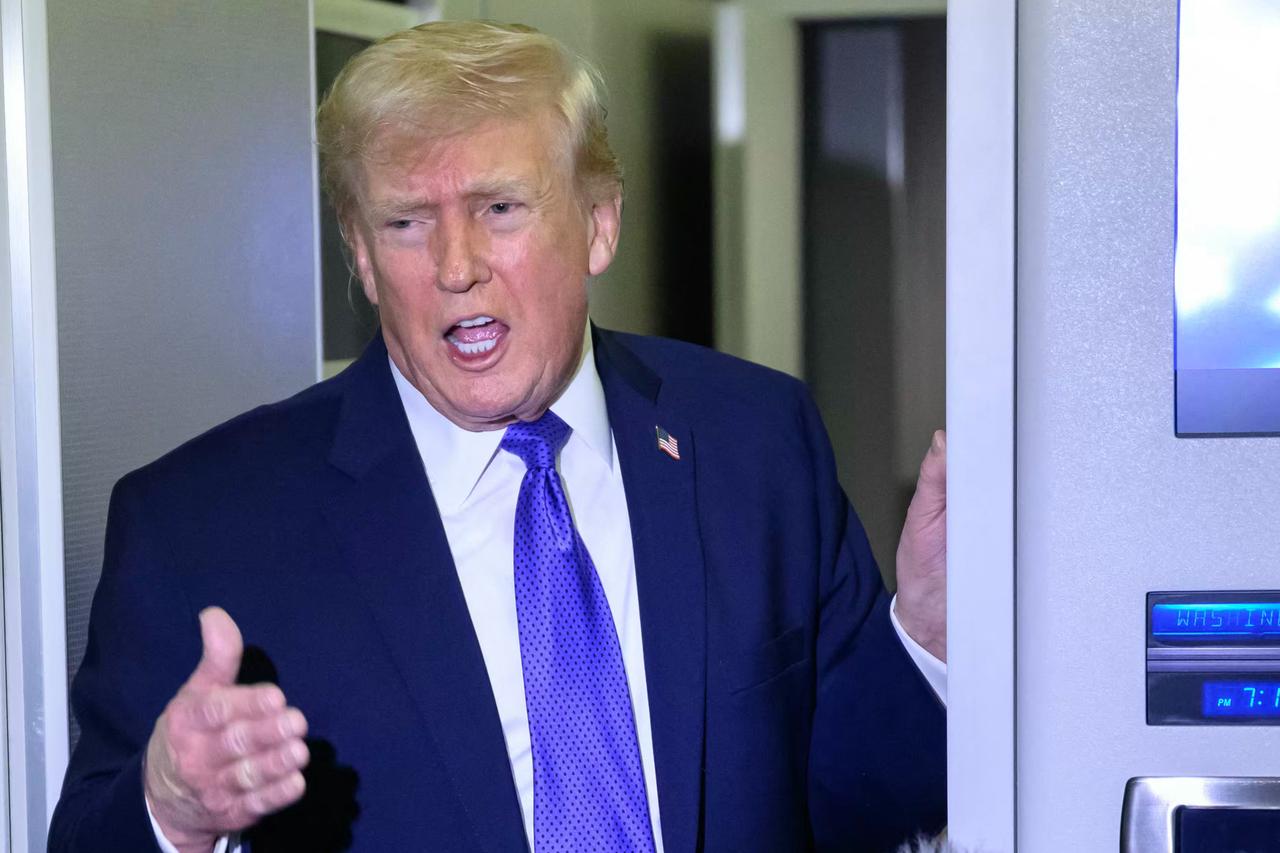
After the Jan. 3 operation, U.S. President Donald Trump vowed to end the security relationship between the two countries.
“Cuba lived, for many years, on large amounts of OIL and MONEY from Venezuela. In return, Cuba provided ‘Security Services’ for the last two Venezuelan dictators — BUT NOT ANYMORE!” Trump wrote on Truth Social on Jan. 11.
A White House official said the U.S. maintains “a very good relationship with the leaders of Venezuela” and believes Rodriguez’s “own self-interest aligns with advancing our key objectives.”
Severing ties with Cuba is part of Washington’s broader strategy to topple Havana’s communist-run government. Since mid-December, the U.S. has been blocking Venezuela from shipping oil to Cuba.
The White House official said Washington is “talking to Cuba, whose leaders should make a deal.”
Cuba said it is open to dialogue on equal terms, while condemning the oil blockade and pledging to resist U.S. intervention. Neither the Cuban nor Venezuelan governments has responded to requests for comment, though both continue to publicly affirm their close ties.
On Jan. 8, Rodriguez appeared alongside Cuban Foreign Minister Bruno Rodriguez at a memorial service in Caracas for victims of the U.S. attack.
Later in January, she spoke by phone with Cuban President Miguel Diaz-Canel, after which both sides reaffirmed that the two countries remain “united” and committed to strengthening historic relations.
A source familiar with the Cuban government’s position said some injured military personnel returned to Cuba, while others remained active in Venezuela. Many Cuban doctors continue providing care, the source said.
Cuba’s state media reported that a temporary suspension of commercial flights and the closure of Venezuelan airspace caused delays in bringing doctors home, but flights resumed the week after the Jan. 3 operation.
A U.S. source said that while the Cuban presence is diminishing, some undercover intelligence agents are likely to remain to monitor the evolving political situation.
Frank Mora, who served as U.S. ambassador to the Organization of American States under the Biden administration, said Rodríguez is proceeding cautiously.
“She wants to keep the Cubans at a distance until this situation calms down, until her hold on power is clear, but not entirely throw them under the bus,” Mora said.
Four sources said at least some Cuban military advisers remain in Venezuela. Cuban professors also continue teaching at the state university for police and security forces, known as UNES.
John Polga-Hecimovich, a professor at the U.S. Naval Academy in Maryland, said Cuban counterintelligence efforts continue to shape the political landscape in Caracas.
“The Cubans didn’t manage to protect Maduro, but they played a key role in keeping the Chavista government in power,” he said. “The coup-proofing worked brilliantly.”


 Set as preferred source
 Set as preferred source


 1 min read
 1 min read