Newsletters


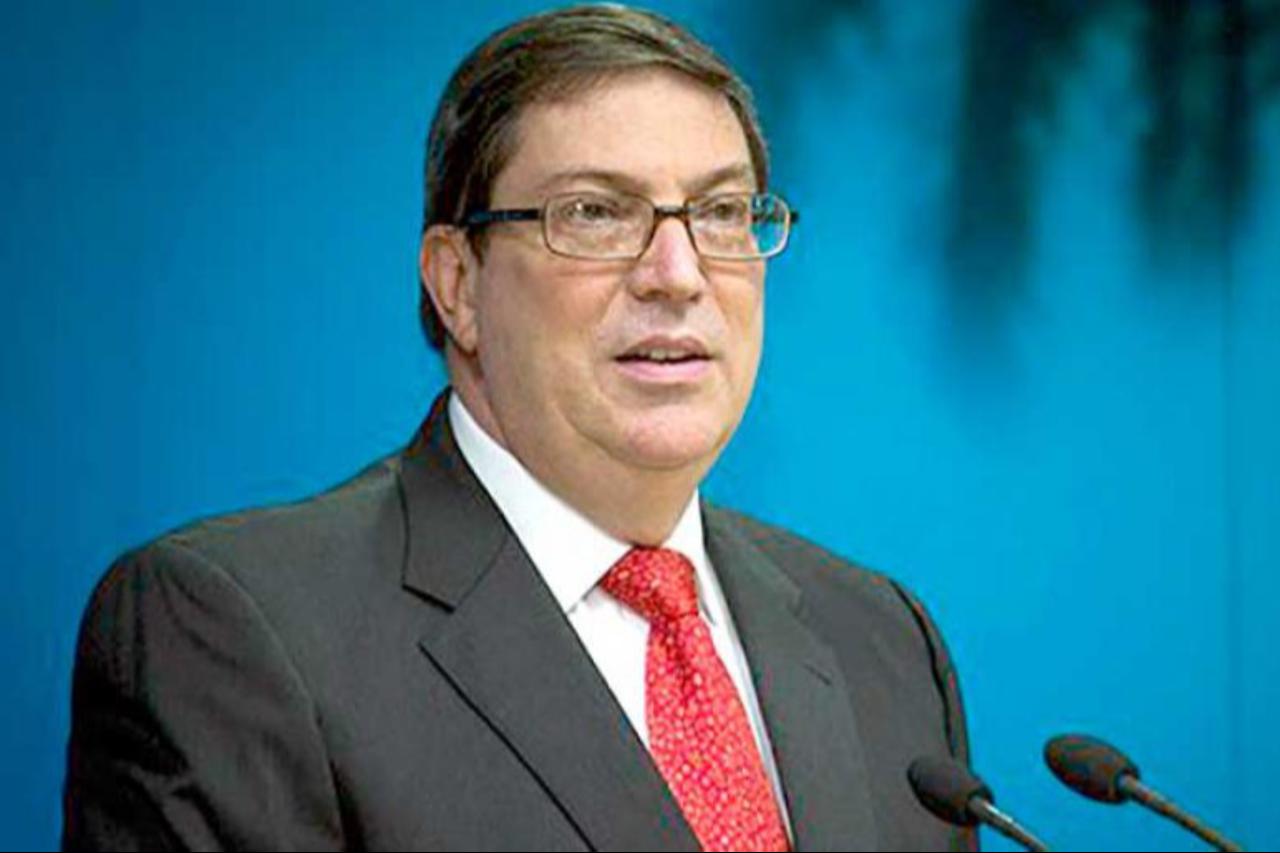


Cuba's top diplomat escalated Havana's confrontation with Washington on Tuesday, telling the UN Security Council that American energy restrictions against the island amount to a naval blockade, which he characterized as "an act of war and genocide" against the Cuban people.
The remarks, delivered during a high-level open debate on upholding the principles of the UN Charter, signal deepening tensions between the two countries as Cuba grapples with a severe energy crisis exacerbated by US pressure on third countries to cut off oil supplies.
Foreign Minister Bruno Rodriguez Parrilla addressed the council session, framed around the theme of strengthening the UN-centered international system, and used the forum to broadly indict Washington's foreign policy posture, connecting Cuba's situation to conflicts in Gaza and Iran.
"How can you refer to the defense of the central role of the United Nations," he asked, "without, of course, mentioning the genocide against Palestine or the imperialist aggression against the Islamic Republic of Iran and the war in the Middle East?"
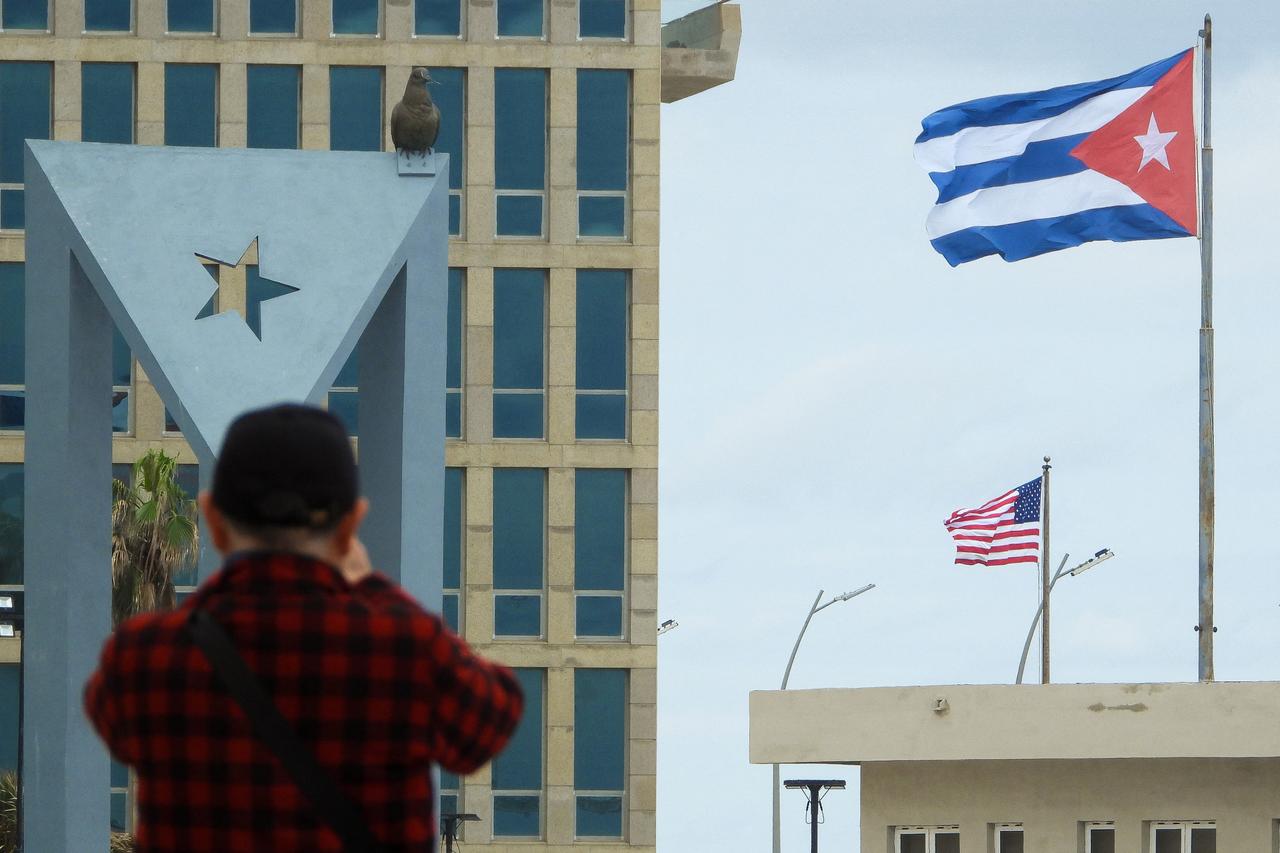

Rodriguez Parrilla argued that US restrictions on Cuba's energy sector have crossed a legal and moral threshold, drawing a direct analogy to an act of war. The oil and energy blockade applied by the United States, he said, "is, by its effects, equivalent to a naval blockade, which is an act of war and genocide that subjects the Cuban population to conditions that threaten its integrity and existence."
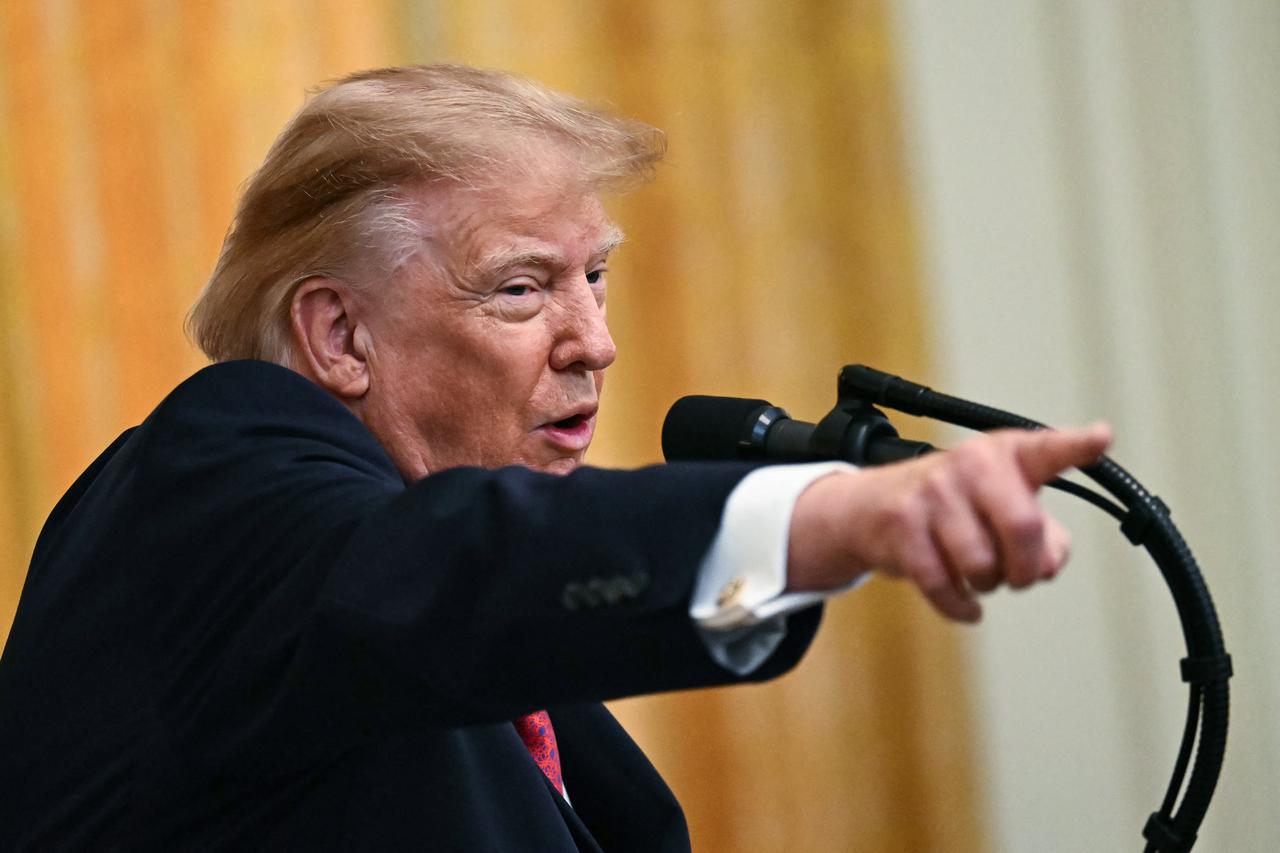
His remarks come amid a deepening fuel and electricity crisis on the island. In January 2026, US President Donald Trump signed an executive order threatening tariffs against any country that supplies oil to Cuba, a measure that UN human rights experts subsequently described as amounting to "energy starvation" with grave consequences for public health and human rights.
Cuba has faced rolling blackouts lasting up to 20 hours in many parts of the country, disrupting refrigeration for food and medicine and crippling essential services, according to UN experts.
Rodriguez Parrilla rejected Washington's justifications for those measures as a fabrication designed to build support for regime change.
He called the US framing of Cuba as a security threat "fraudulent" and "politically motivated," saying it was "aimed at fooling US citizens and foreigners 30 years after the events with the vile purpose of supporting a military adventure against Cuba."
Rodriguez Parrilla sharply escalated his language when addressing the prospect of direct military confrontation, warning that any US military action would produce mass casualties on both sides. "Military aggression would provoke a bloodbath," he said.
"Thousands of Cubans would die defending their country and their sacred values, and also young Americans would perish without a cause or an idea to defend."
He called on international and regional actors to prevent a humanitarian disaster and to preserve Latin America and the Caribbean as a "zone of peace," a designation rooted in the 1967 Treaty of Tlatelolco, which prohibits nuclear weapons in the region, and in subsequent multilateral commitments to peaceful dispute resolution in the hemisphere.
 1 min read

Colombia's Foreign Minister Rosa Yolanda Villavicencio Mapy echoed broader concerns about the state of the rules-based international order during the same debate, warning of what she described as "the increase in conflicts, the selective application of international law, and the erosion of trust among nations."
She called on member states to reaffirm that "cooperation and solidarity must prevail over confrontation and division."
Villavicencio Mapy urged the Security Council to assert its central role rather than be bypassed when member states prioritize narrow national interests, and pressed all UN members to avoid double standards in their application of international law.
"Only through mutual respect, cooperation, and shared responsibility," she said, can the multilateral system fulfill its founding purpose.
The debate at the Security Council comes as US-Cuba relations have deteriorated sharply since Trump's January executive order, which designated Cuba an "unusual and extraordinary threat" to American national security, a legal classification that enables sweeping economic restrictions.
The US embargo against Cuba, in place in various forms since 1962, has long drawn annual votes of condemnation from the UN General Assembly, though Washington has consistently wielded its Security Council veto to block binding multilateral action on the matter.


 Set as preferred source
 Set as preferred source


 1 min read