Newsletters




Russia sharply condemned the United States on Wednesday for what it called deliberate efforts to bring Cuba to its knees, as Washington deployed a nuclear-powered aircraft carrier to the Caribbean and unsealed a federal indictment against former Cuban leader Raul Castro. The European Union's top diplomat added her voice to the debate, but with a markedly different focus, calling for an end to the "control and isolation" strangling the island.
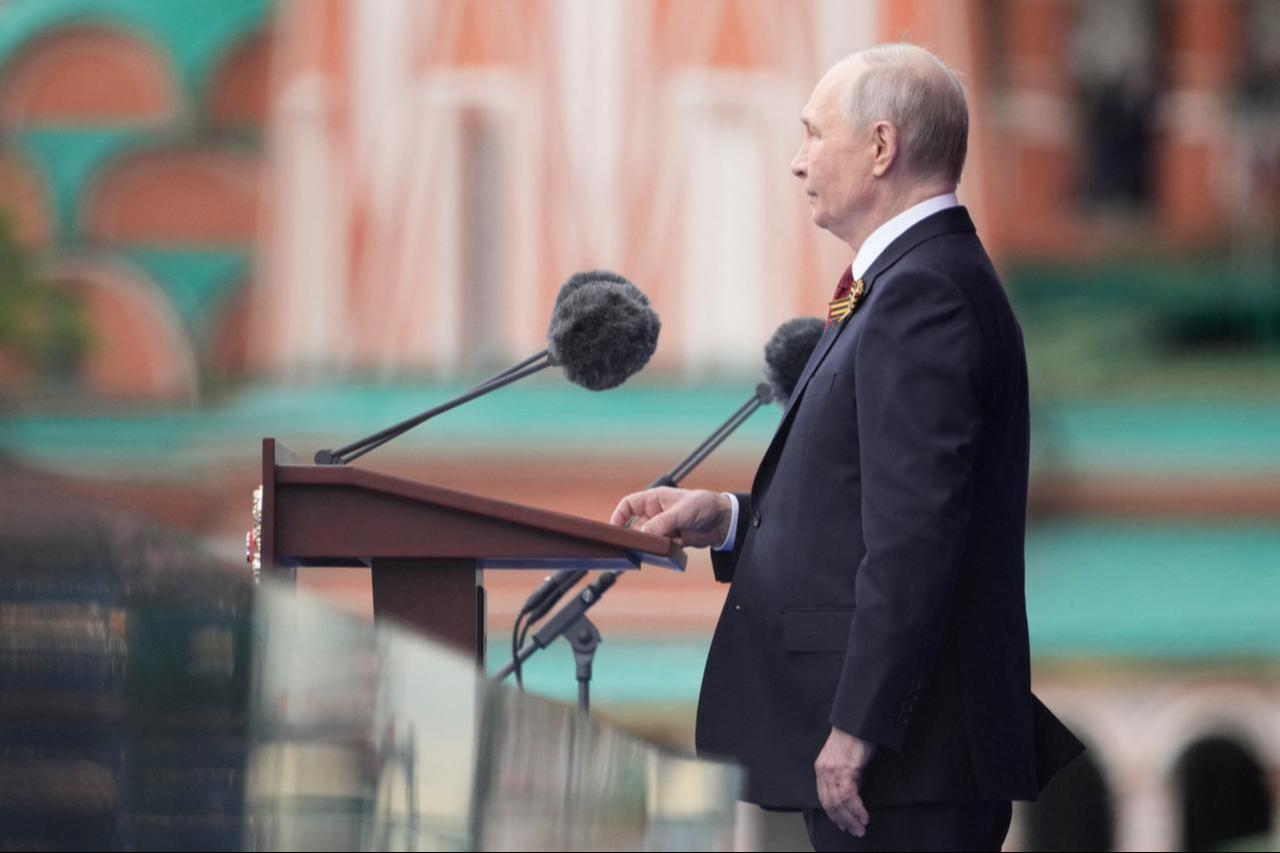
The Russian Foreign Ministry issued a written statement saying the deployment of an American carrier strike group to the region was a calculated signal, warning that the move appears designed "to show that an armed intervention against Cuba can be carried out."
Moscow drew a direct parallel to events in Venezuela, calling the pattern of pressure unmistakable. "We strongly condemn the attempts to bring the Cuban people to their knees," the ministry stated, urging both Havana and Washington to resolve their differences "through mutual-respect-based negotiations."

The diplomatic fallout follows the Justice Department's decision to unseal an indictment against Castro, 94, charging him with conspiracy to kill US nationals, murder, and destruction of aircraft.
The charges stem from his alleged role as defense minister in ordering the shootdown of two Cessna aircraft operated by Brothers to the Rescue, a Miami-based humanitarian group that searched for Cubans attempting to flee the island by sea, on February 24, 1996.
Four people were killed, including three American citizens, Carlos Costa, Armando Alejandre Jr., and Mario de la Pena, as well as Pablo Morales, a US resident.
Five Cuban military pilots were also named in the indictment, which was unsealed on Cuba's Independence Day. The Organization of American States previously found that the planes had been brought down outside Cuban airspace, in violation of international law.
The Russian statement characterized the indictment as a pretext, arguing that the charges serve to "legitimize" the broader pressure campaign against the Cuban government rather than to pursue genuine justice.
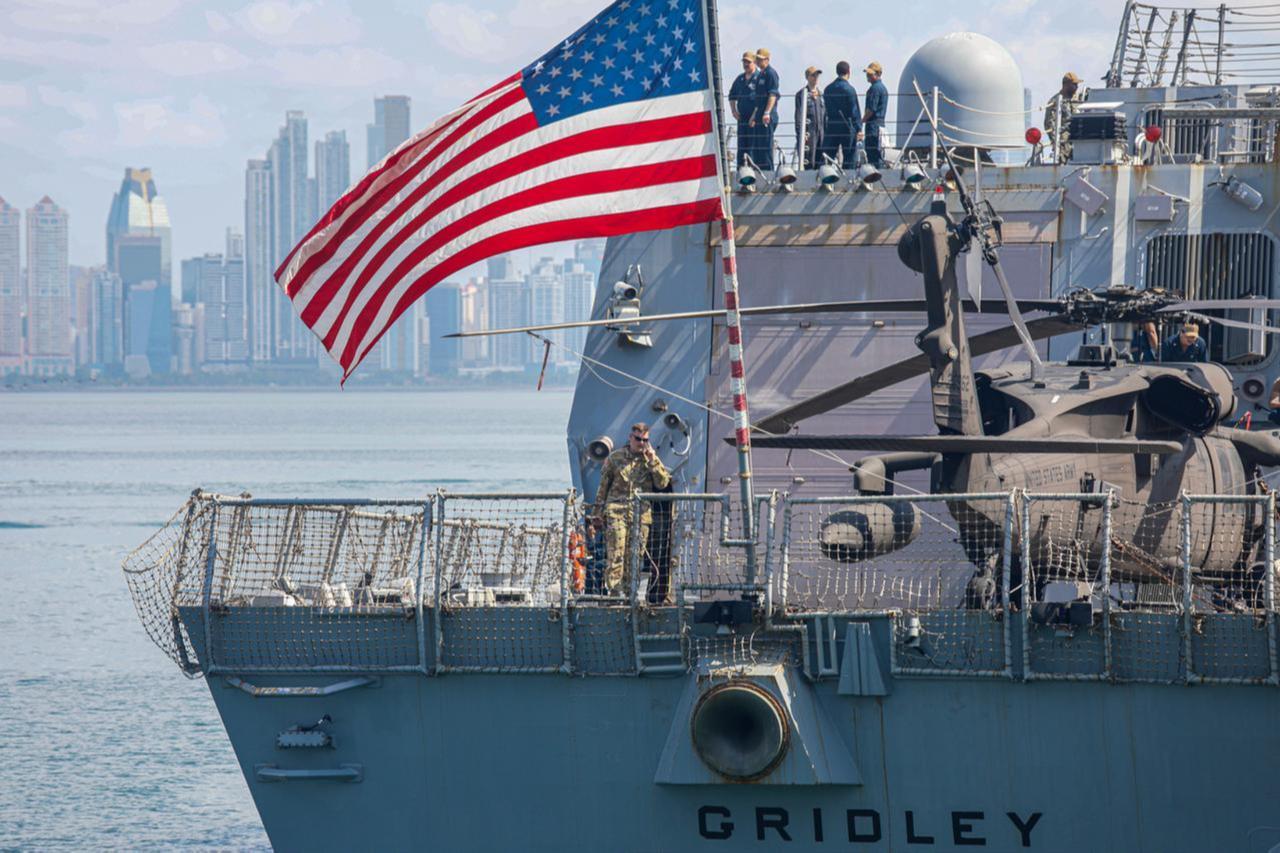
US Southern Command confirmed the arrival of the USS Nimitz carrier strike group in the southern Caribbean, a deployment described as part of the multinational Southern Seas 2026 naval exercises. The group includes Carrier Air Wing 17, the guided-missile destroyer USS Gridley, and the fleet oiler USNS Patuxent.
The timing, coinciding with the unsealing of the indictment, drew immediate international attention. Russia's foreign ministry said the parallel moves bore the hallmarks of deliberate escalation, comparing the strategy to tactics previously used against Venezuela.
Moscow also used the statement to condemn what it called unacceptable unilateral sanctions against Cuba, reaffirming its solidarity with the Cuban government and people and pledging to continue strengthening bilateral ties with Havana.
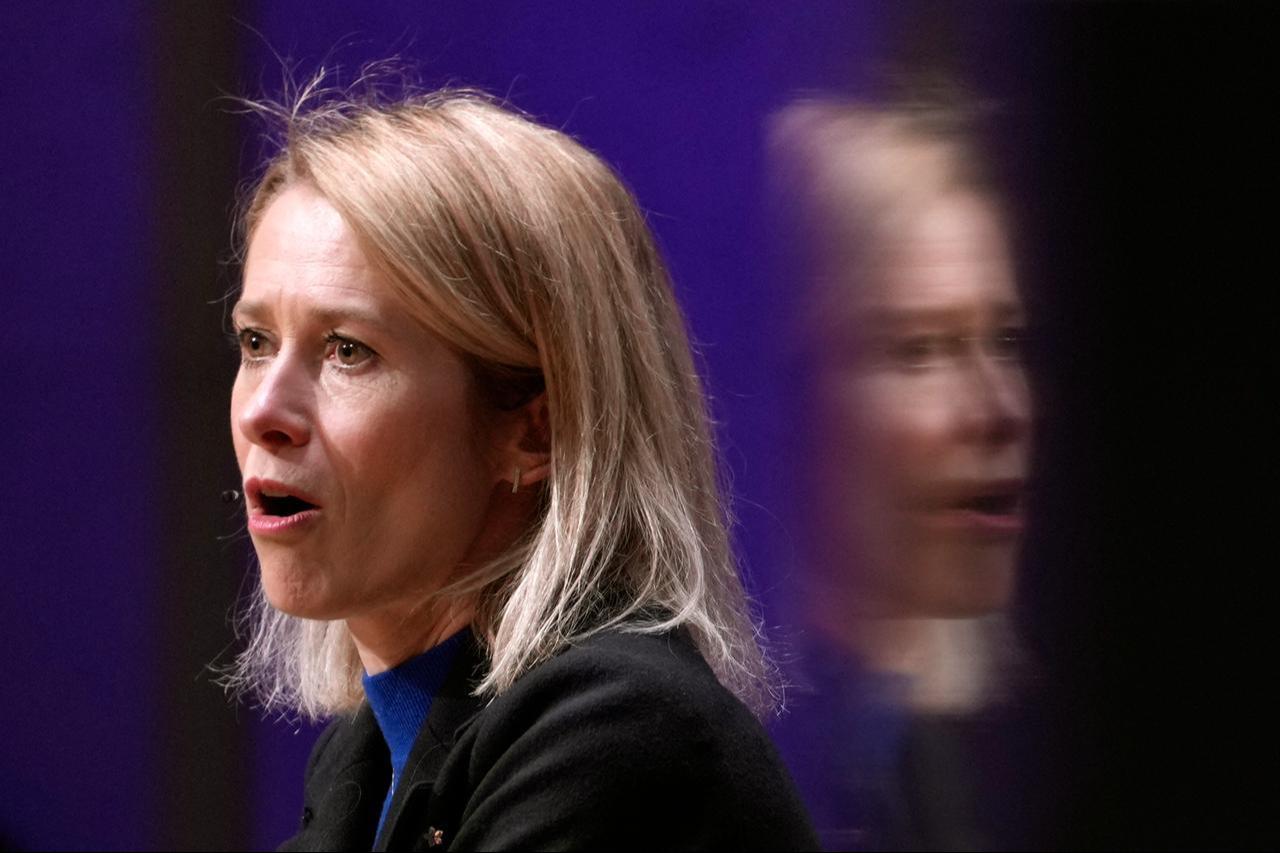
The European Union struck a different tone. Kaja Kallas, the bloc's foreign policy chief, speaking in Mexico City, acknowledged the depth of the crisis gripping Cuba, saying the island's economic situation is "really reaching a breaking point" after what she described as decades of mismanagement and political repression.
She called for the Cuban people to have "opportunity and freedom," calling explicitly for an end to the island's "control and isolation." Her remarks did not directly address the US pressure campaign or the carrier deployment.
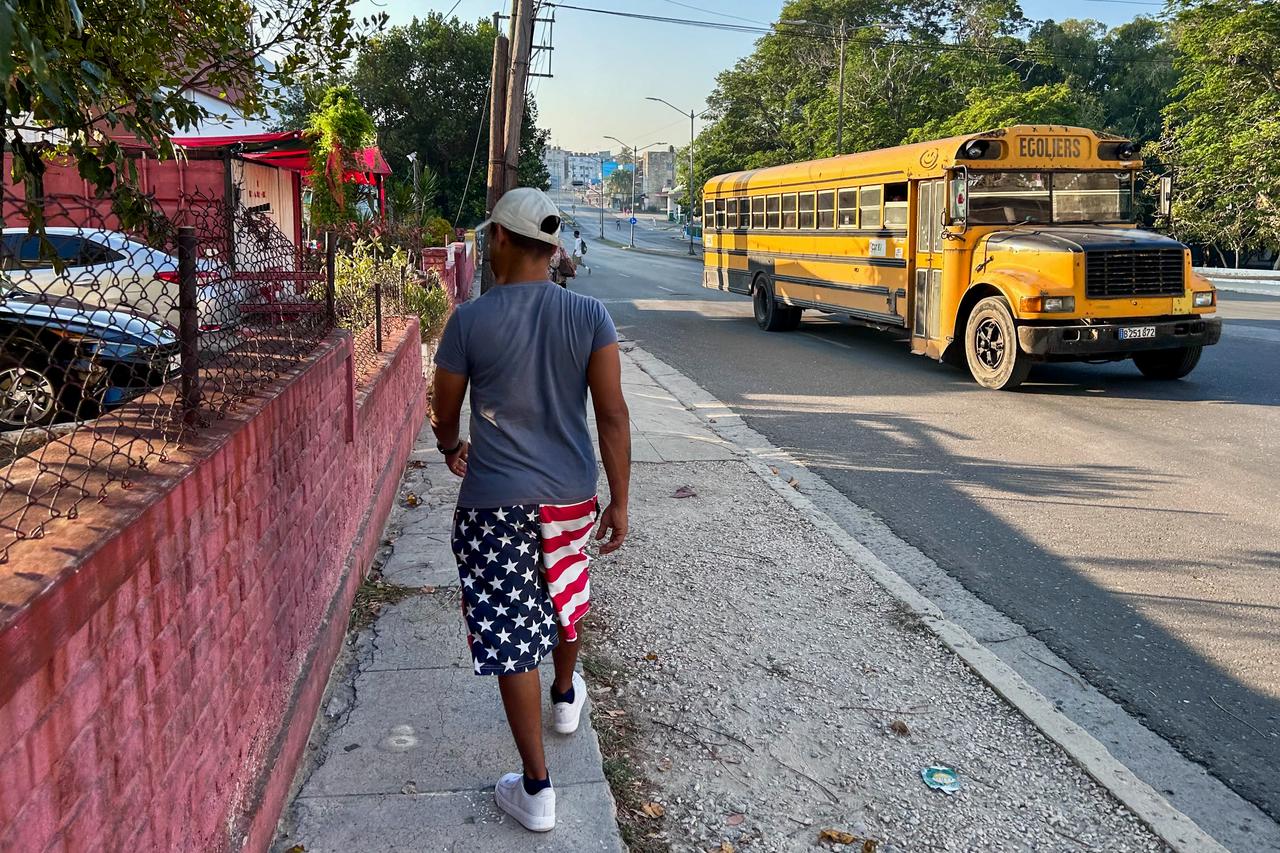
Cuba, under a US fuel blockade and longstanding embargo, has faced severe shortages of food, medicine, and fuel in recent years, triggering waves of emigration that have drawn comparison to the mass departures of the 1980s and 1990s.
The Brothers to the Rescue case has been a cause for Cuban exile communities in Miami for three decades; previous administrations pursued partial accountability, convicting a Cuban intelligence operative with links to the shootdown, but no senior Cuban official had faced charges until this week.
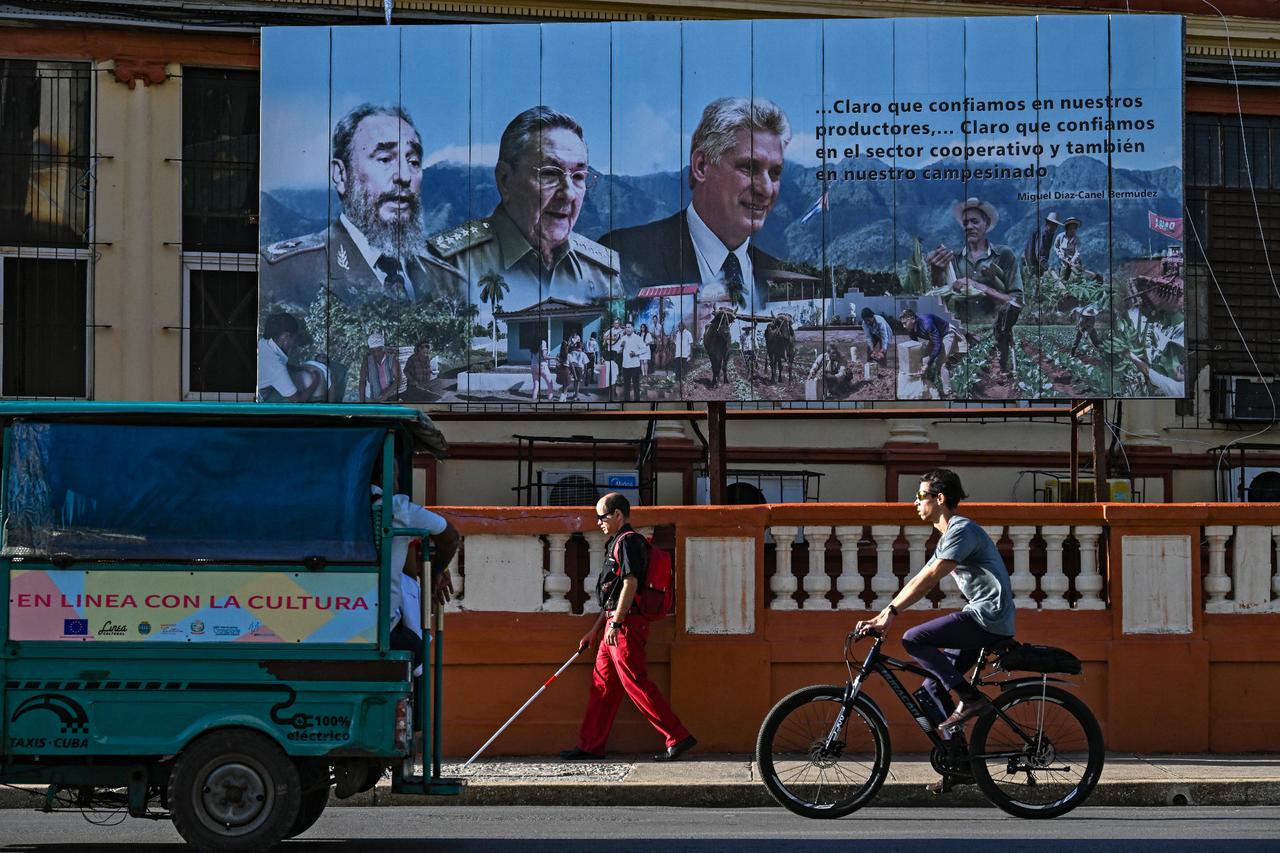
Raul Castro, who handed the Cuban presidency to Miguel Diaz-Canel in 2018 and stepped down as head of the Communist Party in 2021, is widely believed to retain significant influence within the Cuban government.


 Set as preferred source
 Set as preferred source


 1 min read
 1 min read