Newsletters


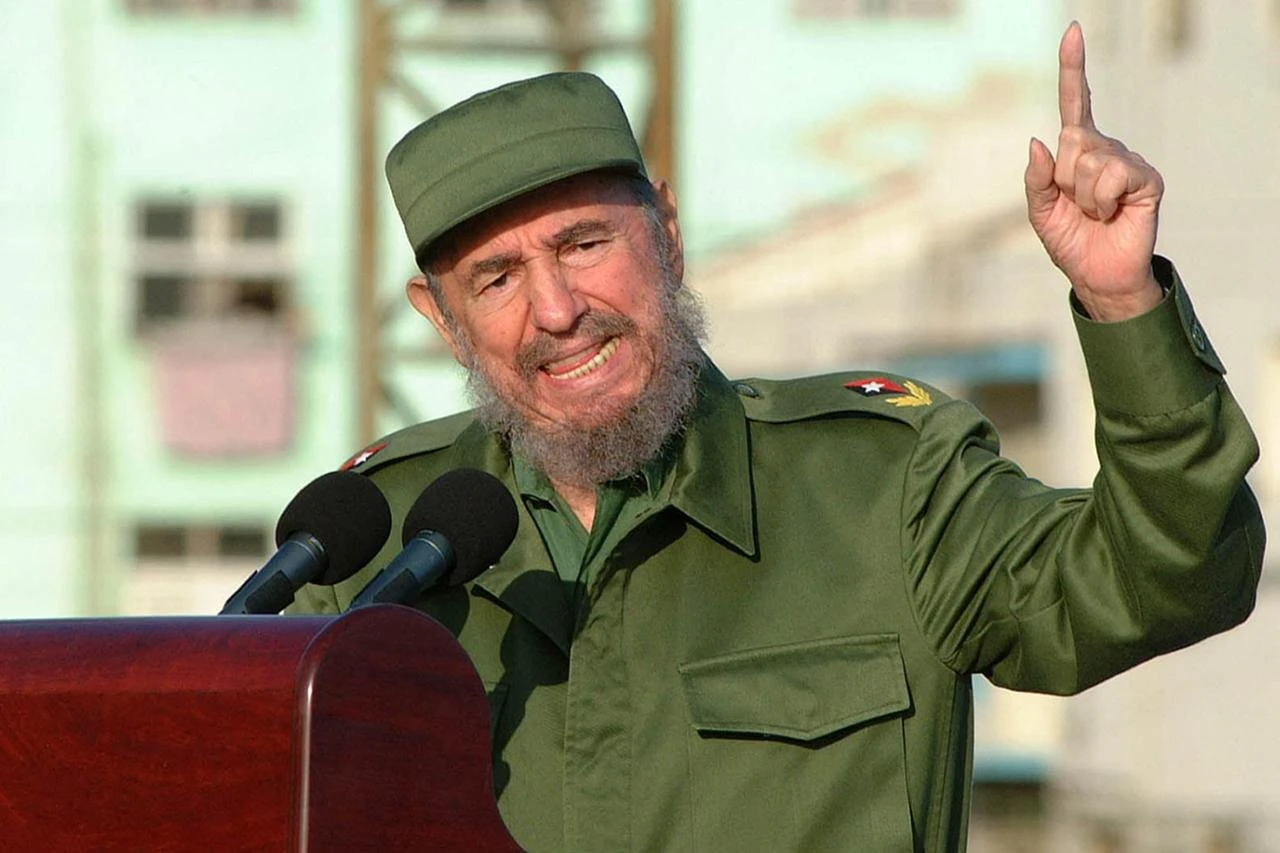


Cubans are questioning the promises of the socialist revolution Fidel Castro led for nearly half a century, asking whether his successors are up to the job as the country marks 100 years since his birth.
Cuba's Communist Party spent the week celebrating the late revolutionary leader with exhibitions, concerts, and conferences. But this Aug. 13 arrives amid one of Cuba's worst crises in living memory, marked by acute shortages of food and water alongside chronic power cuts.
The Cuban government attributes much of the crisis to the decades-long U.S. trade embargo, which restricts the island's access to fuel, spare parts, and foreign currency.
The United Nations General Assembly has repeatedly voted to condemn the embargo and call for its lifting. However, some economists and critics also point to decades of state economic mismanagement and low productivity as major contributing factors.
For many Cubans, today's hardship highlights the absence of the leader who died a decade ago.
Leonel Suarez, 54, has spent years collecting revolutionary memorabilia and reveres Castro as "the master."
"Fidel would have a strategy at a time like this," he said. The slow-rolling crisis has hit so hard that when a foreign visitor recently offered $100 for a photograph of his communist hero, Suarez felt he had little choice but to sell it. "You have to live," he said.
Castro is remembered by supporters for guiding Cuba through multiple crises, U.S.-backed invasions, embargoes, assassination plots, and the intense hardship caused by the collapse of Cuba's main ally and benefactor, the Soviet Union.
In a workshop in Old Havana, amid cracked walls and aging tools, 54-year-old repairman Rogelio Valdivia describes himself as a bona fide "Fidelista."
"I was born in the Revolution, and through it I was able to find my way," he said, lamenting the loss of Castro's leadership in Cuba today. "Fidel is no longer here, and nobody has the ability Fidel had."
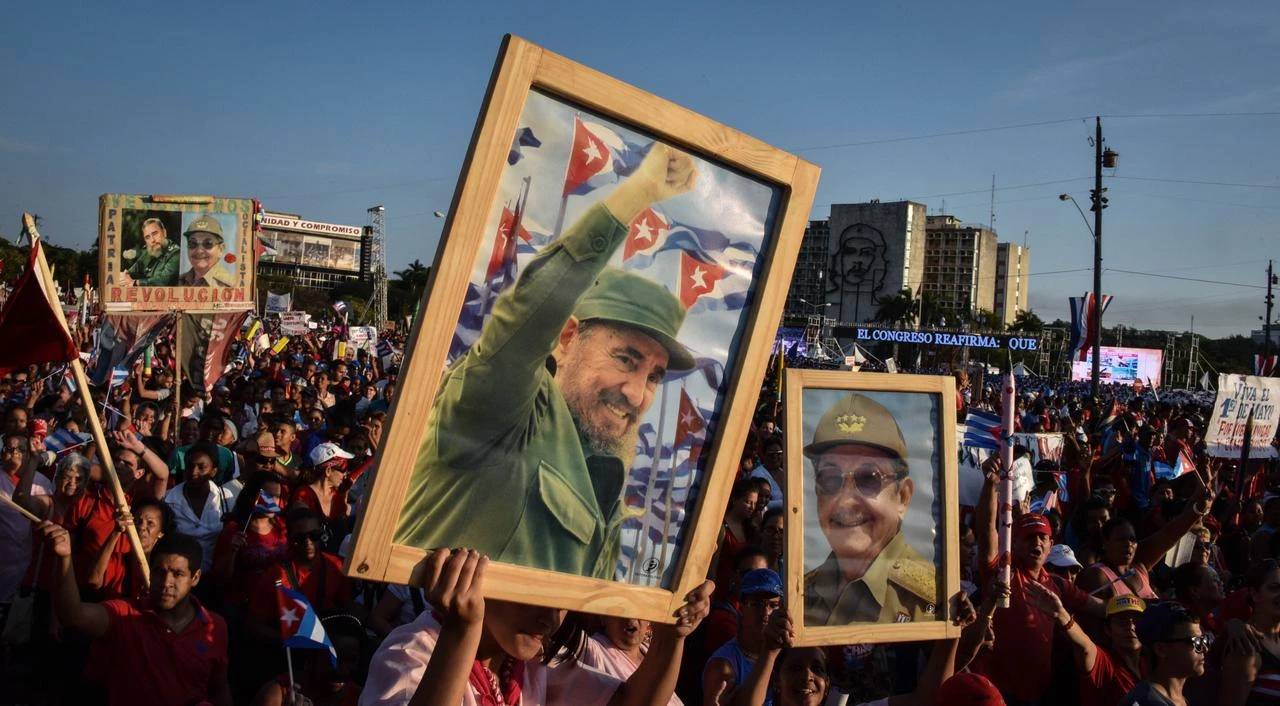

Those who supported Castro throughout his years in power are among the hardest hit today. One of them is 86-year-old Angela Gutierrez, who says she feels "disappointed" by the direction Cuba has taken.
"Why do they keep cutting the power so much?" she asked after visiting several market stalls without buying anything because prices were too high. "They're ruining things."
Gutierrez belongs to the generation that came of age under Castro and benefited from the free healthcare and education championed by the Revolution. Today, those benefits barely exist.
For Castro's critics, Cuba's problem is not the absence of Castro, but the legacy he left behind. Manuel Cuesta, a 63-year-old historian and opposition activist, recalled seeing Castro as a "redeemer" in his youth who had made Cuba what it aspired to be.
Over time, he said, that image faded as the reality of life on the island drifted further from the Revolution's promises. Today, Cuesta believes worsening living conditions have led many Cubans to see Castro as the "original architect of this national disaster."
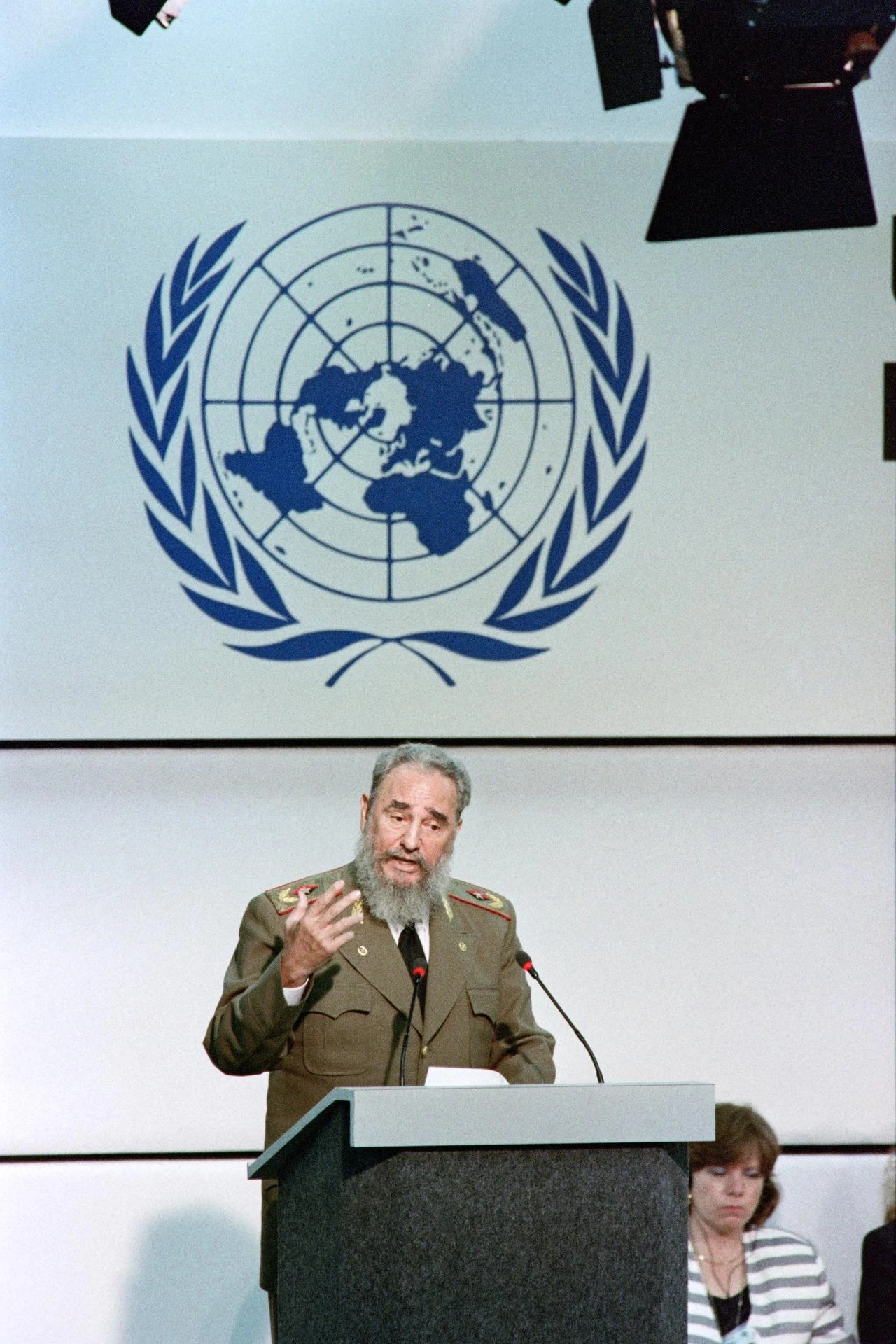
Hassan Perez, a historian, former student leader and close collaborator of Castro, acknowledged that the centenary was arriving under "the most complex conditions that could have been imagined." The social contract forged by the Revolution, he said, "has eroded" in recent years.
For decades, Cuba offered social protections in exchange for strict political discipline. Many Cubans now question whether that bargain still holds.
Yet for many, affection for Castro survives even as daily life becomes harder. Mildred Barreto, a 66-year-old cleaner, still calls him "comandante," meaning commander. But she admits life in Cuba today is a struggle.
"We suffer a lot now," she said. Then she delivered a verdict shared by many of Castro's remaining admirers. "With our comandante," she said, "it wasn't like this."


 Set as preferred source
 Set as preferred source



 1 min read