Newsletters


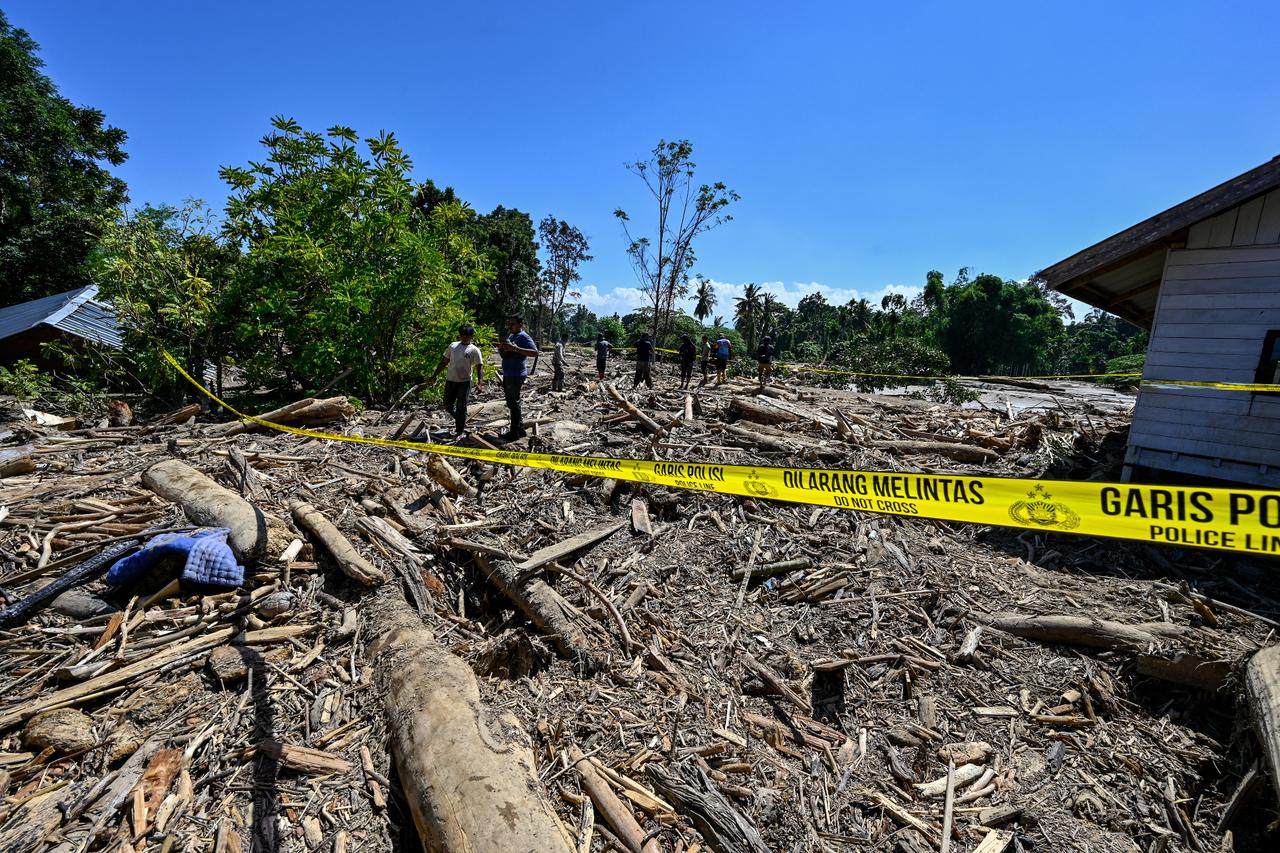


Widespread flooding and landslides across Indonesia’s Sumatra Island have killed 442 people and left more than a million people affected, according to updated figures released Sunday by the National Disaster Management Agency (BNPB).
Authorities say 402 people remain missing, while 646 have been injured.
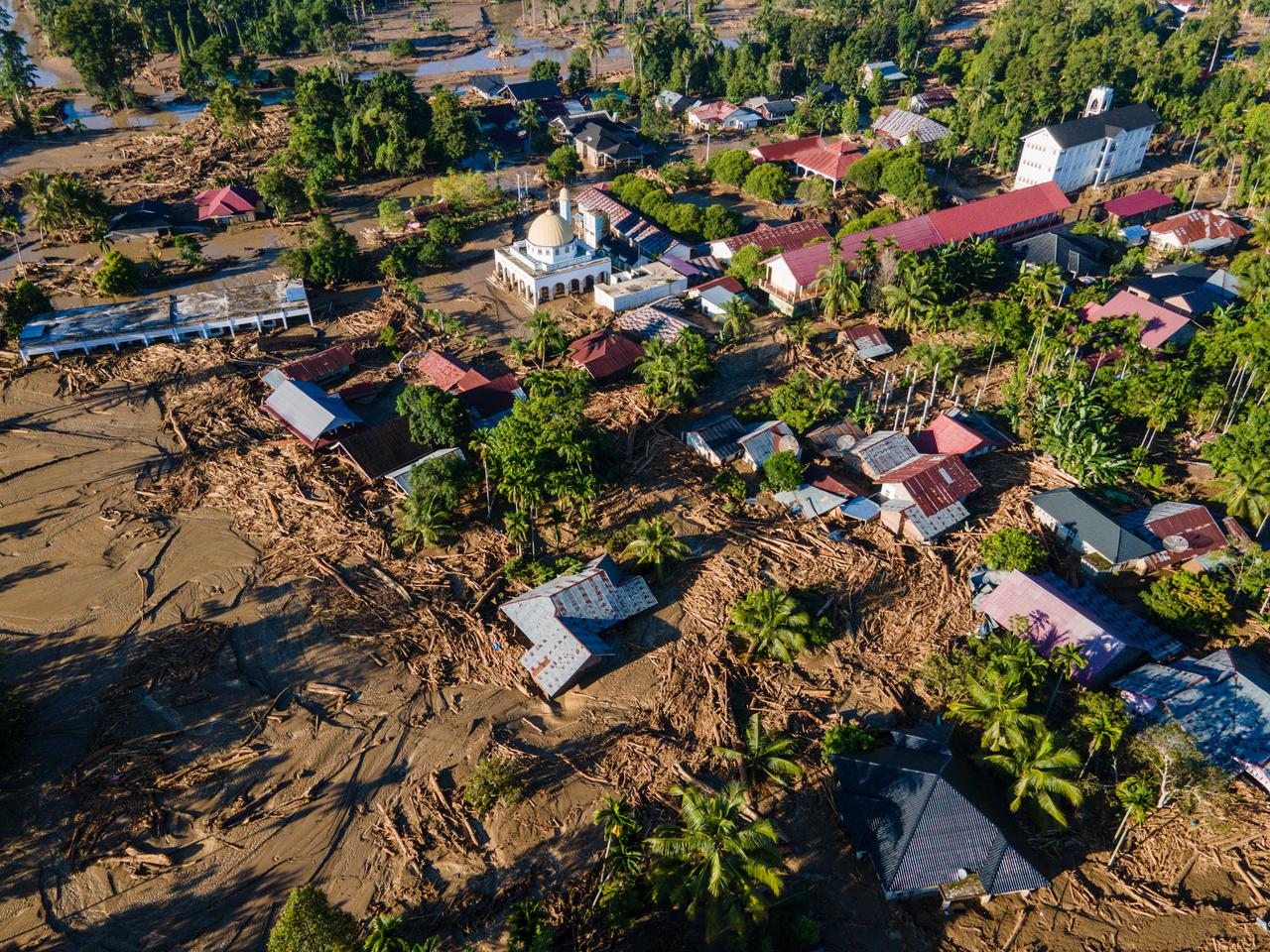
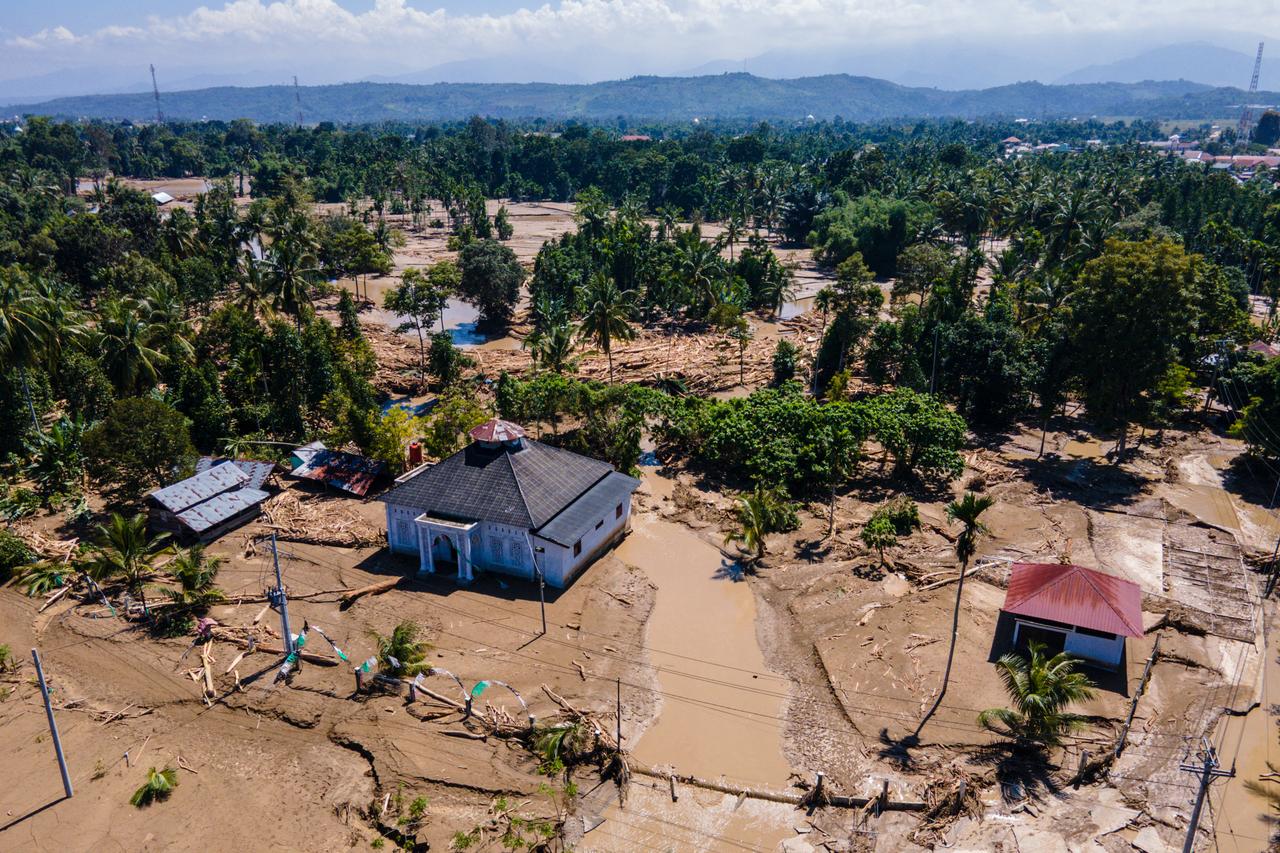
The disasters, triggered by days of intense and prolonged rainfall, have battered North Sumatra, Aceh, and West Sumatra, causing extensive damage to homes, roads, and public facilities.
Over 290,000 residents have been displaced, and hundreds of houses have been severely damaged or swept away, BNPB reported.
BNPB head Lt. Gen. TNI Suharyanto said on Sunday that several key roads remain cut off due to floods and landslides, complicating rescue and relief efforts. “Access to many affected areas is still disrupted. Our teams face significant challenges due to difficult terrain and damaged routes,” he said.
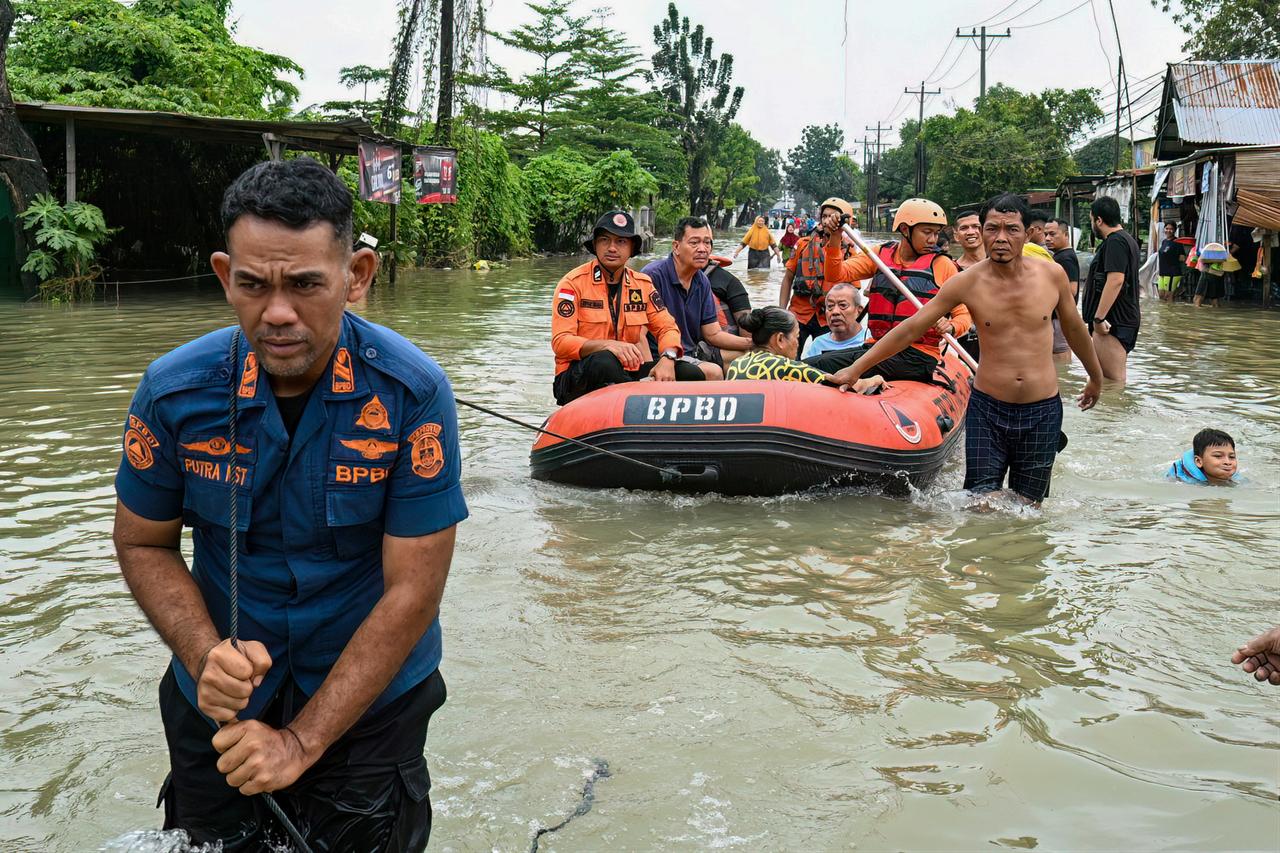

Search teams are operating both on the ground and from the air, but steep cliffs, unstable soil, and continuing bad weather are limiting the use of heavy machinery. Authorities warn that the number of casualties could rise as rescuers reach more remote areas.
The flooding crisis in Indonesia comes amid a wider regional emergency, with torrential rainfall also affecting Sri Lanka, southern Thailand and northern Malaysia. Combined, severe weather across these regions has caused nearly 1,000 deaths.
Indonesian President Prabowo Subianto arrived in North Sumatra on Monday to oversee government response efforts.
He expressed hope that “the worst has passed,” while emphasizing that the immediate priority is delivering essential aid, particularly to remote villages cut off by landslides.
“We must ensure assistance reaches all affected communities as quickly as possible,” the president said, adding that additional military personnel and logistical support have been deployed.
Pressure continues to mount on the government to declare a national emergency as casualty figures grow and hundreds remain missing.
Authorities warn that heavy rains may continue in the coming days, potentially slowing rescue work and raising the risk of further landslides.


 Set as preferred source
 Set as preferred source


 1 min read
 1 min read