Newsletters


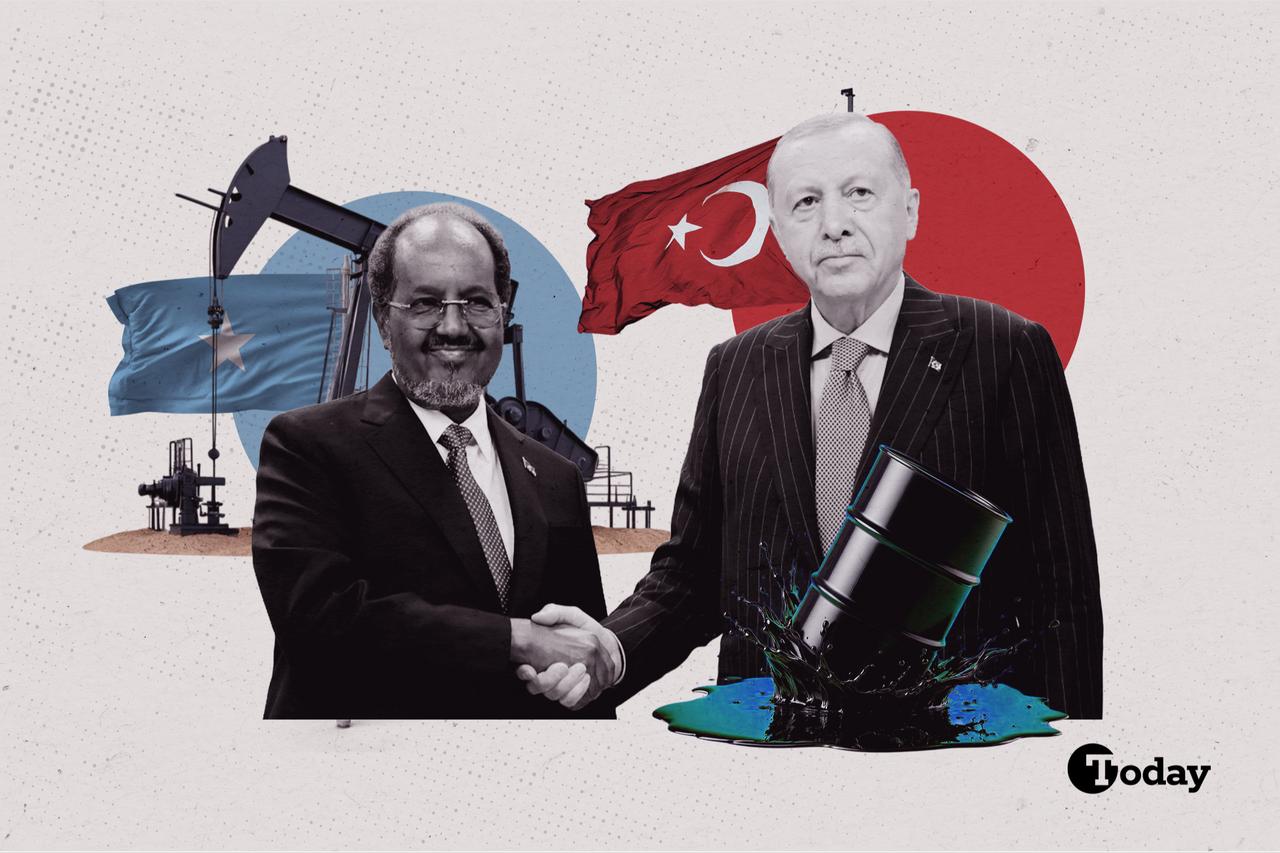


The debate over Somalia's oil agreement with Türkiye has been dominated by one explosive claim—that Türkiye will receive "90%" of Somalia's oil, gas, or revenue.
That number has traveled widely across regional media, Somali political commentary, and social media. But what does it actually mean?
Does it mean Türkiye owns 90% of Somalia's oil? Does it mean Somalia has given away its resources? Or is the figure being used without explaining the difference between cost recovery, ownership, and profit share?
Speaking to Türkiye Today during an interview, Fathudin Ali Mohamed Ospite, ambassador of the Federal Republic of Somalia to Türkiye, sheds light on these key questions.
The strongest criticism has centered on the reported cost-recovery structure of the Somalia–Türkiye hydrocarbons agreement.
Media outlets—including Nordic Monitor, a publication known for its anti-Türkiye coverage—framed the deal as granting Turkish entities "sweeping operational and financial privileges," pointing to Article 4.7, which allows Türkiye to recover up to 90% of petroleum produced each year as "cost petroleum" before any profits are shared.
The outlet also highlighted Turkish export rights, exemption from some upfront payments, and operational flexibility for Turkish entities.
The East African described the agreement as a “lopsided” deal and reported that it caused outrage in Somalia after being leaked. The article said critics viewed it as signing off 90% of revenues to Ankara, while also quoting the agreement language that the contractor may recover petroleum costs up to 90% of crude oil and natural gas produced in a fiscal year after royalties.
Eastleigh Voice used an even sharper framing, saying the agreement gives Ankara rights to 90% of oil and gas produced from joint operations while Somalia receives 10%. Yet the same report later specifies that Article 4.7 concerns “cost petroleum” before profit-sharing takes place.
This is where the public debate begins to blur. In many reactions, three different concepts have been compressed into one headline: ownership, cost recovery, and profit share.
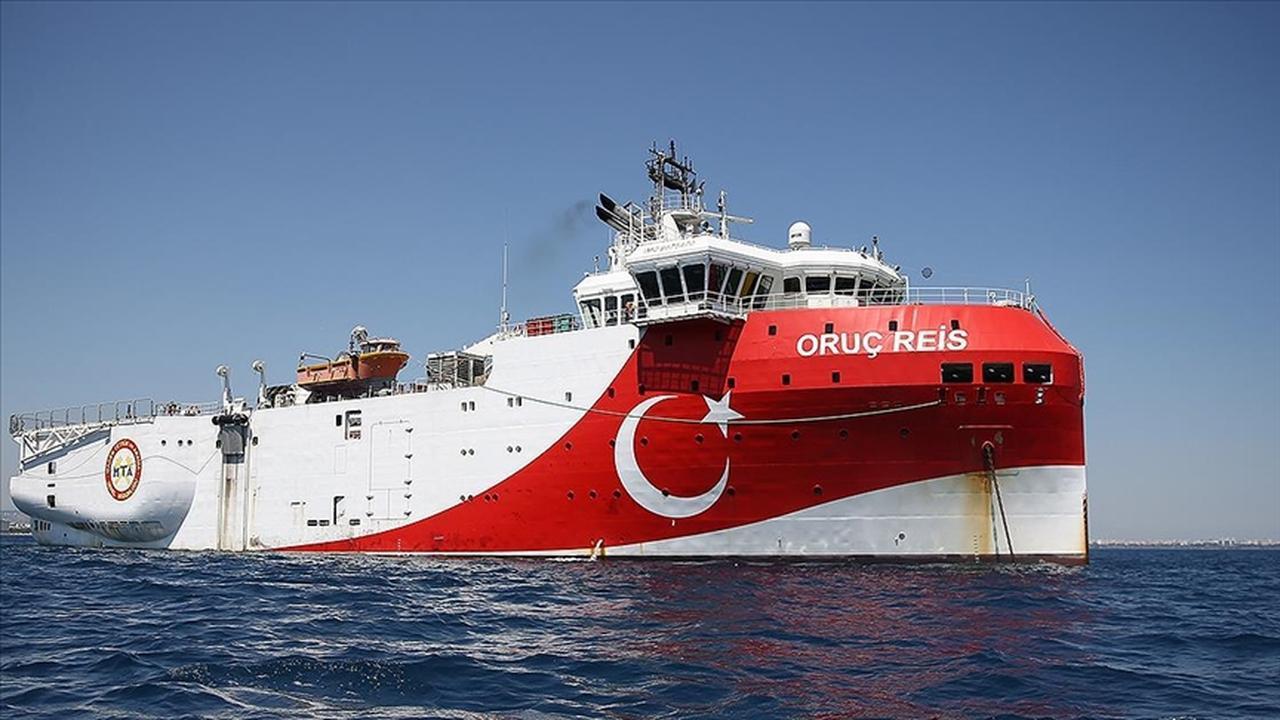

Other Somali and regional outlets have pushed back against the idea that Türkiye is simply “taking” Somalia’s oil.
Radio Dalsan published an explainer arguing that claims such as “Türkiye gets 90% of Somalia’s oil revenue” do not hold up. It said the 90% figure refers to cost recovery, not ownership or profit-sharing.
According to that explanation, the operator can recover major investments—including seismic surveys, offshore drilling, equipment, and operational expenses—from up to 90% of annual output. Once costs are recovered, the remaining “profit petroleum” is shared.
Caasimada made a similar argument, describing the claim that “Türkiye gets 90% of Somalia’s oil” as false. It said the 90% applies only to cost recovery, not ownership or profit share, and that Somalia’s oil and gas remain Somali property. In a separate explainer on cost recovery, the outlet argued that Somalia receives royalties from the start and later receives its share of profits after cost recovery.
This does not mean every criticism of the agreement disappears. A high cost-recovery ceiling, limited upfront payments, fiscal exemptions, and profit-sharing terms can all be legitimately debated. But saying "Türkiye owns 90% of Somalia's oil" is not the same as saying "Türkiye may recover approved costs from up to 90% of production before profit-sharing begins."
That distinction is the key to understanding the controversy.
Speaking to Türkiye Today, Ospite argued that much of the public debate has confused cost recovery with ownership or permanent revenue allocation.
According to Ospite, Somalia’s energy cooperation with Türkiye is based on a government-to-government partnership designed to help Somalia responsibly explore, assess, and develop its natural resources.
He emphasized that Somalia remains at the exploration stage. Before any revenue can be discussed, there must first be seismic work, drilling, technical assessment, investment, and confirmation of commercially viable resources.
“Exploration is costly and risky, especially in deep-water and frontier areas,” he said.
Ospite explained that under such petroleum arrangements, exploration and development costs are normally carried by the company or implementing partner.
If there is no commercial discovery, the investor bears the risk. If there is a commercial discovery, cost recovery mechanisms apply before profit-sharing begins.
That is the core of Mogadishu’s argument: cost recovery is not ownership.
“Cost recovery is not the same as profit share,” Ospite said, explaining that it allows the investor to recover approved exploration and development expenses if production becomes commercially viable.
After cost recovery, revenues are shared according to the agreed production-sharing structure and the applicable legal framework.
For Somalia, he added, the most important principle is that the resources belong to the Somali people. The responsibility of the Federal Government is to ensure that any agreement protects Somalia’s national interests, attracts serious investment, builds Somali technical capacity and creates long-term value for the country.
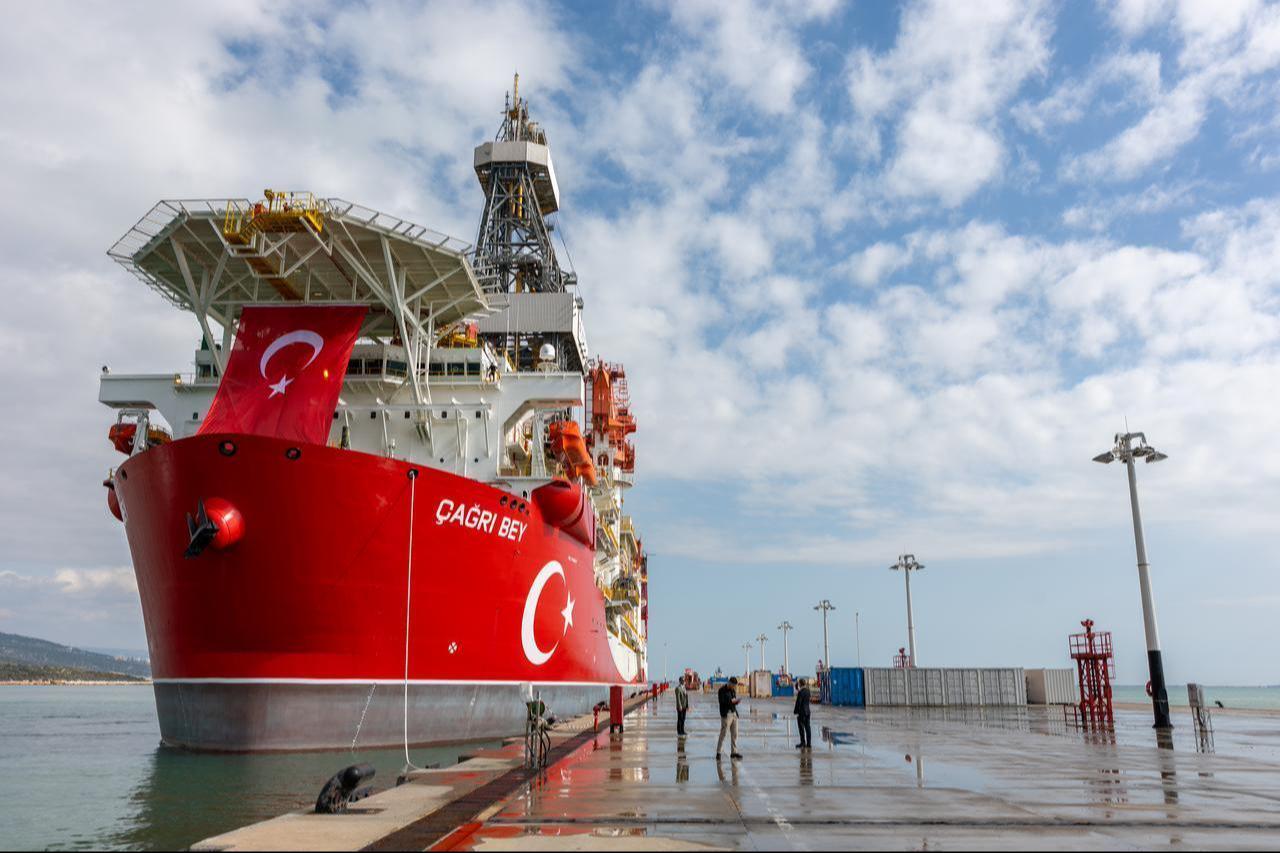
The controversy exists because both sides are talking about different parts of the same structure.
Critics focus on the size of the cost-recovery ceiling and argue that it delays Somalia’s ability to benefit fully from its resources. Some also question exemptions, transparency, lack of competitive bidding, and whether Somalia secured strong enough fiscal terms.
The LSE International Development blog raised such concerns from a domestic revenue mobilization perspective, arguing that the agreement’s terms could affect Somalia’s fragile path to rebuilding public revenue.
The Somali government’s defense, as presented by Ospite, starts from a different point: Somalia is still trying to unlock potential resources, not distribute confirmed wealth. In that context, the investor carries the initial risk of exploration.
If no commercial discovery is made, the investor absorbs the loss. If production becomes commercially viable, approved costs can be recovered before profit-sharing begins.
The energy debate cannot be separated from the wider Somalia–Türkiye relationship.
President Hassan Sheikh Mohamud’s remark—“Who else do we have besides Türkiye? Who else wants us and supports us?”—was not meant to suggest that Somalia has no other partners, Ospite said. Rather, it reflected the depth of Türkiye’s role in Somalia’s modern history.
Türkiye came to Somalia at a time when many others were hesitant. In 2011, during one of Somalia’s most difficult humanitarian periods, President Recep Tayyip Erdogan visited Mogadishu when very few world leaders were prepared to do so. That visit left a deep impression on the Somali people and opened a new chapter in bilateral relations.
Since then, Türkiye has not limited itself to statements of support. It has invested in education, health, infrastructure, humanitarian assistance, security, defense cooperation, trade, aviation, diplomacy and state-building.
Türkiye has trained Somali security forces, supported public institutions, built hospitals and roads, provided scholarships, encouraged business links and maintained a strong diplomatic presence in Mogadishu.
“What distinguishes Türkiye is consistency, visibility, respect, and long-term commitment,” Ospite said. “Türkiye treats Somalia as a sovereign partner, not merely as a crisis file.”
That perception is important. Somalia’s positive view of Türkiye is not abstract. It is based on visible projects, public services and people-to-people ties.
In Somalia, Türkiye is remembered not only for what it said, but for what it did during the country’s most difficult moments.


 Set as preferred source
 Set as preferred source


 1 min read
 1 min read