Newsletters


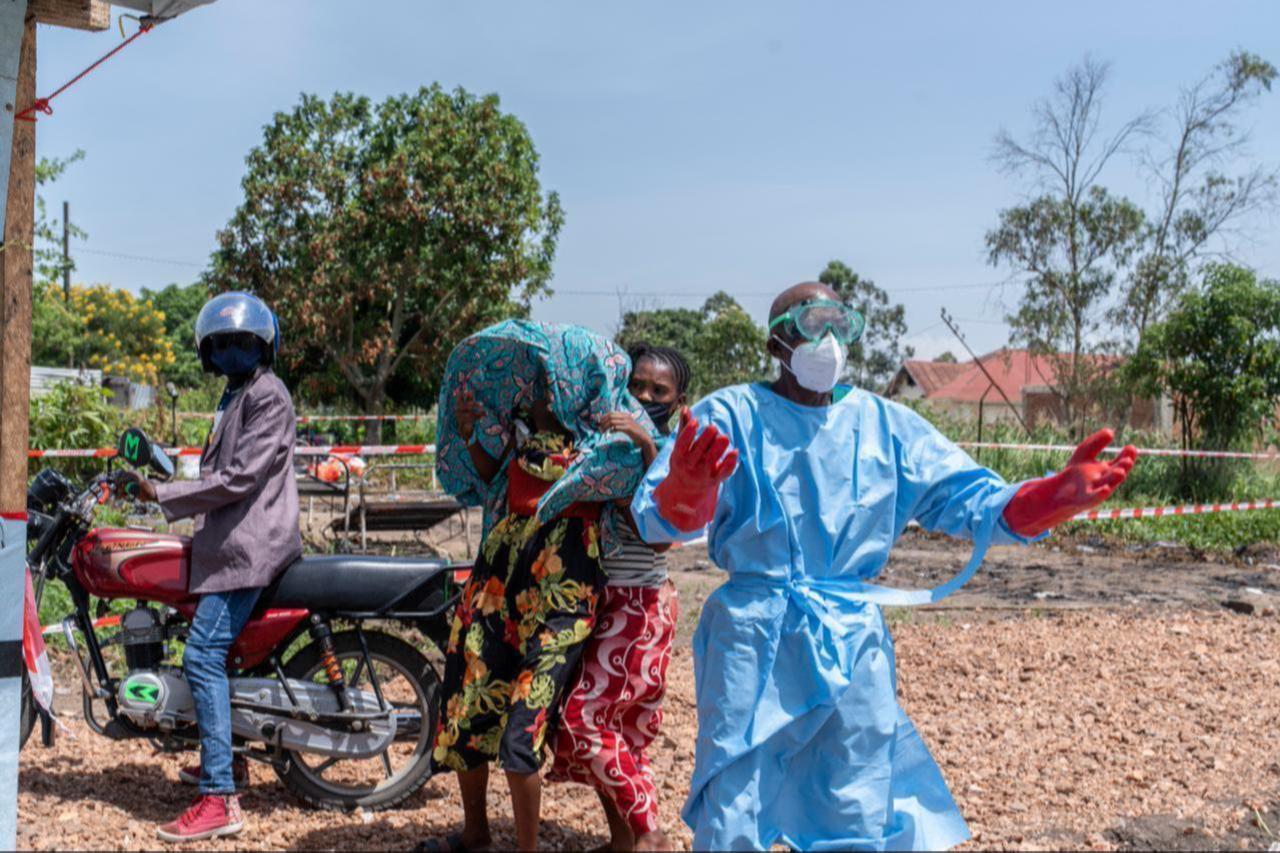


Health authorities in the Democratic Republic of Congo (DRC) said Monday that gaps in contact tracing and persistent deaths outside treatment centers have contributed to a recent surge in Ebola transmission, as the number of confirmed cases topped 8,000.
The Health Ministry's latest situation update put the cumulative caseload at 8,067 since the outbreak was declared in mid-May, including 3,901 deaths. The case fatality rate stands at 48.4%.
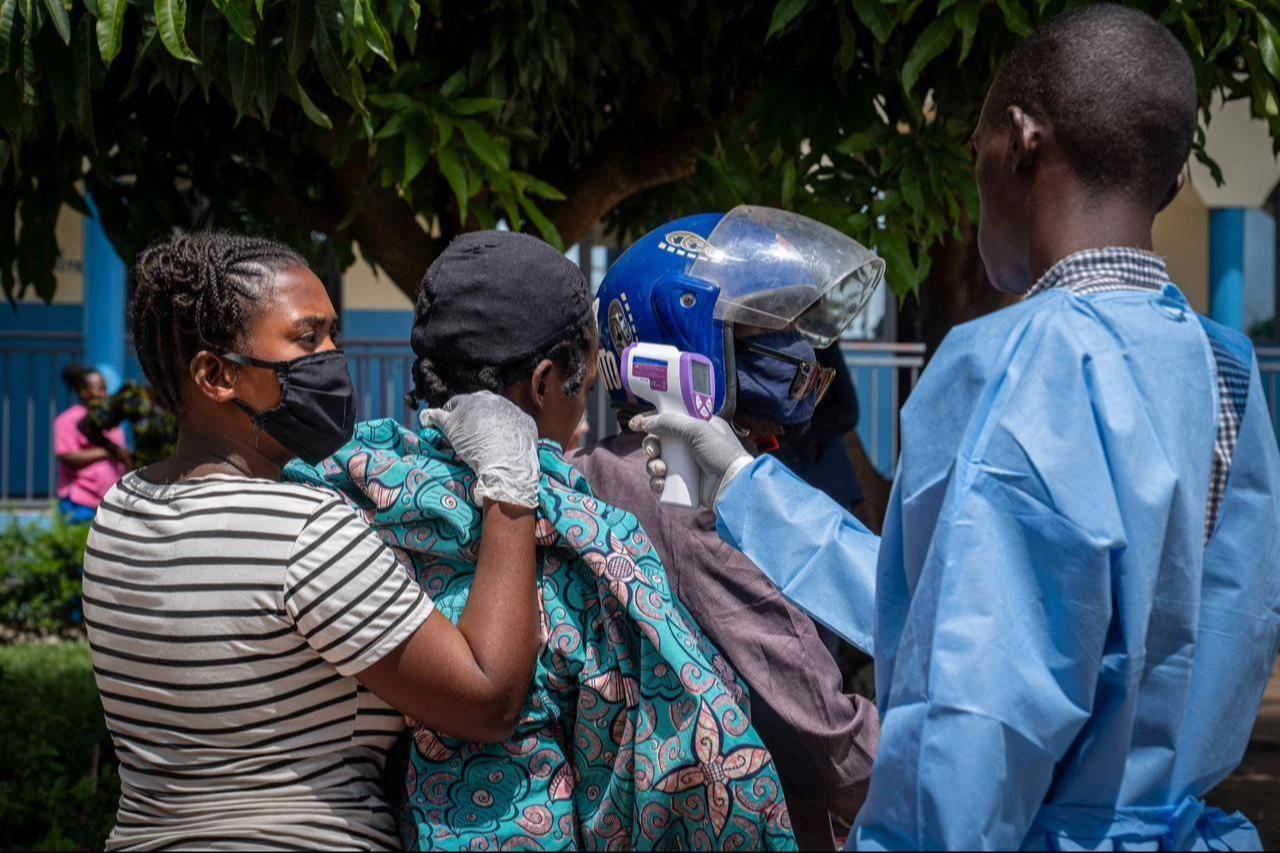

Contact tracing fell to 79.2% from 83.4% previously, according to the update. Most of the new confirmed deaths occurred in communities outside treatment centers in Ituri and North Kivu provinces, which the update attributed to challenges in detecting cases on time.
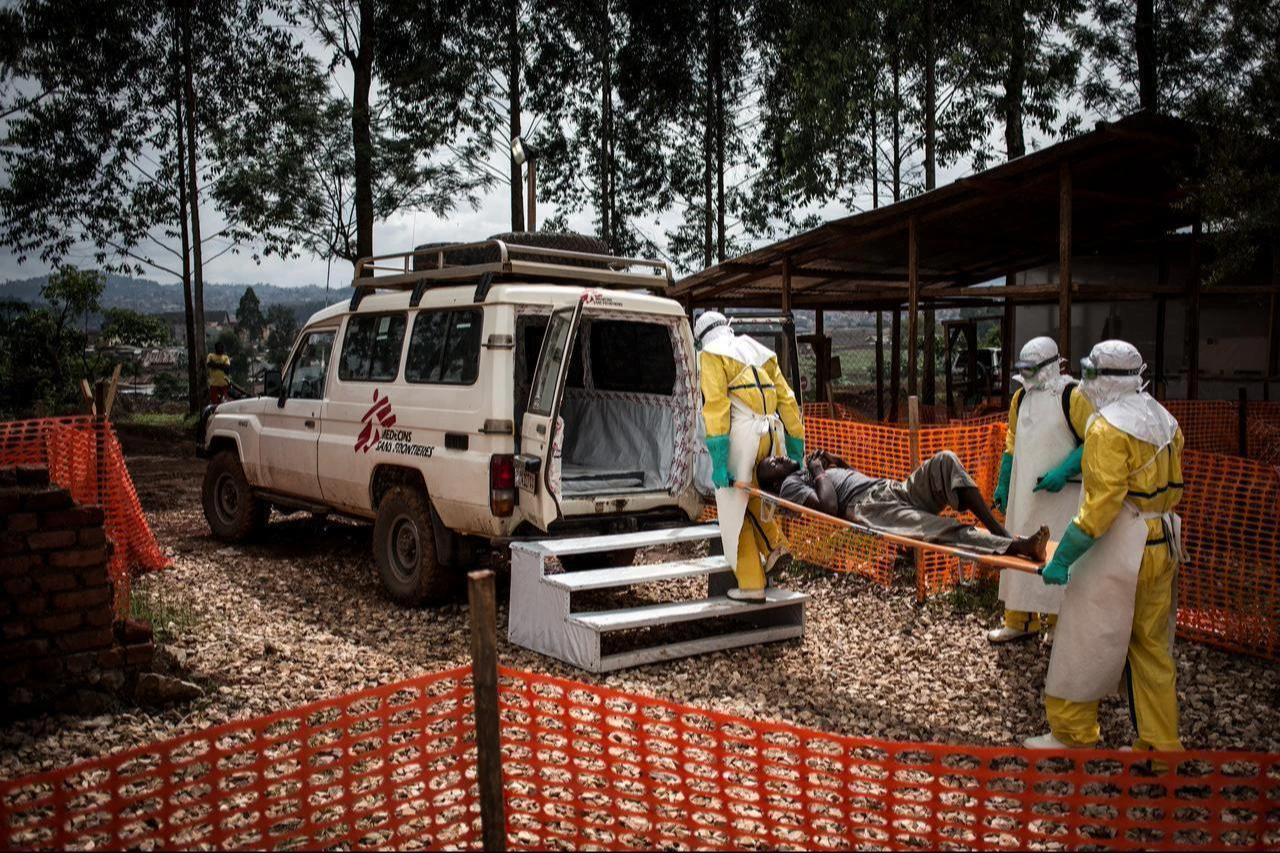
The outbreak has affected 63 health zones across seven provinces: Haut-Uele, Ituri, North Kivu, South Kivu, Bas-Uele, Tshopo and South-Ubangi.
Ituri, a province in northeastern DRC that borders Uganda and South Sudan, remains the epicenter, accounting for 76.4% of cumulative cases. The update also recorded sustained transmission in the Haut-Uele province and renewed transmission in the Tshopo province.
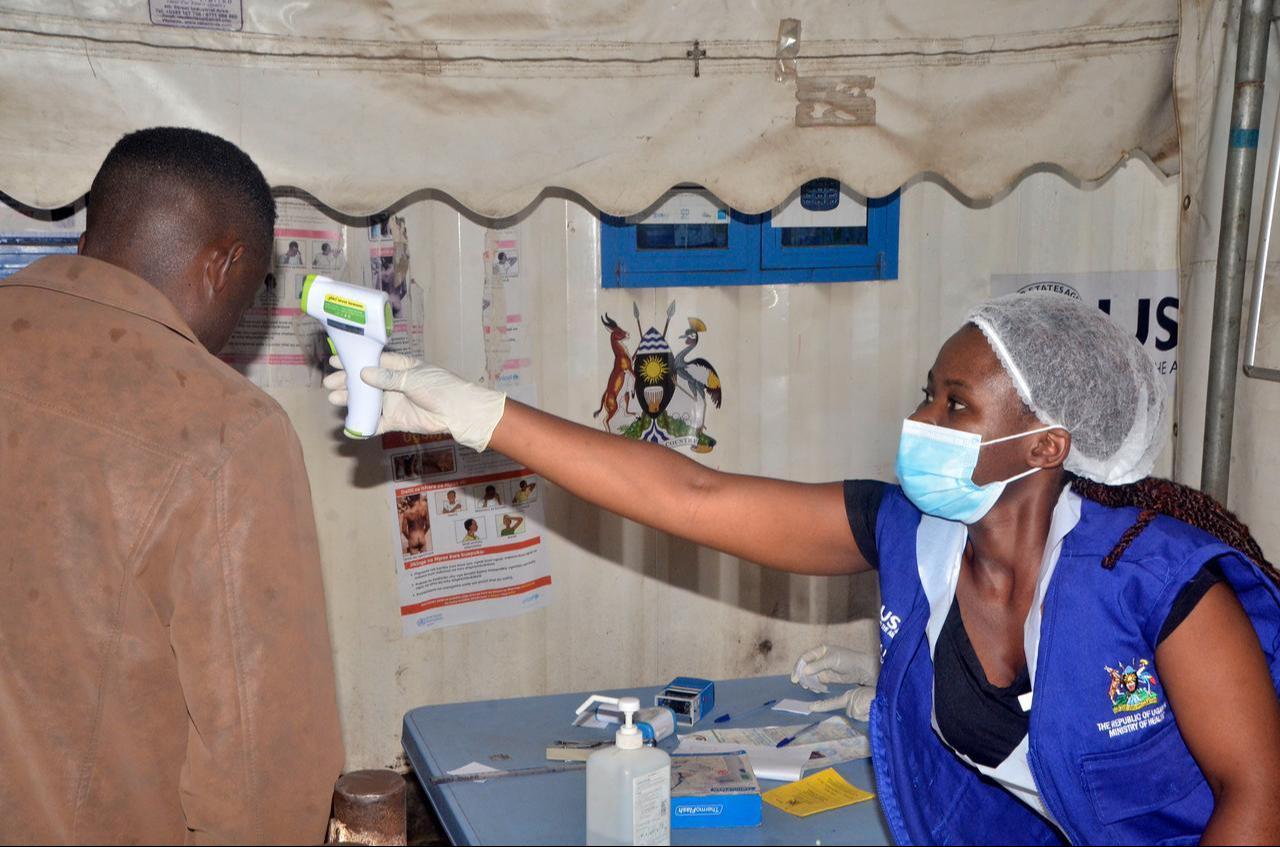
The World Health Organization (WHO) warned in a report last week that the virus's latest geographic expansion, including newly affected areas in South Ubangi and Haut-Uele, has increased the risk of cross-border transmission. South Ubangi borders the Central African Republic, while Haut-Uele borders South Sudan.
The WHO also noted that the rising fatality ratio and the growing number of deaths in communities highlight the seriousness of the disease.
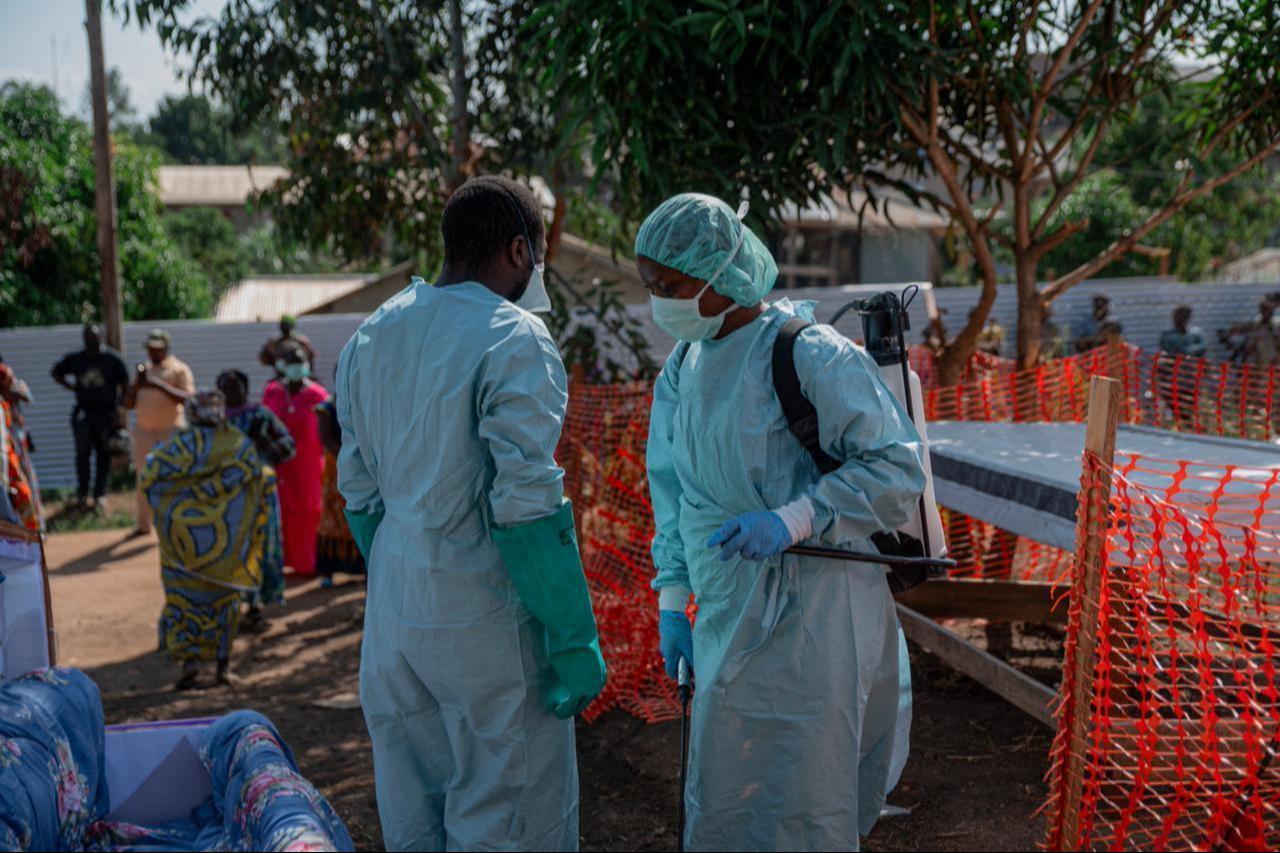
At least $2.9 billion has been mobilized for the Ebola response in the Africa region, according to the Africa Centers for Disease Control and Prevention (Africa CDC).
The outbreak was confirmed on May 15, 2026, in Ituri, and the WHO determined on May 17 that it constitutes a public health emergency of international concern. The outbreak is caused by the Bundibugyo strain of the Ebola virus, for which the WHO states there is no licensed vaccine or specific treatment. It is the 17th Ebola outbreak recorded in the country.


 Set as preferred source
 Set as preferred source


 2 min read