Sign in
 Newsletters


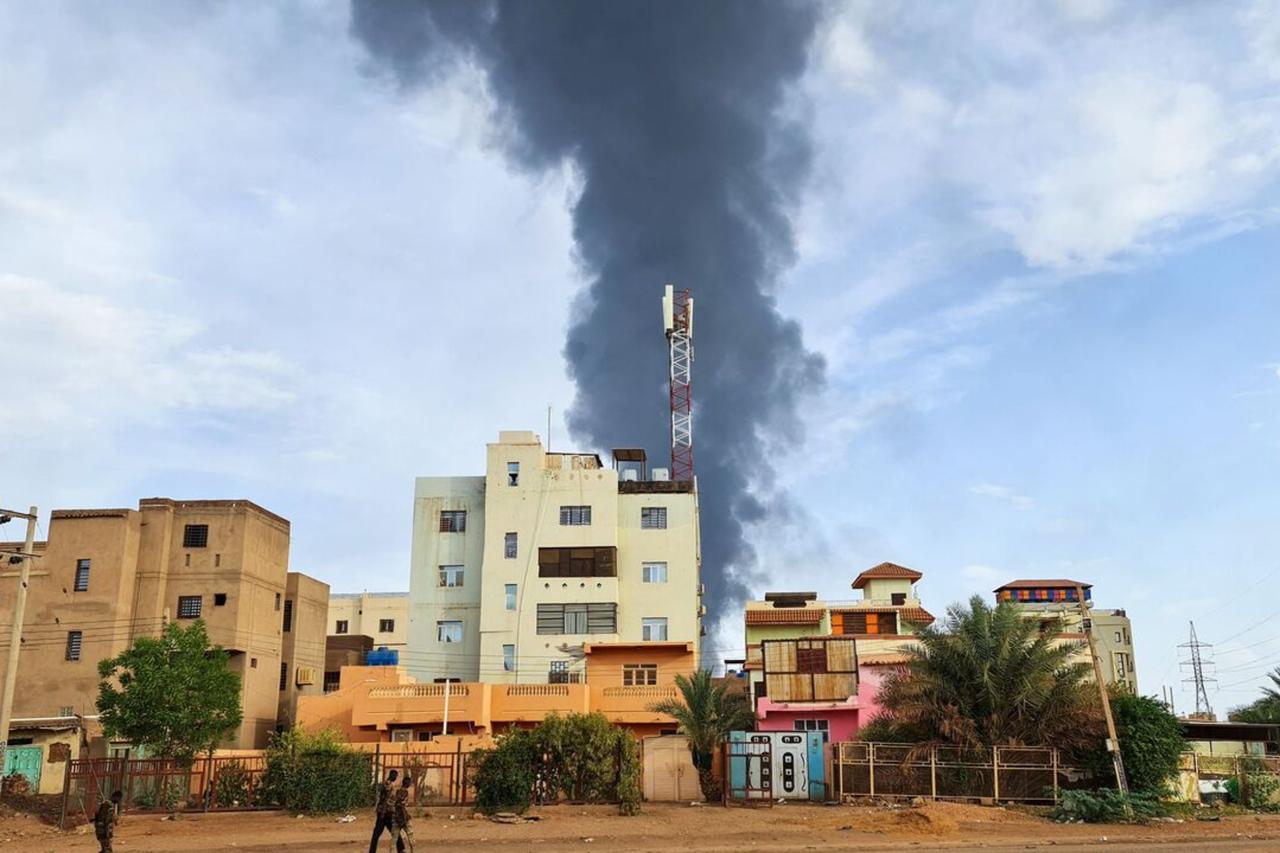


Drone strikes accounted for nearly three-quarters of verified civilian deaths in Sudan's civil war between January and October 2026, the United Nations said Tuesday, warning that the growing use of drones has become a defining feature of the conflict.
The U.N. human rights office (OHCHR) confirmed 2,230 civilian deaths during the period, including more than 1,630 caused by drone attacks, although the actual death toll is believed to be higher.
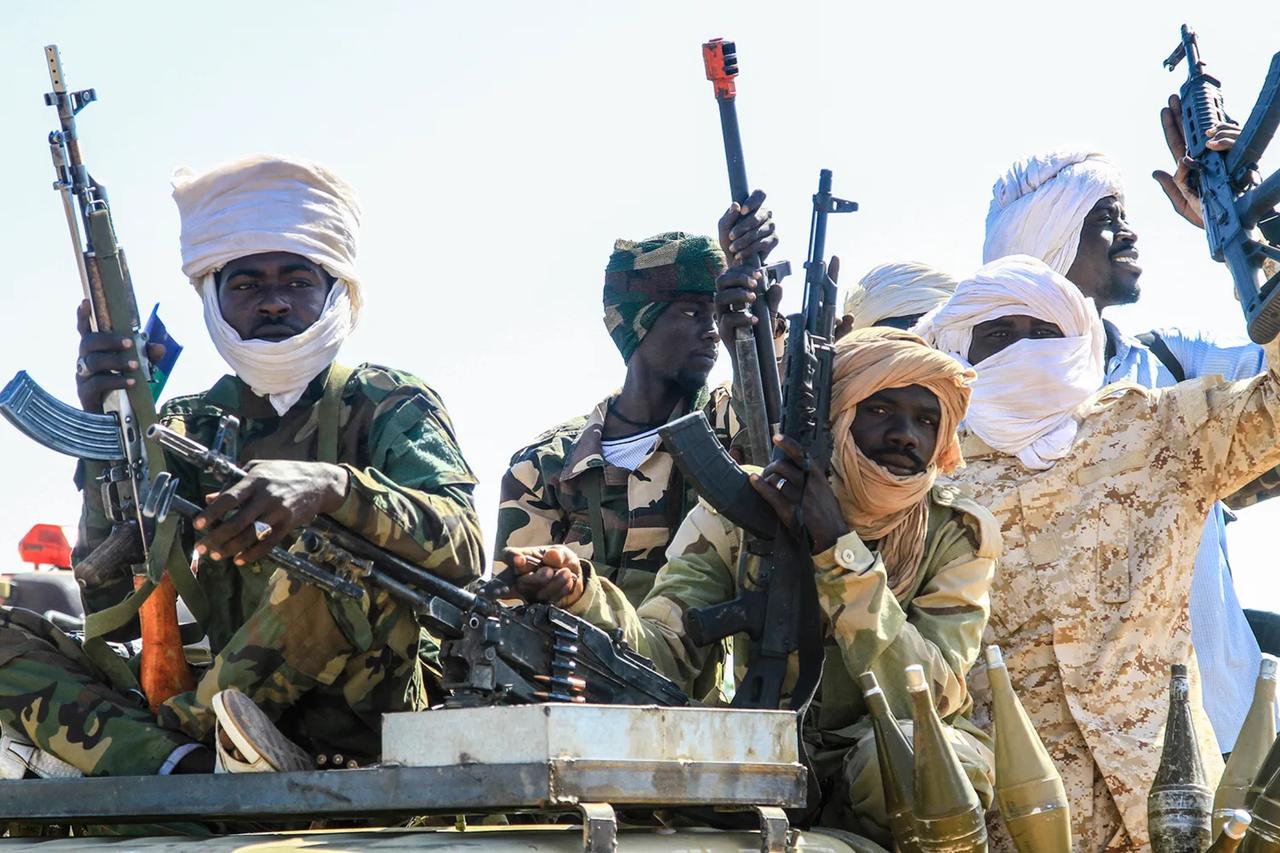
Sudan's military and the paramilitary Rapid Support Forces (RSF) have been fighting since April 2023, with both sides increasingly using drones capable of striking targets hundreds of kilometers beyond front lines.
The conflict is estimated to have killed more than 200,000 people and displaced over 13 million, creating what aid organizations describe as the world's largest hunger and displacement crisis.
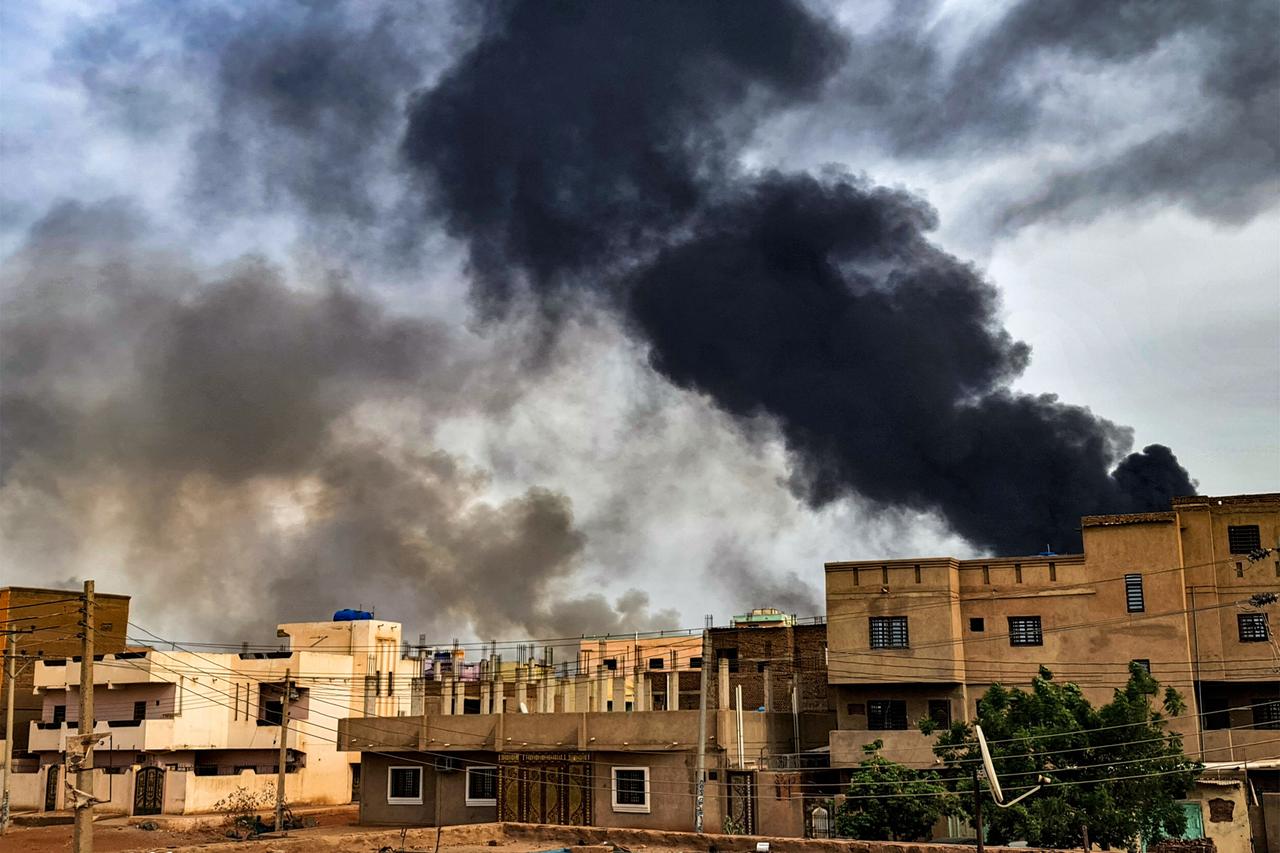

In a report covering January through June, OHCHR documented a sharp increase in drone strikes targeting civilians and civilian infrastructure, alongside indiscriminate attacks, reprisals against suspected collaborators and widespread sexual violence.
"The increased use of ... drones emerged as one of the defining features of the conflict in the Sudan, enabling parties to extend their reach far beyond areas of territorial control and front lines," the report said.
The Kordofan region accounted for more than two-thirds of documented civilian casualties during the first six months, followed by Darfur, where most of the remaining casualties occurred.
The report said a sustained supply of weapons, external support and a growing war economy had enabled the warring parties to continue fighting despite the mounting humanitarian crisis.
U.N. High Commissioner for Human Rights Volker Turk condemned what he described as the warring parties' "brazen disregard for the laws of war," warning that serious violations of international humanitarian law could amount to war crimes.
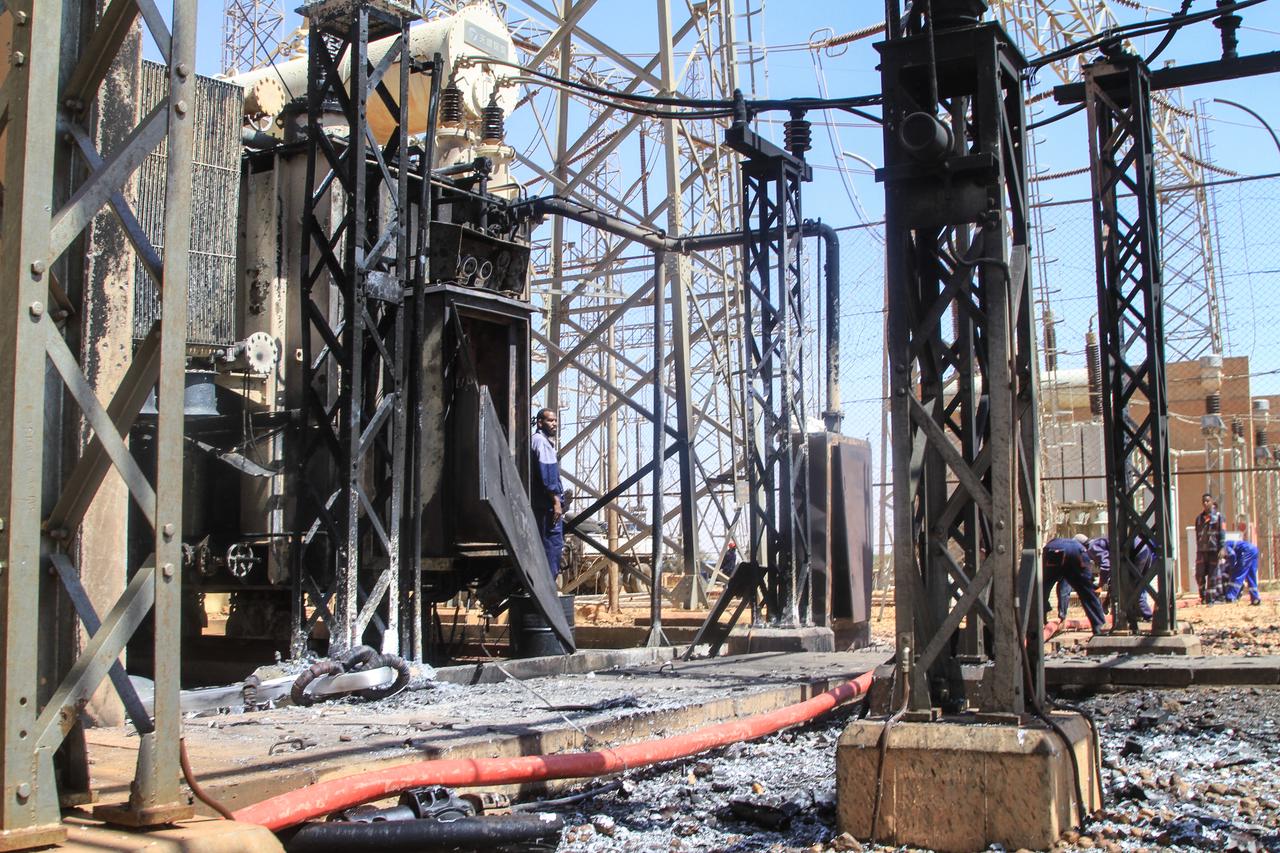
The United Nations also warned that drone strikes increasingly target infrastructure essential for civilian survival, including water supplies, electricity facilities and fuel stations.
Between Oct. 20 and Nov. 4, approximately 29 drone strikes attributed to the RSF hit electricity infrastructure and fuel facilities, causing widespread blackouts and fuel shortages affecting millions of people far from the front lines.
The OHCHR described attacks on power stations and fuel supplies as a "worrying trend," warning that disruptions to essential services were worsening civilian suffering.
"These drone strikes had a devastating impact on civilians and essential services," the report said.
With prospects for a ceasefire and a peaceful resolution remaining uncertain, Turk urged both sides to comply with international humanitarian law.
"The parties to the conflict must protect civilians and uphold their international law obligations—the world is watching," he said.


 Set as preferred source
 Set as preferred source


 1 min read
 1 min read