Sign in
 Newsletters


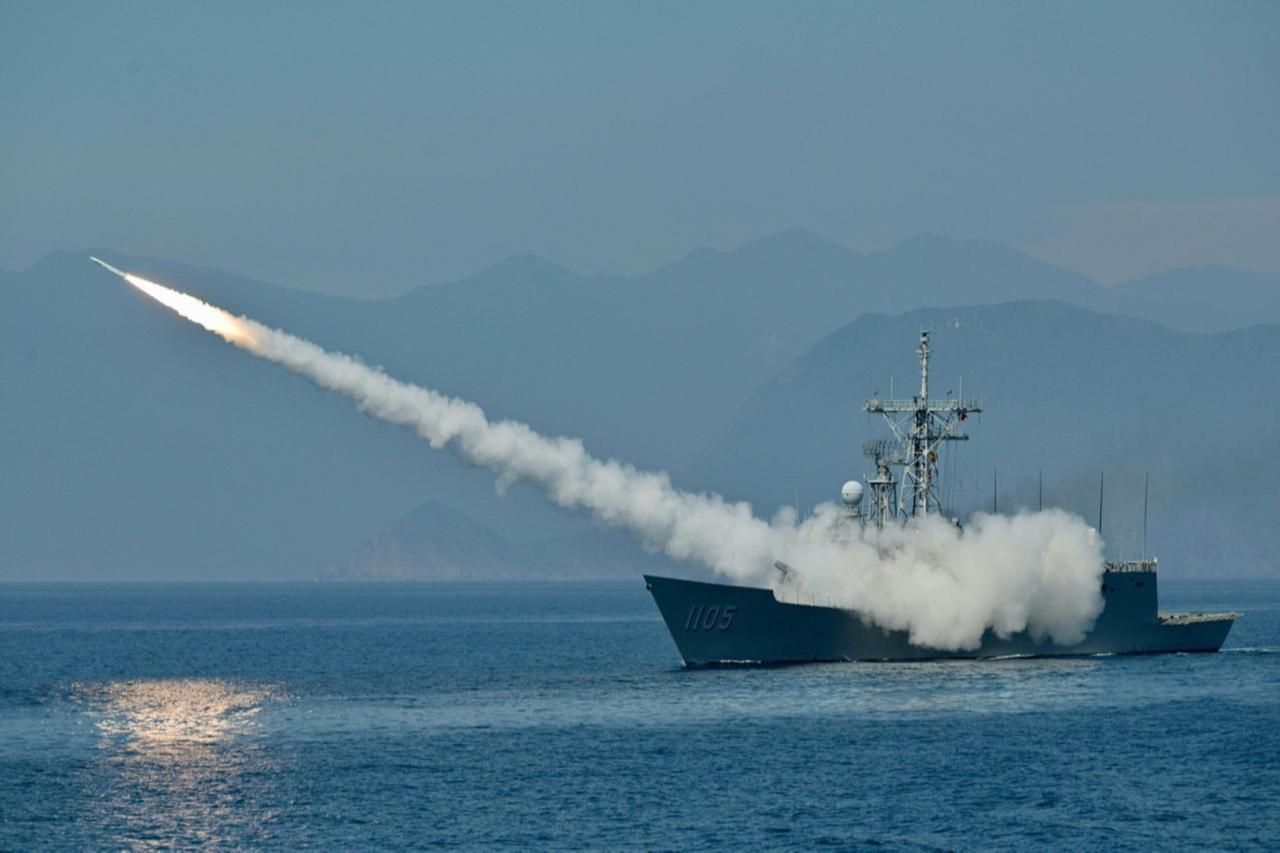


Taiwan's deputy foreign minister said Tuesday that the timing of a proposed $14 billion U.S. arms sale to the island depends on President Donald Trump and will not be affected by the recent U.S. midterm elections, as Taipei pushes for weapons to strengthen its defenses against a potential Chinese attack.
Deputy Foreign Minister Chen Ming-chi said Taiwan had been waiting months for Washington to approve the record weapons package, which includes Patriot missiles, an automated command-and-control system and a 360-degree air defense radar system.
"When it comes to time, I think it's very much up to... President Trump," Chen said.
Trump has delayed the deal, saying in May that it could serve as a bargaining chip in trade negotiations with China, which claims Taiwan as its territory and has threatened to use force to bring the island under its control.
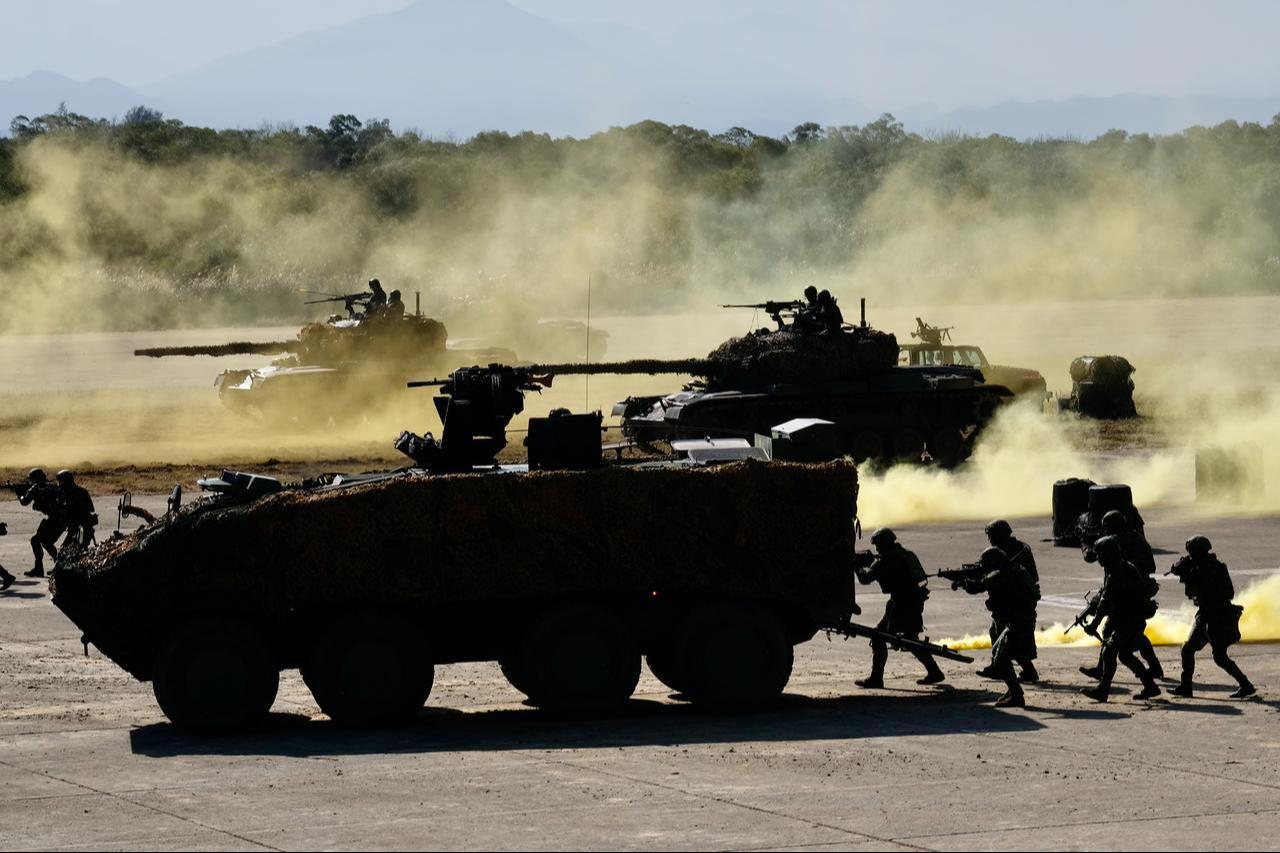

Chen said Taiwan continues to enjoy "very strong bipartisan support" in Congress and that the midterm elections, which gave Democrats control of both the House and Senate, would not affect the timing of the sale.
He acknowledged that the Trump administration must consider several factors, including the ongoing war in the Middle East, when approving weapons transfers.
"We respect that, but at the same time, we express that we really have an urgent need for those capabilities," Chen said.
He described communication with Washington as strong and said Taipei remained confident that the sale would eventually proceed, either as a single package or through smaller deliveries.
"This could be just a matter of time before the sale receives approval," he said.
Trump is expected to meet Chinese President Xi Jinping twice more this year, first at an Asia-Pacific summit in Shenzhen this week and again at the G20 summit in the U.S. in December.
Although Taiwan has featured in previous discussions between the leaders, Chen dismissed concerns that the upcoming meetings could undermine Taipei's relationship with Washington.
"We are very confident and very comfortable with our relationship with the U.S. and with other like-minded partners," he said.
Chen emphasized Taiwan's strategic importance in global technology supply chains and its commitment to maintaining its own defenses.
"We are structurally important, and our people (are) committed to our own defence. I think this (is) what matters the most," he said.
Taiwan produces nearly all of the world's most advanced semiconductors, supplying major technology companies including Nvidia and Apple.
Chen also raised concerns about Chinese intelligence activities following Nvidia co-founder Jensen Huang's admission that he had an affair with a woman whom U.S. intelligence agencies suspect of spying for Beijing.
He said the case highlighted the need for technology executives to remain vigilant about potential efforts to obtain sensitive commercial information.
China has been "very aggressive" in seeking intellectual property and technology to circumvent U.S. export restrictions, Chen alleged.
Huang, who regularly visits Taiwan to meet Nvidia clients, including semiconductor manufacturer TSMC, had previously been seen in Taipei with the woman.
Chen said Huang would remain welcome in Taiwan but warned business leaders about the risk of industrial espionage.
"Every business leader in the world has to learn this lesson that China is trying to poach your trade secrets," Chen said.
Beijing has rejected the spying allegations as "entirely baseless."
The accusations come amid intensifying technological competition between China and the United States, which has restricted exports of advanced semiconductors to Beijing.
Taiwan has repeatedly accused China of conducting espionage operations targeting the island, including its strategically important technology industry.


 Set as preferred source
 Set as preferred source


 1 min read
 1 min read